SKU: IOWC-0690
📋 GST Invoice Available

Espressif ESP32-S3-LCD-EV-Board w/ ESP32-S3-WROOM-1

₹7,349.00 (Inclusive of all taxes)
Out of Stock

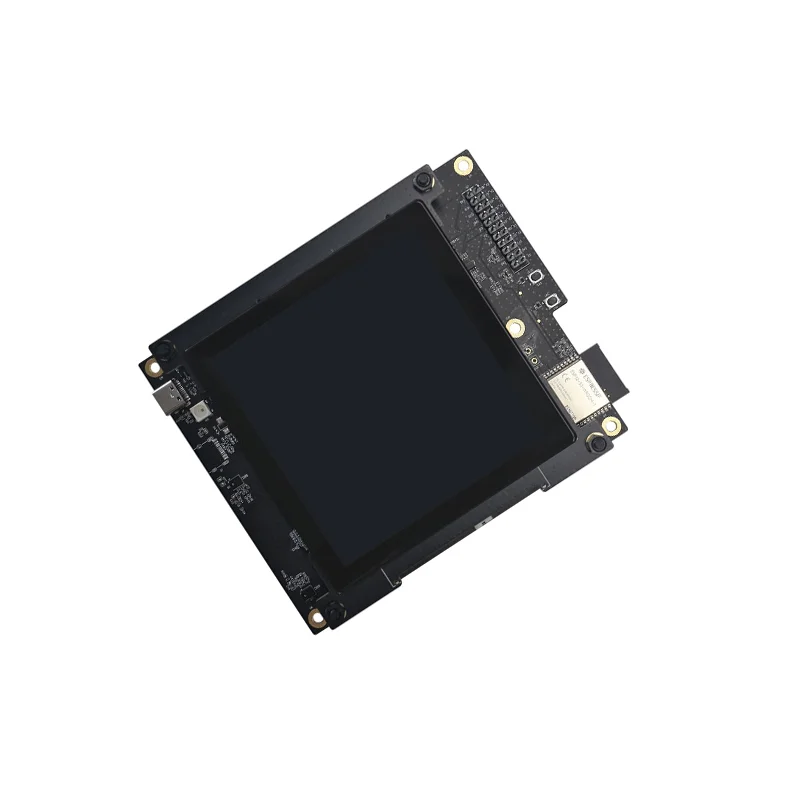
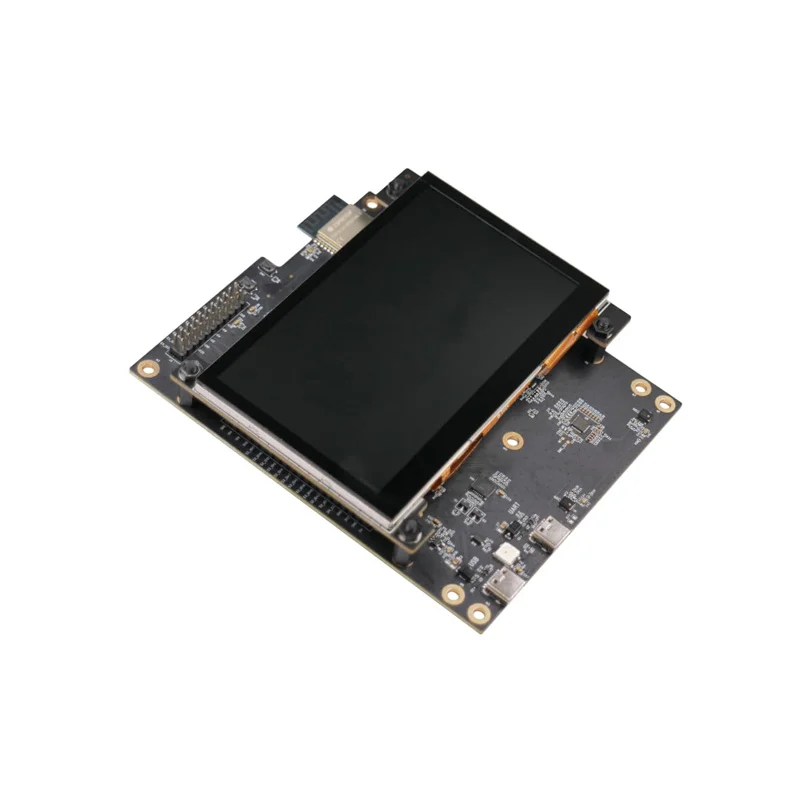
The Espressif ESP32-S3-LCD-EV-Board is a feature-rich AIoT development platform built around the ESP32-S3-WROOM-1 module, offering 16MB Flash, 16MB PSRAM, and comprehensive display/audio interfaces for building advanced Wi-Fi/Bluetooth applications with graphical UIs.

Features

  • Powered by the ESP32-S3-WROOM-1 module with dual-core Xtensa LX7 CPU (up to 240 MHz), 16MB Flash, and 16MB PSRAM for demanding AIoT tasks.
  • Versatile display support for RGB, 8080, SPI, and I2C interfaces, enabling integration with a wide range of LCDs and touchscreens.
  • Integrated audio codec with ADC amplifier and dual-microphone array for high-fidelity audio input and output in voice-controlled applications.
  • USB Type-C port for streamlined power delivery, firmware flashing, and debugging via JTAG/UART.
  • Dual-band Wi-Fi and Bluetooth Low Energy 5.0 connectivity for robust wireless communication in smart home and industrial IoT projects.

Out of stock

Description

The Espressif ESP32-S3-LCD-EV-Board is a professional-grade evaluation and development platform designed for engineers and makers building next-generation IoT devices with graphical interfaces. It leverages the powerful ESP32-S3 microcontroller, featuring a dual-core Xtensa LX7 processor capable of 240 MHz operation, alongside substantial 16MB Flash and 16MB PSRAM for handling complex firmware, graphics buffers, and audio data.

Architected for multimedia applications, the board provides native support for multiple display protocols (RGB, 8080, SPI, I2C) and includes an integrated audio subsystem with a codec, ADC amplifier, and a dual-microphone array. This makes it ideal for developing smart displays, voice-controlled hubs, and industrial HMIs. The onboard USB Type-C interface simplifies development workflows by consolidating power, programming, and serial debugging into a single robust connector.

Key Features

  • High-performance ESP32-S3-WROOM-1 core with dual-core 240 MHz CPU, 16MB Flash, and 16MB PSRAM for graphics and data-intensive applications.
  • Multi-interface display controller supporting RGB (up to 80 MHz), 8080 parallel, SPI, and I2C protocols for flexible screen integration.
  • Complete audio pipeline featuring a built-in codec, stereo ADC amplifier, and a dual-microphone array for clear audio capture and playback.
  • Streamlined development with USB Type-C providing 5V power, high-speed firmware download, and JTAG-based debugging capabilities.
  • Comprehensive wireless connectivity via 2.4 GHz Wi-Fi (802.11 b/g/n) and Bluetooth 5.0 with BLE support for IoT network integration.
  • Rich set of peripheral interfaces including I2C, SPI, UART, GPIOs, and touch sensors for expanding functionality with sensors and actuators.
  • Optimized power management with multiple low-power sleep modes, enabling battery-operated portable devices and displays.

Applications

  • Smart home control panels and interactive touchscreen displays.
  • Industrial Human-Machine Interfaces (HMIs) and telemetry dashboards.
  • Voice-controlled IoT hubs and devices with audio feedback.
  • Portable multimedia devices and digital signage with Wi-Fi connectivity.
  • Prototyping for AIoT products combining display, audio, and wireless control.

Technical Specifications

Microcontroller/SoCESP32-S3 (Xtensa® dual-core LX7, up to 240 MHz)
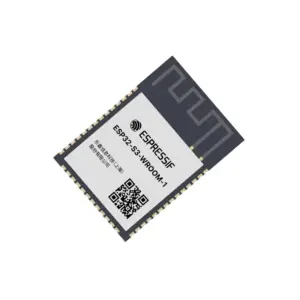
ModuleESP32-S3-WROOM-1
Flash Memory16 MB
PSRAM16 MB
Wireless ProtocolsWi-Fi 802.11 b/g/n (2.4 GHz), Bluetooth 5.0 with BLE
Display InterfacesRGB, 8080, SPI, I2C
Audio InterfacesIntegrated Codec, ADC Amplifier, Dual Microphone Array
Programming/Debug InterfaceUSB Type-C (UART/JTAG)
Peripheral InterfacesI2C, SPI, UART, GPIO, Touch Sensors
Supply Voltage5V via USB Type-C
Operating Temperature-40°C to +85°C (typical for ESP32-S3)
Dimensions (Board)Approx. 17 x 16 cm (from shipping data)

Frequently Asked Questions

What display types are compatible with the ESP32-S3-LCD-EV-Board?

The board supports a wide range of displays via its flexible interface controller. You can connect RGB parallel screens (up to 80 MHz), 8080-series parallel displays, SPI-based TFTs, and I2C OLEDs. The specific pinout and configuration are managed through the ESP-IDF or Arduino display driver libraries, allowing you to choose the optimal screen for your resolution and refresh rate requirements.

How do I program and debug the ESP32-S3-LCD-EV-Board?

Programming and debugging are streamlined via the onboard USB Type-C port. Connect it to your computer to provide 5V power. For firmware development, use Espressif's ESP-IDF framework, Arduino IDE with the ESP32 board package, or PlatformIO. The USB connection exposes both a UART for serial communication and a JTAG interface for advanced debugging, allowing step-through code execution and breakpoints directly from your IDE.

Can I use the dual-microphone array for voice recognition on this board?

Yes, the integrated dual-microphone array and audio codec are designed for audio applications like voice recognition. The ESP32-S3's processing power can run on-device speech detection algorithms or stream audio via Wi-Fi to cloud services. You can develop using Espressif's audio development framework within ESP-IDF, which provides drivers for the codec and examples for beamforming or noise reduction to improve recognition accuracy.

What is the purpose of the 16MB PSRAM on this development board?

The 16MB of external PSRAM (Pseudo Static RAM) significantly expands the memory available to the ESP32-S3's CPU. This is critical for graphics-intensive applications where frame buffers for displays are stored, or for audio processing buffers. It also allows for more complex data structures and caching in machine learning applications, preventing performance bottlenecks that occur when working solely with internal SRAM.

Package Includes

  • 1 x Espressif ESP32-S3-LCD-EV-Board

Additional Information

Weight 0.29 kg
Dimensions 16 × 17 × 6 cm