SKU: IOWC-0207
📋 GST Invoice Available

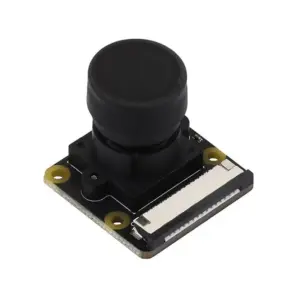
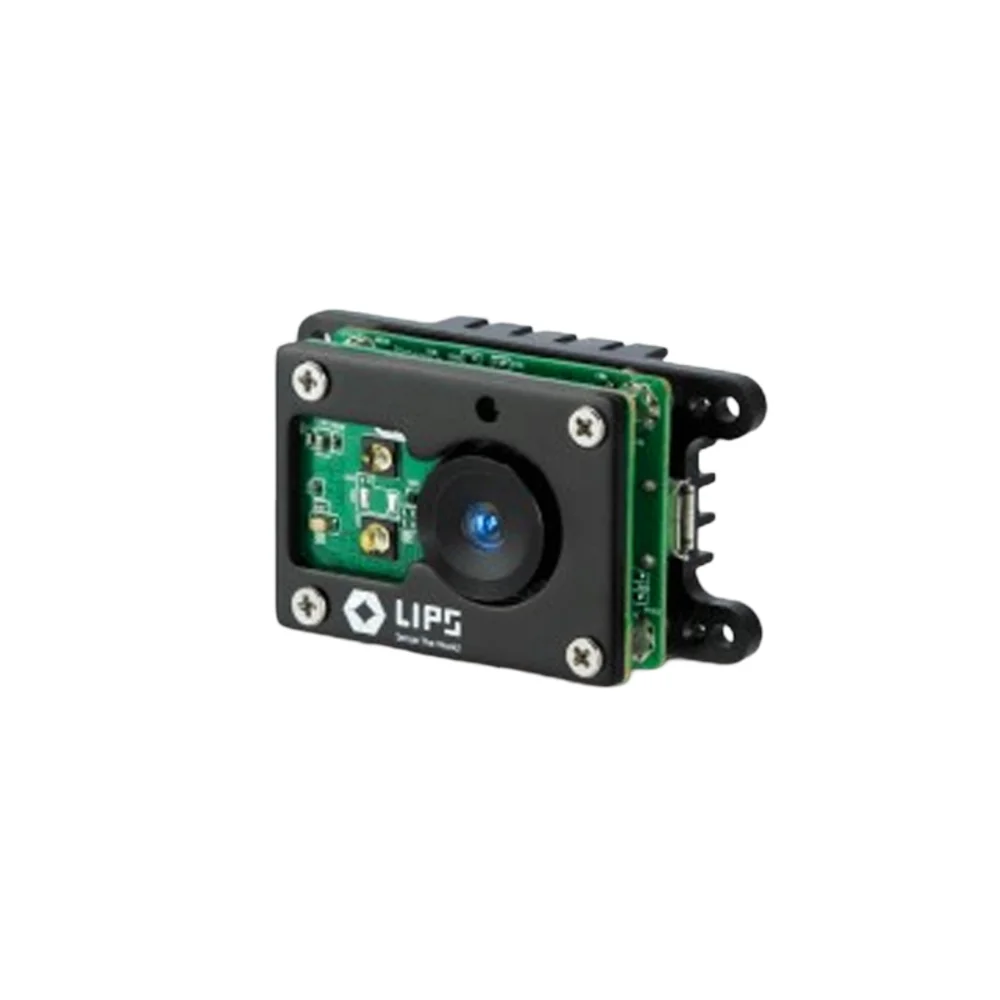
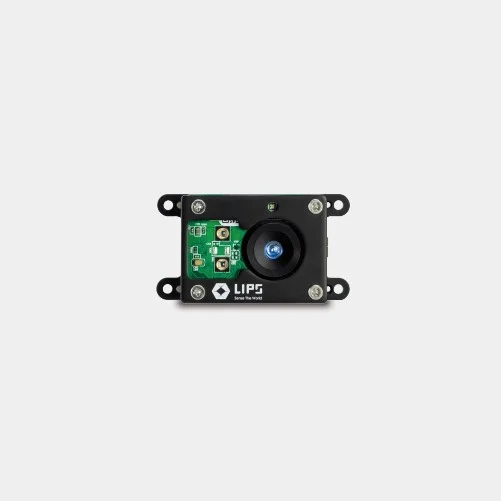
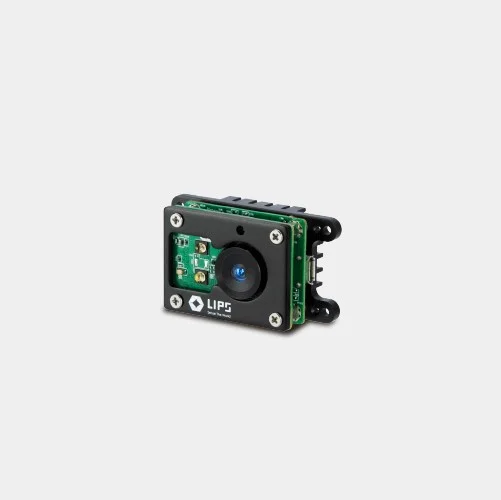
LIPSedge M3 Embedded 3D ToF Camera w/ LED & IMU

₹27,129.00 (Inclusive of all taxes)
Out of Stock

The LIPSedge M3 Embedded 3D ToF Camera integrates a compact Time-of-Flight sensor with a built-in 6-axis IMU for real-time depth mapping and motion sensing, compatible with Windows, Linux, NVIDIA, Intel, and Raspberry Pi platforms via USB 2.0.

Features

  • Compact 3D ToF Sensor: Provides accurate depth perception from 0.2m to 4m for precise spatial mapping and object detection.
  • Integrated 6-Axis IMU: Combines accelerometer and gyroscope data for advanced applications like gesture control and behavior analysis.
  • Plug-and-Play USB Interface: Simple setup via USB 2.0 Micro-B, compatible with Windows and Linux systems for rapid prototyping.
  • Broad Platform Support: Works with NVIDIA Jetson, Intel NUC, Raspberry Pi, and supports OpenCV and OpenNI SDKs for development.
  • Low-Power Embedded Design: Consumes ~4W at 5V, ideal for integration into portable robotics, AR/VR, and smart sensing systems.

Out of stock

Description

The LIPSedge M3 Embedded 3D ToF Camera is a highly integrated vision module designed for embedded systems requiring real-time depth perception and motion tracking. It employs advanced Time-of-Flight (ToF) technology to capture precise depth data across two operational modes: a near mode for detailed close-range sensing (0.2-1.0m) and a normal mode for broader spatial mapping (1-4m). This enables accurate 3D environment reconstruction for autonomous navigation and object interaction.

Beyond depth sensing, the module incorporates a 6-axis inertial measurement unit (IMU), fusing accelerometer and gyroscope data to track orientation and motion. This sensor fusion expands its utility into dynamic applications such as gesture recognition, people counting, and occupancy analytics. The compact, modular form factor (51 x 28 x 22.4 mm) and low 4W power draw make it suitable for space-constrained and battery-powered IoT edge devices.

Key Features

  • Advanced 3D Time-of-Flight Sensing: Delivers real-time, high-resolution depth maps for accurate spatial awareness and object dimensioning.
  • Dual-Range Operational Modes: Supports detailed near-field (0.2-1m) and extended normal-range (1-4m) depth capture for versatile scene analysis.
  • Integrated Motion Tracking: Built-in 6-axis IMU (accelerometer + gyroscope) enables gesture control, tilt compensation, and inertial navigation.
  • Cross-Platform Development Support: Compatible with OpenNI and OpenCV frameworks for streamlined application development on Windows/Linux.
  • Embedded-Optimized Form Factor: Modular, compact design facilitates direct integration into robotics, drones, and AR/VR headsets.
  • USB 2.0 Micro-B Interface: Provides plug-and-play connectivity and power (5V/1A) for simplified system setup and data streaming.
  • Broad Hardware Ecosystem Support: Verified operation with NVIDIA Jetson, Intel x86 platforms, Raspberry Pi SBCs, and industrial PCs.
  • LED Illumination Enhancement: Integrated LEDs improve depth data consistency and accuracy in variable or low-light conditions.

Applications

  • Robotics & Autonomous Navigation: For SLAM, obstacle avoidance, and bin-picking in mobile robots and drones.
  • Augmented & Virtual Reality (AR/VR): Enables gesture-based interaction and environment mapping for immersive experiences.
  • Smart Retail & Digital Signage: Facilitates people counting, behavior analysis, and interactive customer engagement.
  • Industrial Automation & Inspection: Used for volume measurement, part presence detection, and assembly verification.
  • Building Management Systems: Monitors elevator capacity, room occupancy, and access control for smart facilities.

Technical Specifications

Sensor Type3D Time-of-Flight (ToF) Camera
Operating RangeNear Mode: 0.2 - 1.0m; Normal Mode: 1 - 4m
Integrated Sensors6-axis IMU (Accelerometer & Gyroscope)
Power SupplyDC 5V via USB 2.0 Micro-B
Power Consumption~4W
Host InterfaceUSB 2.0
Supported OSWindows, Linux
Development SDKsOpenNI, OpenCV
Compatible PlatformsNVIDIA Jetson, Intel NUC/PC, Raspberry Pi
Dimensions (L x W x H)51 x 28 x 22.4 mm
Operating TemperatureNot Specified

Frequently Asked Questions

What operating systems and development frameworks are supported by the LIPSedge M3 camera?

The camera is compatible with Windows and various Linux distributions. For software development, it supports the OpenNI framework for depth data streaming and OpenCV for computer vision processing. Drivers and SDK samples are typically provided by LIPS to interface with the USB 2.0 device, enabling rapid application development on platforms like NVIDIA Jetson, Intel NUC, and Raspberry Pi. You'll need to install the vendor-specific libraries before accessing the depth stream and IMU data in your code.

How do the two depth sensing modes (Near and Normal) work, and when should I use each?

The Near Mode optimizes depth accuracy for objects very close to the sensor, ranging from 0.2 to 1.0 meters, ideal for detailed gesture recognition or precise pick-and-place operations. The Normal Mode extends the operational range from 1 to 4 meters, suitable for broader scene mapping, people counting, or navigation. You select the mode via the provided API or configuration tool based on your application's required working distance and the level of detail needed for depth data processing.

How do I access and utilize the data from the built-in 6-axis IMU?

The integrated accelerometer and gyroscope data is streamed alongside the depth frames through the camera's USB interface. Using the provided SDK, you can read the raw or filtered IMU data (acceleration and angular rate) to implement features like gesture recognition, tilt compensation for the depth map, or inertial navigation in robotics. The sensor fusion between depth and motion data typically requires custom application logic, but the SDK provides the necessary hooks to synchronize and timestamp both data streams.

What is the power requirement, and can the camera be powered from a Raspberry Pi's USB port?

The module requires a 5V DC supply and consumes approximately 4W (around 800mA). A standard Raspberry Pi 4 USB port can supply up to 1.2A at 5V, which is generally sufficient. However, for stable operation, especially when other peripherals are connected, it is recommended to use a powered USB hub or a dedicated 5V/1A power adapter connected via the camera's Micro-B port to avoid potential brown-outs or data corruption.

Package Includes

  • 1 x LIPSedge M3 Embedded 3D ToF Camera - LED

Additional Information

Weight 0.045 kg
Dimensions 5.1 × 2.8 × 2.24 cm