SKU: IOWC-0196
📋 GST Invoice Available

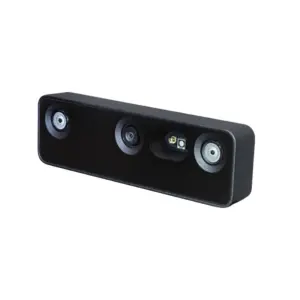
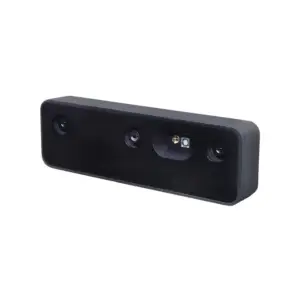
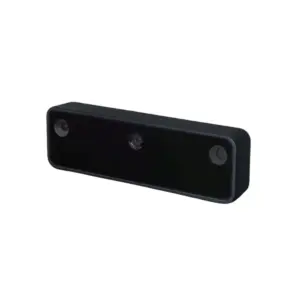
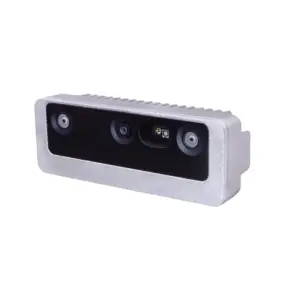
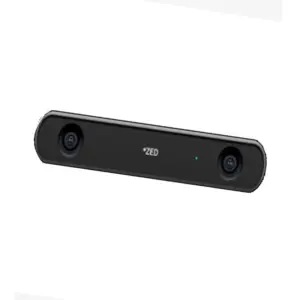
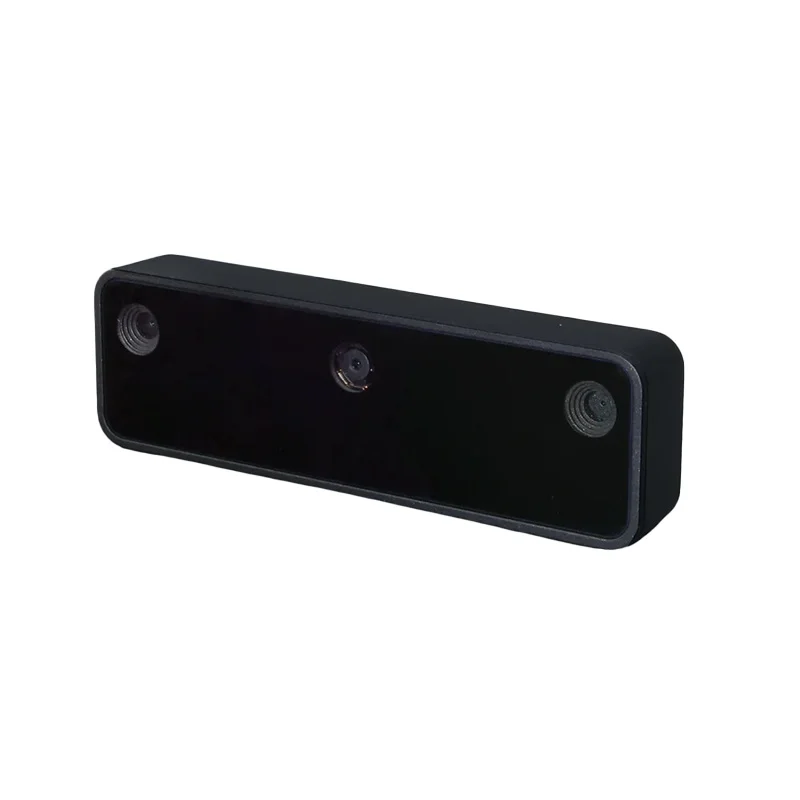
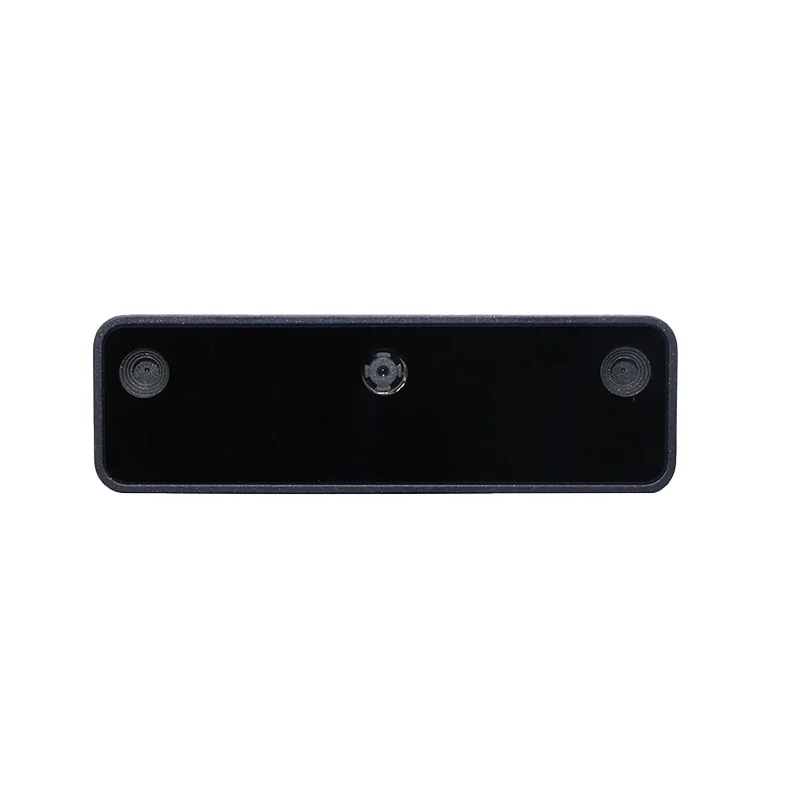
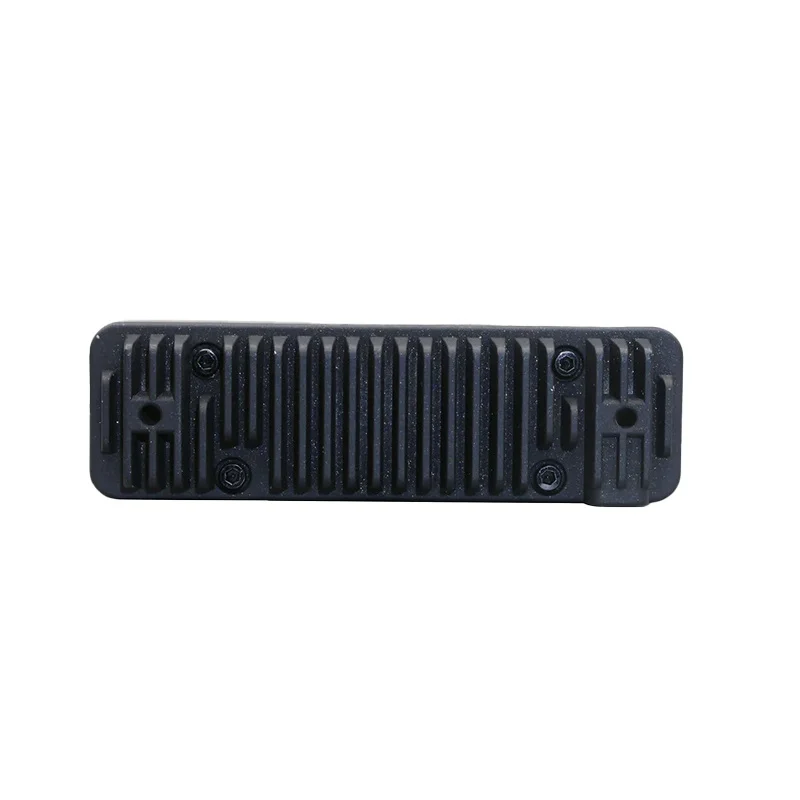
Luxonis OAK-D Lite Robotics Camera w/ Auto-Focus & IMU

₹36,749.00 (Inclusive of all taxes)
Out of Stock

The Luxonis OAK-D Lite is a spatial AI camera with onboard 4 TOPS RVC2 processor, a 13MP auto-focus RGB sensor, stereo depth sensing, and a 6-axis IMU, powered via USB-C for robotics and embedded vision applications.

Features

  • Onboard 4 TOPS AI processor (RVC2) for running neural networks directly on the camera.
  • 13MP RGB camera with configurable auto-focus (8cm to ∞) and 4K/30FPS video encoding.
  • Integrated stereo depth perception and a 6-axis BMI270 IMU (accelerometer & gyroscope).
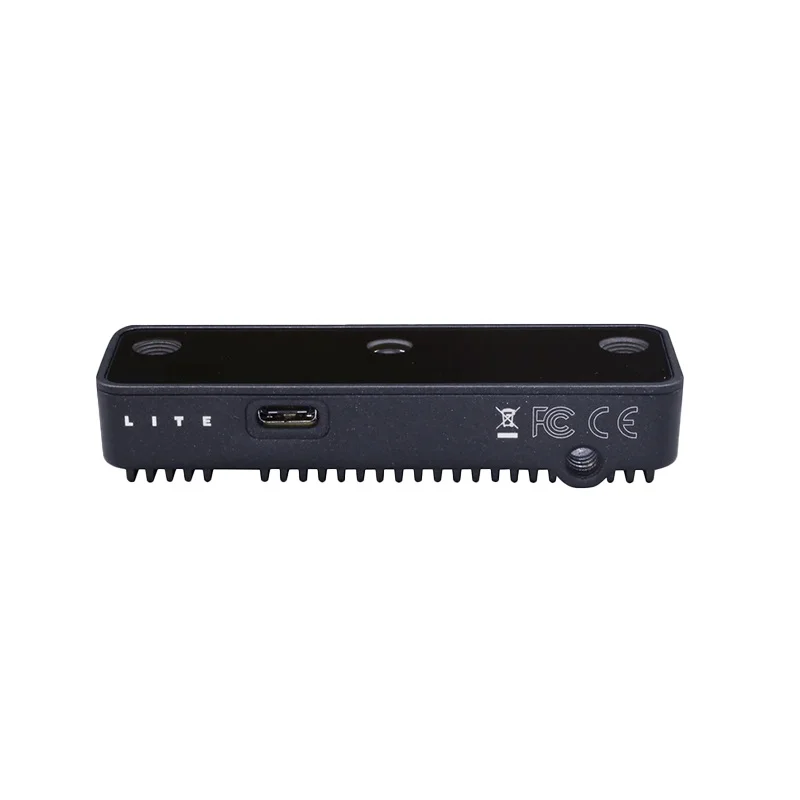
  • Robust aluminum housing with Gorilla Glass and USB-C (USB 3.2 Gen1) for power & data.
  • Supports DepthAI API for model deployment (detection, segmentation) and built-in vision tools.

Out of stock

Description

The OAK-D Lite is a compact, production-ready spatial AI camera designed to bring human-like perception to robotic and embedded systems. Its core is the Myriad X RVC2 vision processor, delivering 4 TOPS of performance to run converted neural models for object detection, classification, and semantic segmentation directly on-device, eliminating the need for a separate host computer.

Beyond AI, the module provides precise depth mapping through its stereo vision setup and features a high-resolution 13MP IMX214 RGB sensor with software-configurable auto-focus. This is complemented by an onboard BMI270 inertial measurement unit for tracking orientation and movement. The industrial-grade aluminum enclosure, with front Gorilla Glass and standard tripod/VESA mounts, ensures durability in mobile and vibration-prone environments.

Key Features

  • Spatial AI-on-camera with 4 TOPS RVC2 processor (1.4 TOPS dedicated for neural inference).
  • High-fidelity 13MP auto-focus RGB camera (IMX214) with configurable focus range from 8cm to infinity.
  • Integrated stereo depth perception for real-time 3D mapping and point cloud generation.
  • Onboard 6-axis IMU (BMI270) for accelerometer and gyroscope data fusion.
  • Robust industrial design with aluminum housing, Gorilla Glass lens cover, and M4 mounting points.
  • USB-C interface (USB 3.2 Gen1) providing both 5Gbps data throughput and power delivery (2.5W-5W).
  • Comprehensive DepthAI API support for model deployment, camera calibration, and vision pipelines.
  • Built-in video encoding (H.264, H.265, MJPEG) up to 4K at 30FPS or 1080p at 60FPS.

Applications

  • Autonomous mobile robots and drones for navigation and obstacle avoidance.
  • Robotic arms and pick-and-place systems requiring visual guidance.
  • Smart retail and logistics for object counting, dimensioning, and people tracking.
  • Embedded AI vision systems for industrial quality inspection and monitoring.
  • Research and development in computer vision, robotics, and spatial computing.

Technical Specifications

ProcessorMyriad X RVC2 (4 TOPS)
RGB Camera13MP IMX214, Auto-Focus (8cm - ∞)
RGB Resolution4208 x 3120
IMUBMI270 6-axis (Accelerometer & Gyroscope)
Depth TechnologyStereo Vision
Video EncodingH.264, H.265, MJPEG up to 4K/30FPS
InterfaceUSB-C (USB 3.2 Gen1)
Power Consumption2.5W (Base) - 5W (Full Load)
Operating Temperature-20°C to 50°C
Dimensions (LxWxH)115mm x 55mm x ~25mm (est.)
Weight102g

Frequently Asked Questions

How do I program and configure the auto-focus on the OAK-D Lite?

The auto-focus is controlled programmatically via the DepthAI API. You can set the focus distance (from 8cm to infinity) and trigger re-focusing within your Python script. The API provides functions to adjust the lens position dynamically based on your scene, allowing for sharp focus on objects at varying distances during operation.

What AI frameworks and model formats are supported by the onboard RVC2 processor?

The Myriad X RVC2 processor runs neural networks converted into the OpenVINO Intermediate Representation (IR) format or the proprietary blob format. You typically train your model in frameworks like TensorFlow or PyTorch, then use the OpenVINO Toolkit or Luxonis's online conversion tool to compile and deploy it onto the OAK-D Lite for inference directly on the camera hardware.

What is the power requirement and can it be powered via a Raspberry Pi?

The camera requires a USB-C connection providing 5V and draws between 2.5W (idle) to 5W under full load. A Raspberry Pi's USB port may not supply sufficient stable power, especially under high compute load. It is recommended to use an externally powered USB hub or a dedicated 5V/2A power adapter connected to the camera's USB-C port for reliable operation.

Package Includes

  • 1 x Luxonis OAK-D Lite Robotics Camera with Auto-focus

Additional Information

Weight 0.102 kg
Dimensions 11.5 × 5.5 × 2.5 cm