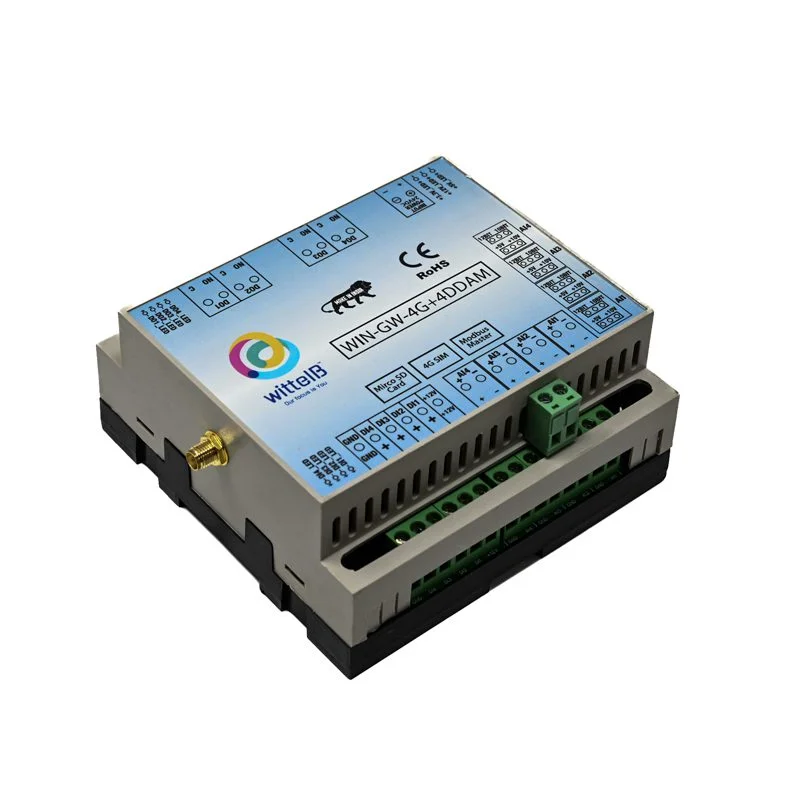
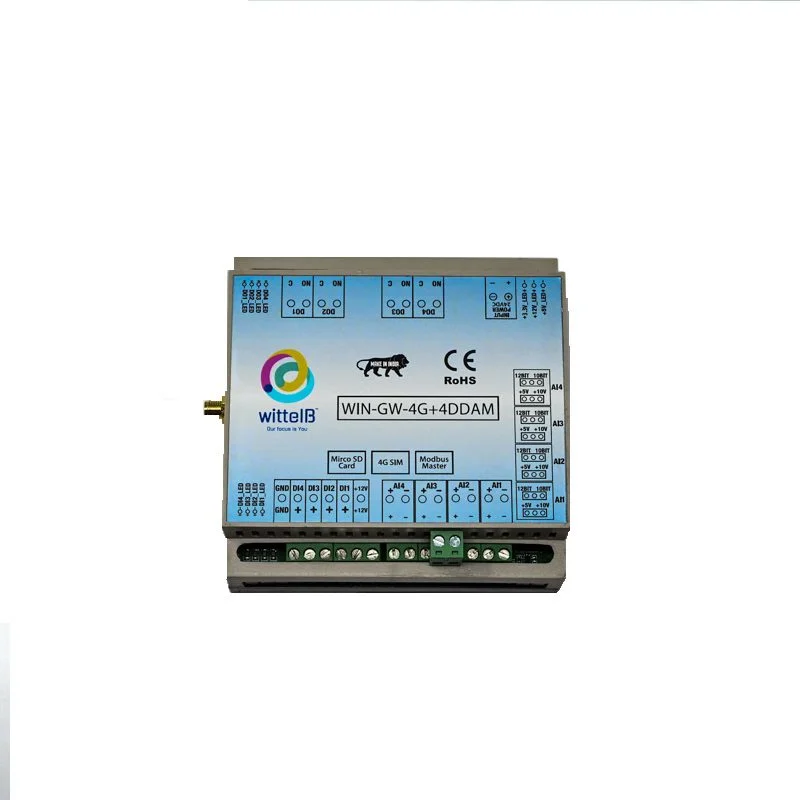
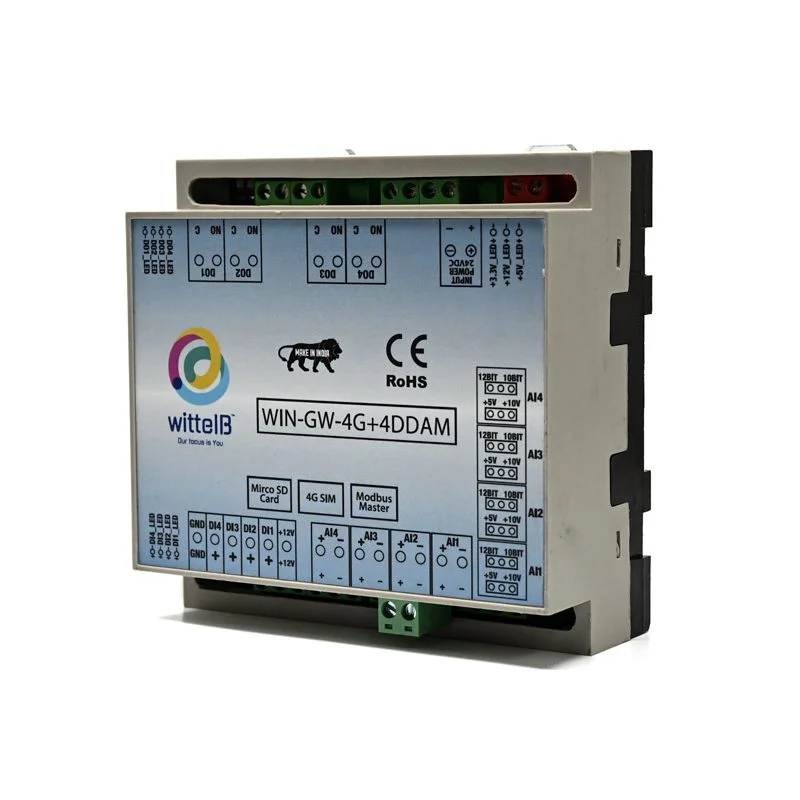
SKU: IOWC-1504
📋 GST Invoice Available

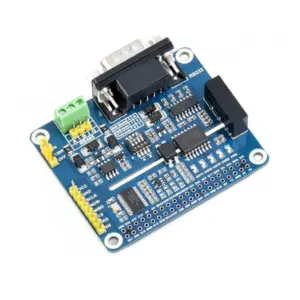
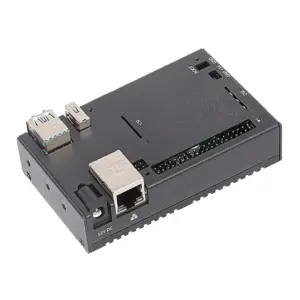
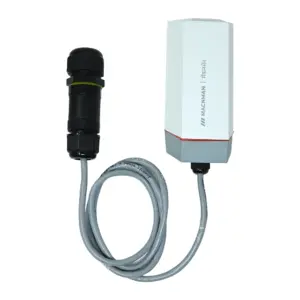
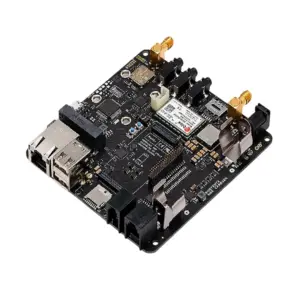
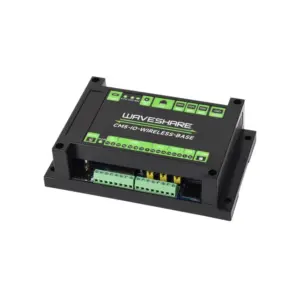
Wittelb RS485 to 4G MQTT IoT Gateway w/ Built-in IO

₹11,668.00 (Inclusive of all taxes)
Out of Stock

The Wittelb RS485 to 4G MQTT IoT Gateway is an industrial-grade cellular router that bridges Modbus RS485 devices to cloud platforms via 4G LTE, featuring built-in digital/analog I/O, GPS, and local event logging for remote monitoring and control applications.

Features

  • 4G LTE & MQTT Cloud Connectivity: Provides reliable, high-speed cellular internet access for remote data transmission to cloud servers using the lightweight MQTT protocol for efficient IoT communication.
  • Industrial Modbus RS485 Interface: Connects up to 31 industrial devices, sensors, or PLCs, enabling seamless integration of legacy serial equipment into modern IoT networks.
  • Built-in Digital & Analog I/O Ports: Offers customizable input/output channels for direct sensor connection, actuator control, or status monitoring without additional hardware.
  • Integrated GPS & Local Event Storage: Provides precise location tracking for mobile assets and includes onboard storage for up to 50,000 events, expandable via microSD card for data buffering during network outages.
  • Wide Voltage Input & Web UI: Supports 15-40 VDC power input for flexible industrial deployment and features an intuitive web-based interface for easy configuration, management, and real-time monitoring.

Out of stock

Description

The Wittelb RS485 to 4G MQTT IoT Gateway is a robust cellular networking device engineered for industrial telemetry and remote asset management. It acts as a critical bridge, converting serial Modbus RTU/ASCII data from RS485 networks into IP-based packets transmitted securely over 4G LTE cellular networks. This enables real-time monitoring and control of distributed equipment, sensors, and PLCs from a centralized cloud dashboard or SCADA system.

Built for harsh environments, the gateway operates across a wide temperature range and accepts a broad 15-40 VDC input, making it suitable for installation in electrical cabinets, vehicles, or remote field sites. Its integrated GPS module provides essential geolocation data for fleet management and mobile asset tracking, while the onboard I/O ports allow for direct connection to digital sensors or control of relays, adding significant local intelligence and reducing system complexity.

Key Features

  • Industrial Cellular Router: Transforms RS485 serial networks into cloud-connected IoT endpoints using reliable 4G LTE Cat 1 or Cat 4 connectivity.
  • MQTT Protocol Optimized: Utilizes the publish-subscribe MQTT protocol for efficient, bidirectional communication with cloud platforms like AWS IoT, Azure IoT Hub, or private brokers.
  • Modbus Gateway Functionality: Acts as a Modbus TCP/RTU gateway, allowing SCADA systems and HMI software to communicate with remote serial devices over IP networks.
  • Local Data Logging & Buffering: Stores critical event data locally (up to 50,000 events) to prevent data loss during cellular signal dropouts, with optional microSD expansion.
  • Integrated GPS for Asset Tracking: Embeds a high-sensitivity GPS receiver to provide timestamped location data for logistics, fleet management, and mobile equipment.
  • Configurable Digital/Analog I/O: Features programmable input and output ports for monitoring dry contacts, analog sensors (0-10V/4-20mA), or controlling external devices.
  • Web-Based Configuration Portal: Offers an easy-to-use web interface for network setup, Modbus mapping, I/O configuration, and real-time status monitoring without proprietary software.
  • Robust Industrial Design: Constructed with metal or high-grade plastic housing for durability in industrial settings, supporting wide-temperature operation.

Applications

  • Industrial Remote Monitoring (IIoT): Connects remote PLCs, flow meters, power monitors, and environmental sensors in oil & gas, water/wastewater, and manufacturing plants to central SCADA systems.
  • Smart Agriculture & Irrigation Control: Enables wireless control of irrigation pumps and monitoring of soil moisture sensors across large, cellular-covered farmlands.
  • Fleet & Asset Tracking: Provides real-time GPS location and sensor data (door status, temperature) for logistics containers, construction equipment, and service vehicles.
  • Renewable Energy Management: Facilitates remote data collection from solar inverters, wind turbines, and battery storage systems via Modbus for performance analytics.
  • Smart City Infrastructure: Monitors and controls street lighting, waste management sensors, and parking guidance systems over a secure cellular backhaul.

Technical Specifications

KeyValue
Device TypeIoT Gateway / Cellular Router
Wireless Connectivity4G LTE (Cat 1/Cat 4), 3G/2G Fallback
Cloud ProtocolMQTT (Publish-Subscribe), HTTP/HTTPS
Serial InterfaceModbus RS485 (Supports up to 31 devices)
Local I/ODigital & Analog Input/Output Ports
Location TechnologyIntegrated GPS Receiver
StorageOnboard for 50,000 events, microSD Card Slot
SIM CardMicro-SIM (3FF)
Supply Voltage15 - 40 VDC
Operating Temperature0°C to +60°C
Storage Temperature-20°C to +70°C
Storage Humidity5% to 95% RH (Non-condensing)
Dimensions (LxWxH)110 mm (L) x N/A x N/A
Configuration InterfaceWeb-based User Interface (Web UI)

Frequently Asked Questions

How do I configure the Modbus RTU settings and map data points to MQTT topics on this gateway?

Access the gateway's web interface via its default IP address. Navigate to the 'Modbus' configuration section to set the baud rate (9600-115200), parity, data bits, and stop bits to match your slave devices. Then, use the 'Data Point' or 'MQTT Mapping' menu to define each register address (e.g., 40001), data type (INT16, FLOAT), and assign a unique MQTT publish topic. The gateway will poll the devices and publish JSON payloads to your broker accordingly.

What is the power requirement and typical operating current for this 4G IoT gateway?

The gateway requires a 15-40 VDC power supply, typical for 24V industrial systems. The operating current varies with cellular network activity and GPS usage, but expect an average current draw of 100-200mA during active 4G data transmission. Ensure your power source can provide stable voltage within the specified range, especially in vehicular applications where voltage spikes may occur. Using a regulated DC-DC converter is recommended for noisy electrical environments.

Can I use this gateway to buffer data locally if the 4G cellular signal is lost, and how is it retrieved?

Yes, the gateway stores up to 50,000 timestamped events in its internal flash memory. Configure event triggers based on I/O changes, Modbus register values, or scheduled reads. When the 4G connection is restored, the gateway automatically transmits the buffered data to the configured MQTT broker or cloud server in chronological order. You can also insert a microSD card for expanded storage capacity, ensuring no critical telemetry data is lost during extended network outages.

How do I integrate the built-in digital I/O and analog inputs with my cloud application?

Configure the I/O ports via the web UI, setting each pin as a digital input (dry contact sensing), digital output (relay control), or analog input (0-10V/4-20mA reading). Assign each configured channel a unique MQTT topic. The gateway will publish state changes or sampled values to these topics. Your cloud application subscribes to these topics to monitor inputs. To control an output, publish a message (e.g., '1' or 'ON') to the corresponding command topic from your MQTT client or cloud backend.

Package Includes

  • 1 x Wittelb RS485 to 4G MQTT IoT Gateway with Built-in IO

Additional Information

Weight 0.267 kg
Dimensions 24 × 17 × 6 cm