SKU: IOWC-0929
📋 GST Invoice Available

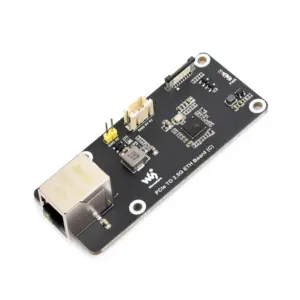
Waveshare ESP32-P4-ETH Development Board with 100Mbps RJ45 Ethernet

₹1,769.00 (Inclusive of all taxes)
Out of Stock

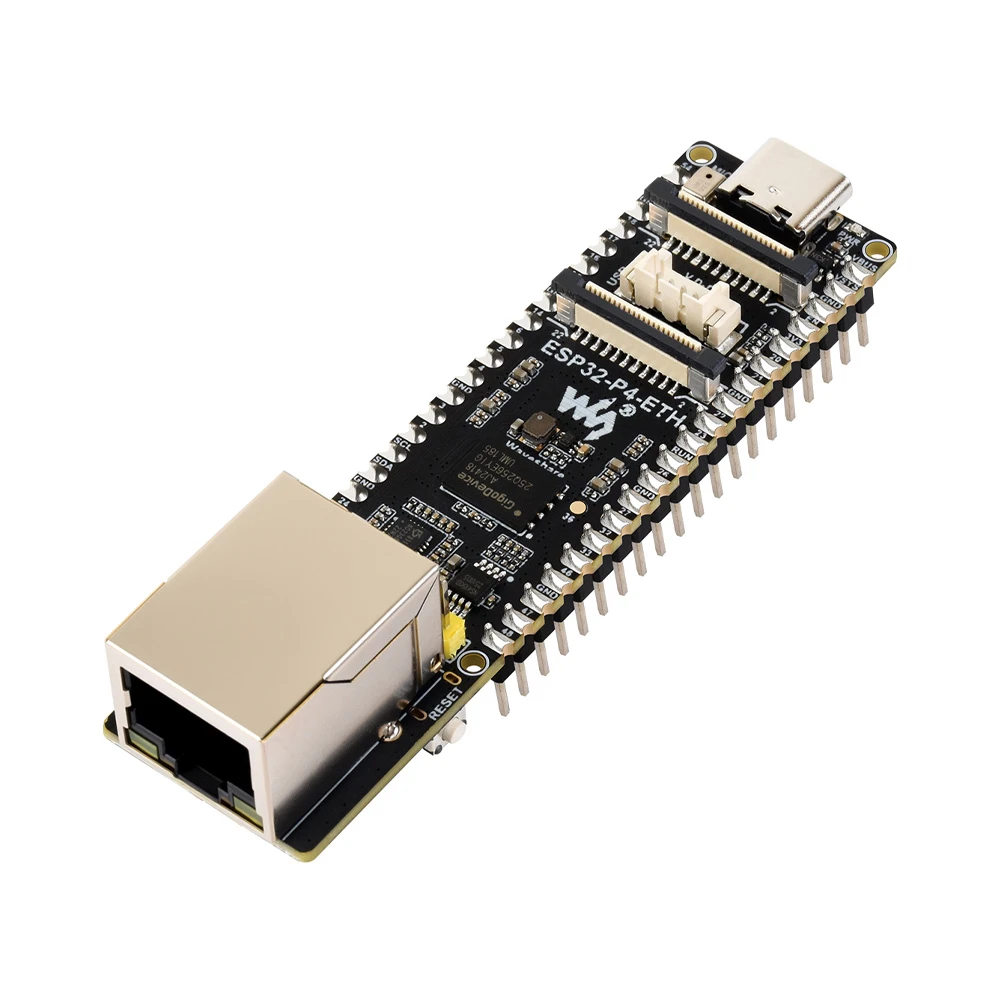
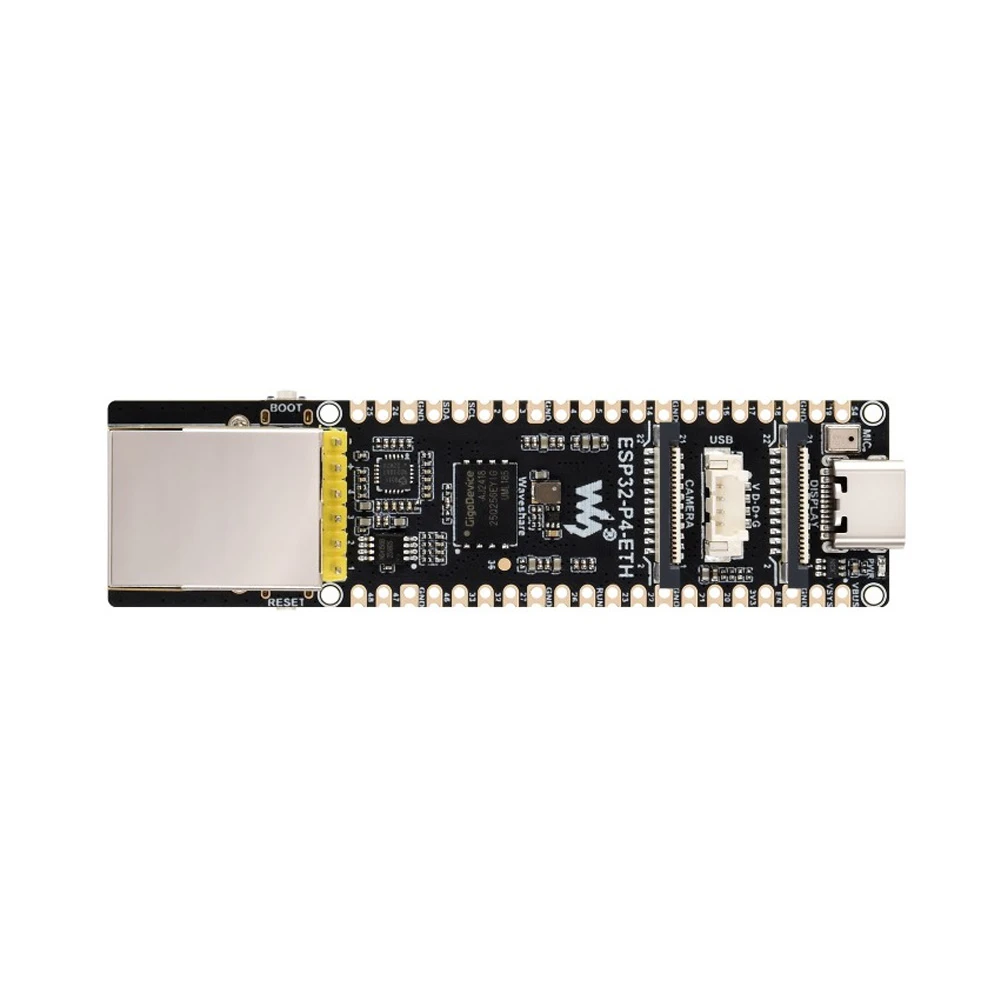
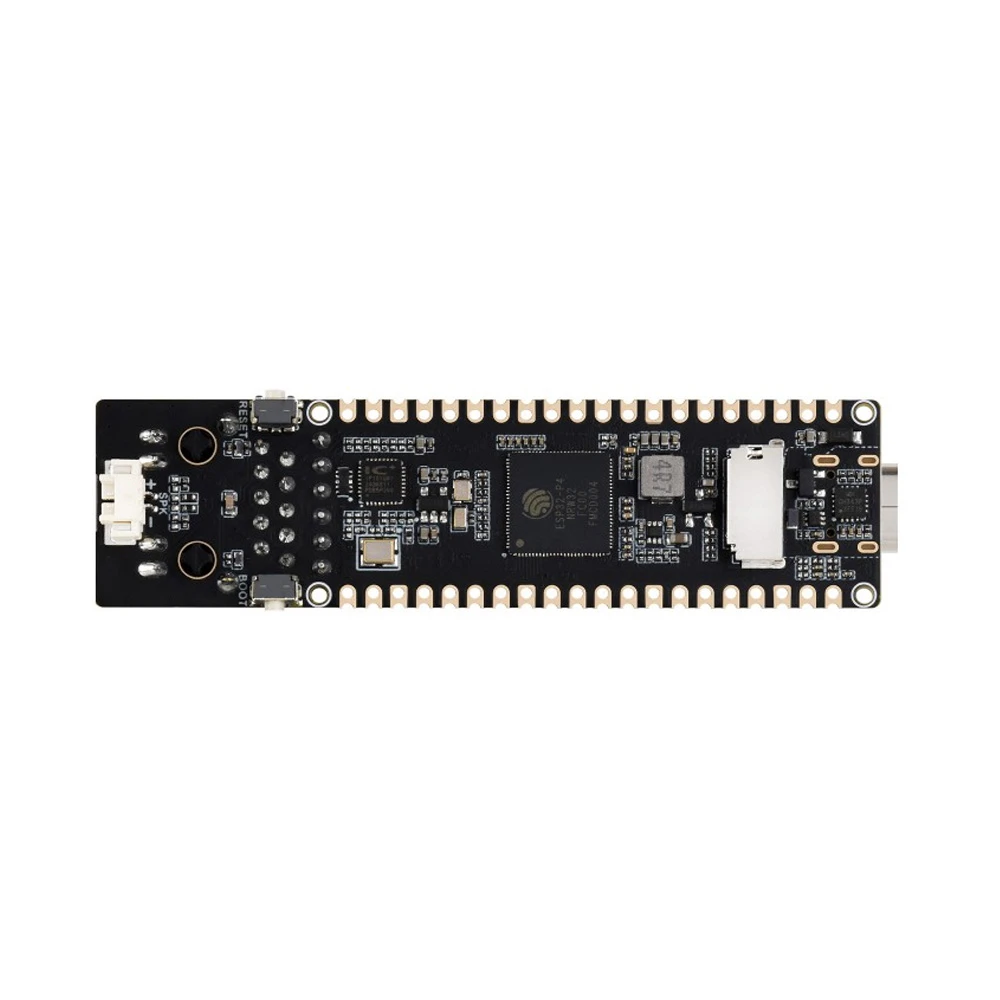
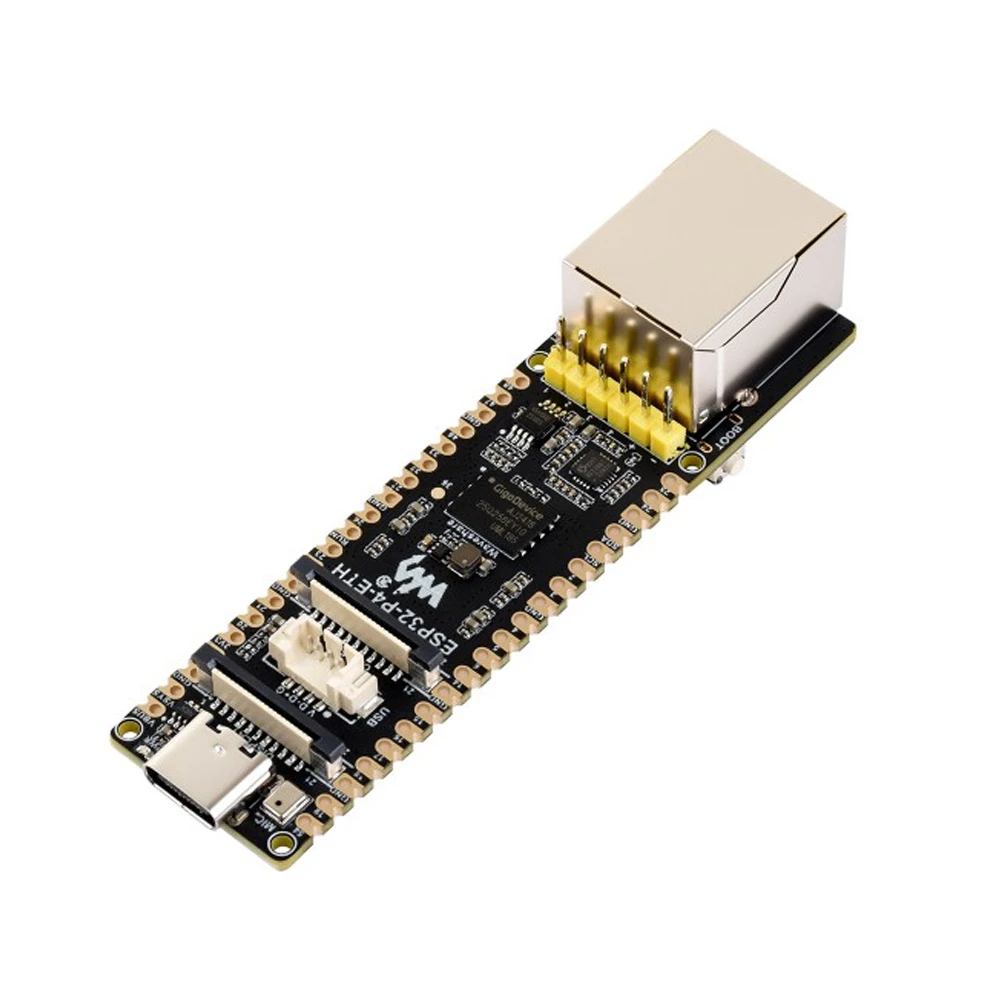
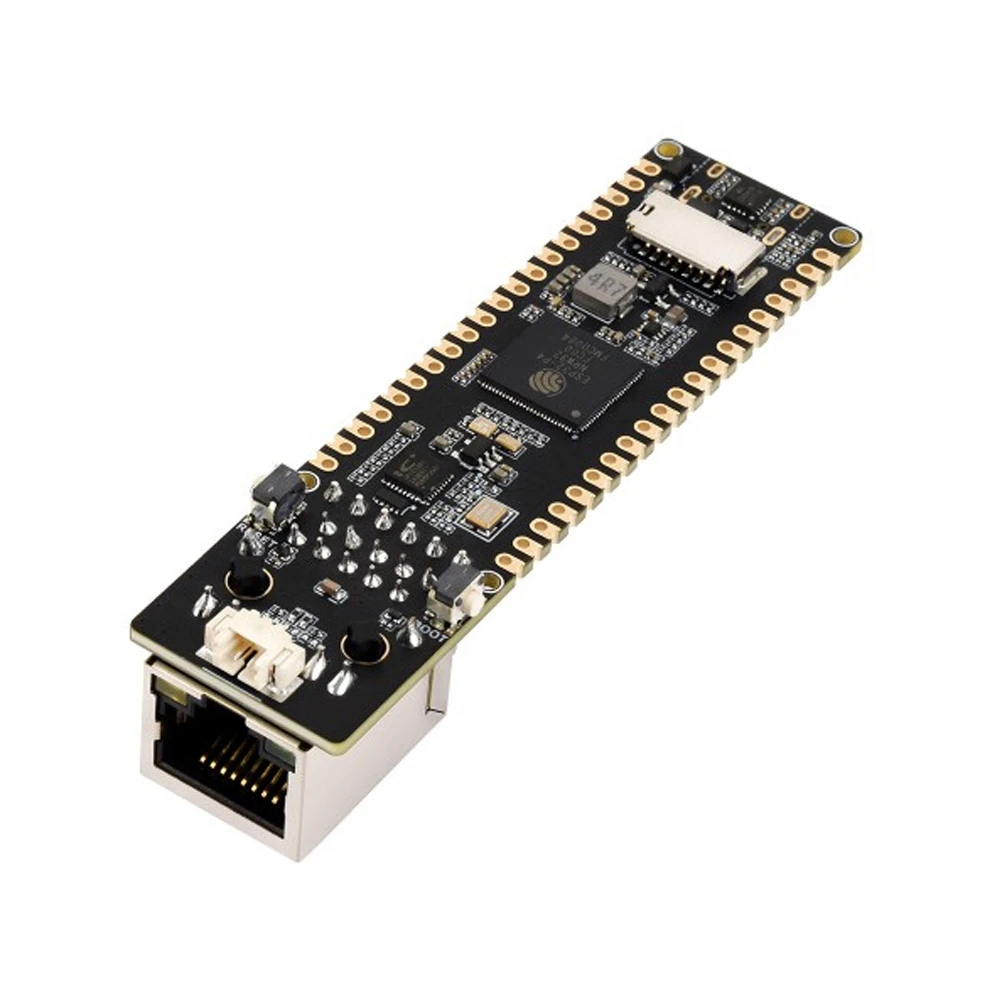
The Waveshare ESP32-P4-ETH is a high-performance multimedia development board powered by a dual-core RISC-V ESP32-P4 MCU, featuring onboard 32MB PSRAM, 32MB Flash, and a 100Mbps RJ45 Ethernet port for robust wired IoT connectivity and edge computing applications.

Features

  • Dual-core RISC-V ESP32-P4 MCU delivers high-performance edge computing and secure processing for multimedia and HMI applications.
  • Integrated 100 Mbps RJ45 Ethernet port provides reliable, high-speed wired network connectivity for industrial IoT and data-intensive tasks.
  • Onboard 32MB PSRAM and 32MB NOR Flash enable smooth handling of complex data, image processing, and large application firmware.
  • Rich multimedia interfaces include MIPI-CSI for camera input and MIPI-DSI for display output, supported by an ISP, JPEG codec, and H.264 encoder.
  • Comprehensive peripheral set with USB 2.0 OTG, SDIO, SPI, I2C, and GPIO headers compatible with Raspberry Pi Pico HATs for easy system expansion.

Out of stock

Description

The Waveshare ESP32-P4-ETH Development Board is engineered as a versatile platform for advanced embedded systems requiring substantial processing power and reliable connectivity. At its core is the Espressif ESP32-P4, a dual-core RISC-V microcontroller designed for efficient edge computing and enhanced security features like Secure Boot and Flash Encryption. The inclusion of a dedicated 100 Mbps Ethernet PHY and RJ45 port ensures stable, high-bandwidth network communication, making it ideal for applications where Wi-Fi reliability is a concern.

This board is equipped with substantial memory resources, including 32MB of PSRAM for dynamic data handling and 32MB of NOR Flash for program storage, facilitating complex multimedia processing and machine learning tasks. Its extensive I/O capabilities, highlighted by MIPI-CSI and MIPI-DSI interfaces, allow direct connection to high-resolution cameras and displays, supported by an integrated Image Signal Processor (ISP) and hardware video codecs. The 5V DC power input and comprehensive set of communication protocols (SPI, I2C, I2S, UART, ADC, PWM) provide a solid foundation for building scalable human-machine interface (HMI) systems, industrial gateways, and multimedia edge devices.

Key Features

  • High-performance dual-core RISC-V ESP32-P4 microcontroller for efficient edge AI and secure processing workloads.
  • Dedicated 100 Mbps Ethernet connectivity ensures reliable, low-latency network communication for industrial and data-heavy IoT applications.
  • Advanced multimedia subsystem with MIPI-CSI camera interface, MIPI-DSI display output, hardware JPEG codec, and H.264 video encoder.
  • Ample memory configuration with 32MB PSRAM for data buffers and 32MB NOR Flash for application and filesystem storage.
  • USB 2.0 OTG High-Speed port enables device/host functionality for peripherals and firmware programming.
  • Comprehensive security suite including Secure Boot, Flash Encryption, and True Random Number Generator (TRNG) for robust system protection.
  • Expansive GPIO header with Raspberry Pi Pico-compatible pinout for easy attachment of HATs and peripheral modules.
  • Wide range of supported interfaces: SPI, I2C, I2S, UART, TWAI, ADC, PWM, SDIO 3.0 for TF card, and audio headers.

Applications

  • Industrial Human-Machine Interfaces (HMI) and control panels with Ethernet connectivity.
  • Edge computing nodes for video analytics, machine vision, and AI inference processing.
  • Multimedia streaming devices, digital signage, and smart display systems.
  • Ethernet-based IoT gateways for sensor aggregation and protocol conversion.
  • Educational and development platforms for advanced RISC-V and Espressif ESP32-P4 ecosystem exploration.

Technical Specifications

Microcontroller/SoCESP32-P4 (Dual-core RISC-V 32-bit)
Wireless ProtocolsN/A (Wired Ethernet Focus)
Ethernet100 Mbps RJ45 Port
PSRAM32 MB
Flash Memory32 MB NOR Flash
Supply Voltage5V DC
USB InterfaceUSB 2.0 OTG High-Speed
Camera InterfaceMIPI-CSI with ISP
Display InterfaceMIPI-DSI
Multimedia CodecsJPEG, H.264 Encoder
Audio InterfaceI2S (Mic & Speaker headers)
Storage ExpansionSDIO 3.0 (TF Card)
GPIO & Headers2x20-pin header, ~27 programmable GPIOs
Communication InterfacesSPI, I2C, I2S, UART, TWAI, ADC, PWM
Dimensions78 x 21 mm
Weight15 g

Frequently Asked Questions

How do I power the ESP32-P4-ETH board and what are the power requirements?

The board requires a stable 5V DC power supply connected via the dedicated DC jack or the 5V pin on the GPIO header. Ensure your power source can provide sufficient current for connected peripherals like cameras or displays, as the board itself has a low operating current typical of ESP32 chips. Using a high-quality 5V/2A adapter is recommended for development with all features active.

What development frameworks are supported for programming this board?

You can develop for the ESP32-P4-ETH using the official Espressif IoT Development Framework (ESP-IDF) which provides full access to hardware features. Support in the Arduino Core for ESP32 is expected as the ESP32-P4 ecosystem matures. PlatformIO is also a viable option. Begin by installing the latest ESP-IDF, selecting the ESP32-P4 target, and connecting via the USB port for serial communication and flashing.

How do I connect a camera and display using the MIPI interfaces?

Connect a compatible MIPI-CSI camera module to the dedicated FPC connector, ensuring the cable is seated correctly. For displays, use a MIPI-DSI compatible screen. You must then configure the ISP and display drivers within your ESP-IDF project. Example code for initializing the camera pipeline and setting display parameters is provided in the ESP-IDF examples. Remember to account for the higher power draw when both peripherals are active.

Can I use the Ethernet port simultaneously with other communication interfaces?

Yes, the Ethernet peripheral operates independently on the ESP32-P4. You can run a web server or MQTT client over Ethernet while using SPI, I2C, or UART to communicate with sensors. The board's dual-core architecture helps manage these concurrent tasks efficiently. Configure the Ethernet using the ESP-IDF's network stack (lwIP) and assign a static IP or use DHCP as required by your network.

Package Includes

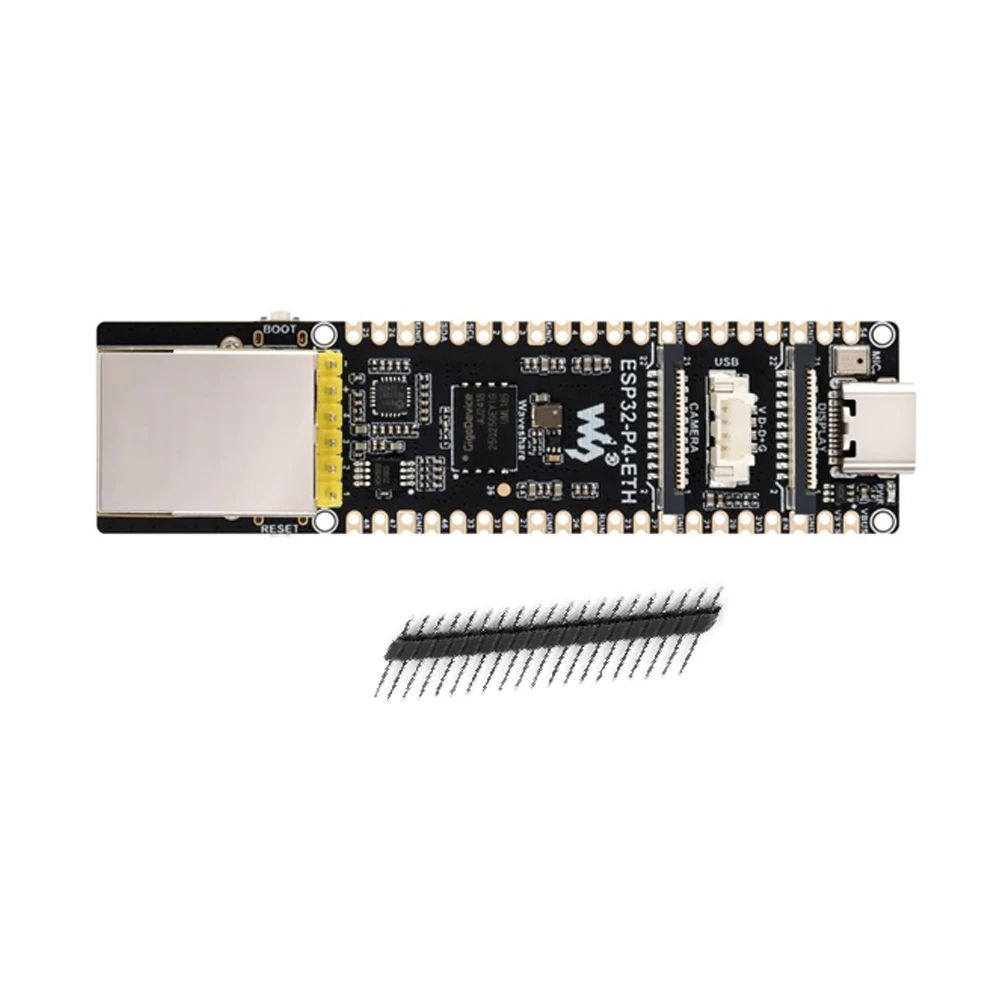
  • 1 x Waveshare ESP32-P4-ETH Development Board (without pre-soldered headers)
  • 2 x 20-pin Headers

Additional Information

Weight 0.03 kg
Dimensions 2.1 × 7.8 cm