SKU: IOWC-1207
📋 GST Invoice Available

RAKwireless WisTrio NB-IoT Tracker Pro RAK5010/BG95-M3 Module Kit

₹7,839.00 (Inclusive of all taxes)
Out of Stock

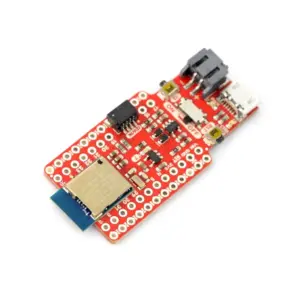
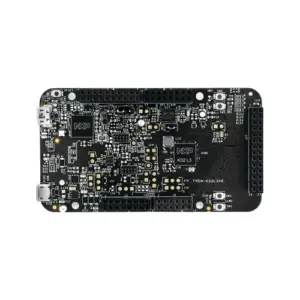
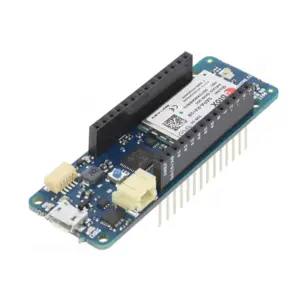
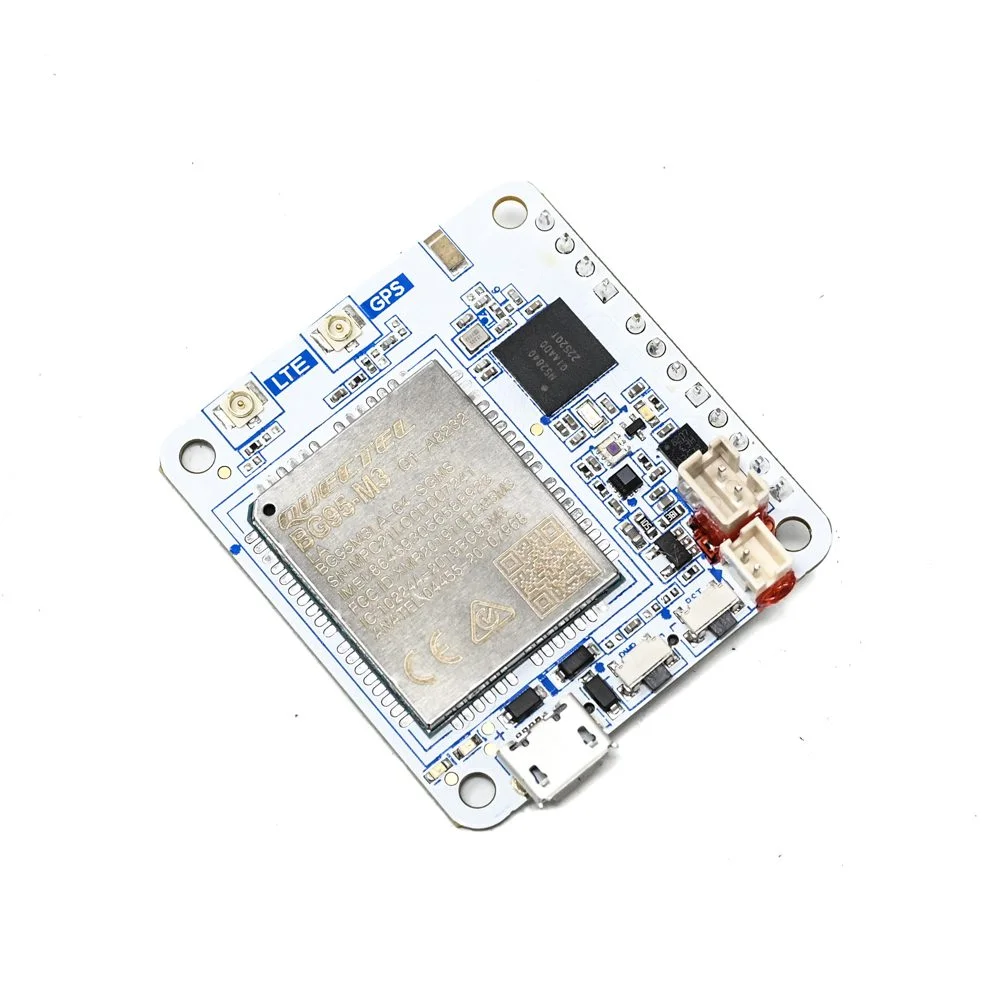
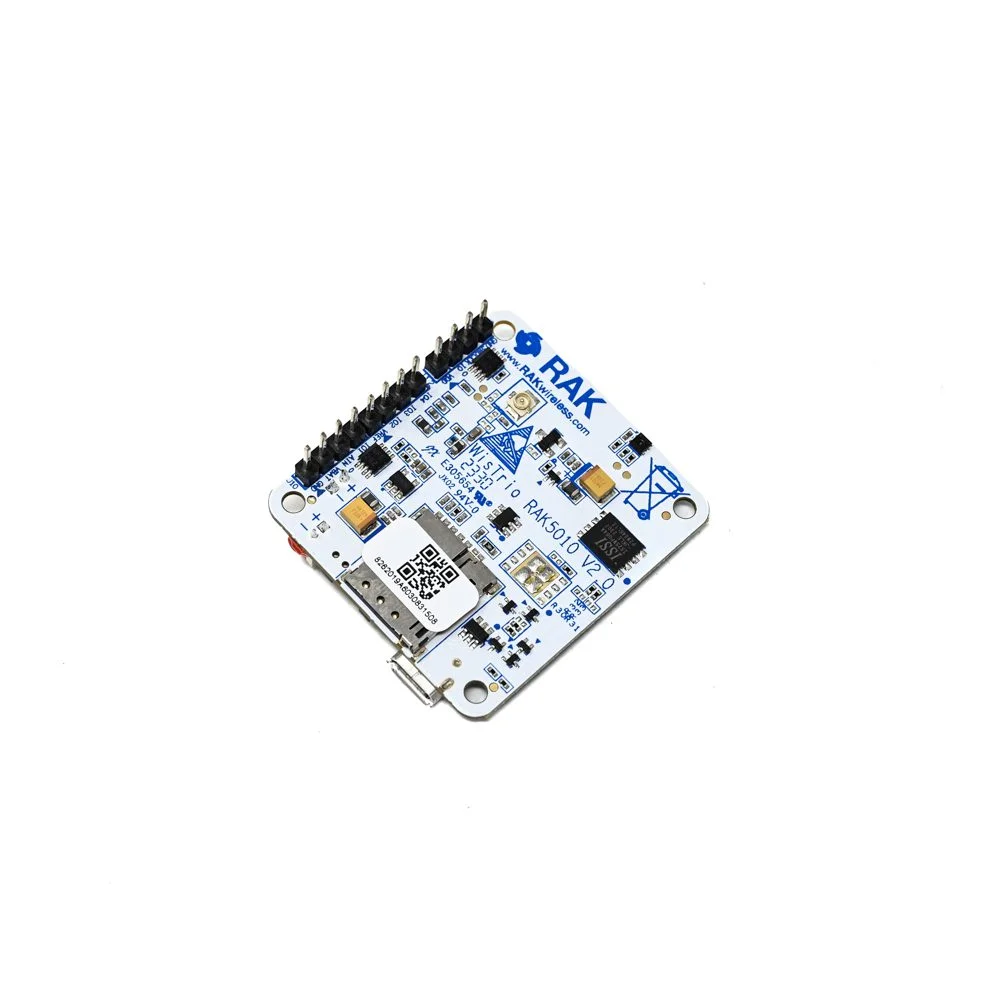
The RAKwireless WisTrio NB-IoT Tracker Pro (RAK5010/BG95-M3) is a compact, multi-radio development kit featuring Quectel BG95-M3 for LTE CAT M1/NB2 & GNSS, BLE 5.0, and an ARM Cortex-M4 MCU, designed for ultra-low-power asset tracking and IoT sensor nodes.

Features

  • Multi-Radio Connectivity: Integrates Quectel BG95-M3 for global LTE CAT M1/NB2 and GNSS positioning, plus BLE 5.0 for short-range device pairing and configuration.
  • Ultra-Low-Power ARM Core: Powered by a 64 MHz ARM Cortex-M4 microcontroller, optimized for extended battery life in remote tracking applications.
  • Comprehensive Sensor & I/O Suite: Provides I2C, UART, GPIO, and ADC interfaces for connecting external sensors like accelerometers, temperature probes, or environmental monitors.
  • Dual SIM Flexibility: Supports both nano-SIM and integrated eSIM for flexible, global cellular network deployment and management.
  • Developer-Ready Form Factor: Ships as a complete module kit with pre-integrated radios, simplifying prototyping for asset tracking, smart logistics, and industrial telemetry.

Out of stock

Description

The RAK5010 WisTrio NB-IoT Tracker Pro is a professional-grade IoT module engineered for reliable, long-range connectivity in battery-operated tracking and monitoring solutions. Its core is the Quectel BG95-M3, a global LTE CAT M1 and NB2 (NB-IoT) modem with integrated GNSS, ensuring secure data transmission and precise location reporting even in challenging signal environments. The module’s ARM Cortex-M4 processor manages communication protocols and sensor data with high efficiency, enabling complex application logic while maintaining minimal power draw.

Designed for seamless system integration, the RAK5010 offers a standard set of industrial interfaces including UART for AT command control, I2C for sensor expansion, and configurable GPIOs. Its support for both physical nano-SIM and embedded eSIM (eUICC) provides deployment flexibility for global IoT projects. The integrated BLE 5.0 radio facilitates local configuration, firmware updates, and direct communication with peripheral devices, creating a hybrid cellular/BLE network node ideal for smart city infrastructure, agricultural telemetry, and cold chain logistics.

Key Features

  • Global Cellular & GNSS Combo: Quectel BG95-M3 module delivers LTE CAT M1, NB2 (NB-IoT), and multi-constellation GNSS (GPS/GLONASS/BeiDou/Galileo) in a single package.
  • Hybrid Wireless Architecture: Combines low-power, wide-area NB-IoT for data uplink with BLE 5.0 for local device interaction and long-range Bluetooth peripherals.
  • Extended Battery Life Design: ARM Cortex-M4 MCU and optimized RF power management enable years of operation from a single battery charge in deep-sleep modes.
  • Robust Connectivity Options: Features UART (for AT commands), I2C, multiple GPIOs, and ADC inputs for connecting a wide array of external sensors and actuators.
  • Deployment-Ready Form Factor: Compact module design simplifies embedding into end-products for asset tracking, environmental monitoring, and smart meter applications.
  • Secure & Flexible Provisioning: Supports nano-SIM and eSIM technology, allowing for secure over-the-air (OTA) profile switching and carrier management.

Applications

  • Asset & Fleet Tracking: Real-time location monitoring for logistics containers, vehicles, and high-value equipment using cellular and GNSS.
  • Smart Agriculture & Environmental Monitoring: Remote soil moisture, temperature, and weather station data collection with NB-IoT backhaul.
  • Industrial IoT (IIoT) Telemetry: Monitoring of distributed industrial assets, tanks, and machinery with sensor data sent via LTE-M.
  • Smart City Infrastructure: Deploying connected parking sensors, waste management monitors, and utility metering nodes.

Technical Specifications

Microcontroller/SoCARM Cortex-M4 (64 MHz)
Wireless ProtocolsLTE CAT M1, NB2 (NB-IoT), BLE 5.0, GNSS
Cellular ModuleQuectel BG95-M3
Supply Voltage3.7V to 5V
InterfacesI2C, UART, GPIO, ADC
SIM Supportnano-SIM, eSIM (eUICC)
Operating TemperatureStandard Industrial Range (Typical -40°C to +85°C)
Dimensions (Shipping)150mm x 100mm x 30mm

Frequently Asked Questions

How do I program the ARM Cortex-M4 microcontroller on the RAK5010?

The RAK5010 is typically programmed using the RUI3 (RAKwireless Unified Interface) API within the Arduino IDE. You can install the RAKwireless Arduino BSP, select the RAK5010 board, and develop applications in C/C++ to manage cellular connectivity, BLE, and sensor data. The RUI3 abstraction layer simplifies AT command handling for the BG95-M3 modem and BLE stack configuration.

What power supply is required, and what is the typical operating current?

The module operates from a 3.7V to 5V input, commonly supplied by a 3.7V Li-ion battery. Current consumption varies by mode: peak transmit currents can reach ~300mA during cellular transmission, while deep sleep with BLE and cellular radios disabled can draw as low as 5-10µA. For long battery life, design your firmware to maximize time in PSM (Power Saving Mode) of the BG95 module.

How do I configure the BG95-M3 modem for LTE CAT M1 or NB-IoT networks?

Network mode is configured via standard AT commands sent over the primary UART interface. Use AT+QCFG="nwscanmode" to set preference for CAT-M, NB-IoT, or both. You must also configure the APN for your cellular provider. The RUI3 framework provides wrapper functions (e.g., api.cellular.attach()) to handle these commands, simplifying the network registration and data connection process.

Can I use both the nano-SIM and eSIM simultaneously on the RAK5010?

No, the BG95-M3 modem supports a single active SIM profile at a time. You can physically install a nano-SIM or use the integrated eSIM, but they cannot be active concurrently. Switching between them requires a power cycle and reconfiguration via AT commands (AT+QCFG="ims" for eSIM selection). The eSIM is managed remotely by your IoT connectivity platform for OTA profile provisioning.

What interfaces are available for connecting external sensors?

The board exposes several interfaces: a primary UART for debug/AT commands, a secondary UART, an I2C port for sensors like accelerometers or environmental chips, multiple GPIOs for digital input/output, and ADC pins for analog sensing. The specific pin mapping is detailed in the RAK5010 schematic and RUI3 pin definition header files. I2C sensors are commonly used for tracking-related data like motion or temperature.

Package Includes

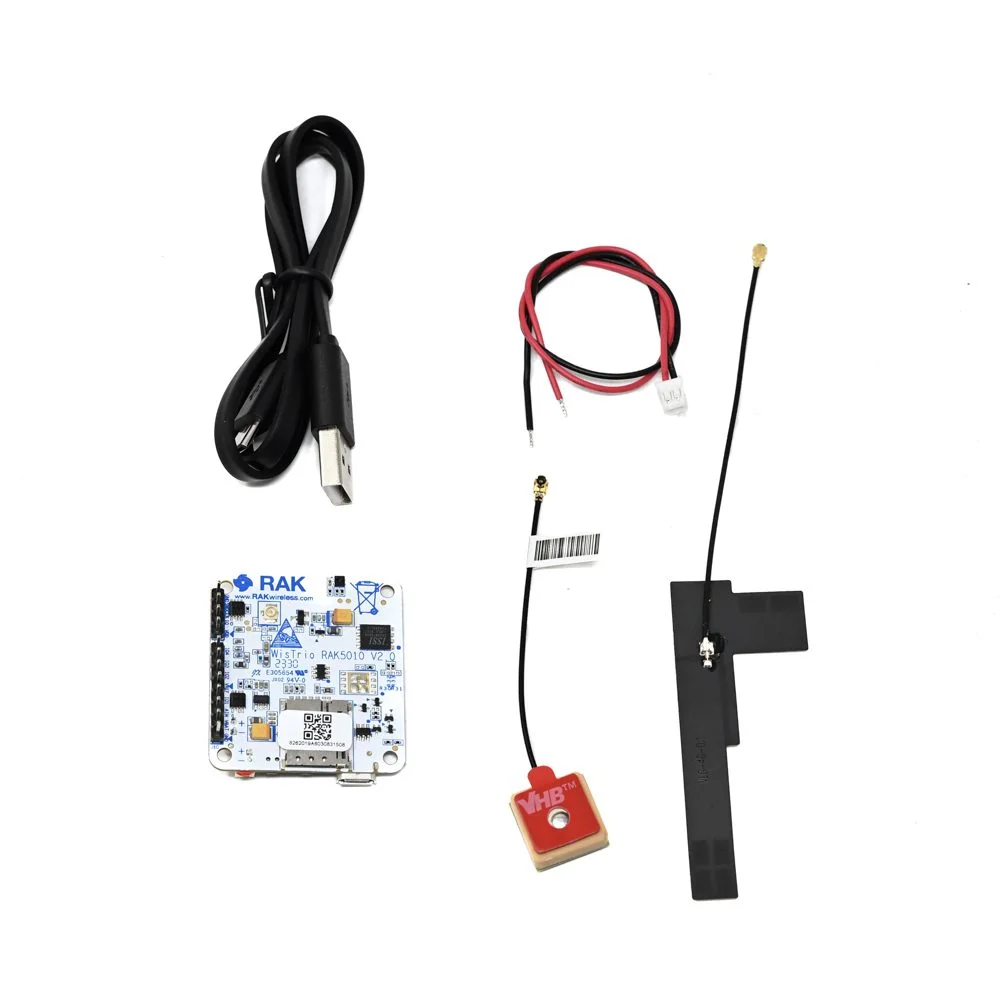
  • 1 x RAKwireless WisTrio NB-IoT Tracker Pro Module (RAK5010 with BG95-M3)

Additional Information

Weight 0.032 kg
Dimensions 10 × 15 × 3 cm