SKU: IOWC-1075
📋 GST Invoice Available

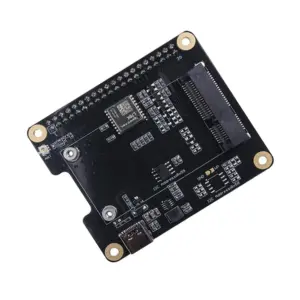
RAKwireless WisBlock Dual IO Base Board RAK19001

₹1,759.00 (Inclusive of all taxes)
Out of Stock

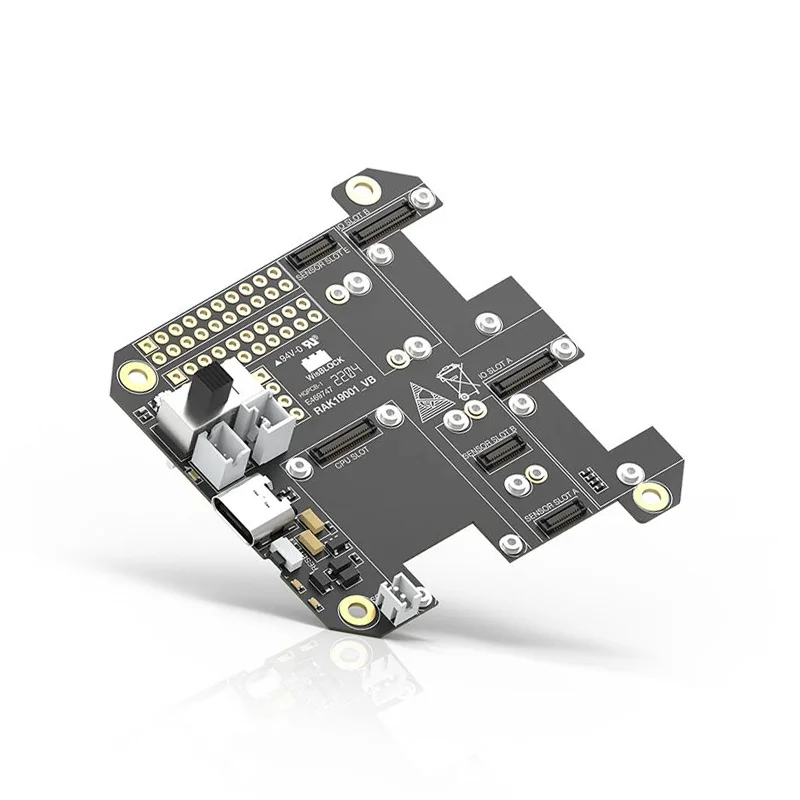
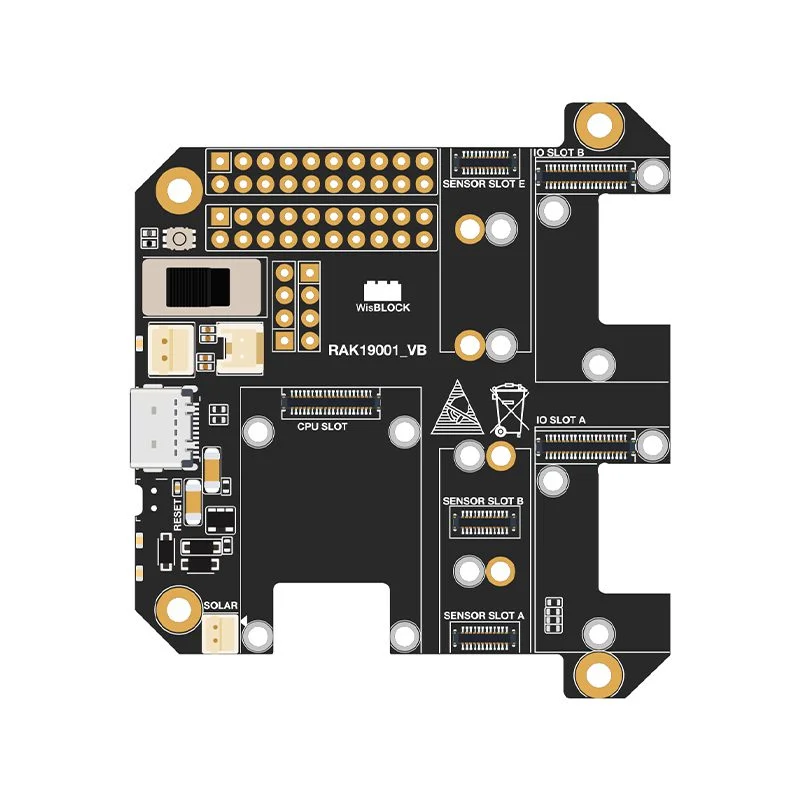
The RAK19001 WisBlock Dual IO Base Board is a modular foundation for scalable IoT nodes, designed to host WisBlock Core MCU modules and a wide array of sensor and IO modules via its dual IO and six sensor slots, supporting I2C, SPI, UART, USB, and flexible power sources including solar.

Features

  • Modular WisBlock Architecture: Features 2 dedicated IO slots and 6 sensor slots for connecting RAK’s extensive ecosystem of LoRa, cellular, GNSS, and sensor modules, enabling rapid prototyping and deployment.
  • Comprehensive GPIO & Interface Exposure: Provides full header access to all core module GPIO pins alongside standard communication buses (I2C, SPI, UART) and USB for seamless peripheral integration.
  • Flexible Power Management System: Supports 5V USB input, 3.7V rechargeable Li-ion batteries, and 3.3-5.5V primary cells, with an integrated solar panel connector for autonomous, energy-harvesting applications.
  • Enhanced System Control: Includes a user-programmable push button and a physical On/Off slide switch for direct power control and customizable user interaction in field deployments.

Out of stock

Description

The RAK19001 WisBlock Dual IO Base Board serves as the structural and electrical backbone for constructing sophisticated, low-power IoT endpoints. Its design centralizes around the WisBlock Core module slot, which houses the system’s microcontroller and wireless transceiver (e.g., LoRa, BLE, Wi-Fi). The board’s dual IO slots are engineered for high-pin-count modules like additional communication interfaces or displays, while the six sensor slots accommodate compact environmental, inertial, or specialized sensing modules, all connected via reliable, high-speed board-to-board connectors.

Power architecture is a key focus, offering multiple input paths to suit different deployment scenarios—from USB-powered bench testing to battery-operated remote sensors augmented by solar panels. The inclusion of a solar connector directly facilitates off-grid, maintenance-free operation. The compact 60mm x 67mm footprint and thoughtful layout of headers and switches make it an ideal platform for building scalable solutions in smart agriculture, industrial telemetry, and environmental monitoring, where reliability and modularity are paramount.

Key Features

  • Modular Expansion Platform: Hosts a WisBlock Core and up to 8 additional modules (2 IO, 6 Sensor) for creating highly customized wireless sensor nodes.
  • Full Pin Accessibility: All GPIO, ADC, PWM, and communication pins from the core module are broken out to standard 2.54mm headers for external circuitry and prototyping.
  • Multi-Protocol Communication Backbone: Integrates I2C, SPI, and UART buses across all module slots, standardizing data exchange between sensors, displays, and the core processor.
  • Versatile Power Supply Options: Accommodates USB 5V, 3.7V Li-ion/Polymer rechargeable batteries, and 3.3V-5.5V non-rechargeable battery packs with automatic power path management.
  • Energy Harvesting Ready: Dedicated two-pin solar panel connector with charging circuitry enables perpetual operation for remote, solar-capable installations.
  • User Interface & Control: Equipped with a programmable tactile button for user input and a mechanical slide switch for complete system power cycling and battery management.

Applications

  • Modular IoT Sensor Nodes: Foundation for building custom LoRaWAN, BLE, or cellular sensor nodes for environmental monitoring (air quality, soil moisture, temperature).
  • Smart Agriculture & Precision Farming: Enables scalable deployment of wireless sensor networks for irrigation control, livestock tracking, and greenhouse automation.
  • Industrial Telemetry & Condition Monitoring: Serves as a base for IIoT gateways and data loggers collecting data from machinery via attached sensor modules (vibration, pressure, analog inputs).
  • Remote Asset Tracking: Combined with a WisBlock GNSS module and cellular/LoRa core, creates a compact, power-efficient tracker for vehicles, containers, or high-value equipment.
  • Energy-Harvesting Deployments: Ideal for off-grid, solar-powered applications like remote weather stations, perimeter security sensors, or wildlife monitoring where battery replacement is impractical.

Technical Specifications

Item TypeWisBlock Base Board
Model NumberRAK19001
Input Voltage Range3.3V to 5.5V (Battery), 5V (USB)
Communication InterfacesI2C, SPI, UART, USB
Expansion Slots2 x IO Slots, 6 x Sensor Slots
User Interface1 x Programmable Push Button, 1 x On/Off Slide Switch
Special ConnectorsSolar Panel Input, Battery Connector
Board Dimensions60mm x 67mm (Approx.)

Frequently Asked Questions

What WisBlock Core modules are compatible with the RAK19001 base board?

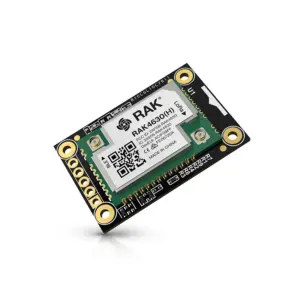
The RAK19001 is designed to host any WisBlock Core module, such as the RAK4631 (nRF52840 + SX1262 LoRa), RAK3172 (STM32WL LoRa), or RAK11300 (RP2040 + SX1262). Ensure the core module's pinout aligns with the baseboard's high-speed connector. Compatibility is maintained across the WisBlock ecosystem, allowing you to swap cores for different wireless protocols (LoRa, BLE, Wi-Fi) without redesigning your sensor periphery.

How do I power my IoT node using the solar panel connector?

Connect a 5-6V solar panel to the dedicated two-pin connector on the RAK19001. The board's internal circuitry manages the charging of a connected 3.7V Li-ion battery. For optimal operation, use a battery with the board. The system will intelligently switch between solar power and battery, prioritizing solar input when available, enabling truly off-grid, maintenance-free operation for remote environmental sensors or agricultural monitors.

Can I use both rechargeable and non-rechargeable batteries simultaneously?

No, the RAK19001 is designed to use one battery source at a time. The JST connector is intended for a single 3.7V Li-ion rechargeable battery, while support for 3.3-5.5V non-rechargeable packs (like 3xAA) is typically managed via a different input path or an external holder. Refer to the official wiring diagram. The On/Off slide switch controls power to the entire system, regardless of the selected battery type.

What is the purpose of the dual IO slots versus the six sensor slots?

The two IO slots are designed for larger, more complex modules that require numerous GPIOs or specific interfaces, such as displays (OLED), additional serial ports (RS485), or high-pin-count peripherals. The six sensor slots are optimized for smaller, function-specific modules like environmental sensors (BME280), inertial measurement units (IMU), or light sensors. This segregation simplifies physical layout and ensures signal integrity for high-speed buses shared across all slots.

Package Includes

  • 1 x RAKwireless WisBlock Dual IO Base Board (RAK19001)
  • 1 x Cable (Type may vary, e.g., programming/USB)
  • 1 x Set of Fitting Accessories (e.g., screws, standoffs)

Additional Information

Weight 0.1 kg
Dimensions 6.7 × 6 cm