SKU: IOWC-0612
📋 GST Invoice Available

OpenMV Cam M7 Smart Vision Camera w/ OV7725 Sensor & 2.8mm Lens

₹6,129.00 (Inclusive of all taxes)
Out of Stock

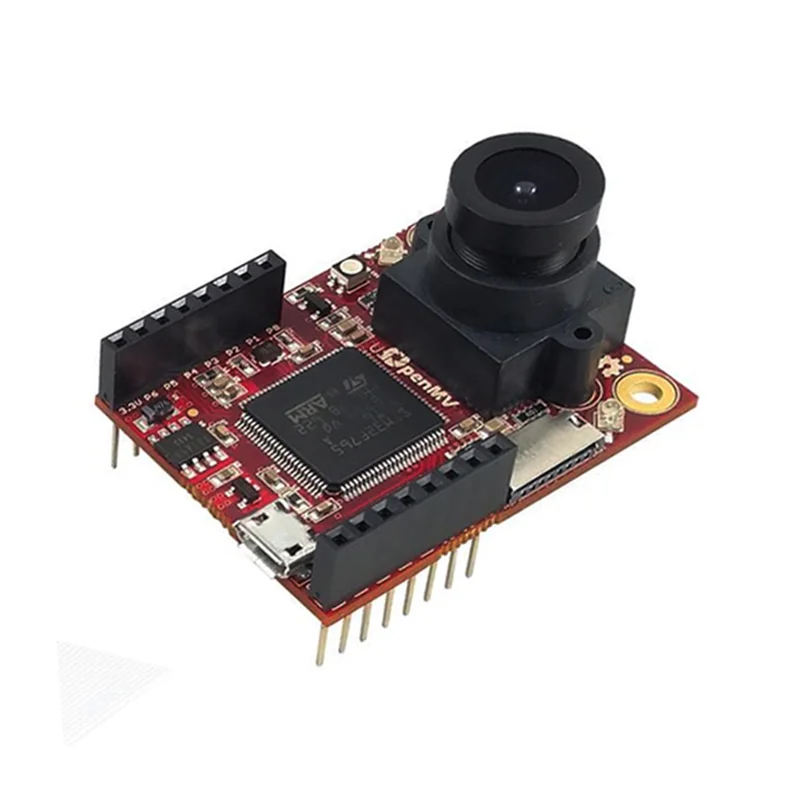
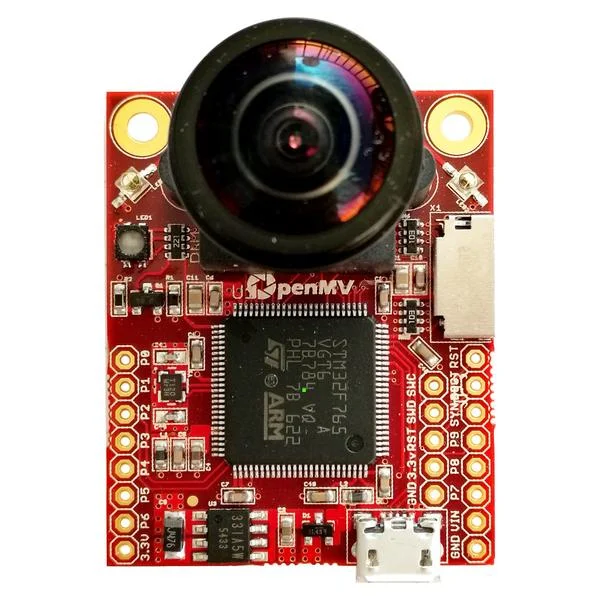
The OpenMV Cam M7 is a programmable microcontroller-based smart camera featuring an STM32F765VI Cortex-M7 processor and OV7725 image sensor, designed for real-world machine vision applications using MicroPython.

Features

  • STM32F765VI Arm Cortex-M7 processor at 216 MHz with 512KB RAM and 2MB flash for onboard image processing.
  • OV7725 CMOS sensor captures 640×480 grayscale or 320×240 RGB565 images at up to 60 FPS for real-time vision tasks.
  • Programmable in high-level Python via MicroPython OS, simplifying complex algorithm implementation and I/O control.
  • Includes μSD card slot for 100Mbps data logging, SPI bus for 54Mbps image streaming, and I2C/CAN/Serial interfaces.
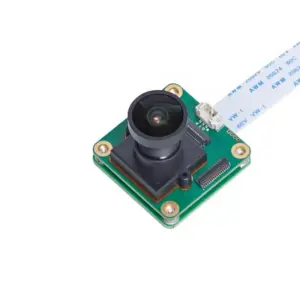
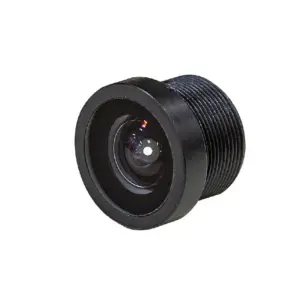
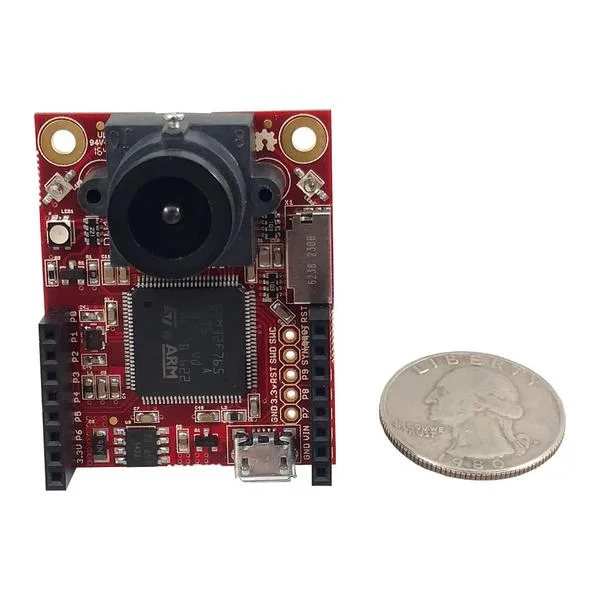
  • Integrated 2.8mm lens on M12 mount, RGB LED, and two high-power 850nm IR LEDs for illumination and low-light operation.

Out of stock

Description

The OpenMV Cam M7 Smart Vision Camera integrates a powerful STM32F765VI Cortex-M7 microcontroller with an OV7725 image sensor to deliver a self-contained, low-power platform for embedded machine vision. Its architecture allows developers to execute algorithms like color tracking, face detection, and AprilTag recognition directly on-device, streaming processed data or triggering I/O pins based on visual inputs. The board operates via a full-speed USB connection, appearing as a Virtual COM Port and USB flash drive for easy programming and data transfer.

Designed for flexibility, the camera supports a wide range of peripheral connections including a high-speed SPI bus for LCD or WiFi shields, I2C, CAN, and asynchronous serial for sensor networks, plus PWM and interrupt capabilities on all 10 I/O pins. Power management and 5V-tolerant GPIO make it suitable for integration into robotics, industrial automation, and smart sensing systems where real-time visual feedback is required without a host computer.

Key Features

  • Onboard machine vision processing eliminates the need for a separate PC, reducing system latency and complexity.
  • MicroPython programming environment provides a high-level, accessible interface for implementing complex computer vision algorithms.
  • High-speed μSD card interface enables local video recording and storage of vision assets for offline analysis.
  • Versatile I/O suite includes dedicated servo control pins, 12-bit ADC/DAC, and communication buses for expansive sensor integration.
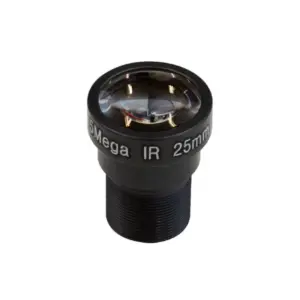
  • Standard M12 lens mount allows for easy swapping with specialized lenses for varying fields of view and focal lengths.
  • Integrated infrared LEDs support low-light or nighttime vision applications, enhancing functionality in diverse environments.

Applications

  • Robotics and drone navigation using color tracking, optical flow, or line detection.
  • Industrial automation for product inspection, barcode (QR/Data Matrix) reading, and template matching.
  • Smart security and monitoring systems with face detection, eye-tracking, and motion detection.
  • Educational and prototyping platforms for learning embedded machine vision and MicroPython programming.
  • IoT edge devices requiring local image capture, video recording, and sensor-triggered visual analysis.

Technical Specifications

Processor / SoCSTM32F765VI Arm Cortex-M7
Operating Frequency216 MHz
RAM512 KB
Flash Memory2 MB
Image SensorOV7725 CMOS
Max Resolution640x480 8-bit grayscale, 320x240 16-bit RGB565
Frame RateUp to 60 FPS (below 320x240)
Default Lens2.8mm on M12 Mount
InterfacesUSB (Virtual COM), SPI (54 Mbps), I2C, CAN, UART, μSD Card (100 Mbps)
ADC / DAC12-bit
Digital I/O Pins10 (with PWM & Interrupts)
Supply Voltage3.3V I/O (5V tolerant)
Dimensions (LxW)45.5 mm x 36.5 mm
Weight20 g

Frequently Asked Questions

How do I program the OpenMV Cam M7 and what software is required?

You program the OpenMV Cam M7 using the OpenMV IDE, which is available for Windows, Mac, and Linux. Connect the camera via USB, and it will appear as a COM port and flash drive. Write your Python scripts in the IDE, which communicates with the onboard MicroPython interpreter, and upload them directly to the board's flash memory for execution.

What is the power supply requirement and how is the board powered?

The board is primarily powered via the USB 5V connection. The I/O pins operate at 3.3V but are 5V tolerant. For standalone operation, you can supply regulated 3.3V to the VIN pin. Ensure your power source can provide sufficient current for the processor, sensor, and any connected peripherals like servos or LEDs during active vision processing.

Can I change the lens on the OpenMV Cam M7 and what are the compatible types?

Yes, the camera features a standard M12 (S-mount) lens thread. The included 2.8mm lens can be unscrewed and replaced with any M12-mount lens, such as wide-angle, telephoto, or fisheye lenses, to suit different fields of view and application needs like close-up inspection or panoramic monitoring.

How do I interface external sensors or actuators with the camera's I/O pins?

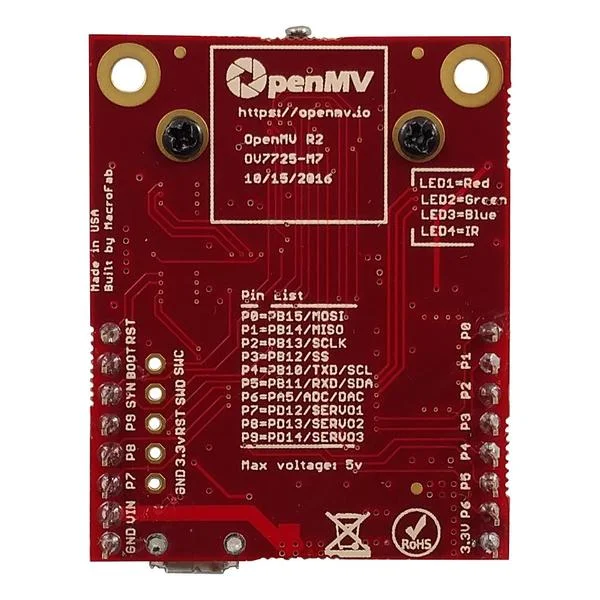
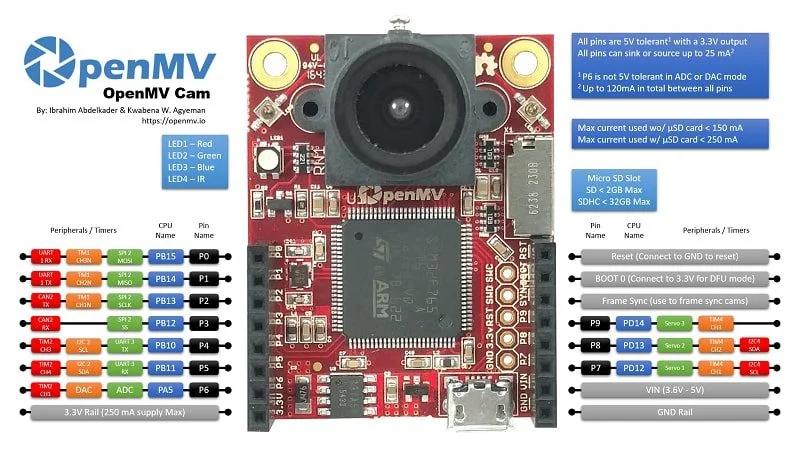
Use the 10 available GPIO pins, which support PWM, interrupts, and include dedicated pins for I2C, SPI, UART, and CAN buses. For analog sensors, use the 12-bit ADC pins. Connect servos to the three dedicated servo control pins. Always ensure signal voltage levels are compatible with the board's 3.3V logic.

Package Includes

  • 1 x OpenMV Cam M7 Module
  • 2 x 8x1 Burg Pins (Straight, Unsoldered)

Additional Information

Weight 0.02 kg
Dimensions 4.55 × 3.65 cm