SKU: IOWC-1342
📋 GST Invoice Available

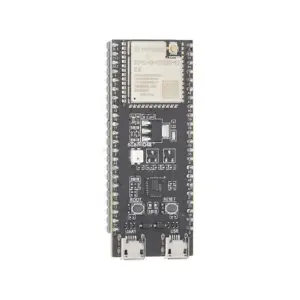
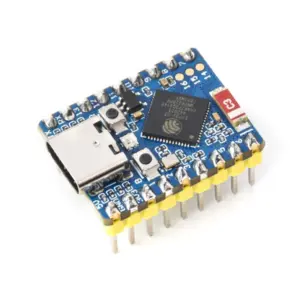
LilyGO T-Encoder ESP32 RGB LED Ring Encoder Board w/ Female Pins

₹1,119.00 (Inclusive of all taxes)
Out of Stock

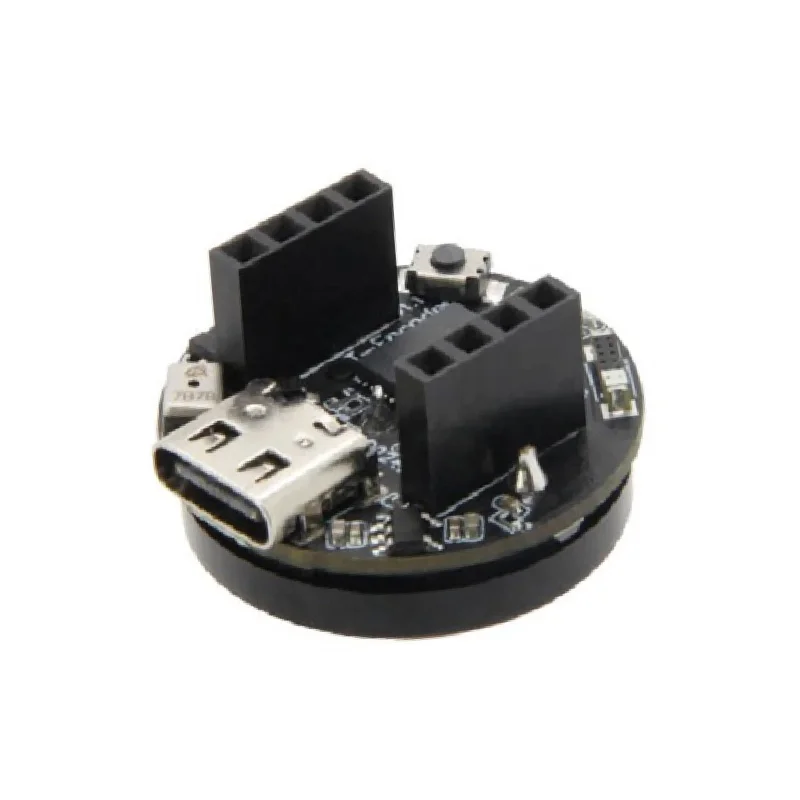
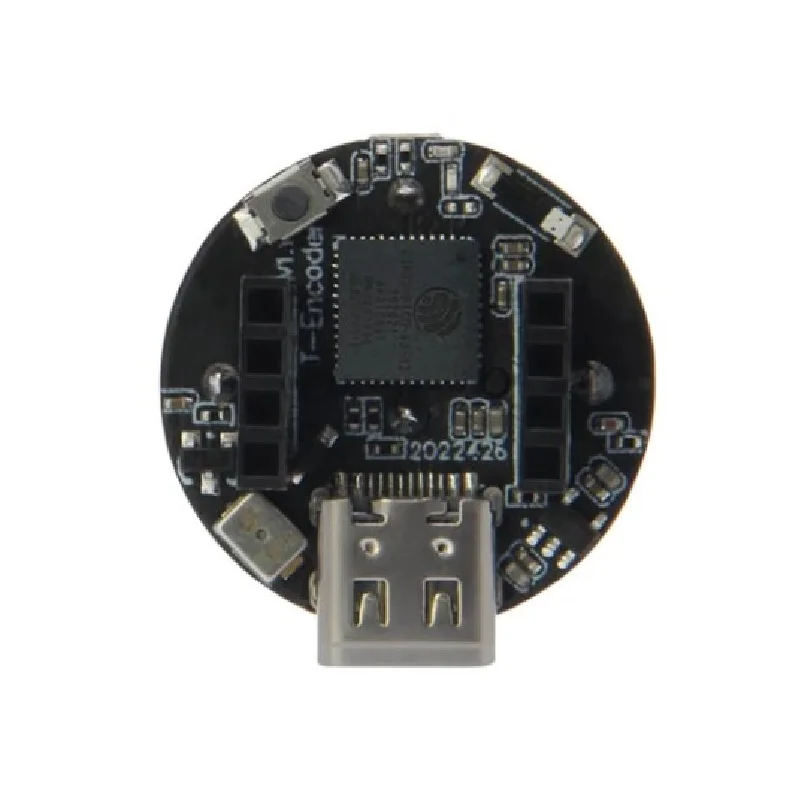
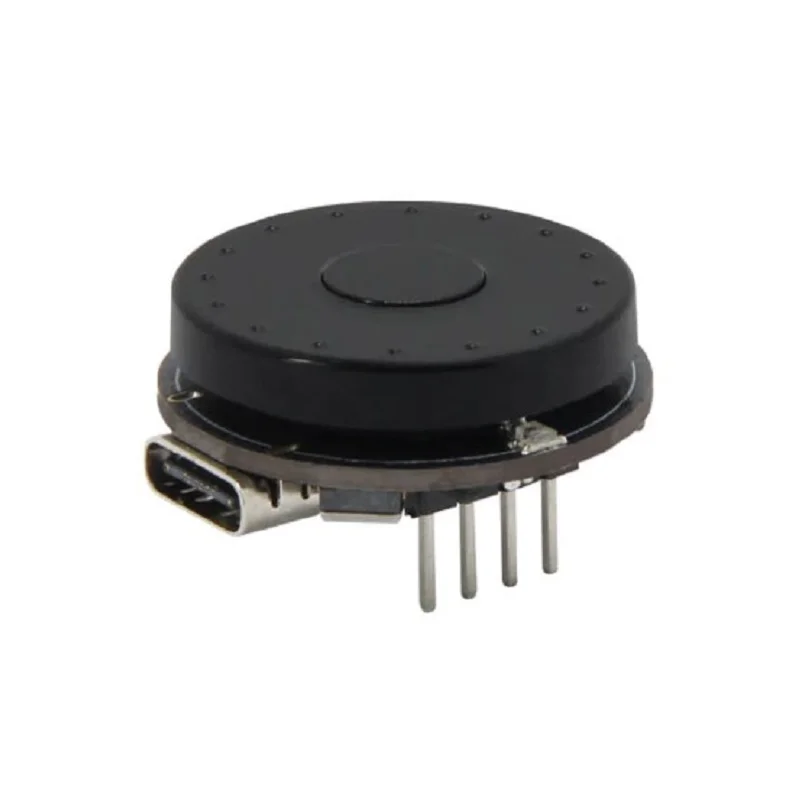
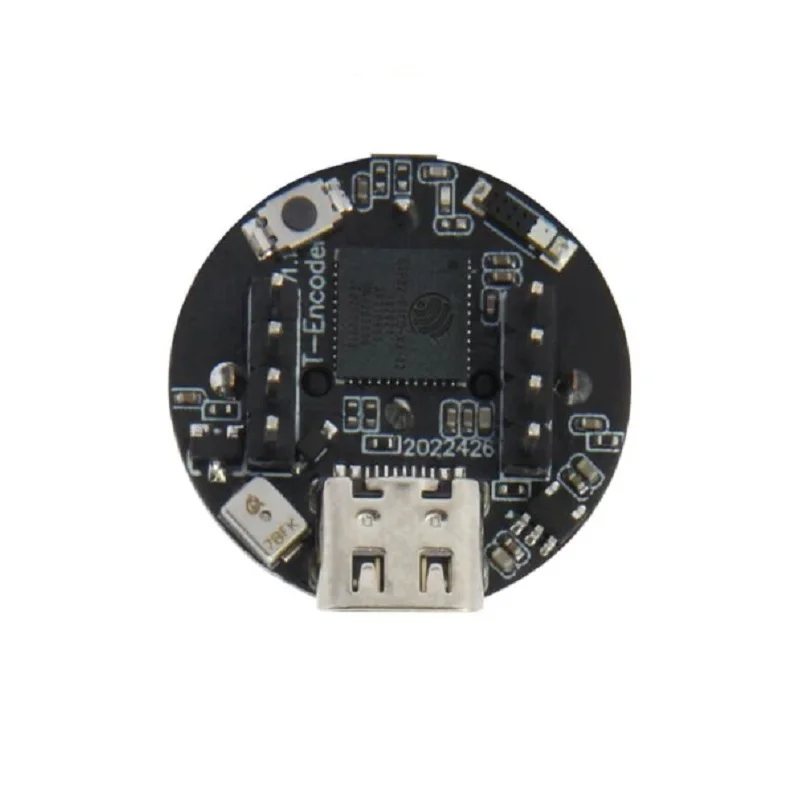
The LilyGO T-Encoder is an ESP32-PICO-V3-02 development board integrating a rotary encoder and a programmable RGB LED ring, designed for interactive IoT projects and user interface prototyping with Wi-Fi/Bluetooth 5.0 connectivity and Arduino IDE/ESP-IDF compatibility.

Features

  • Powered by ESP32-PICO-V3-02 SoC with 8MB Flash and 2MB PSRAM for robust wireless applications.
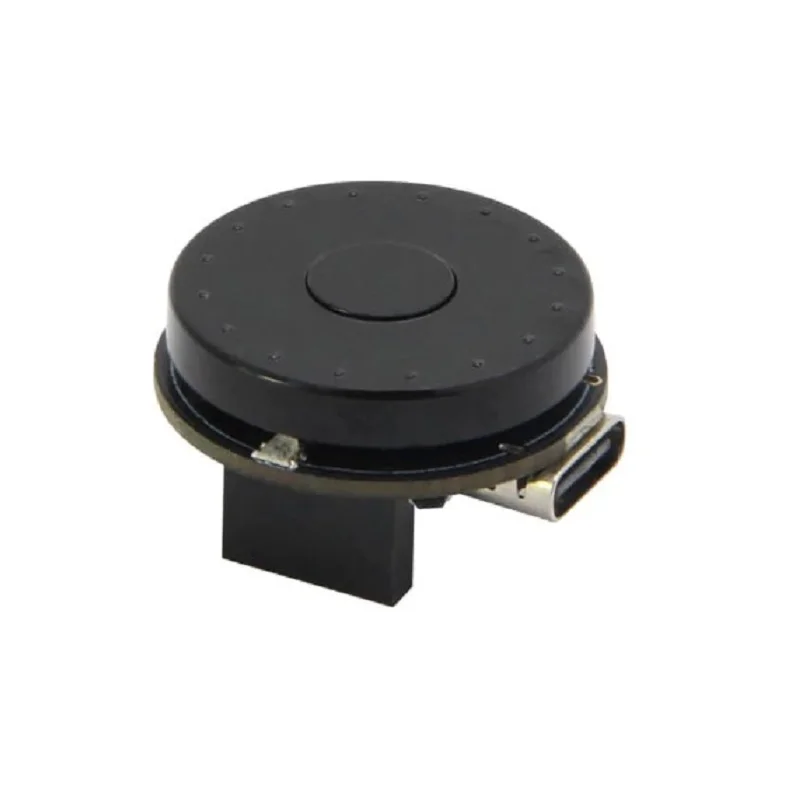
  • Integrated rotary encoder provides precise tactile input for menus, volume control, and parameter adjustment.
  • Programmable 12-segment RGB LED ring enables dynamic visual feedback, animations, and status indicators.
  • Dual-band Wi-Fi and Bluetooth 5.0 support for connected IoT projects, smart home controls, and BLE peripherals.
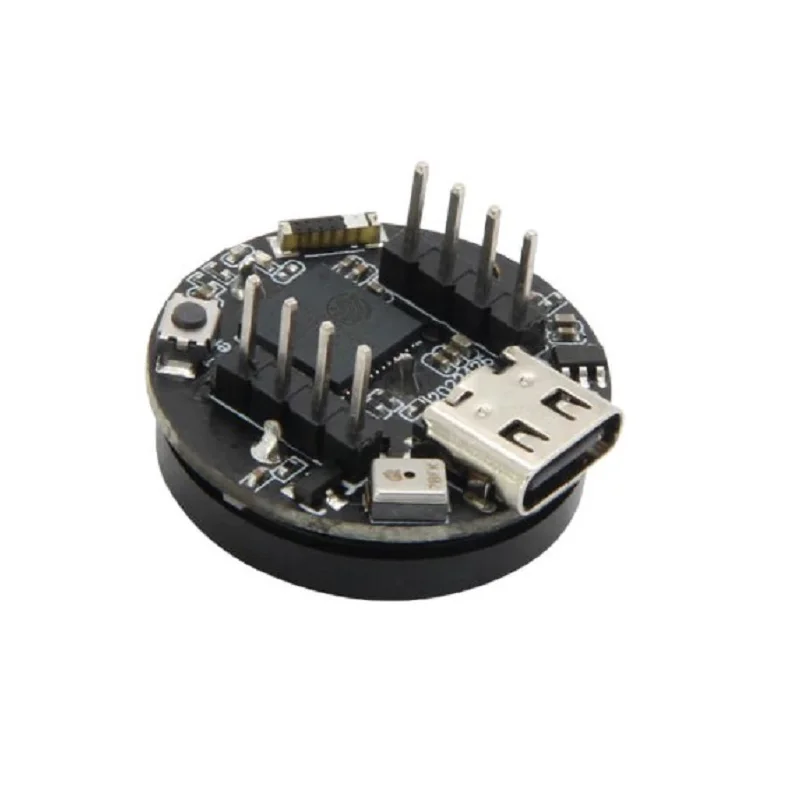
  • Female pin header design simplifies prototyping and integration into existing circuits without soldering.

Out of stock

Description

The LilyGO T-Encoder development board combines the processing power of the ESP32-PICO-V3-02 microcontroller with a tactile rotary encoder and a vibrant RGB LED ring, creating a versatile platform for human-machine interface (HMI) development. Its core provides dual-core 240MHz processing, 8MB flash, and 2MB PSRAM to handle complex logic and wireless stacks.

Engineered for interactive projects, the encoder offers precise digital input with a push-button function, while the surrounding LED ring serves as a multi-color visual output. The board’s wireless capabilities, including 2.4GHz Wi-Fi and Bluetooth Low Energy 5.0, make it ideal for creating connected control panels, IoT dashboards, or BLE-enabled input devices. Power is delivered via the onboard USB Type-C port, supporting seamless firmware uploads and debugging.

Key Features

  • ESP32-PICO-V3-02 microcontroller with integrated Wi-Fi, Bluetooth, and dual-core Xtensa LX6 processor.
  • Integrated KY-040 compatible rotary encoder with push-button functionality for multi-directional control.
  • Addressable RGB LED ring with 12 individually programmable WS2812B-compatible LEDs.
  • Female pin headers expose all critical GPIOs for SPI, I2C, UART, ADC, and DAC without soldering.
  • USB Type-C interface for stable power delivery, serial communication, and firmware programming.
  • Compact form factor designed for embedding into enclosures for finished interactive products.
  • Full support for Arduino IDE, ESP-IDF, and MicroPython for rapid firmware development.

Applications

  • Interactive IoT control panels and smart home dashboards.
  • Prototyping for audio equipment (volume/equalizer controls with visual feedback).
  • BLE-enabled input devices for PC/mobile applications.
  • Educational tools for learning embedded systems and HMI design.
  • Status indicators and notification systems for network-connected devices.

Technical Specifications

Microcontroller/SoCESP32-PICO-V3-02
Wireless ProtocolsWi-Fi 802.11 b/g/n, Bluetooth 5.0 (BLE)
Flash Memory8 MB
PSRAM2 MB
User InterfaceRotary Encoder with Push Button, 12x RGB LED Ring
USB InterfaceType-C
GPIO InterfacesUART, SPI, I2C, ADC, DAC (via Female Headers)
Pin Header TypeFemale
Operating Voltage5V via USB
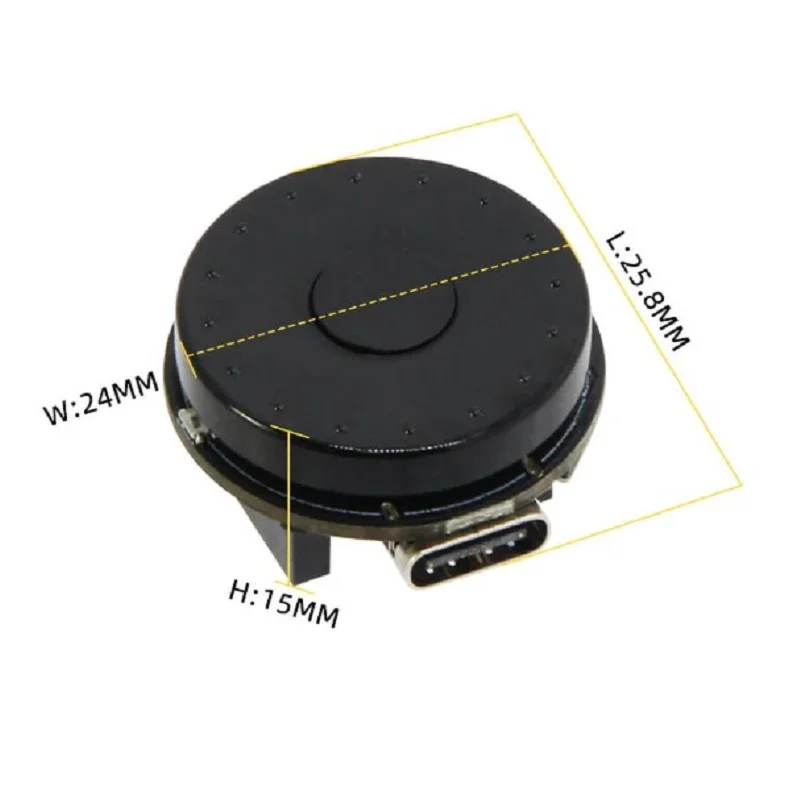
DimensionsApprox. 60mm x 60mm (Board-specific)

Frequently Asked Questions

How do I program the LilyGO T-Encoder board?

You can program the board using the Arduino IDE with the ESP32 board package installed, Espressif's ESP-IDF framework, or MicroPython. Connect via the USB Type-C port, select the correct board model (ESP32-PICO-V3), and upload your code. The female headers provide easy access to GPIOs for connecting sensors or other peripherals during development.

How do I control the RGB LED ring and read the rotary encoder?

The RGB LEDs are addressable WS2812B-compatible devices. Use libraries like FastLED or Adafruit_NeoPixel. The rotary encoder's CLK and DT pins connect to GPIOs for detecting rotation, and its SW pin acts as a push button. Use a library with interrupt handling for precise reading. Example code is available in the LilyGO GitHub repository for quick setup.

What is the power requirement for the T-Encoder board?

The board is powered solely through the USB Type-C port at 5V. It does not have a separate battery connector. The operating current depends on the Wi-Fi/BLE activity and LED brightness. For low-power projects, utilize the ESP32's deep sleep modes, disabling the LED ring when not in use to conserve energy.

Package Includes

  • 1 x LilyGO T-Encoder ESP32 RGB LED Ring Encoder Development Board

Additional Information

Weight 0.01 kg
Dimensions 6 × 8 × 2 cm