SKU: IOWC-1762
📋 GST Invoice Available

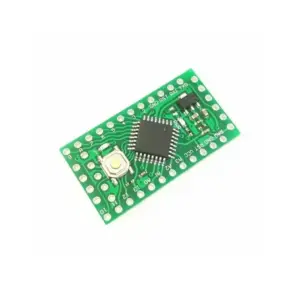
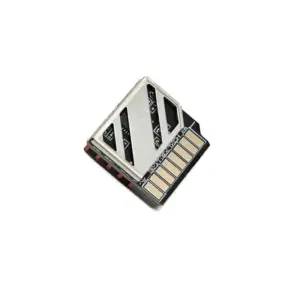
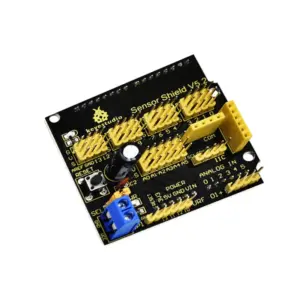
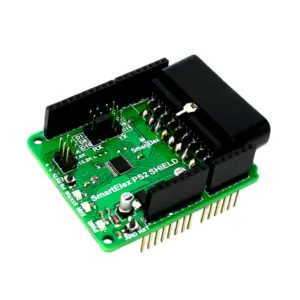
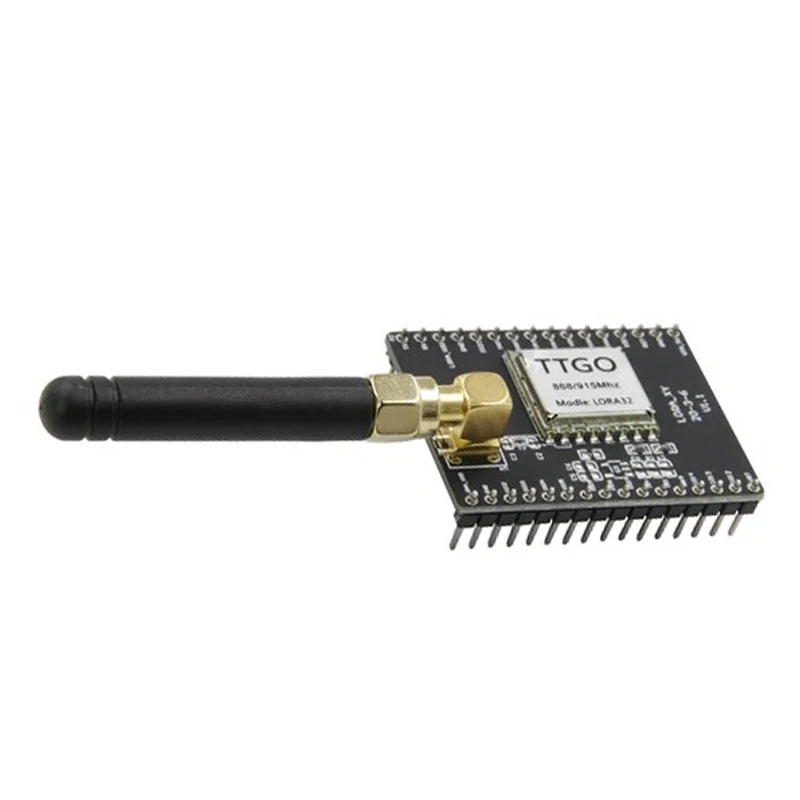
LilyGO LoRa 868MHz Shield for T-SIM7000G Module (Unsoldered)

₹1,779.00 (Inclusive of all taxes)
Out of Stock

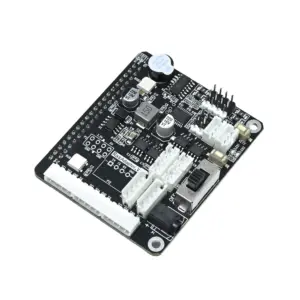
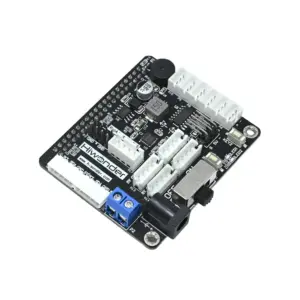
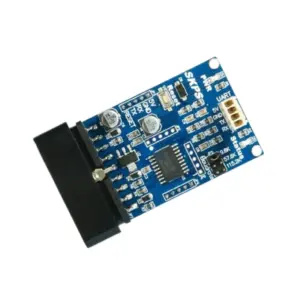
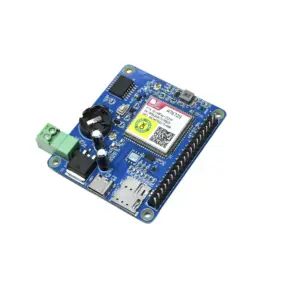
An unsoldered LoRa 868MHz expansion shield designed for the LilyGO T-SIM7000G cellular module, enabling long-range, low-power data transmission via serial interface for remote IoT deployments.

Features

  • LoRa 868MHz Expansion: Adds sub-GHz LoRa spread spectrum communication to the T-SIM7000G platform for multi-kilometer range data links.
  • Serial Port Integration: Simple data transmission via UART, compatible with AT command sets for easy firmware integration.
  • Advanced LoRa Features: Supports auto-repeating, Wake-on-Radio, wireless configuration, and carrier sensing for robust network operation.
  • Optimized for Low Power: Designed for battery-powered applications with efficient communication protocols to extend device lifetime.
  • Unsoldered Design: Provides flexibility for custom assembly and integration with the T-SIM7000G mainboard.

Out of stock

Description

This LoRa 868MHz shield is a dedicated expansion board for the LilyGO T-SIM7000G cellular IoT module, merging long-range cellular (4G/CAT-M1) with sub-GHz LoRa connectivity. It utilizes Semtech’s LoRa spread spectrum modulation technology to achieve communication distances of several kilometers in open terrain, significantly extending the wireless capabilities of the base platform.

The module interfaces directly with the host microcontroller via a serial UART, handling data packetization, modulation, and RF transmission autonomously. Features like auto-repeating extend effective range through hop-by-hop networking, while Wake-on-Radio and configurable sleep modes minimize average current consumption for battery-operated field sensors and trackers. Its design prioritizes link reliability and anti-interference in industrial ISM bands.

Key Features

  • Adds LoRa 868MHz long-range communication capability to the T-SIM7000G platform.
  • Utilizes LoRa spread spectrum modulation for extended range and enhanced interference immunity.
  • Features auto-repeating functionality to relay data and extend network coverage.
  • Includes Wake-on-Radio support for ultra-low-power, event-driven communication.
  • Offers wireless configuration and carrier sensing for optimized channel usage.
  • Provides a simple serial (UART) interface for easy integration and data exchange.
  • Unsoldered design allows for flexible assembly and custom pin header placement.
  • Ideal for creating hybrid IoT nodes combining cellular backhaul with local LoRa sensor networks.

Applications

  • Hybrid Cellular/LoRa sensor nodes for remote environmental monitoring.
  • Industrial telemetry and SCADA systems requiring long-range, low-power data links.
  • Asset tracking and fleet management solutions with extended coverage.
  • Smart agriculture networks for soil moisture, weather, and irrigation control.
  • Metering and data collection systems in utilities and smart city infrastructure.

Technical Specifications

Wireless ProtocolLoRa (Spread Spectrum)
Frequency Range868 MHz (EU ISM Band)
Host InterfaceSerial UART
Compatible MainboardLilyGO T-SIM7000G Module
Key FeaturesAuto-Repeating, Wake-on-Radio, Wireless Config
AssemblyUnsoldered (Headers Not Attached)
Dimensions (LxW)95 mm x 35 mm
Weight16 g

Frequently Asked Questions

How do I connect this LoRa shield to my LilyGO T-SIM7000G mainboard?

You must solder the provided pin headers onto both the shield and your T-SIM7000G module, aligning the UART TX/RX and power pins according to the board's pinout diagram. The primary interface is via a serial port, typically using specific GPIOs designated for the shield's communication. Ensure correct voltage level matching (3.3V) and secure mechanical attachment before powering the system for configuration and data transmission tests.

What software or AT commands are used to configure the LoRa module?

The module is configured via a set of proprietary AT commands sent over its UART interface. You need to establish a serial connection from your host microcontroller (or the T-SIM7000G's MCU) at a specific baud rate (e.g., 9600 or 115200). Common commands set the frequency (868MHz), spreading factor, bandwidth, transmission power, and enable features like auto-repeating. Refer to the vendor's technical datasheet for the exact command syntax and operational sequence to initialize the module for your application.

Can this shield operate in low-power mode for battery-powered projects?

Yes, the shield supports low-power operation through its Wake-on-Radio feature. You can put the module into a deep sleep state where it consumes minimal current, and it will automatically wake upon detecting a valid LoRa preamble signal. To implement this, configure the sleep mode via AT commands and manage the host MCU's power states accordingly. This makes it suitable for solar-powered or long-life battery deployments in remote sensing and tracking applications.

Package Includes

  • 1 x Unsoldered LoRa 868MHz Shield for LilyGO T-SIM7000G Module

Additional Information

Weight 0.016 kg
Dimensions 9.5 × 3.5 cm