SKU: IOWC-1621
📋 GST Invoice Available

HackRF One Software Defined Radio (SDR) 1MHz-6GHz

₹22,500.00 (Inclusive of all taxes)
Out of Stock

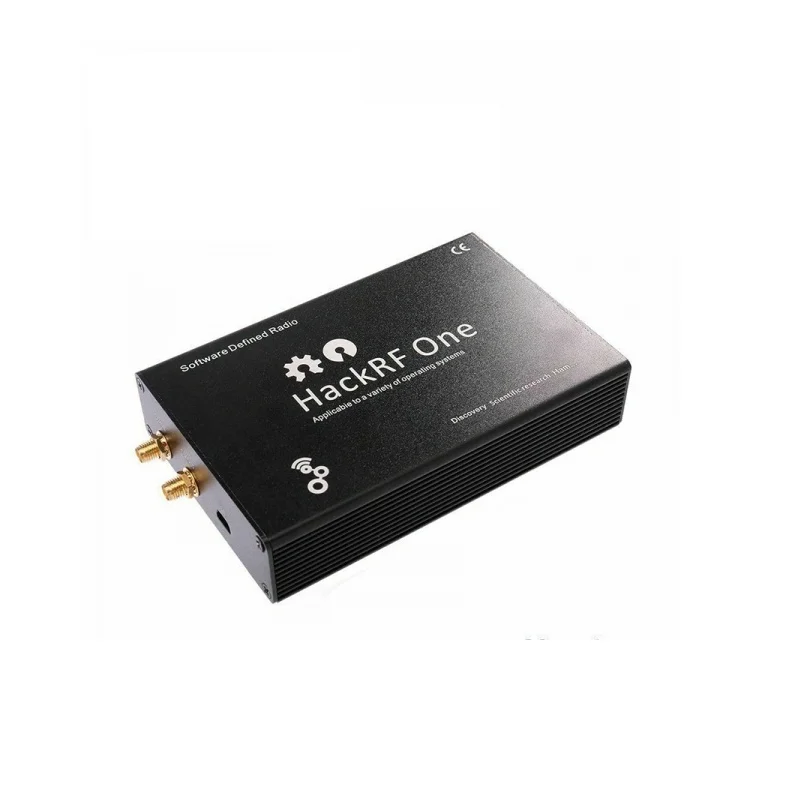
The HackRF One is a half-duplex Software Defined Radio (SDR) transceiver peripheral covering 1 MHz to 6 GHz, enabling RF analysis, signal reception, and transmission for developers via GNU Radio, SDR#, and other frameworks via a USB 2.0 interface.

Features

  • Wideband RF coverage from 1 MHz to 6 GHz for analyzing a vast spectrum of wireless signals, from AM radio to Wi-Fi and cellular bands.
  • Half-duplex transceiver capable of both signal reception and transmission, ideal for prototyping and testing next-generation radio technologies.
  • Open-source hardware platform compatible with popular SDR software like GNU Radio and SDR#, providing a flexible development environment.
  • USB-powered operation simplifies setup and allows for portable, computer-controlled RF experimentation and signal analysis.
  • Includes SMA female antenna connector and internal pin headers for expansion, supporting custom antenna and external clock synchronization.

Out of stock

Description

The HackRF One is a foundational tool for RF engineers and researchers, acting as a high-speed digital sampler for radio waveforms. Its architecture digitizes signals across an exceptionally wide frequency spectrum, transforming a computer into a versatile radio communication lab. The platform’s half-duplex capability allows for sequential transmission and reception, making it suitable for protocol development, signal analysis, and security testing.

Encased in a protective plastic enclosure, the device is powered and controlled entirely via its Hi-Speed USB 2.0 connection, ensuring portability and ease of integration. The inclusion of expansion headers and synchronization ports offers advanced users the ability to chain multiple units for MIMO applications or synchronize with external precision clock sources, extending its utility in professional test setups.

Key Features

  • Software Defined Radio (SDR) platform for digitizing and processing RF signals from 1 MHz to 6 GHz.
  • Half-duplex transceiver architecture enables both signal reception and transmission for full protocol interaction.
  • Open-source hardware design fosters community development, customization, and transparent operation.
  • USB 2.0 powered and controlled, eliminating the need for an external power supply and simplifying computer integration.
  • SMA female antenna connector supports a wide range of external antennas for optimized reception across different bands.
  • Features SMA clock input and output ports for synchronizing multiple units or using an external reference oscillator.
  • Internal expansion pin headers provide direct access to GPIO and other signals for hardware hacking and add-on modules.
  • Injection-molded enclosure protects the sensitive RF circuitry while maintaining a compact, portable form factor.

Applications

  • RF signal analysis, spectrum monitoring, and reverse engineering of wireless protocols.
  • Development and testing of new radio communication standards and IoT network stacks.
  • Academic research and education in software-defined radio and digital signal processing.
  • Security testing and vulnerability assessment of wireless systems and embedded devices.
  • Prototyping custom transmitters for remote sensing, telemetry, and ham radio applications.

Technical Specifications

Item TypeSoftware Defined Radio (SDR)
Operating Frequency1 MHz to 6 GHz
Transceiver TypeHalf-duplex
CompatibilityGNU Radio, SDR#, and more
Interface / ControlHi-Speed USB 2.0
Power SourceUSB-powered
Antenna ConnectorSMA female
Clock PortsSMA female input and output

Frequently Asked Questions

What software can I use with the HackRF One SDR?

The HackRF One is compatible with popular open-source SDR applications like GNU Radio Companion for building custom signal processing flows, SDR# (SDRSharp) for a user-friendly spectrum analyzer and receiver, and HackRF-specific tools like hackrf_transfer for command-line control. You will need to install the appropriate libhackrf drivers on your system (Windows, Linux, or macOS) to enable USB communication before these programs can recognize and control the device for tasks like FM radio decoding or spectrum scanning.

What does 'half-duplex' mean for the HackRF One?

Half-duplex means the HackRF One can either transmit or receive radio signals, but it cannot do both simultaneously. You must configure your software to switch between TX (Transmit) and RX (Receive) modes. This is suitable for most prototyping, testing, and analysis tasks where continuous two-way communication isn't required. For full-duplex operation (simultaneous transmit and receive), you would need to synchronize two HackRF One units using their external clock ports, which allows for advanced applications like radar or certain communication protocols.

How do I power the HackRF One and what are its power requirements?

The HackRF One is powered entirely through its micro USB 2.0 port from your computer or a capable USB wall adapter. It does not require a separate power supply. Ensure your USB port can provide sufficient current (typically 500mA is adequate). For portable field use, you can power it from a USB battery pack. The device includes power management circuitry, but for transmission, especially at higher frequencies, a stable 5V supply is recommended to ensure consistent RF output performance and avoid USB voltage drop issues.

What antennas are included and how do I connect my own?

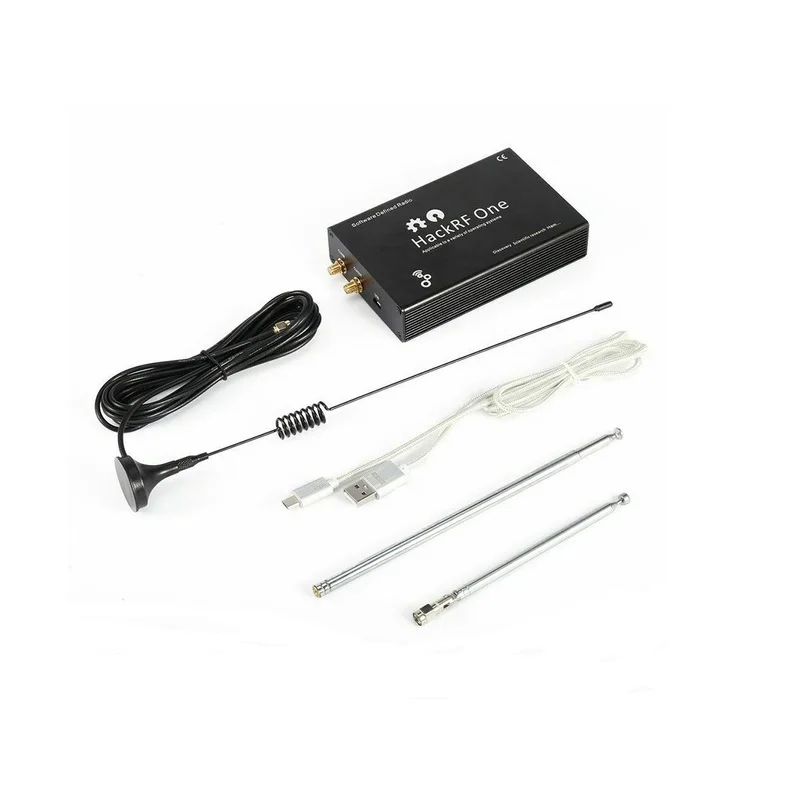
The package typically includes three basic whip antennas covering different frequency ranges. For more precise or sensitive work, you should use specialized antennas tuned to your frequency of interest. Connect your antenna to the SMA female connector on the board. When attaching or changing antennas, ensure the unit is not actively transmitting to avoid damaging the RF front-end. For optimal performance, use 50-ohm impedance antennas and keep cable runs short to minimize signal loss, especially when working above 1 GHz.

Can I use the HackRF One as a standalone device without a computer?

Yes, the HackRF One can be programmed for stand-alone operation. The board features an onboard microcontroller (an ARM Cortex-M4) that can be flashed with custom firmware using the provided programming buttons and the SWD debug header. This allows you to create battery-powered, embedded applications where the SDR performs predefined tasks like signal logging or beacon transmission. You would develop this firmware using ARM development tools and the HackRF hardware library, then deploy it to the device's internal flash memory.

Package Includes

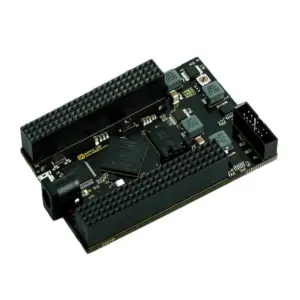
  • 1 x HackRF One SDR Unit
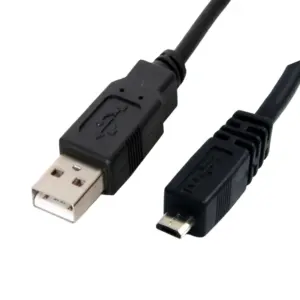
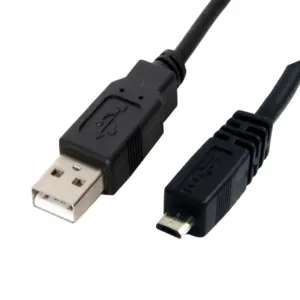
  • 1 x Micro USB Cable
  • 3 x Antennas (as shown in image)

Additional Information

Weight 0.333 kg
Dimensions 25 × 17 × 1 cm