SKU: IOWC-0682
📋 GST Invoice Available

Espressif ESP32-C61-DevKitC-1-N8R2 Wi-Fi 6 & BLE 5 Dev Board

₹1,039.00 (Inclusive of all taxes)
Out of Stock

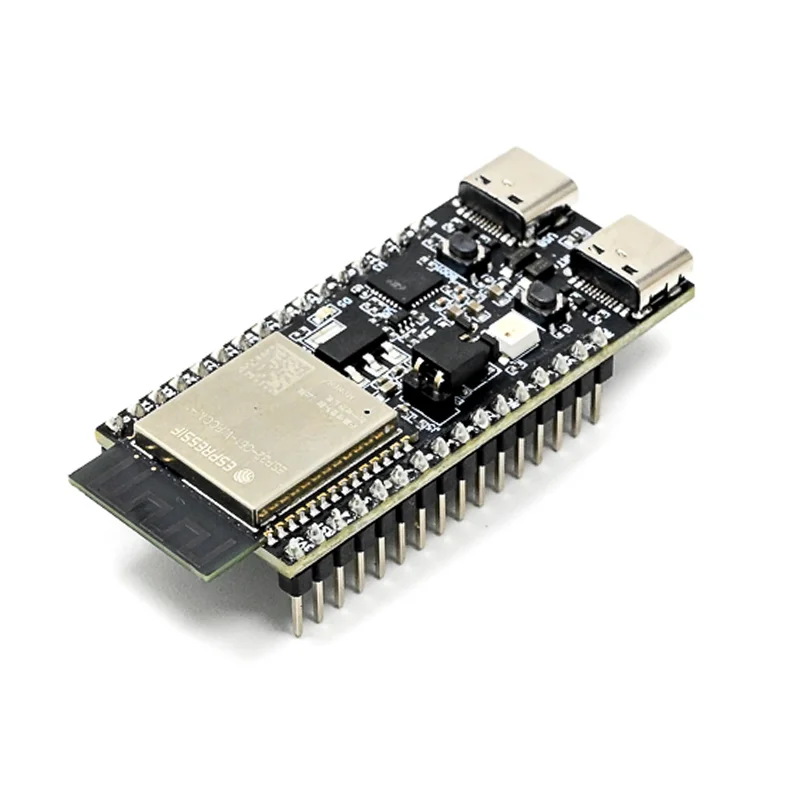
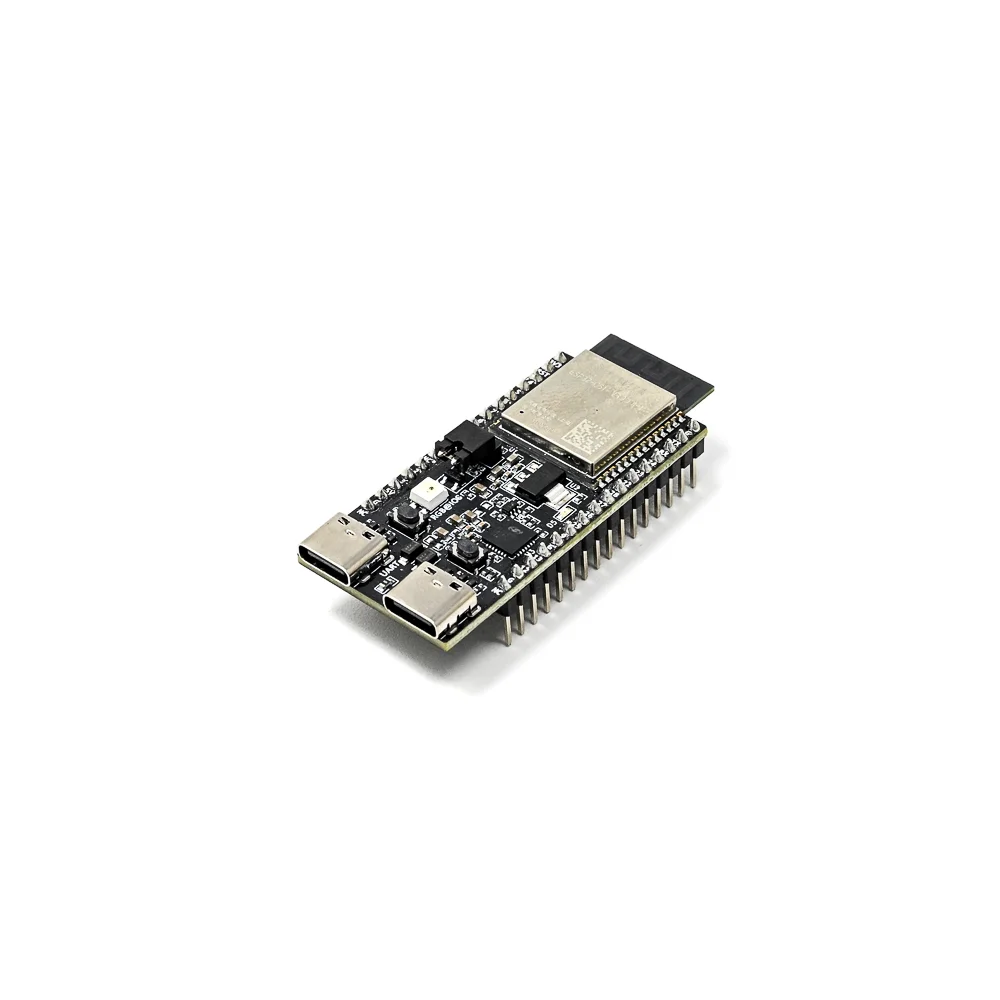
The Espressif ESP32-C61-DevKitC-1-N8R2 is an entry-level development board built around the ESP32-C61-WROOM-1 module, featuring Wi-Fi 6 (802.11ax) and Bluetooth 5 LE connectivity for prototyping advanced IoT applications. It is fully supported by ESP-IDF and the Matter SDK, with dual USB-C ports for flexible programming and debugging.

Features

  • Wi-Fi 6 (802.11ax 2.4 GHz) & Bluetooth 5 LE for high-performance, low-latency IoT connectivity.
  • Onboard 8 MB QSPI flash and 2 MB PSRAM for memory-intensive applications and data buffering.
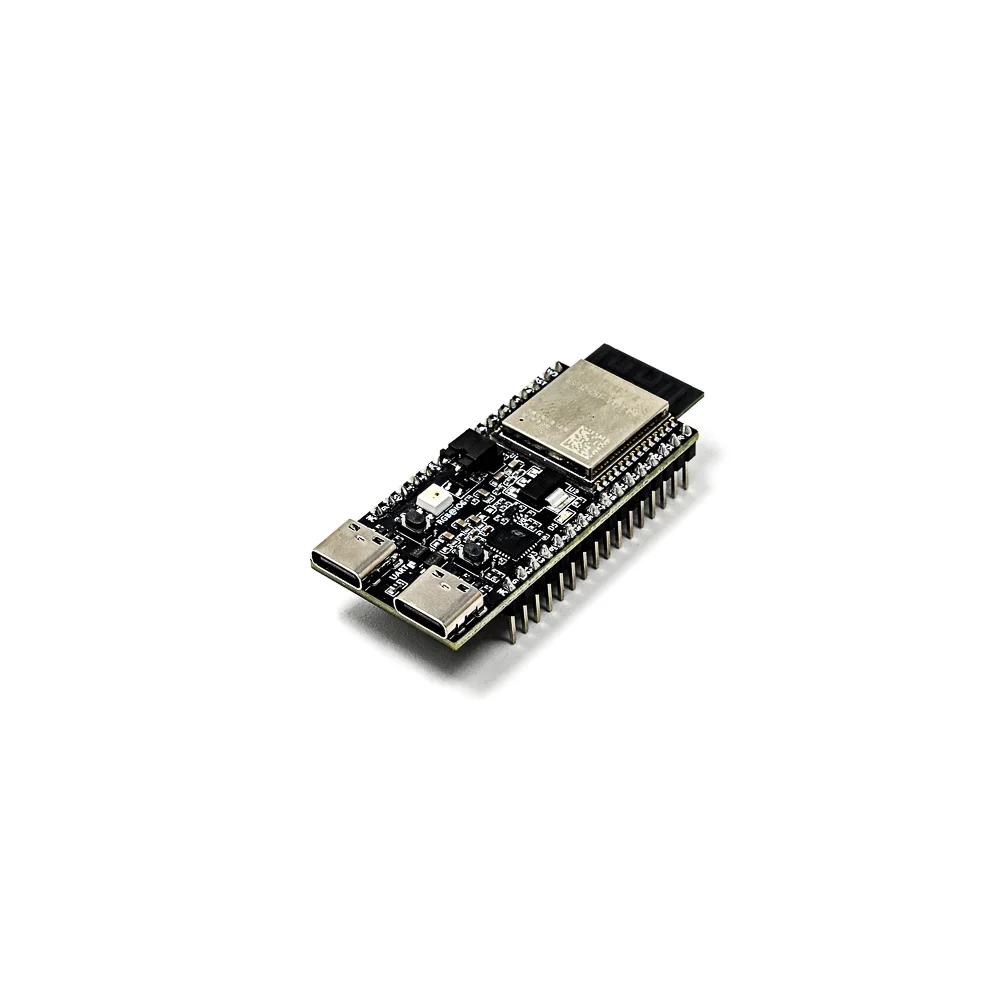
  • Dual USB-C ports: one for native USB/JTAG and one via USB-UART bridge for versatile programming and debugging.
  • RISC-V single-core CPU running at up to 160 MHz (120 MHz production) with 320 KB SRAM and 256 KB ROM.
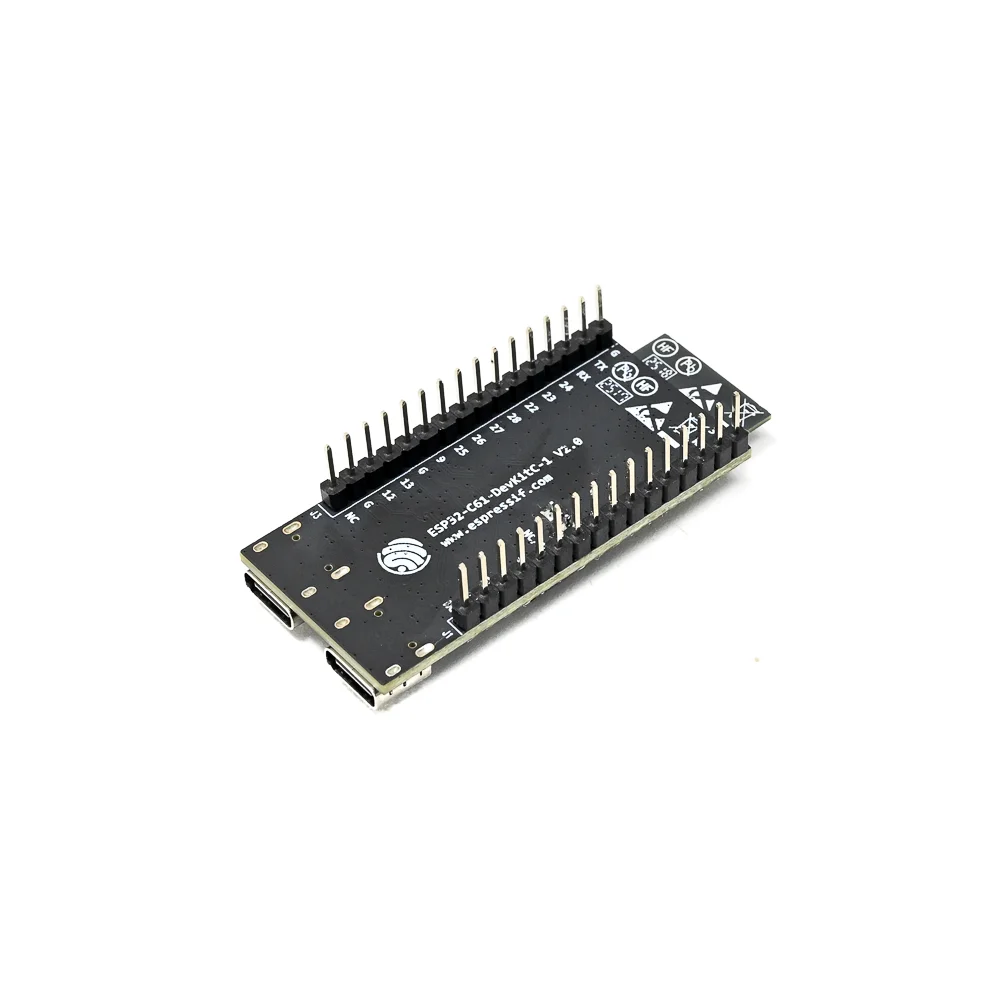
  • Breadboard-friendly dual-row headers expose ~25 GPIOs including I²C, SPI, ADC, and UART interfaces.

Out of stock

Description

The Espressif ESP32-C61-DevKitC-1-N8R2 Development Board is engineered for rapid prototyping of next-generation IoT devices requiring efficient wireless communication. At its core is the ESP32-C61-WROOM-1 module, integrating a 32-bit RISC-V processor capable of speeds up to 160 MHz, paired with substantial onboard memory to handle complex application logic and network stacks.

Its dual USB-C architecture provides a streamlined development workflow: one port offers native USB and JTAG for direct debugging, while the other connects via a USB-to-UART bridge, supporting baud rates up to approximately 3 Mbps. The board’s power system is designed for flexibility, accepting 5V input via USB or 3.3V through the header pins, regulated by an onboard LDO. With comprehensive GPIO breakout, an RGB LED, and dedicated buttons for reset and boot mode selection, it offers a complete platform for developing and testing Wi-Fi 6 and BLE 5-based solutions.

Key Features

  • Advanced wireless connectivity with 2.4 GHz Wi-Fi 6 (802.11ax) and Bluetooth 5 Low Energy (BLE).
  • Generous memory configuration with 8 MB of QSPI flash for firmware and 2 MB of PSRAM for dynamic data.
  • Dual USB-C port design separates native USB/JTAG debugging from serial communication via a USB-UART bridge.
  • Prototype-ready form factor with breadboard-compatible 16-pin headers providing access to approximately 25 GPIO pins.
  • Integrated user interface components including an RGB LED, reset button, and boot mode button.
  • Comprehensive power options via USB-C or header pins, with onboard voltage regulation and a power LED indicator.
  • Full software support in Espressif's ESP-IDF (v5.5+), ESP-Matter SDK, and firmware variants like ESP-AT and ESP-Hosted.
  • Includes a JST jumper header for precise current measurement during power profiling and optimization.

Applications

  • Prototyping smart home automation devices with Wi-Fi 6 and Matter protocol support.
  • Developing industrial IoT (IIoT) sensors and gateways requiring reliable, low-latency wireless.
  • Building advanced wearable tech and personal area network (PAN) devices with BLE 5.
  • Creating memory-intensive edge computing applications like data loggers or network bridges.
  • Educational platforms for learning RISC-V architecture, embedded systems, and wireless protocols.

Technical Specifications

Microcontroller/SoCESP32-C61 (ESP32-C61-WROOM-1 Module)
CPU Architecture32-bit RISC-V Single-Core (up to 160 MHz)
Wireless ProtocolsWi-Fi 6 (802.11ax 2.4 GHz), Bluetooth 5 LE
Onboard Memory8 MB QSPI Flash, 2 MB PSRAM, 320 KB SRAM, 256 KB ROM
USB InterfacesDual USB-C (Native USB/JTAG & USB-UART Bridge)
GPIO & Interfaces~25 pins exposed (I²C, SPI, ADC, UART, GPIO)
Power Supply5V via USB-C or 3.3V via header pins
Onboard PeripheralsRGB LED, Reset Button, Boot Button, Current Measurement Jumper
Development FrameworkESP-IDF, ESP-Matter SDK, Arduino (via ESP32 Arduino Core)
Dimensions (L x W)57 mm x 25 mm

Frequently Asked Questions

How do I program the ESP32-C61-DevKitC-1-N8R2 board?

You can program the board using Espressif's official ESP-IDF framework (version 5.5 or later). Install ESP-IDF, connect the board via the USB-C port labeled 'USB' for native programming and JTAG debugging, or use the 'UART' port for serial flashing. The board is also supported in the Arduino IDE via the ESP32 Arduino Core, and in PlatformIO. After connecting, select the correct serial port and target chip (ESP32-C61) in your development environment to begin uploading code.

What is the purpose of the dual USB-C ports on this development board?

The dual USB-C ports serve distinct functions to streamline development. One port provides native USB connectivity combined with JTAG for advanced debugging and direct firmware flashing. The other port is connected through a USB-to-UART bridge chip (like a CH340), offering a serial communication interface for console output, AT command interaction, and simpler programming. This separation allows developers to use dedicated debugging tools on one port while maintaining a stable serial log connection on the other without interference.

Can I use this board with Arduino IDE or PlatformIO?

Yes, the ESP32-C61-DevKitC-1 is supported in the Arduino IDE through the ESP32 Arduino Core. You need to add the ESP32 board support URL in Arduino's preferences and install the 'ESP32' package by Espressif Systems. For PlatformIO, create a new project and select 'Espressif ESP32-C61 DevKitC' as your board environment. Ensure you have the latest platform packages installed. Both environments will allow you to leverage the board's Wi-Fi 6, BLE, and GPIO features with extensive library support.

What are the power requirements and sleep current for the ESP32-C61 DevKit?

The board is primarily powered via its USB-C port at 5V, which is then regulated down to 3.3V by an onboard LDO. You can also supply 3.3V directly to the appropriate header pins. For active operation with Wi-Fi or BLE radio on, expect current draw in the range of hundreds of milliamps. The ESP32-C61 chip supports multiple deep sleep modes, which can reduce current consumption to microamps (µA), making it suitable for battery-powered IoT sensor nodes. Use the onboard JST jumper to measure actual current draw for your specific application.

Package Includes

  • 1 x Espressif ESP32-C61-DevKitC-1-N8R2 Development Board

Additional Information

Weight 0.01 kg
Dimensions 5.7 × 2.5 cm