SKU: IOWC-1703
📋 GST Invoice Available

Elecrow RA-08H LoRaWAN Node Board with RP2040 Controller - 868 MHz

₹1,419.00 (Inclusive of all taxes)
Out of Stock

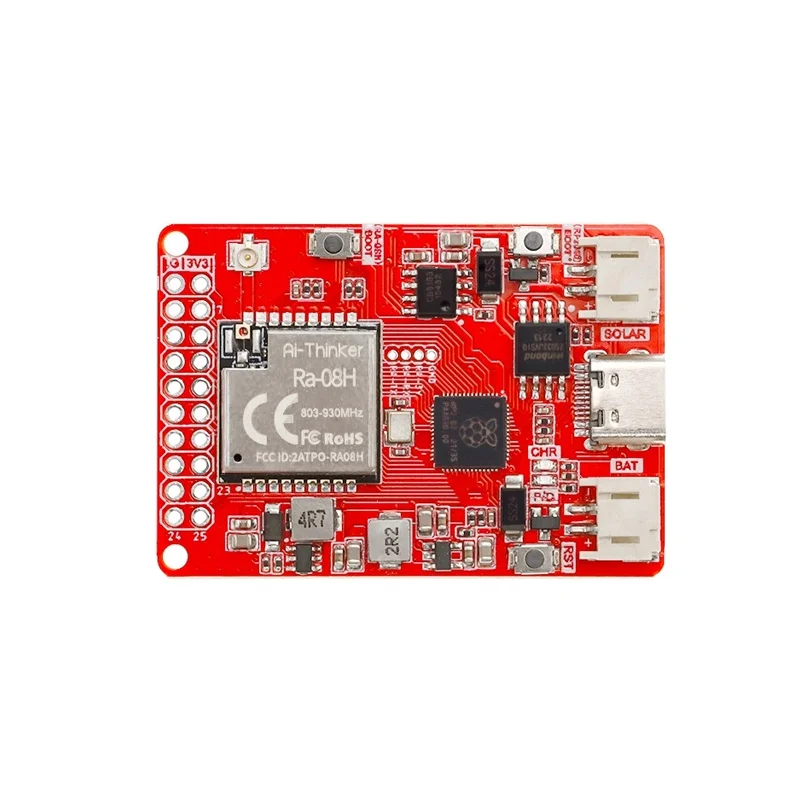
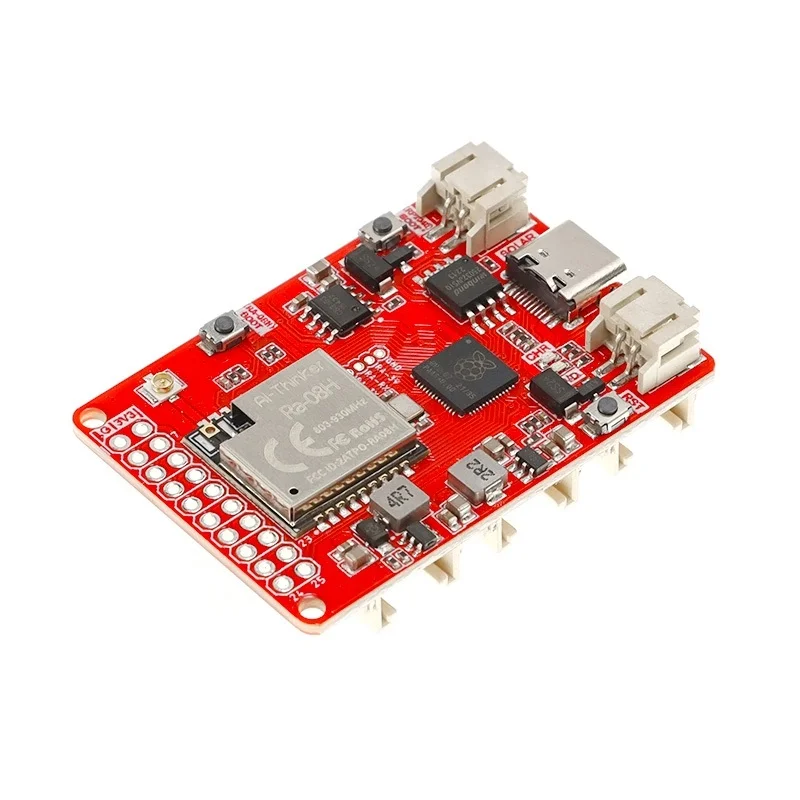
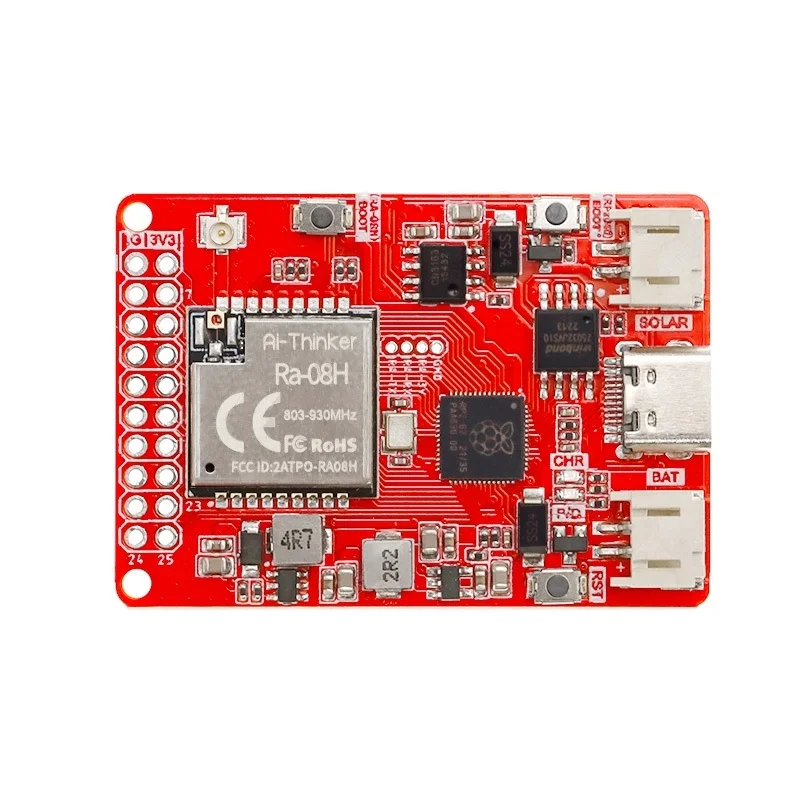
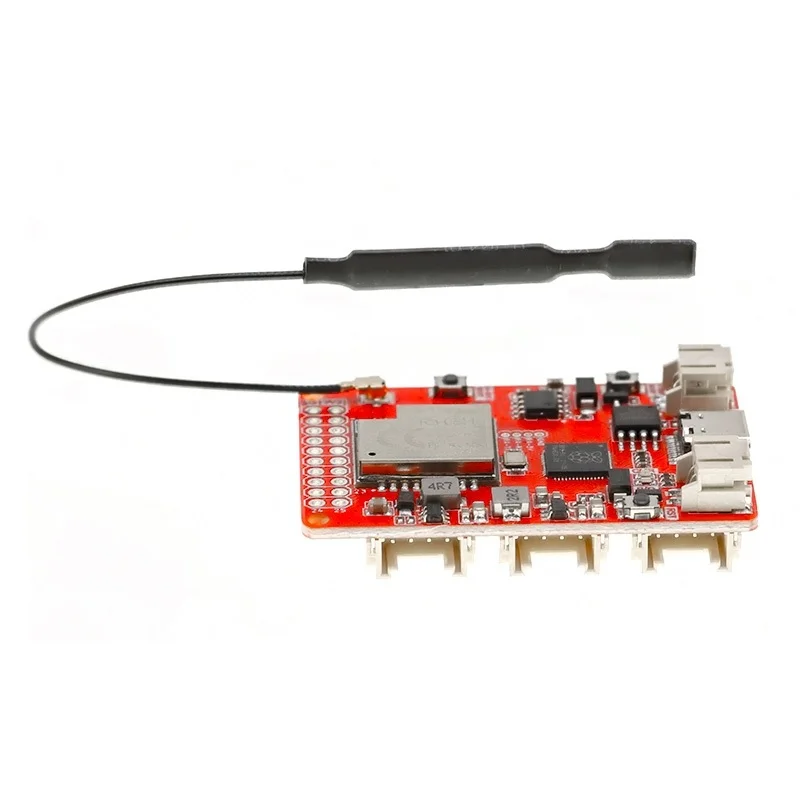
The Elecrow RA-08H is a LoRaWAN node board built around the Raspberry Pi RP2040 dual-core microcontroller, designed for long-range wireless communication in the 868MHz band. It supports both point-to-point LoRa and LoRaWAN network protocols, is programmable via Arduino IDE or MicroPython, and features a built-in LiPo battery circuit with solar charging support for remote deployments.

Features

  • RP2040 Dual-Core MCU: Powered by the Raspberry Pi RP2040 with dual ARM Cortex-M0+ cores @ 133MHz, 264KB SRAM, and 4MB onboard Flash for robust application processing.
  • RA-08H LoRa Module: Integrates the RA-08H transceiver (803-930MHz) with 128KB Flash and 16KB SRAM, enabling long-range, low-power LoRaWAN or point-to-point communication.
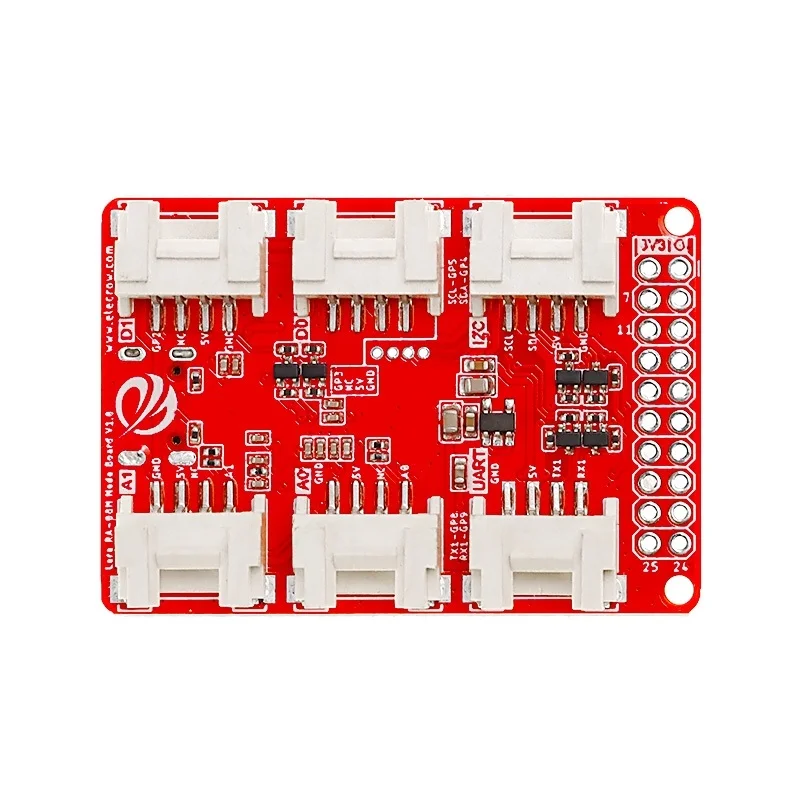
  • Crowtail Ecosystem Compatible: Features six dedicated 5V Crowtail sensor interfaces (Analog, Digital, UART, I2C) and is compatible with over 150 modules for rapid IoT node prototyping.
  • Off-Grid Power Ready: Includes a built-in lithium battery management circuit and a solar panel charging interface, making it ideal for self-sustaining, outdoor IoT applications.
  • Flexible Development: Offers a 20-pin GPIO header for expansion, programmable via Arduino or MicroPython, and includes a USB-C port for power, programming, and debugging.

Out of stock

Description

The Elecrow RA-08H LoRaWAN Node Board combines the computational power of the Raspberry Pi RP2040 microcontroller with the long-range, low-power wireless capabilities of the RA-08H LoRa module. This integration creates a versatile development platform tailored for IoT edge nodes requiring reliable communication over several kilometers. The board’s architecture is optimized for low-duty-cycle operation, crucial for battery-powered sensor networks deployed in field environments.

Its design emphasizes system integration and field deployment readiness. The inclusion of a dedicated battery interface and MPPT-based solar charging circuit allows the node to operate autonomously for extended periods. The six pre-configured Crowtail interfaces simplify connecting a wide array of sensors—from temperature and humidity to motion and air quality—without complex wiring. This makes the board an excellent foundation for building smart agriculture monitors, environmental telemetry stations, asset trackers, and remote industrial sensing solutions that connect to both private LoRa networks and public LoRaWAN servers like The Things Network.

Key Features

  • High-Performance Dual-Core MCU: Features the RP2040 with dual Cortex-M0+ cores, providing ample processing headroom for sensor data aggregation, lightweight encryption, and network protocol handling.
  • Wideband LoRa Transceiver: The integrated RA-08H module supports the 803-930MHz frequency range, allowing regional configuration for 868MHz (EU) or 915MHz (US) LoRaWAN operation.
  • Rapid Prototyping Ecosystem: Direct compatibility with the extensive Crowtail modular sensor system accelerates development by eliminating the need for custom PCB design for common sensing tasks.
  • Robust Power Management: Onboard circuitry supports USB 5V input, single-cell LiPo battery operation, and solar panel input for creating perpetually powered, off-grid sensor nodes.
  • Comprehensive I/O Expansion: Beyond the Crowtail ports, a 2x10 pin header breaks out additional GPIO, SPI, I2C, and UART interfaces for connecting custom peripherals or displays.
  • Multi-Framework Firmware Support: Programmable using the popular Arduino IDE with community libraries or MicroPython for rapid scripting, offering flexibility for developers of all skill levels.

Applications

  • Smart Agriculture & Environmental Monitoring: Deploy for soil moisture, temperature, and humidity sensing across large farms, transmitting data via LoRaWAN to a central gateway.
  • Remote Asset & Utility Tracking: Build battery-powered trackers for equipment, livestock, or remote infrastructure monitoring with months-long battery life.
  • Weather Station Networks: Create distributed weather sensing nodes measuring wind speed, rainfall, and atmospheric pressure for hyper-local climate data.
  • Industrial IoT (IIoT) Telemetry: Monitor tank levels, machine health vibrations, or gate status in remote industrial sites without reliable cellular coverage.
  • Smart City Sensor Nodes: Implement for public space monitoring, such as waste bin fill-level detection, parking space occupancy, or air quality sensing.

Technical Specifications

Main Controller/SoCRaspberry Pi RP2040 (Dual-core ARM Cortex-M0+ @ 133MHz)
Wireless ProtocolLoRa, LoRaWAN
Frequency Range803 MHz - 930 MHz
LoRa ModuleRA-08H (128KB Flash, 16KB SRAM)
Onboard Memory264KB SRAM, 4MB Flash
Supply VoltageUSB 5V, LiPo Battery (via JST connector), Solar Input
Interfaces1x USB-C, 6x Crowtail (2x Analog, 2x Digital, 1x UART, 1x I2C), 20-pin GPIO Header, Battery Interface, Solar Interface
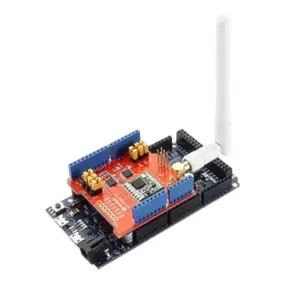
Antenna ConnectorSMA (Antenna Included)
Programming SupportArduino IDE, MicroPython
Dimensions (L x W)50mm x 35mm

Frequently Asked Questions

How do I program the Elecrow RA-08H board using the Arduino IDE?

First, install the Raspberry Pi Pico board support via the Arduino Board Manager. Then, add the required LoRa library (like Sandeep Mistry's library) for the RA-08H module. Connect the board via USB-C, select 'Raspberry Pi Pico' as the target board, and choose the correct COM port. You can then write and upload sketches that utilize the LoRa object for sending and receiving packets. Ensure the library is configured for the 868MHz frequency band and your specific LoRaWAN region parameters.

What is the procedure for connecting a solar panel and battery for off-grid operation?

Connect a 3.7V single-cell LiPo battery to the onboard JST battery connector. For solar charging, wire a 5-6V solar panel (with a typical current of 100mA-1A) to the dedicated solar input terminals. The onboard power management IC will prioritize solar power to run the board and charge the battery simultaneously. For optimal longevity, program the RP2040 to use deep sleep modes between sensor readings and LoRa transmissions to minimize average current consumption, allowing the solar panel to replenish the battery daily.

How do I configure the RA-08H module for LoRaWAN communication with The Things Network (TTN)?

You need to use a LoRaWAN stack library compatible with the RP2040, such as the Arduino-LMIC library. In your firmware, you must configure the OTAA (Over-The-Air Activation) parameters: the DevEUI, AppEUI, and AppKey obtained from your TTN application. Set the correct frequency plan for your region (e.g., EU868). The code must handle the join procedure and subsequent uplink/downlink communication. Ensure the antenna is securely connected to the SMA port and the board is within range of a TTN Gateway operating on the same frequency band.

Package Includes

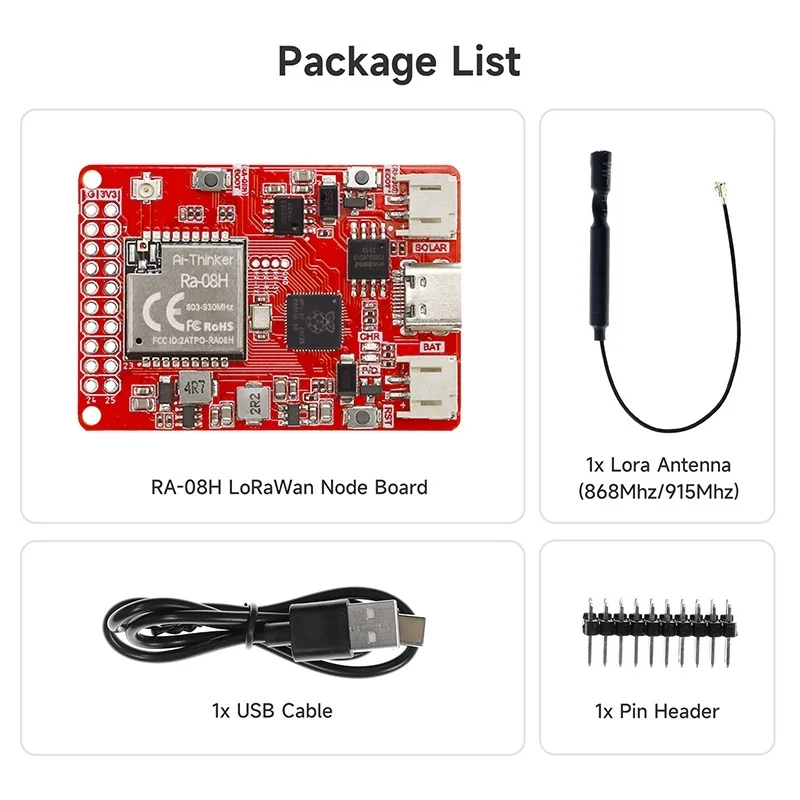
  • 1x Elecrow RA-08H LoRa Node Board
  • 1x LoRa Antenna (868MHz/915MHz, SMA connector)
  • 1x Pin Header (for GPIO soldering)
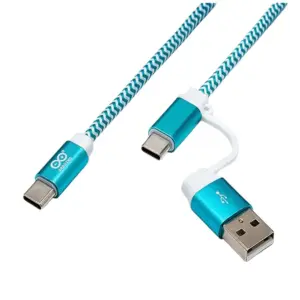
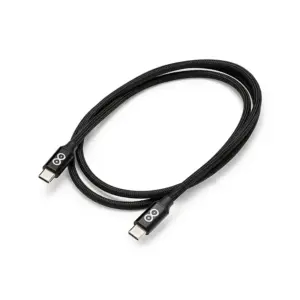
  • 1x USB Cable (USB-A to USB-C)

Additional Information

Weight 0.031 kg
Dimensions 5 × 3.5 cm