SKU: SENS-1078
📋 GST Invoice Available

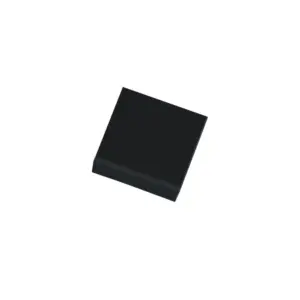
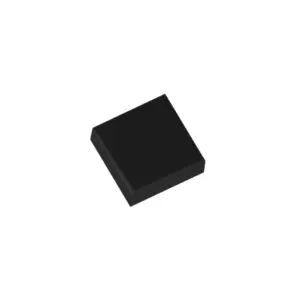
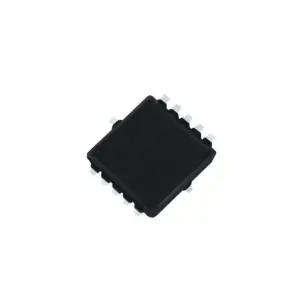
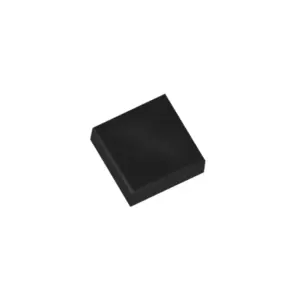
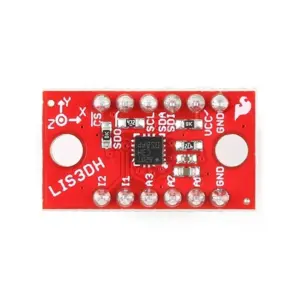
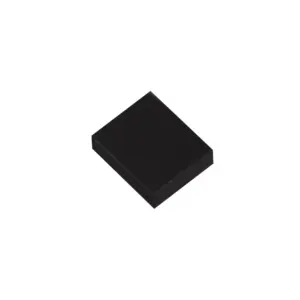
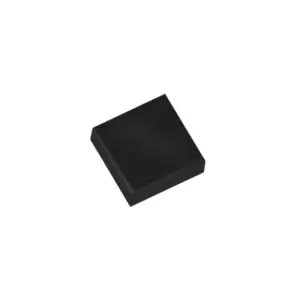
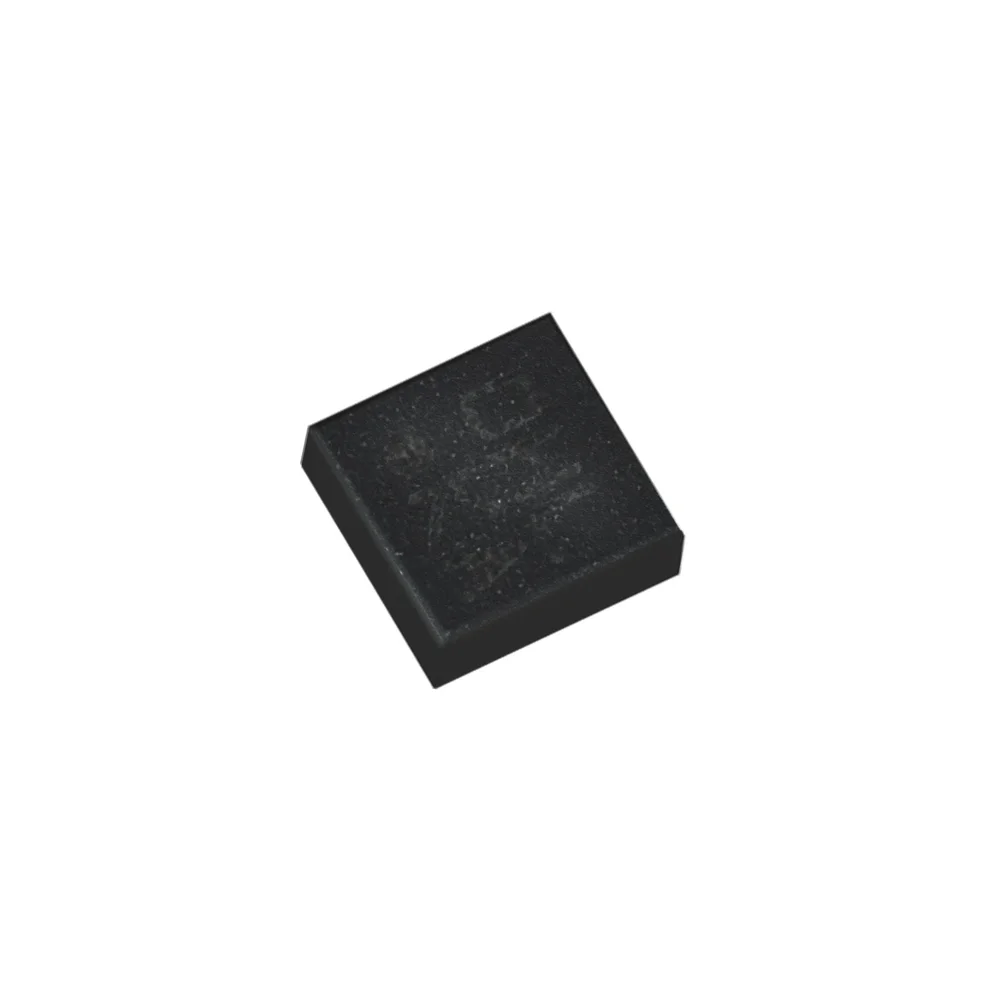
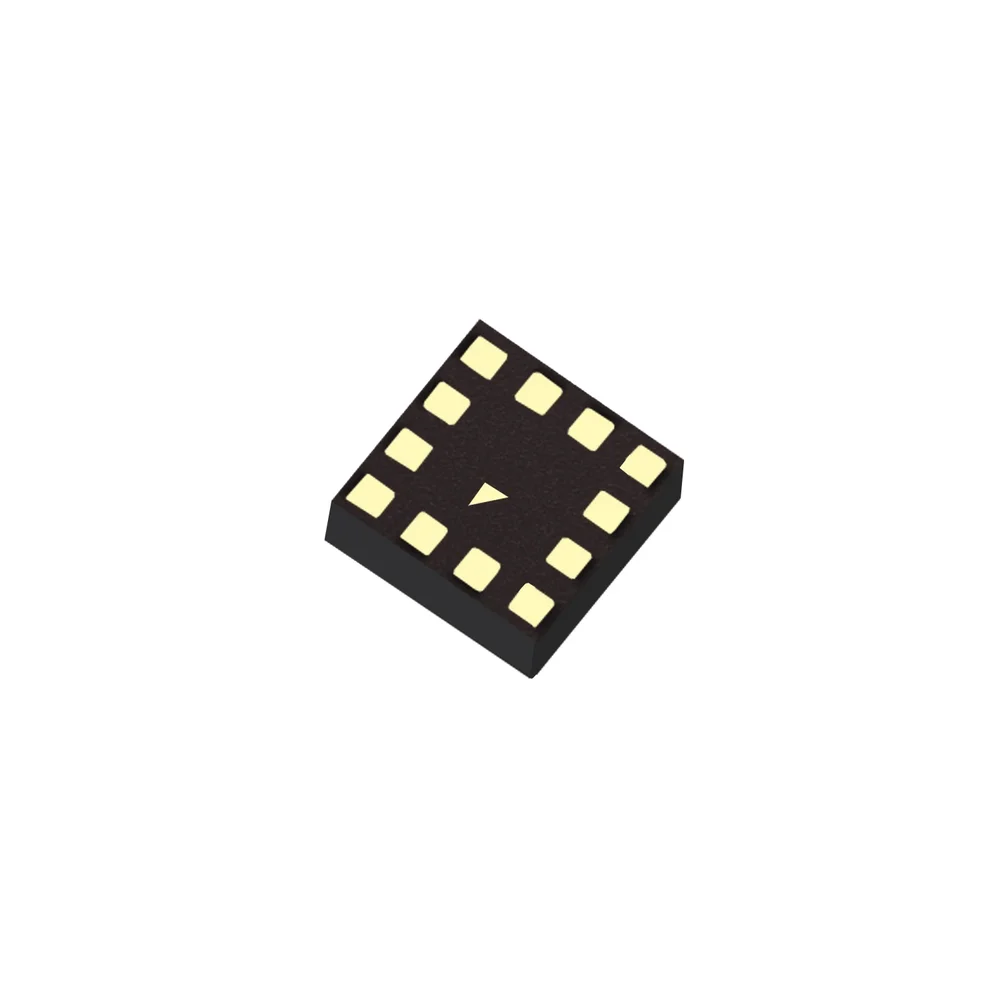
Bosch BMA255 3-Axis Accelerometer, ±2/4/8/16g, Low Power, 12-bit Resolution, I²C/SPI, 2.4~3.6V, LGA-12

₹209.00 (Inclusive of all taxes)
Out of Stock

The Bosch BMA255 is a 3-axis digital accelerometer offering programmable ranges from ±2g to ±16g with 12-bit resolution. Featuring ultra-low power consumption and I²C/SPI interfaces, it is designed for integration into battery-powered embedded systems, wearables, and motion-activated devices.

Features

  • 3-axis digital accelerometer with programmable full-scale ranges (±2g, ±4g, ±8g, ±16g).
  • Ultra-low power operation: 130µA active, 6µA low-power, and 1µA FIFO mode.
  • Integrated intelligent interrupt engine for tap, orientation, motion, and free-fall detection.
  • Dual digital interface support: I²C and SPI (3/4 wire).
  • Compact 2×2×0.95 mm LGA-12 package with high 10,000g shock resistance.

Out of stock

Description

The Bosch BMA255 is a MEMS-based 3-axis accelerometer engineered for precise motion sensing in power- and space-constrained applications. Its 12-bit digital output provides accurate acceleration data across three axes, enabling detection of tilt, shock, vibration, and specific motion events. The sensor’s programmable bandwidth from 8 Hz to 1 kHz allows for optimization between noise performance and response speed.

Designed for robust performance, the BMA255 operates across a wide temperature range of -40°C to +85°C and features a 32-sample FIFO buffer to reduce host processor load. Its flexible supply voltage (1.62V to 3.6V) and separate I/O voltage (1.2V to 3.6V) ensure compatibility with a wide range of microcontrollers and system architectures, from 1.8V logic to standard 3.3V systems.

Key Features

  • High-resolution 12-bit digital output with configurable sensitivity.
  • Advanced interrupt engine supports multiple detection algorithms without constant polling.
  • Built-in 32-sample FIFO buffer stores data for efficient power management.
  • Excellent noise performance with a noise density of 150 µg/√Hz.
  • Robust LGA-12 package designed for high-volume surface-mount assembly.
  • Wide operating voltage range supports direct battery connection and low-power MCUs.
  • High shock survivability rating of 10,000g for reliable operation in demanding environments.

Applications

  • Screen orientation and tap detection in smartphones and portable gaming devices.
  • Activity tracking and step counting in wearable fitness monitors and smartwatches.
  • Free-fall and impact detection for data protection in laptops and hard drives.
  • Motion-activated user interfaces in IoT devices and remote controls.
  • Vibration monitoring and tilt sensing in industrial equipment and robotics.

Technical Specifications

Manufacturer Part NumberBMA255
Sensor Type3-Axis Digital Accelerometer
Full-Scale Range±2g, ±4g, ±8g, ±16g (Programmable)
Resolution12-bit
Sensitivity1024/512/256/128 LSB/g
Zero-g Offset±60 mg
Noise Density150 µg/√Hz
Bandwidth8 Hz to 1000 Hz
InterfaceI²C, SPI (3/4 wire)
Supply Voltage (VDD)1.62V to 3.6V
I/O Voltage (VDDIO)1.2V to 3.6V
Current Consumption (Active)130 µA
Current Consumption (Low Power)6 µA
Current Consumption (FIFO Mode)1 µA
FIFO Buffer32 samples per axis
Interrupt Pins2
Operating Temperature-40°C to +85°C
PackageLGA-12 (2×2×0.95 mm)
Shock Resistance10,000g

Frequently Asked Questions

What is the operating voltage range for the Bosch BMA255 accelerometer?

The BMA255 core supply voltage (VDD) operates from 1.62V to 3.6V, making it suitable for single-cell Li-ion battery applications. The digital I/O voltage (VDDIO) is separate and can be set from 1.2V to 3.6V, allowing flexible interfacing with 1.8V or 3.3V logic microcontrollers.

How do I communicate with the BMA255 sensor?

The BMA255 supports both I²C (up to 400 kHz) and SPI (3-wire and 4-wire modes up to 10 MHz) digital interfaces. The interface selection is made via the CSB pin. For I²C, the 7-bit slave address is configurable. The sensor includes a 32-sample FIFO buffer to minimize host processor communication overhead.

What motion detection features are built into the BMA255?

The integrated interrupt engine provides hardware-based detection for multiple events without requiring constant host polling. These include single and double-tap detection, orientation change (portrait/landscape), any-motion/significant-motion detection, and free-fall detection. Thresholds, timing, and hysteresis are fully programmable.

What is the typical power consumption of the BMA255?

Power consumption is highly mode-dependent. In normal active mode, it draws approximately 130µA. In low-power mode, consumption drops to around 6µA. When using the FIFO buffer in low-power mode with data ready interrupts, consumption can be as low as 1µA, ideal for always-on sensing in battery-powered devices.

Package Includes

  • 1 x Bosch BMA255 3-Axis Accelerometer IC (LGA-12 package).

Additional Information

Weight 0.005 kg
Dimensions 2 × 2 × 0.95 cm