SKU: IOWC-0374
📋 GST Invoice Available

Arducam Pico4ML-Pro TinyML Dev Kit w/ RP2040, 2.4-Inch LCD & Multi-SPI Camera Adapter

₹2,879.00 (Inclusive of all taxes)
Out of Stock

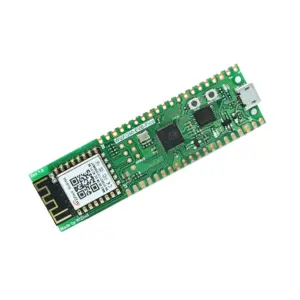
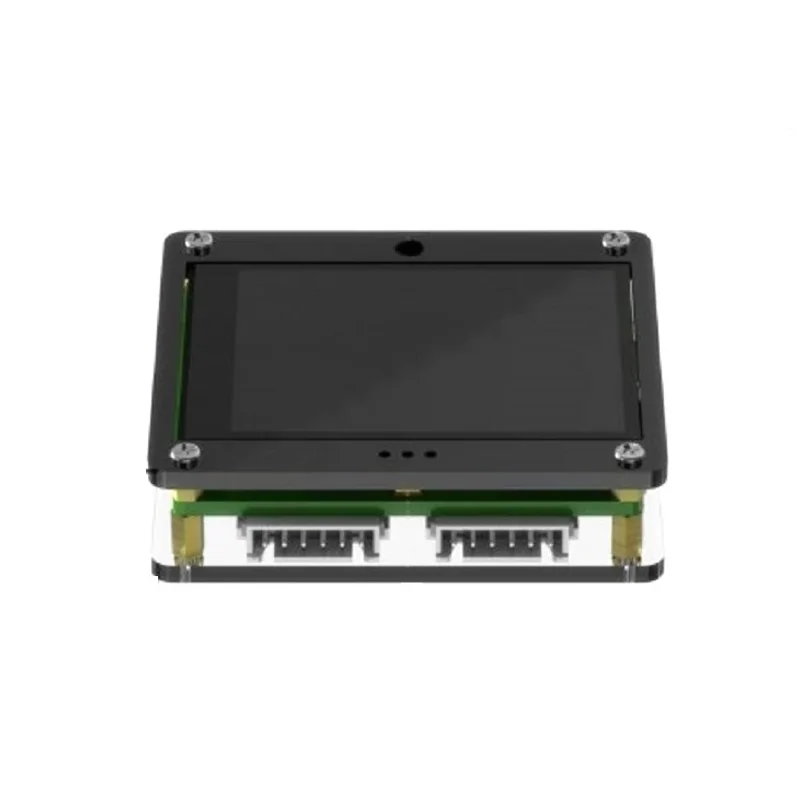
The Arducam Pico4ML-Pro is a plug-and-play TinyML development kit built around the Raspberry Pi RP2040 microcontroller, featuring a 2.4-inch LCD, microphone, IMU, and a multi-SPI adapter for connecting up to four Arducam Mega cameras simultaneously for advanced computer vision and audio-based machine learning projects.

Features

  • RP2040-Powered TinyML Platform: A dedicated development board running at 133 MHz with 2MB flash, optimized for running and training TensorFlow Lite Micro (TFLite) models directly on the edge.
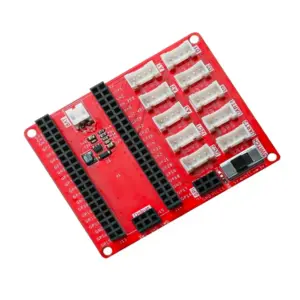
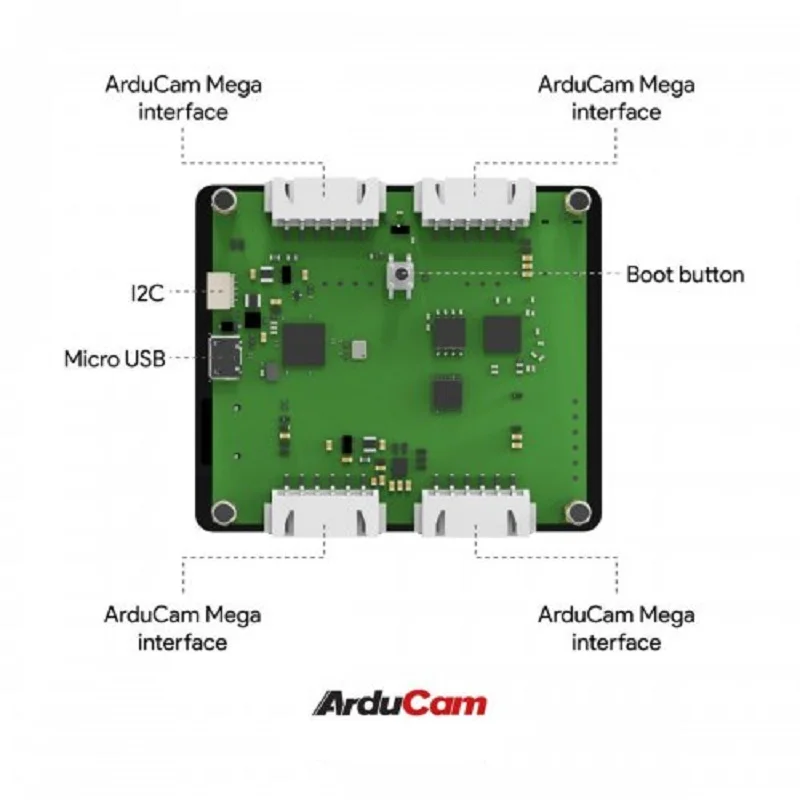
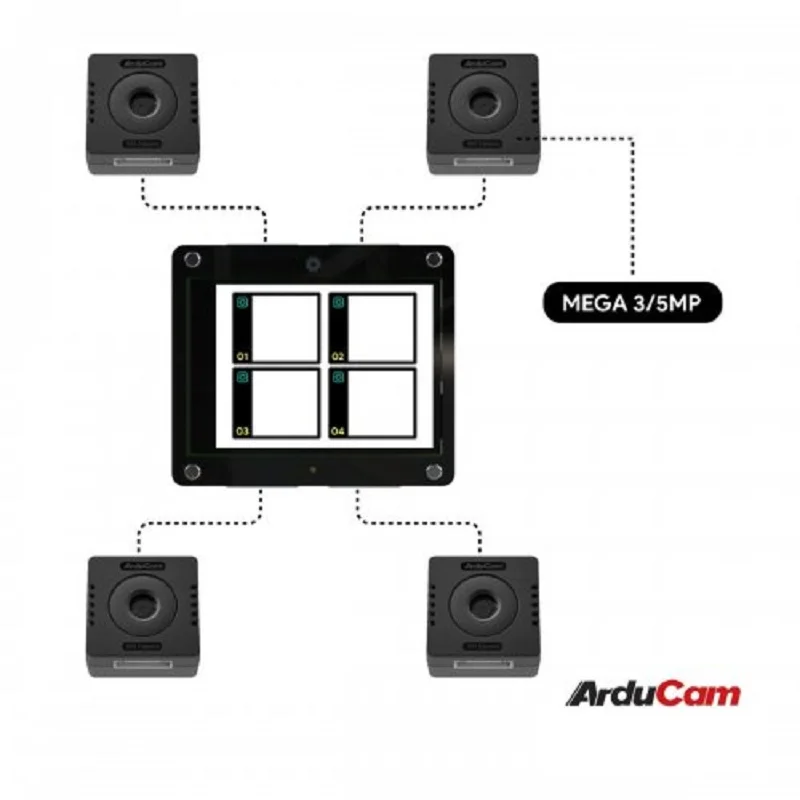
  • Multi-Camera SPI Adapter: Features four dedicated 6-pin SPI ports, enabling simultaneous connection of up to four Arducam Mega cameras for multi-view imaging, live streaming, or advanced computer vision applications.
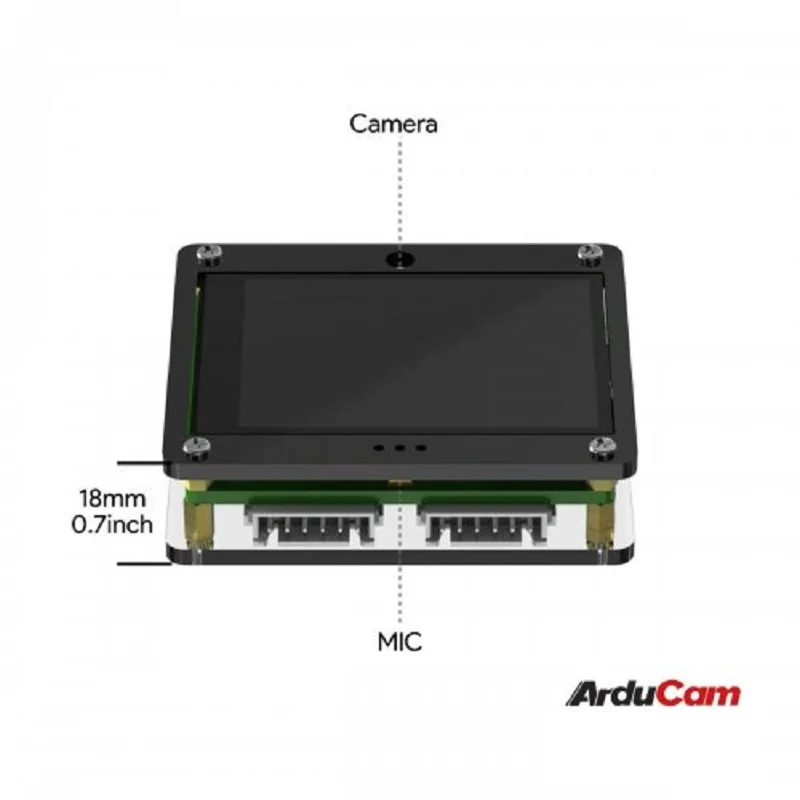
  • Integrated Peripherals for Full-Sensing: Comes with a 2.4-inch LCD touchscreen, digital microphone, 6-axis IMU (accelerometer/gyroscope), and support for microSD storage, providing a complete sensor fusion platform.
  • Pre-Loaded ML Examples: Kit ships with all-in-one firmware featuring ready-to-use demos including Person Detection, Wake Word Detection, and the Magic Wand gesture recognition model for immediate prototyping.
  • Expandable & Developer-Friendly: Supports USB mass storage, Wi-Fi connectivity, and includes an acrylic case, making it ideal for rapid deployment in educational, prototyping, and embedded AIoT applications.

Out of stock

Description

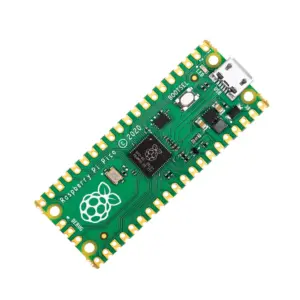
The Arducam Pico4ML-Pro TinyML Development Kit represents a significant evolution in accessible edge-AI hardware. Built upon the Raspberry Pi RP2040 dual-core ARM Cortex-M0+ processor, this kit is engineered from the ground up to simplify the deployment of machine learning models on microcontrollers. It consolidates vision, audio, and motion sensing into a single, programmable unit, eliminating the need for complex peripheral wiring and enabling developers to focus on model training and application logic.

Its defining hardware feature is the integrated multi-SPI camera adapter, which unlocks powerful multi-camera configurations typically reserved for more expensive compute modules. This allows for sophisticated applications like 360-degree surveillance, stereo vision for depth perception, or synchronized multi-sensor data capture. The kit’s comprehensive peripheral set—including the display, microphone, and IMU—facilitates the creation of interactive, context-aware devices that can see, hear, and respond to their environment in real-time without cloud dependency.

Key Features

  • Dedicated TinyML Exploration Board: Specifically designed and firmware-optimized for running TensorFlow Lite Micro, accelerating the path from model to on-device inference.
  • Quad SPI Camera Interface: Unique hardware design supports connecting up to four Arducam Mega SPI cameras concurrently, enabling advanced multi-camera computer vision projects.
  • All-in-One Sensor Hub: Integrates a 2.4-inch capacitive touch LCD for UI, a digital MEMS microphone for audio processing, and a 6-axis IMU for motion and gesture recognition.
  • Plug-and-Play Experience: Ships with pre-flashed firmware containing multiple working ML demos (Person Detection, Wake Word, Magic Wand), allowing immediate testing without any initial coding.
  • Robust Connectivity & Storage: Features onboard Wi-Fi, a microSD card slot for data logging or model storage, and USB 1.1 with host/device support for flexible connectivity.
  • Enhanced Power Management: Operates at 3.3V with a 5V input limit, designed for portable and battery-powered edge AI applications with efficient power consumption profiles.

Applications

  • Educational TinyML & AIoT Workshops: Ideal for teaching machine learning on microcontrollers, offering hands-on experience with vision, audio, and sensor fusion.
  • Smart Home & Security Prototypes: For building local, privacy-preserving devices like face recognition doorbells, wake-word activated assistants, or person-counting sensors.
  • Industrial Visual Inspection: The multi-camera capability allows for building low-cost, on-line quality control systems or multi-angle product scanning.
  • Interactive Art & Installations: Enables creation of responsive exhibits that react to gestures, sound, or human presence using onboard sensors and display.
  • Portable Data Collection Devices: Can be deployed for field research to capture annotated image datasets, audio samples, or environmental sensor logs directly to microSD.

Technical Specifications

Microcontroller / SoCRaspberry Pi RP2040 (Dual-core Cortex-M0+)
Clock Speed133 MHz
CPU Flash Memory2 MB
SRAM264 KB
Supply Voltage3.3 V
Input Voltage (Limit)5 V
DC Current per I/O Pin652 mA
Camera Interfaces4x SPI ports for Arducam Mega, 1x 1-wire for HM01B0
Display2.4-inch LCD Touchscreen
Integrated SensorsDigital Microphone, 6-axis IMU (Accelerometer/Gyroscope)
StorageMicroSD Card Slot
ConnectivityWi-Fi, USB 1.1 (Host & Device)
Operating TemperatureNot Specified
Dimensions (Shipping)10.5 x 8 x 4 cm

Frequently Asked Questions

What machine learning examples are pre-loaded on the Pico4ML-Pro?

The kit ships with an all-in-one firmware containing several pre-trained TensorFlow Lite Micro models ready for immediate use. These include a Person Detection model for identifying humans in the camera feed, a Wake Word Detection model for audio-triggered activation, and the popular Magic Wand model for recognizing specific gestures via the onboard IMU. You can access these demos through the touchscreen interface without any initial firmware flashing or coding required.

How do I connect and use multiple Arducam Mega cameras simultaneously?

The board features four dedicated 6-pin SPI ports. Use the included 150mm cables to connect up to four Arducam Mega SPI cameras (like the OV5647). In your code, you will initialize each camera on a separate SPI bus (SPI0, SPI1, etc.). The provided Arducam library examples can be modified to handle multi-camera capture, allowing for applications like live multi-view streaming, synchronized photo capture, or advanced computer vision pipelines that fuse data from different angles.

What software framework and IDE should I use to program this board?

The Pico4ML-Pro is fully compatible with the Raspberry Pi Pico SDK and can be programmed using the Arduino IDE with the Raspberry Pi Pico board package installed. For the pre-loaded TinyML examples and optimal performance with TensorFlow Lite Micro, it is recommended to use the Arduino IDE or PlatformIO. You will need to install the necessary libraries from Arducam's GitHub repository, which include drivers for the cameras, display, and sensor modules to replicate and extend the provided demos.

What is the power supply requirement and typical operating current?

The board operates at 3.3V logic level, with a recommended input voltage of 5V supplied via the USB-C port. The maximum DC current per I/O pin is 652mA, but total board consumption depends on active peripherals. With the LCD, camera, and RP2040 running, expect higher current draw. For battery-powered projects, utilize the RP2040's deep sleep modes and power down unused peripherals (like the display backlight) to significantly extend operational life between charges.

Package Includes

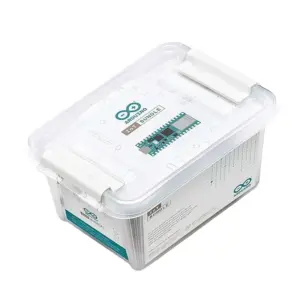
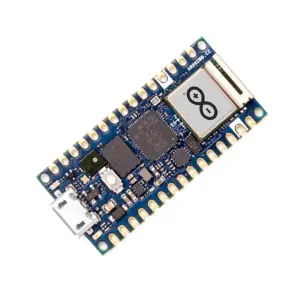
  • 1 x Pico4ML Pro TinyML Developer Kit (Main Board)
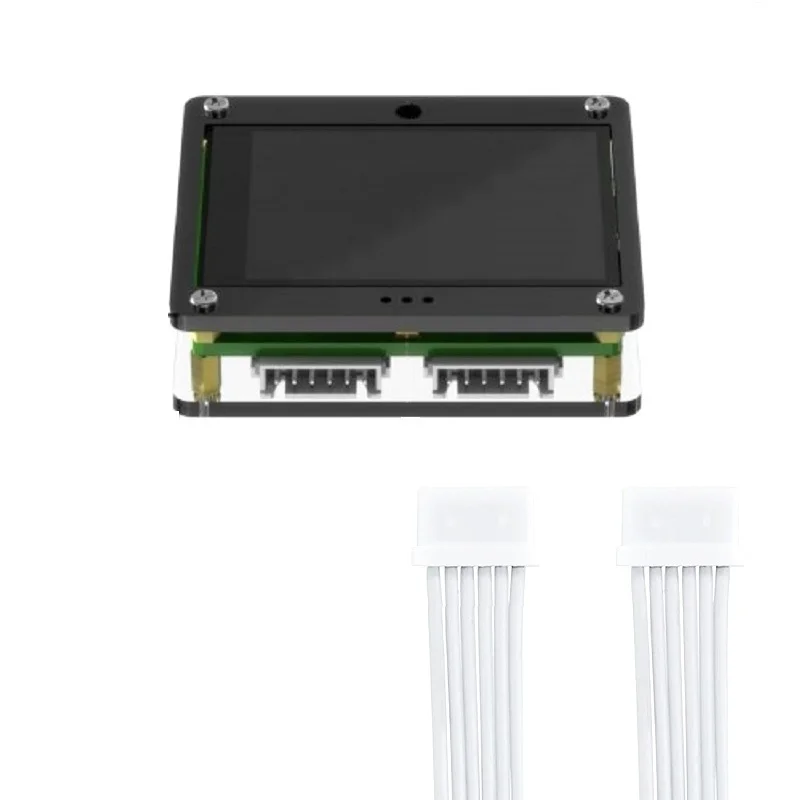
  • 4 x 150mm 6-pin SPI Camera Cables
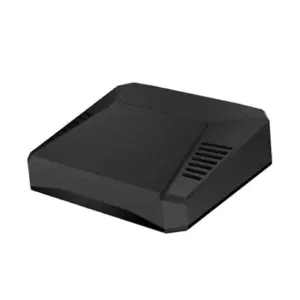
  • 1 x Acrylic Protective Case and Mounting Screws

Additional Information

Weight 0.054 kg
Dimensions 8 × 10.5 × 4 cm