SKU: IOWC-1134
📋 GST Invoice Available

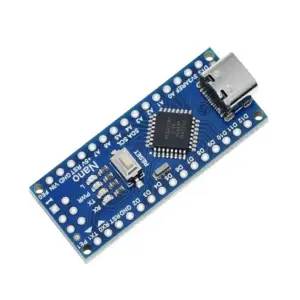
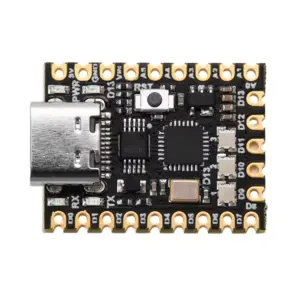
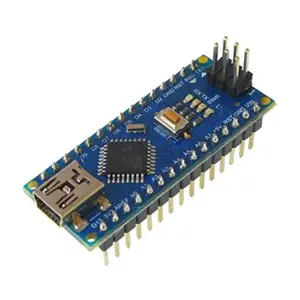
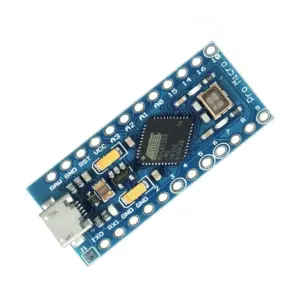
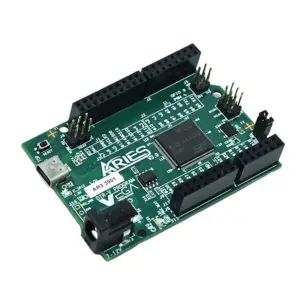
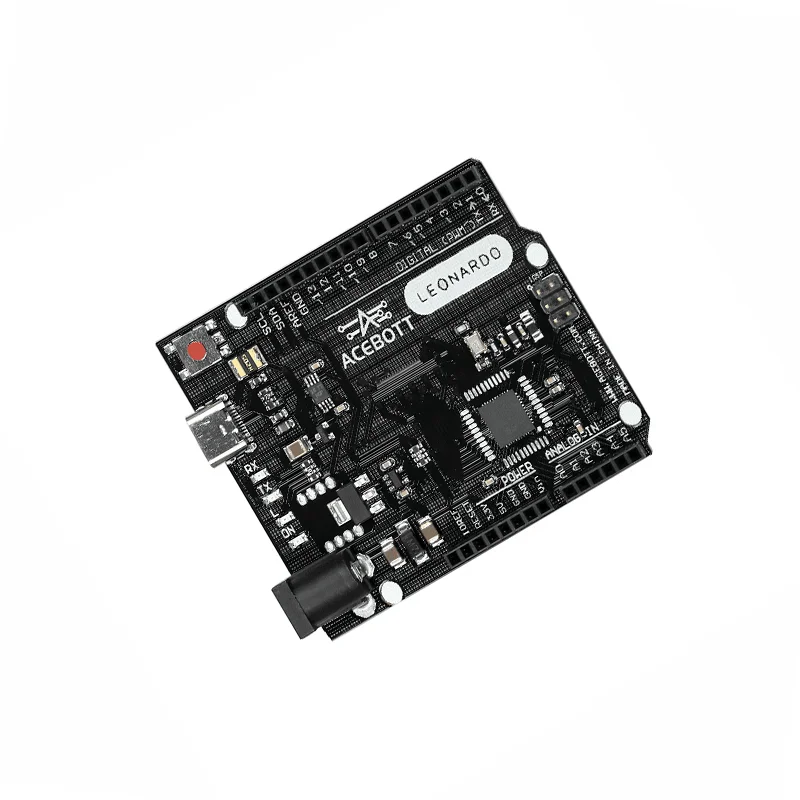
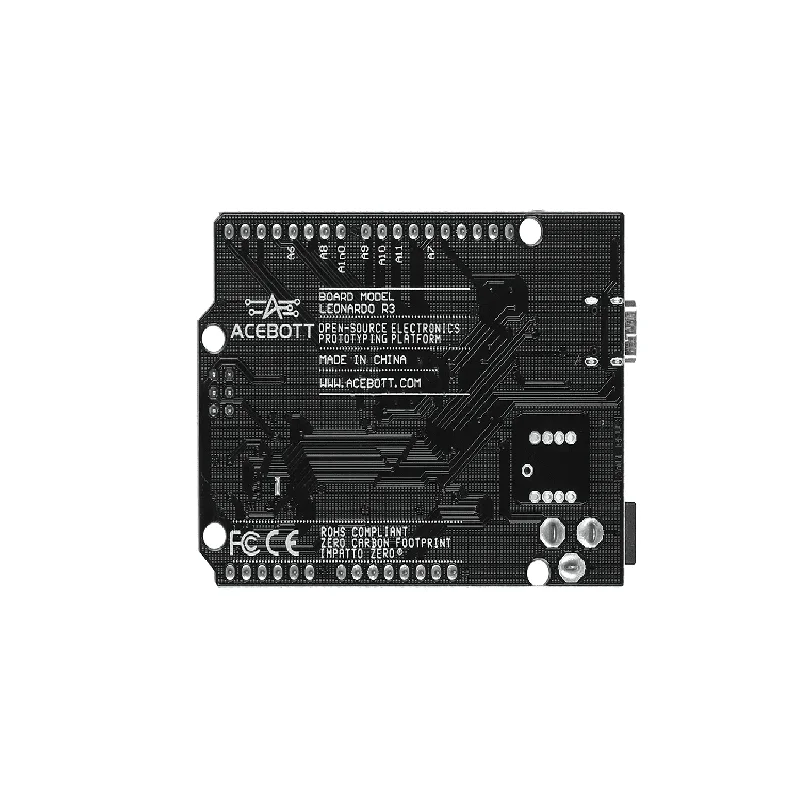
ACEBOTT Leonardo R3 Development Board ATmega32u4 w/ Type-C Cable

₹819.00 (Inclusive of all taxes)
Out of Stock

The ACEBOTT Leonardo R3 is a USB-native ATmega32u4 development board compatible with the Arduino IDE, featuring 20 digital I/O pins, 12 analog inputs, and a flexible 6-20V input range for robust embedded system and IoT prototyping.

Features

  • ATmega32u4 Microcontroller with native USB support, enabling direct USB HID emulation for keyboards, mice, and game controllers without a secondary chip.
  • 20 Digital I/O pins with 7 PWM outputs and 12 analog inputs for extensive sensor interfacing and actuator control in robotics and automation projects.
  • Flexible power input range of 6-20V (7-12V recommended) with a 5V operating voltage, suitable for battery-powered and industrial DC applications.
  • Includes 32KB flash memory, 2.5KB SRAM, and 1KB EEPROM for storing program code, runtime data, and persistent configuration settings.
  • Compact form factor with micro USB (Type-C cable included), ICSP header, and power jack for easy integration into prototypes and finished products.

Out of stock

Description

The ACEBOTT Leonardo R3 Development Board is built around the ATmega32u4 microcontroller, a chip distinguished by its integrated USB 2.0 full-speed controller. This architecture allows the board to act as a native USB device, making it an ideal platform for creating human interface devices (HID) like custom keyboards, MIDI controllers, or USB peripherals without requiring additional USB-to-serial conversion hardware. The board operates at 5V, driven by a precise 16 MHz crystal oscillator for stable timing-critical applications.

Engineered for versatile project development, the board provides a comprehensive set of I/O including 20 digital pins and 12 analog channels, supporting a wide array of sensors, displays, and motors. Its robust power management accepts a wide input voltage range from 6V to 20V, accommodating various power sources from LiPo batteries to regulated DC supplies. The inclusion of an ICSP header facilitates direct microcontroller programming, bypassing the USB bootloader for advanced firmware development and debugging workflows.

Key Features

  • Native USB HID capability via the integrated ATmega32u4, perfect for plug-and-play USB device development.
  • Extensive I/O expansion with 7 PWM-capable digital pins for motor/servo control and 12-channel ADC for precise analog sensor monitoring.
  • Wide operating voltage input (6-20V) with onboard voltage regulation for stable 5V and 3.3V power rails.
  • Onboard 16 MHz crystal oscillator ensures accurate timing for communication protocols and real-time operations.
  • Direct ICSP (In-Circuit Serial Programming) header for advanced firmware flashing and debugging without the USB bootloader.
  • Compact and breadboard-friendly design with clearly labeled pins for rapid prototyping and circuit integration.
  • Includes a 1-meter Type-C cable for convenient programming and power delivery via the micro USB port.

Applications

  • Custom USB HID Devices: Development of keyboards, mice, joysticks, and MIDI controllers.
  • Robotics & Mechatronics: Core controller for mobile robots, robotic arms, and motorized projects.
  • IoT Prototyping: Central logic unit for sensor nodes, environmental monitors, and smart home gadgets.
  • Educational & Maker Projects: Ideal platform for learning embedded systems, electronics, and Arduino programming.
  • Rapid Prototyping: Breadboard-compatible base for testing circuits and validating product concepts.

Technical Specifications

Microcontroller / SoCATmega32u4
Operating Voltage5V
Input Voltage (Recommended)7-12V
Input Voltage (Limits)6-20V
Digital I/O Pins20 (7 provide PWM output)
Analog Input Pins12
DC Current per I/O Pin40 mA
Flash Memory32 KB (4 KB used by bootloader)
SRAM2.5 KB
EEPROM1 KB
Clock Speed16 MHz
USB InterfaceMicro USB (Native via ATmega32u4)
Programming InterfaceUSB (via bootloader) & ICSP Header

Frequently Asked Questions

How do I program the ACEBOTT Leonardo R3 board?

Install the Arduino IDE and select 'Arduino Leonardo' from the board manager. Connect the board via the included Type-C cable. The ATmega32u4's native USB allows it to appear as a serial COM port for uploading sketches. For low-level programming, use the ICSP header with an AVR programmer like USBasp. Ensure you have the correct drivers installed if the board is not recognized automatically by your operating system.

What is the advantage of the ATmega32u4 over an ATmega328P?

The primary advantage is integrated USB 2.0 support. The ATmega32u4 can act as a native USB device, enabling the board to emulate keyboards, mice, or game controllers without a separate USB-to-serial chip. This simplifies projects requiring direct USB communication. It also has more USB endpoints and different memory mapping compared to the ATmega328P found in standard Uno boards, which relies on a secondary chip for USB connectivity.

What power supply should I use with this development board?

You can power the board via the micro USB port (5V) or the DC barrel jack. For the barrel jack, the recommended input voltage is 7 to 12V DC, though it can accept 6V to 20V. The onboard regulator steps this down to 5V. Avoid exceeding 20V to prevent damage to the voltage regulator. For battery-powered projects, a 2S LiPo (7.4V) or a 9V battery is suitable. Always observe polarity when connecting external power to the jack.

Package Includes

  • 1 x ACEBOTT Leonardo R3 Development Board
  • 1 x 1M Type-C Cable

Additional Information

Weight 0.05 kg
Dimensions 13 × 11 × 3 cm