SKU: SENS-3027
📋 GST Invoice Available

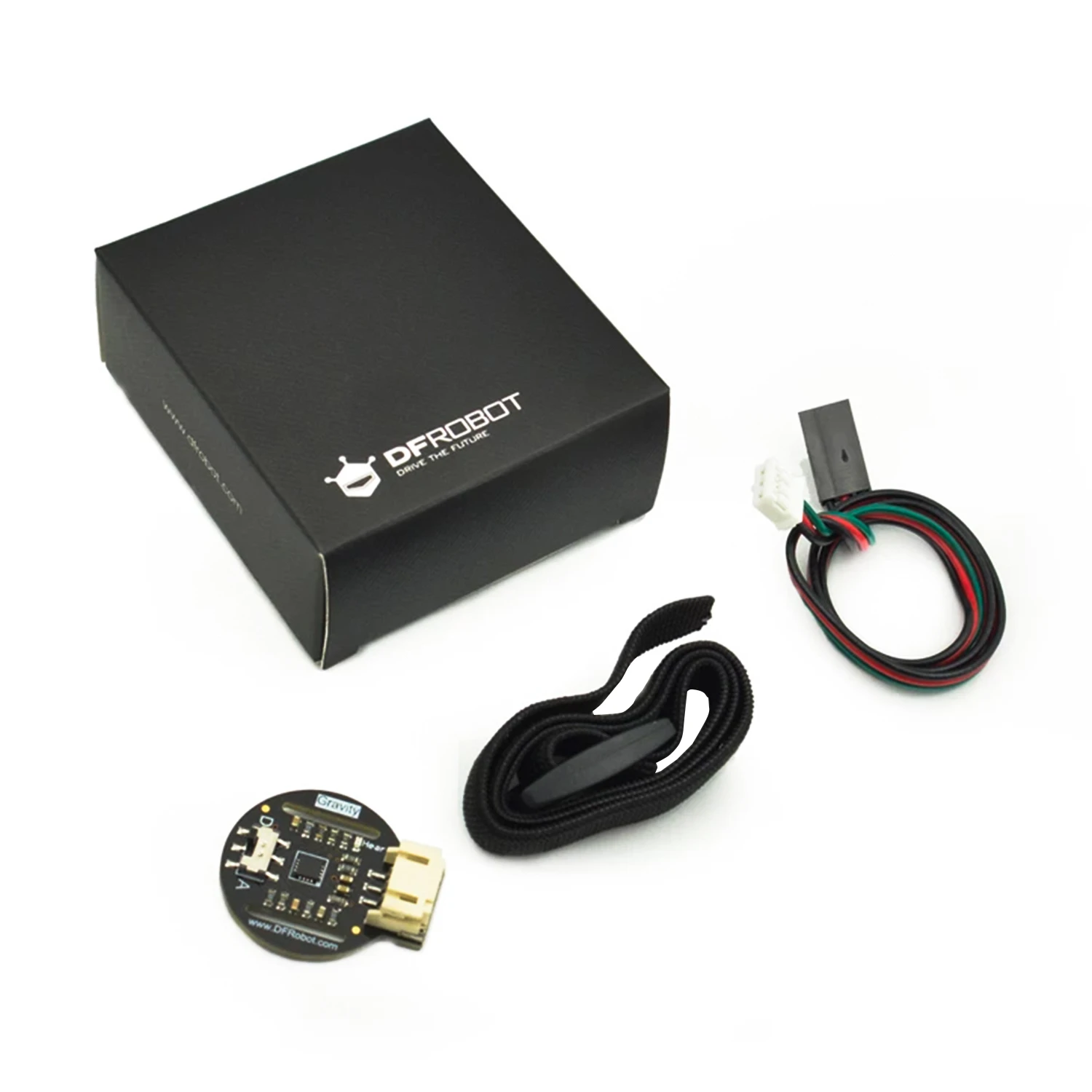
DFRobot Gravity Heart Rate Monitor Sensor for Arduino - PPG Optical Sensor Module

₹1,889.00 (Inclusive of all taxes)
Out of Stock

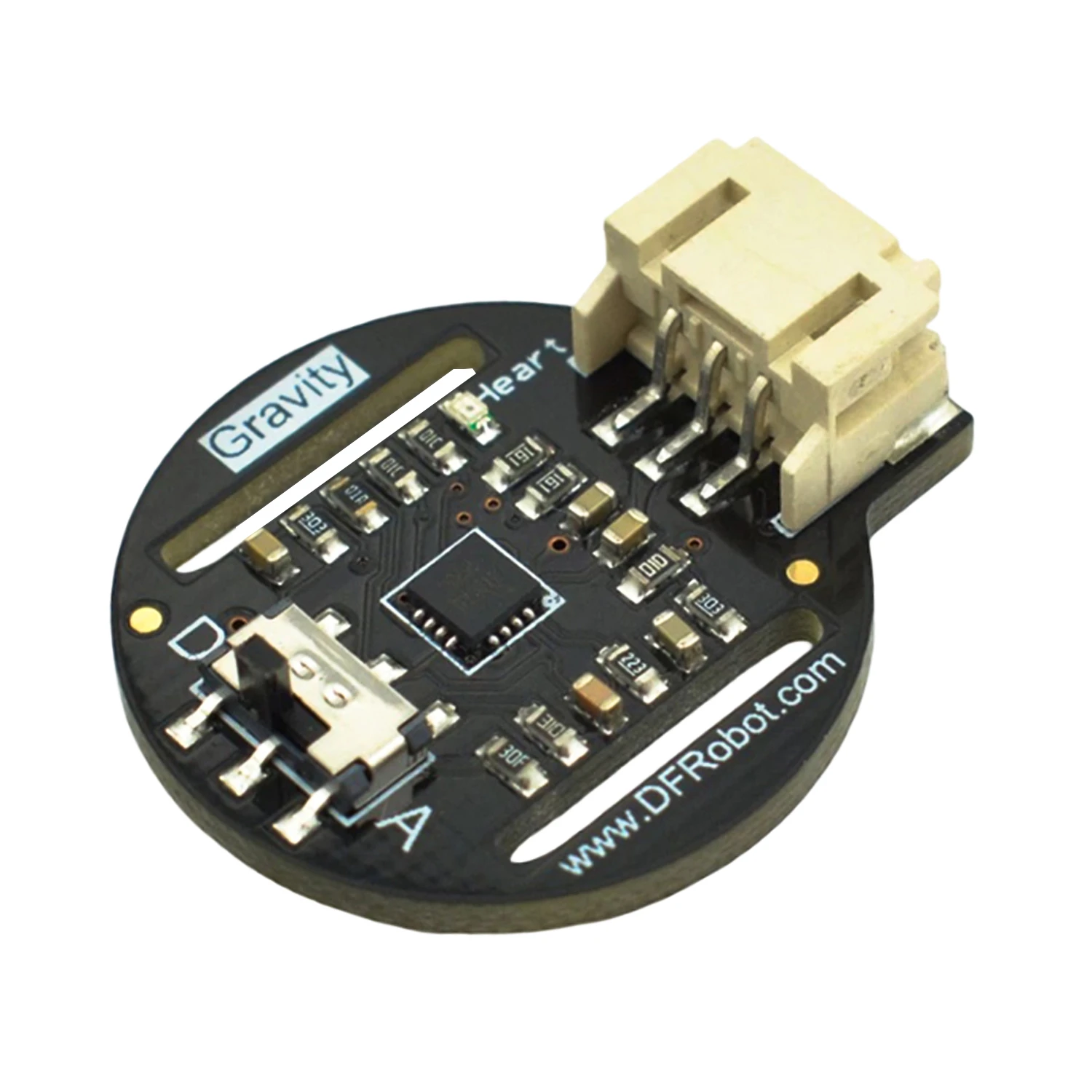
The DFRobot Gravity Heart Rate Monitor is a PPG-based optical sensor module designed for Arduino and Raspberry Pi, providing analog and digital output for real-time pulse detection and heart rate monitoring applications.

Features

  • PPG (Photoplethysmography) optical sensing for non-invasive heart rate detection
  • Wide 3.3V to 6V input range with 5V recommended for optimal performance
  • Dual analog (0-Vin) and digital (0/Vin) output signals for flexible microcontroller interfacing
  • Gravity 3-pin interface for plug-and-play compatibility with DFRobot shields and Arduino
  • Compact 28mm x 24mm form factor with mounting holes for wearable or fixed installations

Out of stock

Description

The DFRobot Gravity Heart Rate Monitor employs PPG (Photoplethysmography) technology to detect blood volume changes in peripheral capillaries. This optical technique uses a green LED light source and photodetector to capture the pulsatile component of the cardiac cycle, translating it into a measurable analog waveform and digital pulse signal.

Designed for seamless integration, the module features the standardized Gravity 3-pin connector (Signal, VCC, GND) for immediate compatibility with DFRobot’s ecosystem and Arduino development boards. Its low operating current (<10mA) makes it suitable for battery-powered wearable projects, while the robust signal conditioning ensures reliable readings from finger, wrist, or earlobe placement.

Key Features

  • PPG-based optical heart rate sensing with optimized LED-photodetector pair
  • Dual-output design: Analog output for waveform analysis and digital output for direct pulse counting
  • Wide operating voltage range (3.3V-6V) compatible with 5V Arduino and 3.3V Raspberry Pi/ESP32 systems
  • Ultra-low power consumption (<10mA) ideal for portable and wearable health monitoring devices
  • Gravity standardized interface for quick prototyping without soldering or complex wiring
  • Compact, thumb-sized PCB with mounting holes for secure integration into straps or enclosures
  • Engineered signal conditioning for stable readings in varying ambient light conditions

Applications

  • Wearable fitness trackers and smartwatch heart rate monitoring modules
  • Arduino-based biofeedback and health monitoring project prototypes
  • Educational kits for demonstrating PPG principles and physiological sensing
  • Portable pulse oximeter proof-of-concept devices (requires additional IR LED)
  • Stress level and relaxation biofeedback system input sensors

Technical Specifications

Manufacturer / BrandDFRobot
Product NameGravity Heart Rate Monitor Sensor
Sensing TechnologyPPG (Photoplethysmography) Optical
Input Voltage (Vin)3.3V - 6V DC (5V Recommended)
Output SignalsAnalog (0 - Vin), Digital (0 / Vin)
Operating Current< 10 mA
InterfaceGravity 3-Pin (Signal, VCC, GND)
CompatibilityArduino, Raspberry Pi, ESP32, Intel Edison/Joule/Curie
Dimensions (L x W)28 mm x 24 mm (1.102" x 0.945")
Shipping Weight0.020 kg

Frequently Asked Questions

What is the operating voltage range for this DFRobot heart rate sensor?

The module accepts a wide input voltage range from 3.3V to 6V DC. A 5V supply is recommended for optimal performance and compatibility with standard Arduino boards. When connecting to 3.3V logic systems like Raspberry Pi or ESP32, you can power it directly from the 3.3V pin.

How do I connect this sensor to an Arduino board?

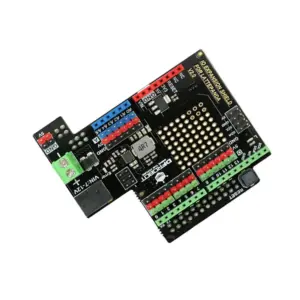
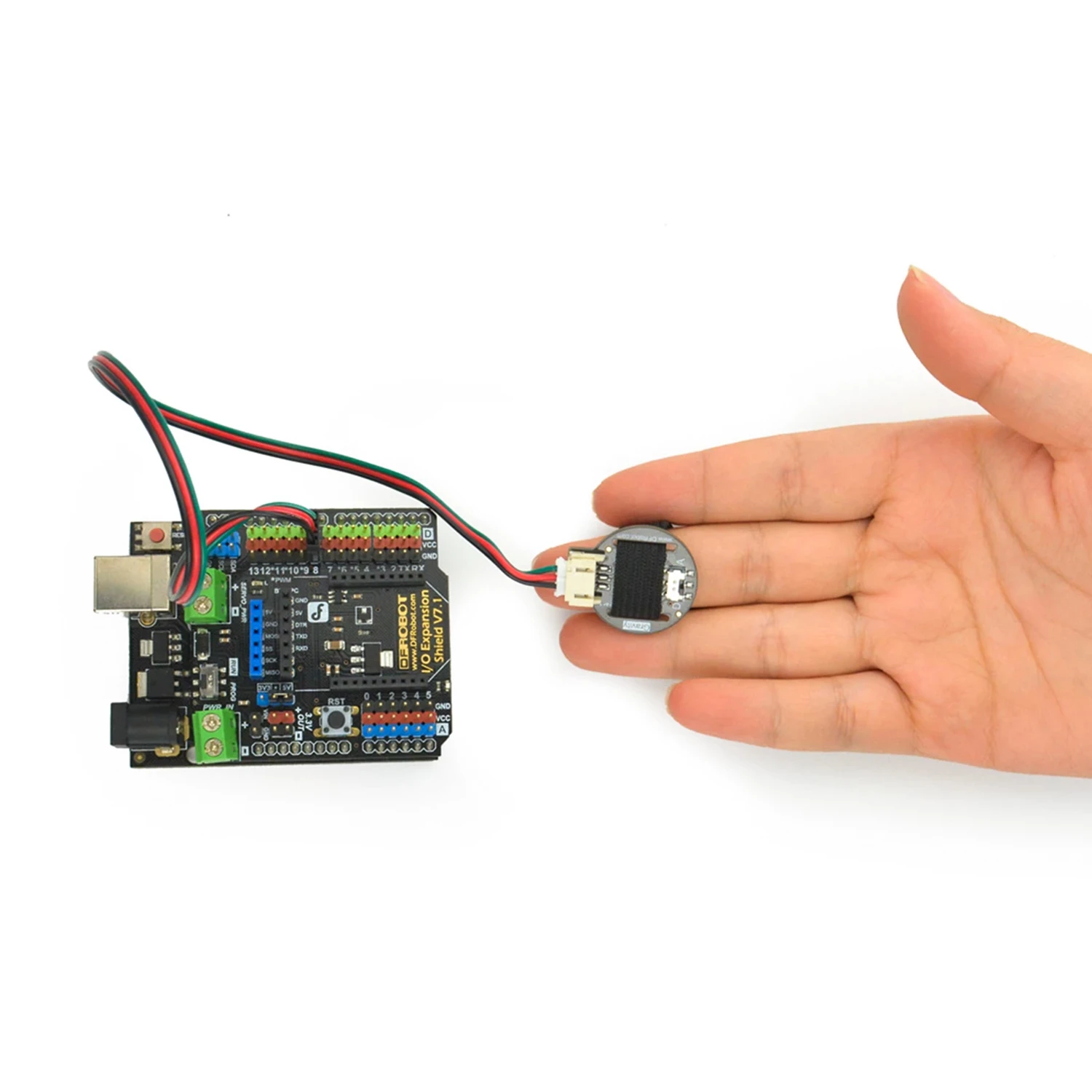
Use the 3-pin Gravity cable (included) to connect the module's Signal (S), VCC (+), and GND (-) pins to your Arduino. The Signal pin can be connected to an analog input (e.g., A0) for waveform reading or a digital input for pulse counting. For easiest setup, use a DFRobot Gravity I/O Expansion Shield for plug-and-play operation.

Can this sensor be used with Raspberry Pi or ESP32?

Yes. For Raspberry Pi or other 3.3V logic platforms, power the module from the 3.3V pin. The analog output can be read using an external ADC (MCP3008, ADS1115) since the Pi lacks built-in analog inputs. The digital pulse output can be connected directly to a GPIO pin for counting.

Where on the body can I place this sensor for accurate readings?

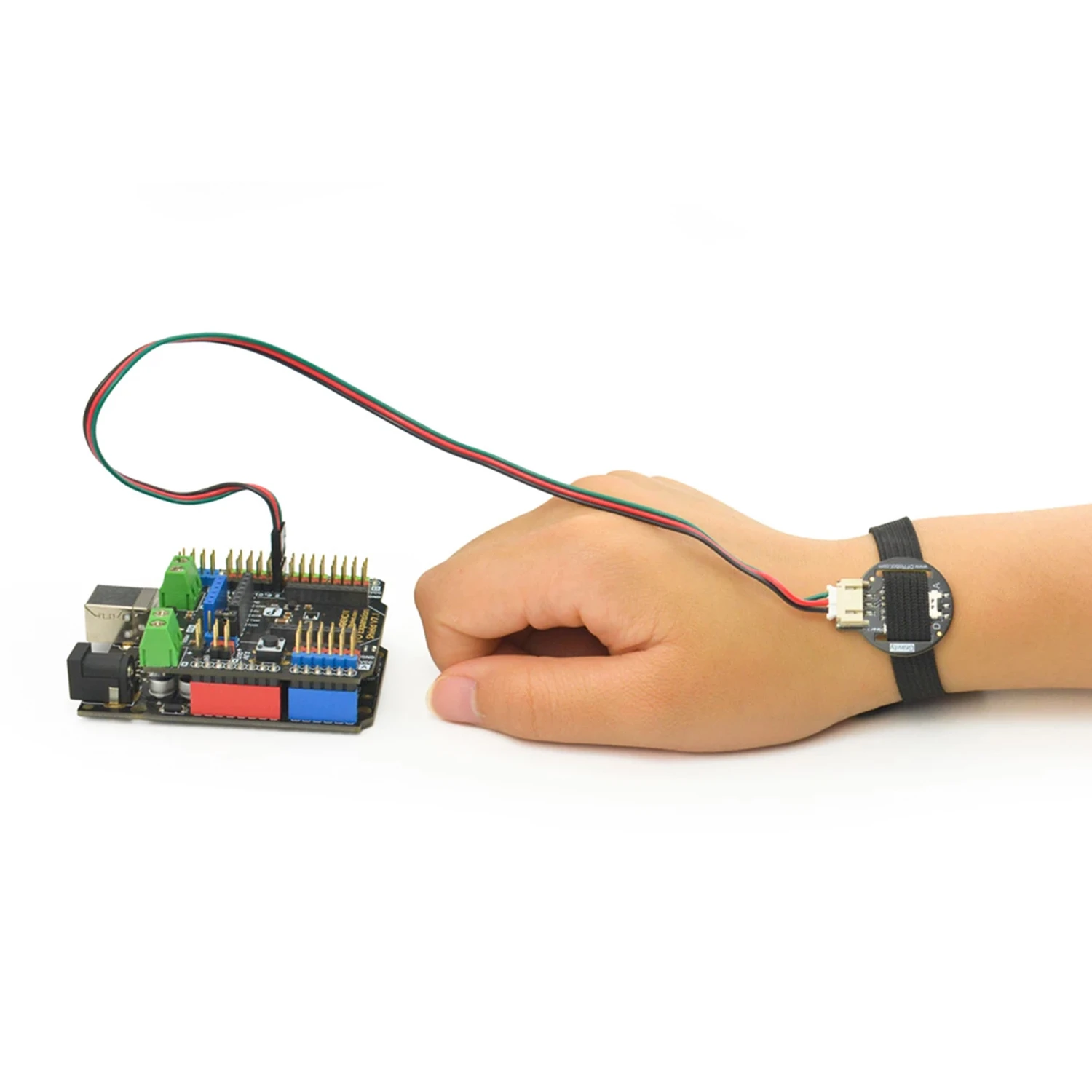
For reliable PPG signal acquisition, place the sensor on a vascularized area with minimal tissue between the skin and capillaries. Common effective locations include the fingertip, wrist (radial artery side), earlobe, or temple. Ensure firm but comfortable contact and shield the sensor from ambient light for best results.

What is the difference between the analog and digital outputs?

The analog output provides a continuous voltage (0-Vin) proportional to the detected blood flow, allowing you to plot the full PPG waveform and extract heart rate variability (HRV). The digital output is a clean, squared pulse (0V/Vin) synchronized with each heartbeat, ideal for simple pulse counting and instantaneous heart rate (BPM) calculation.

Package Includes

  • 1 x DFRobot Gravity Heart Rate Monitor Sensor Module

Additional Information

Weight 0.02 kg
Dimensions 2.8 × 2.4 cm