SKU: SENS-0913
📋 GST Invoice Available

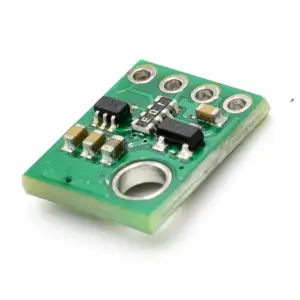
Seeed Studio Studio Grove HCHO Formaldehyde Gas Sensor - WSP2110 VOC Detector

₹1,659.00 (Inclusive of all taxes)
Out of Stock

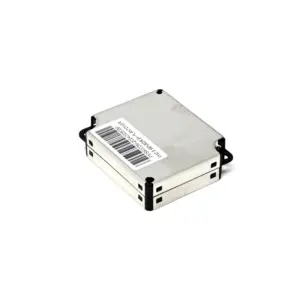
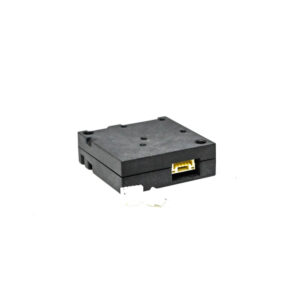
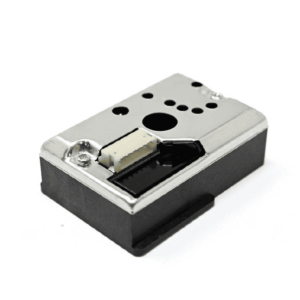
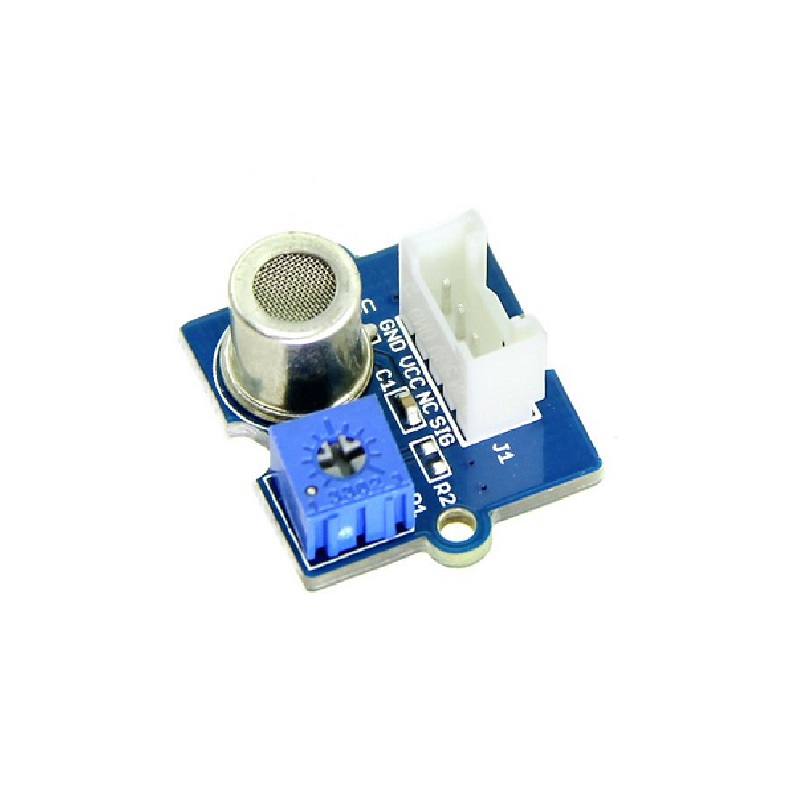
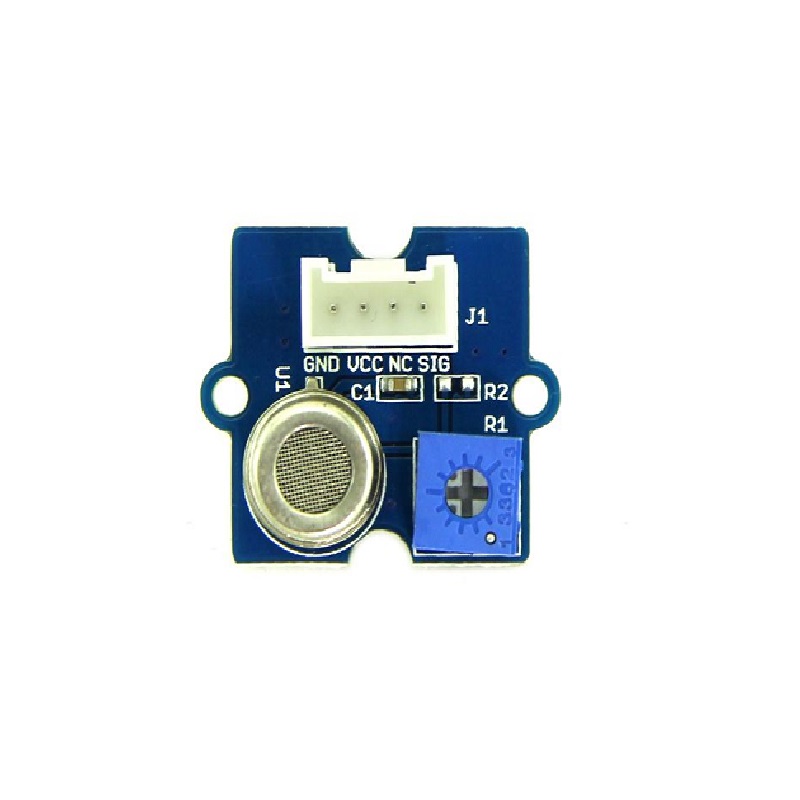
The Seeed Studio Studio Grove HCHO Sensor is a semiconductor VOC gas sensor module based on the WSP2110, designed for easy integration with 5V Arduino, Raspberry Pi, and other Grove-compatible microcontroller systems to detect formaldehyde, benzene, toluene, and alcohol vapors.

Features

  • Semiconductor VOC sensor based on WSP2110 element for detecting HCHO, benzene, toluene, and alcohol.
  • Standard 5.0V ±0.3V operating voltage compatible with Arduino, Raspberry Pi, and Grove ecosystem.
  • Detection range from 1 ppm to 50 ppm for volatile organic compounds.
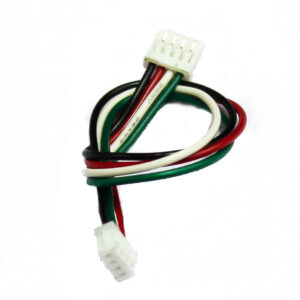
  • Grove 4-pin connector (VCC, GND, SIG, NC) for plug-and-play wiring and rapid prototyping.
  • Provides analog output signal corresponding directly to gas concentration.

Out of stock

Description

The Grove HCHO Sensor utilizes a metal oxide semiconductor (MOS) sensing element, the WSP2110, whose electrical conductivity varies with the concentration of target Volatile Organic Compounds (VOCs) in the ambient air. An integrated signal conditioning circuit converts this change in conductivity into a stable analog voltage output, which can be read by an ADC pin on a microcontroller for quantitative measurement.

Designed for indoor air quality monitoring, this sensor is particularly sensitive to formaldehyde (HCHO), a common indoor pollutant. Its performance is characterized by a sensor resistance range of 10KΩ to 100KΩ when exposed to 10 ppm of HCHO, with a sensitivity ratio (Rs in air / Rs in 10ppm HCHO) of ≥5. The module operates on a standard 5V DC supply, making it directly compatible with the Seeed Studio Studio Grove system for rapid prototyping and integration into environmental sensing nodes.

Key Features

  • WSP2110-based semiconductor sensor for reliable VOC detection.
  • Optimized for formaldehyde (HCHO) sensitivity, also detects benzene, toluene, and alcohol.
  • Linear analog output signal proportional to gas concentration for straightforward data acquisition.
  • Grove standardized 4-pin interface (VCC, GND, SIG, NC) eliminates complex wiring.
  • Compact form factor designed for integration into portable air quality monitors and fixed indoor monitors.
  • Stable 5V operation ensures compatibility with a wide range of development boards and microcontrollers.
  • High-value build for educational projects, DIY environmental stations, and preliminary indoor air quality assessments.

Applications

  • Indoor air quality monitoring systems for homes, offices, and schools targeting formaldehyde and VOC levels.
  • DIY environmental sensing nodes integrated with Arduino or Raspberry Pi for data logging and alerting.
  • Preliminary air quality assessment in furniture, flooring, or renovation material testing setups.
  • Educational projects demonstrating semiconductor gas sensor principles and environmental sensing.
  • Portable air quality detectors for personal health and wellness monitoring.

Technical Specifications

Item TypeGas Sensor Module
Operating Voltage5.0V ±0.3V DC
Model Number / CoreGrove HCHO Sensor (WSP2110)
Target GasesHCHO (Formaldehyde), Benzene, Toluene, Alcohol
Detecting Range1 ~ 50 ppm
Sensitivity (Rs in air / Rs in 10ppm HCHO)≥ 5
Sensor Resistance (in 10ppm HCHO)10KΩ - 100KΩ
Output TypeAnalog Signal (SIG)
InterfaceGrove 4-pin (VCC, GND, SIG, NC)
Shipping Weight0.01 kg
Shipping Dimensions6 x 3 x 1 cm

Frequently Asked Questions

What is the operating voltage range for this Grove HCHO sensor?

The sensor requires a stable 5.0V DC supply, with a tolerance of ±0.3V. It is designed to be powered directly from the 5V pin on Arduino boards or the Grove system's VCC line. Exceeding this voltage range may damage the sensor's internal circuitry.

How do I connect and read data from this sensor?

Connect the module's Grove 4-pin connector to a Grove-compatible shield or base board. The SIG pin provides an analog voltage output. Connect this pin to an analog input (ADC) on your microcontroller (e.g., Arduino A0). Read the ADC value; a higher voltage corresponds to a higher concentration of target VOCs in the air.

What gases does this sensor detect, and what is its measurement range?

This sensor is primarily sensitive to formaldehyde (HCHO) but also responds to benzene, toluene, and alcohol vapors. Its effective detection range is from 1 part per million (ppm) up to 50 ppm for these volatile organic compounds. It provides a qualitative to semi-quantitative indication of VOC levels.

Does this sensor require calibration?

For accurate quantitative measurements, periodic calibration using known gas concentrations is recommended. The analog output provides a relative indication of gas presence. For project use, you can establish a baseline reading in clean air and monitor for significant deviations above that baseline.

Is this sensor suitable for outdoor or industrial use?

This sensor is designed primarily for indoor air quality monitoring and educational applications. It is not IP-rated for waterproofing and may be affected by extreme temperatures, humidity, or high concentrations of non-target gases. For harsh industrial environments, dedicated industrial-grade transmitters are required.

Package Includes

  • 1 x Seeed Studio Studio Grove HCHO Formaldehyde Gas Sensor Module

Additional Information

Weight 0.01 kg
Dimensions 6 × 3 × 1 cm