SKU: SENS-0737
📋 GST Invoice Available

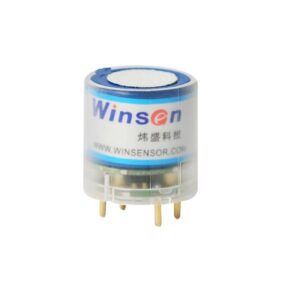
MQ-136 Hydrogen Sulfide (H₂S) Gas Detection Sensor - SnO₂ Semiconductor

₹1,049.00 (Inclusive of all taxes)
Out of Stock

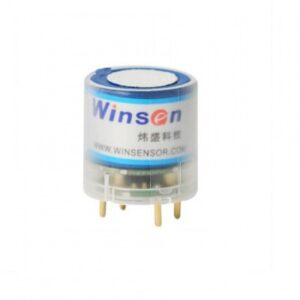
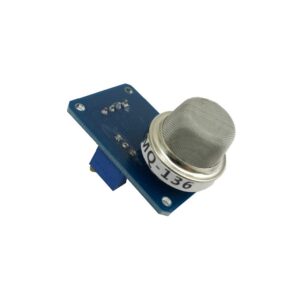
The MQ-136 is a semiconductor-based gas sensor module designed for detecting Hydrogen Sulfide (H₂S) concentrations from 1 to 200 ppm. It operates on a standard 5V heater voltage and provides a simple analog interface, making it compatible with common microcontrollers like Arduino, Raspberry Pi, and industrial PLCs for air quality monitoring and safety systems.

Features

  • Semiconductor SnO₂ sensing element for Hydrogen Sulfide (H₂S) detection.
  • Wide detection range from 1 to 200 ppm H₂S concentration.
  • Standard 5.0V ±0.1V heater voltage (AC or DC) for operation.
  • Simple analog output interface compatible with ADC modules.
  • Durable bakelite and metal cap encapsulation for stable performance.

Out of stock

Description

The MQ-136 sensor utilizes a tin dioxide (SnO₂) semiconductor sensing element. When exposed to Hydrogen Sulfide gas, the sensor’s conductivity increases proportionally to the gas concentration, allowing for straightforward signal conditioning via a simple voltage divider circuit. This analog output can be read by most microcontrollers’ ADC inputs.

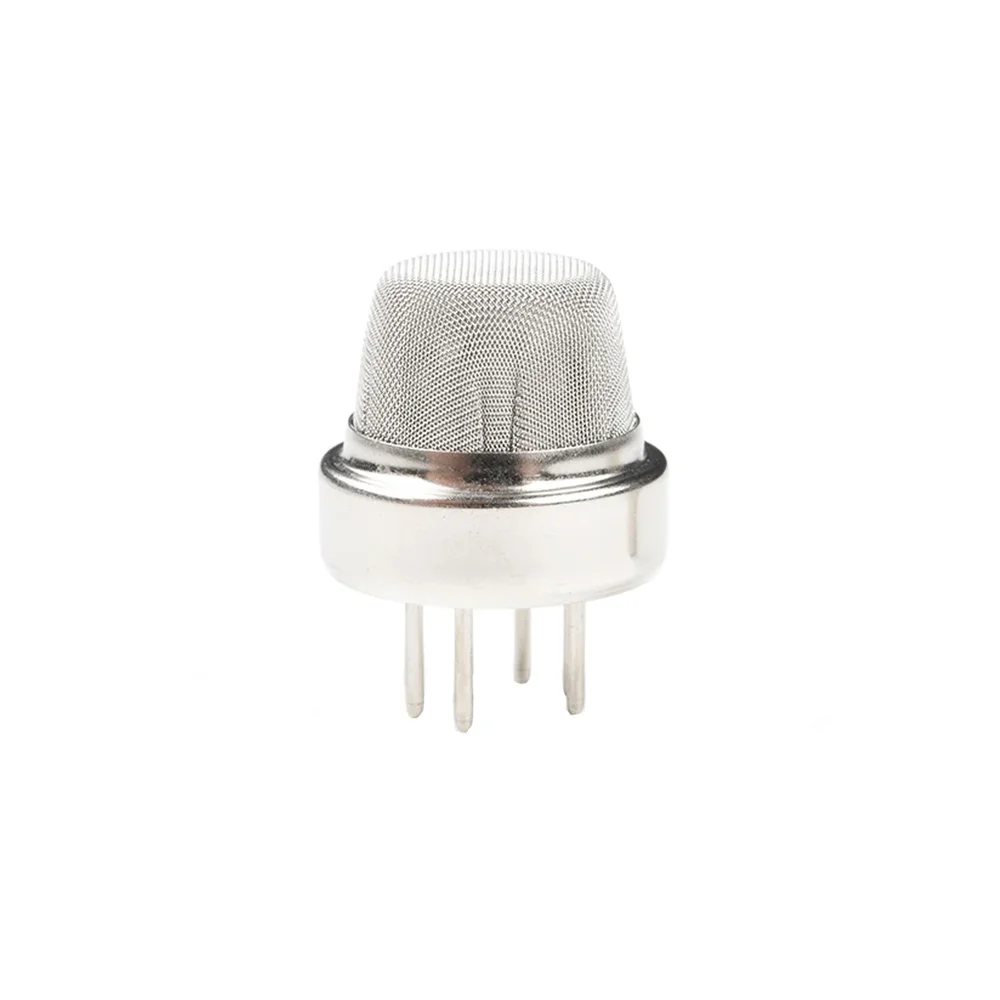
Designed for reliable operation in varied environments, the sensor features a robust bakelite body with a metal cap housing the sensing element. It requires a preheating period upon power-up to reach its optimal operating temperature and ensure stable, accurate readings. Its construction and sensing principle make it a practical choice for cost-effective gas detection solutions.

Key Features

  • SnO₂ semiconductor sensing technology for H₂S detection.
  • Broad detection spectrum from 1 ppm to 200 ppm Hydrogen Sulfide.
  • Operates with a precise 5.0V ±0.1V heater supply (AC/DC compatible).
  • Low heater resistance of 29Ω ±3Ω at room temperature.
  • Durable construction with bakelite base and anti-corrosion metal cap.
  • Simple interface requiring only a basic drive circuit for analog output.
  • Optimized performance-to-cost ratio for safety and monitoring applications.
  • Suitable for detecting sulfur-based organic vapors and compounds.

Applications

  • Industrial plant safety systems for H₂S leak detection in oil & gas facilities.
  • Portable personal gas detectors for worker safety in confined spaces.
  • Wastewater treatment plant air quality and odor monitoring.
  • Laboratory fume hood and chemical storage area safety alarms.
  • Educational and prototyping projects for environmental sensing with Arduino or Raspberry Pi.

Technical Specifications

ModelMQ-136
Sensor TypeSemiconductor
Sensing MaterialSnO₂ (Tin Dioxide)
Target GasHydrogen Sulfide (H₂S)
Detection Range1 – 200 ppm
EncapsulationBakelite, Metal Cap
Loop Voltage (Vc)≤ 24V DC
Heater Voltage (VH)5.0V ±0.1V (AC or DC)
Heater Resistance (RH)29Ω ±3Ω (at room temperature)
Operating Humidity55% ±5% RH
Standard Circuit Voltage5.0V ±0.1V
Weight4 g

Frequently Asked Questions

What is the operating voltage for the MQ-136 sensor's heater?

The MQ-136 sensor's heater requires a precise 5.0V ±0.1V supply, which can be either AC or DC. The loop or circuit voltage (Vc) for the sensing element can be up to 24V DC. It is critical to provide a stable 5V to the heater pins for proper sensor operation and accurate readings.

How do I interface the MQ-136 sensor with an Arduino or microcontroller?

Interface the MQ-136 using a simple voltage divider circuit. Connect the sensor's output pin (typically the A or B pin from the sensing element) to an analog input pin on your microcontroller (e.g., Arduino A0) through a load resistor. The varying voltage corresponds to gas concentration and can be read with the ADC. The heater must be powered separately with 5V.

What gases does the MQ-136 sensor detect besides Hydrogen Sulfide?

The MQ-136 is primarily calibrated for Hydrogen Sulfide (H₂S). However, as a semiconductor SnO₂ sensor, it can also exhibit sensitivity to other sulfur-based compounds and organic vapors. For precise H₂S measurement, environmental calibration and consideration of potential cross-sensitivity are recommended, especially in complex gas mixtures.

Does the MQ-136 sensor require a preheating or burn-in period?

Yes, the MQ-136 requires a preheating period after initial power-up. It is recommended to power the heater for at least 24-48 hours (burn-in) before taking reliable measurements and again for 5-10 minutes before each use after prolonged storage. This stabilizes the sensor's internal chemistry and ensures consistent, accurate output.

What is the physical construction and weight of the MQ-136 sensor?

The sensor is constructed with a bakelite base and a metal cap that houses the SnO₂ sensing element. This provides durability and protection. The total weight is approximately 4 grams, and its compact dimensions are roughly 3cm x 3cm x 2cm, making it suitable for integration into portable devices and fixed installations.

Package Includes

  • 1 x MQ-136 Hydrogen Sulfide Gas Detection Sensor

Additional Information

Weight 0.005 kg
Dimensions 3 × 3 × 2 cm