SKU: IOWC-1364
📋 GST Invoice Available

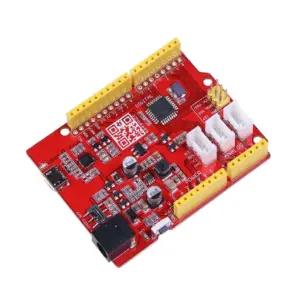
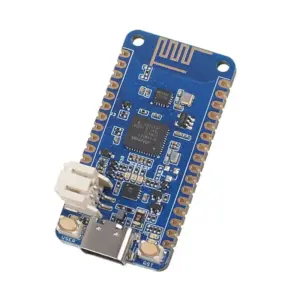
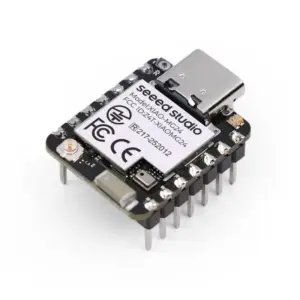
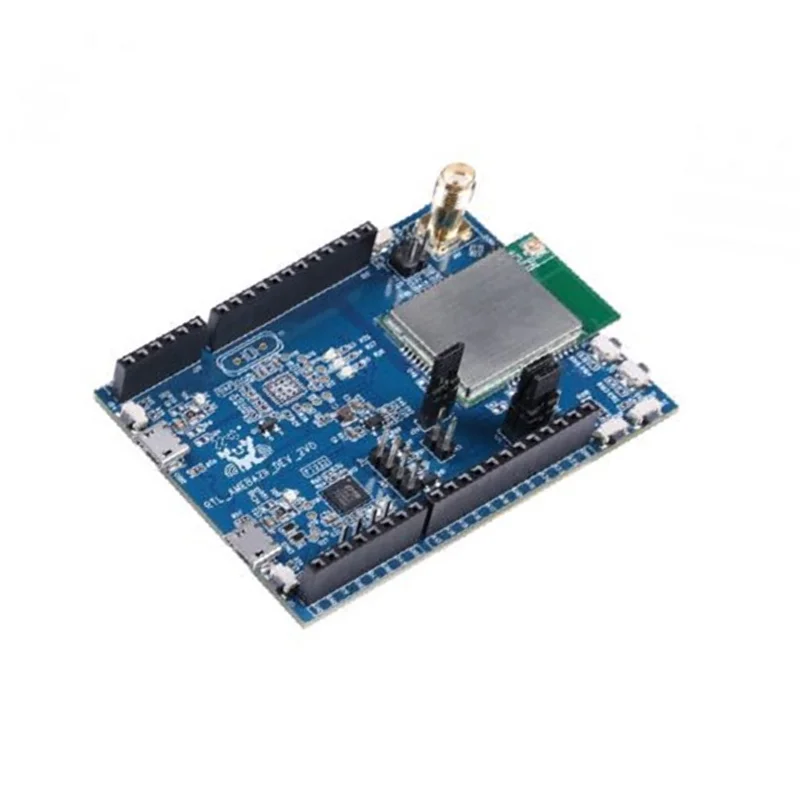
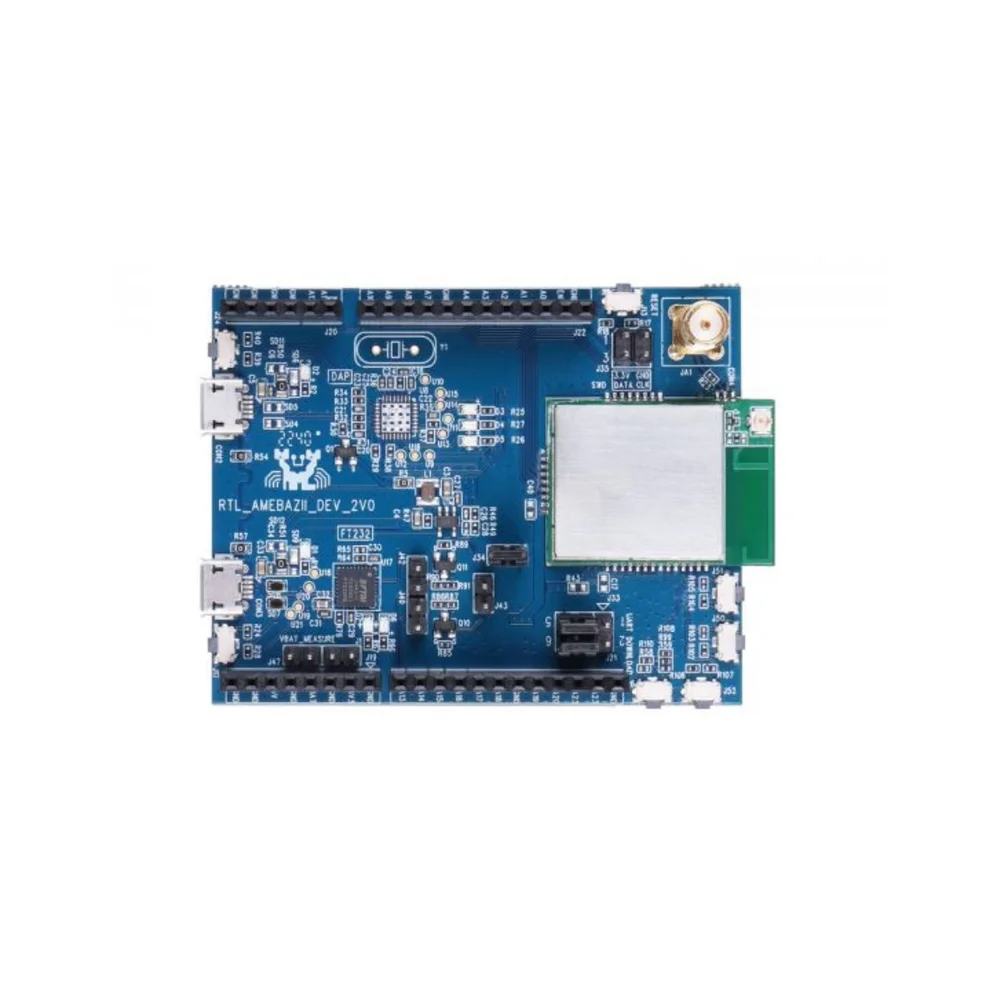
Seeed Studio Studio Ameba Z2 AWS IoT ExpressLink DevKit

₹3,359.00 (Inclusive of all taxes)
Out of Stock

The Ameba Z2 AWS IoT ExpressLink DevKit, based on the Realtek RTL8720CM SoC, provides a direct serial (UART) connection to AWS IoT Core with pre-installed ExpressLink software, enabling rapid deployment of secure Wi-Fi and BLE IoT applications.

Features

  • AWS IoT ExpressLink Pre-Installed: Securely connect to AWS IoT Core via a simple UART interface and abstracted API, bypassing complex network and encryption layers.
  • Dual Wireless Connectivity: Integrates 802.11 b/g/n (2.4GHz) Wi-Fi and Bluetooth 4.2 Low Energy (BLE) with optional SIG Mesh support.
  • Powerful ARM Cortex-M4 Core: Features a 100MHz ARMv8M KM4 MCU with 4.2MB internal RAM and 2MB external flash for robust application processing.
  • Rich Peripheral Set: Offers multiple interfaces including 3x UART, SPI, I2C, 8x PWM, and 16x configurable GPIOs for sensor and actuator integration.
  • Secure OTA Updates: Supports secure Over-the-Air firmware upgrades for convenient and safe device management in the field.

Out of stock

Description

The Ameba Z2 AWS IoT ExpressLink DevKit is a purpose-built development platform designed to accelerate IoT product development for the Amazon Web Services ecosystem. At its core is the Realtek RTL8720CM System-on-Chip (SoC), which combines an ARM Cortex-M4 processor with integrated 2.4GHz Wi-Fi and Bluetooth 4.2 radios. The key differentiator is the pre-flashed AWS IoT ExpressLink software, a connectivity middleware that handles secure provisioning, TLS encryption, and cloud communication, allowing developers to focus on their application logic communicated via simple AT-style commands over UART.

This board is engineered for low-power, always-connected IoT endpoints. It provides extensive I/O flexibility through its exposed pin headers, supporting standard protocols like SPI, I2C, and PWM, making it suitable for interfacing with a wide array of sensors, displays, and control modules. The integrated security features, including secure boot (optional) and support for WPA2 Wi-Fi encryption, ensure that devices built on this platform meet the stringent security requirements for cloud-connected deployments.

Key Features

  • Cloud-Optimized Hardware: RTL8720CM SoC with pre-integrated AWS IoT ExpressLink software for immediate AWS Cloud connectivity.
  • Simplified Cloud Integration: Abstracted UART API eliminates the need for deep networking or cryptographic expertise to connect to AWS IoT Core and over 200 AWS services.
  • Dual-Band Ready Wireless: Single-stream 802.11n Wi-Fi (20/40MHz) and BLE 4.2 provide reliable local wireless connectivity for data aggregation and device configuration.
  • Extended Memory Configuration: Combines 4.2MB of on-chip RAM with 2MB of external flash for handling complex application logic and OTA update packages.
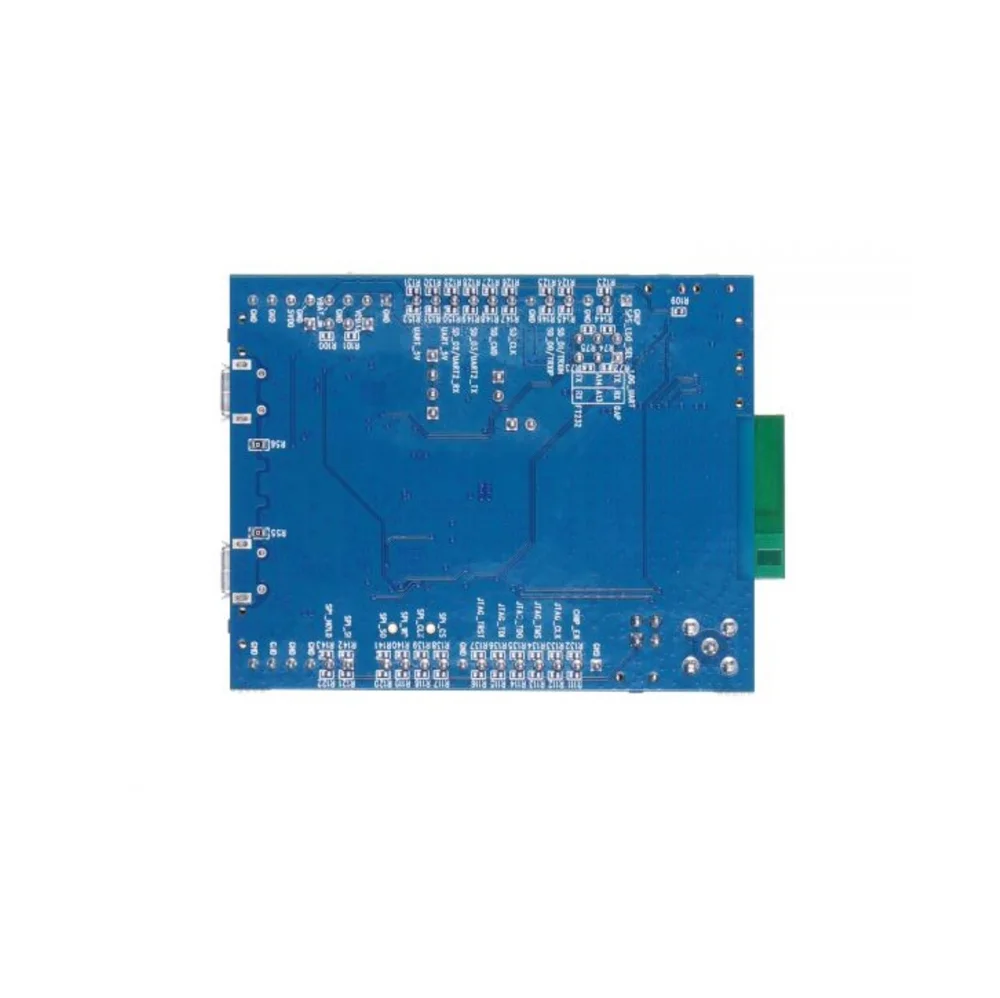
  • Developer-Friendly I/O: Breakout headers provide access to 3 UARTs, 1 SPI, 1 I2C, 8 PWM channels, and 16 multi-function GPIO pins.
  • Enterprise-Grade Security: Supports cryptographic operations, optional secure boot, and WPA2 Personal/Enterprise Wi-Fi security for end-to-end protected data pipelines.
  • Field-Upgradeable Design: Secure Over-the-Air (OTA) firmware update capability enables remote maintenance and feature deployment throughout the device lifecycle.

Applications

  • Smart Home & Building Automation: Secure cloud-connected sensors, smart switches, and environmental monitors.
  • Industrial IoT (IIoT) Telemetry: Remote equipment monitoring, predictive maintenance sensors, and asset condition reporting gateways.
  • Prototyping for AWS-Centric Products: Rapid development platform for products destined for AWS IoT Core, Greengrass, or other AWS analytics services.
  • Wireless Sensor Nodes: Battery-powered or mains-operated nodes collecting data via BLE or wired sensors and backhauling via Wi-Fi to the cloud.
  • Connected Retail & Kiosks: Digital signage, inventory trackers, and point-of-sale systems requiring secure, managed cloud connectivity.

Technical Specifications

Microcontroller / SoCRealtek RTL8720CM (ARMv8M KM4 Core @ 100MHz)
Wireless ProtocolsWi-Fi 802.11 b/g/n (2.4GHz), Bluetooth 4.2 Low Energy (BLE), SIG Mesh (Optional)
Memory4.2 MB Internal RAM, 2 MB External Flash
Cloud InterfaceAWS IoT ExpressLink via UART Serial API
Digital Interfaces3x UART, 1x SPI, 1x I2C, 1x SDIO 2.0
GPIO & Control16x Configurable GPIOs, 8x PWM Channels
Security FeaturesCryptographic Operations, Secure Boot (Optional), WEP/WPA/WPA2/WPS
Firmware UpdatesSecure Over-the-Air (OTA) Upgrade Supported
Dimensions (Shipping)15 cm x 9 cm x 2 cm
Weight (Shipping)0.03 kg

Frequently Asked Questions

How do I communicate with the AWS cloud using this Ameba Z2 DevKit?

The board uses a UART serial interface (typically 115200 baud) with a set of AT commands defined by the pre-installed AWS IoT ExpressLink software. You send simple text commands from your host MCU or PC to provision the Wi-Fi, connect to AWS IoT Core, and publish/subscribe to MQTT topics. The ExpressLink middleware handles all TLS encryption, authentication, and network management, so you don't need to implement any cryptographic code.

What development environments or SDKs are supported for programming the onboard ARM Cortex-M4 core?

You can develop applications for the RTL8720CM's KM4 core using the Ameba SDK provided by Realtek, which is based on the ARM GCC toolchain. The SDK supports development in a command-line environment. For higher-level prototyping, you can also use the Arduino core for Ameba, though you must manage the ExpressLink firmware separately. The primary use case is using the board as a wireless co-processor, where your main application runs on an external host and controls the Ameba Z2 via its UART API.

Can I use the Bluetooth functionality simultaneously with the Wi-Fi connection?

Yes, the RTL8720CM SoC supports concurrent operation of its Wi-Fi and Bluetooth 4.2 Low Energy radios. This allows the DevKit to act as a bridge, for example, collecting data from BLE sensors (like beacons or health monitors) and then aggregating and transmitting that data to the AWS cloud via its secured Wi-Fi connection. The onboard firmware manages the radio coexistence to prevent interference between the two wireless protocols.

What is the power requirement and typical operating current for this development board?

The board is typically powered via its USB-C connector or the VIN pin at 5V. The exact operating current depends heavily on the Wi-Fi transmit power and CPU load. During active Wi-Fi transmission, current draw can reach several hundred milliamps. For battery-operated designs, you should leverage the chip's deep sleep modes, which can reduce current consumption to microamps, waking periodically to send data. You need to design your external power supply or battery pack to handle the peak current demands during radio transmission.

Package Includes

  • 1 x Ameba Z2 AWS IoT ExpressLink Development Board

Additional Information

Weight 0.03 kg
Dimensions 9 × 15 × 2 cm