SKU: IOWC-1344
📋 GST Invoice Available

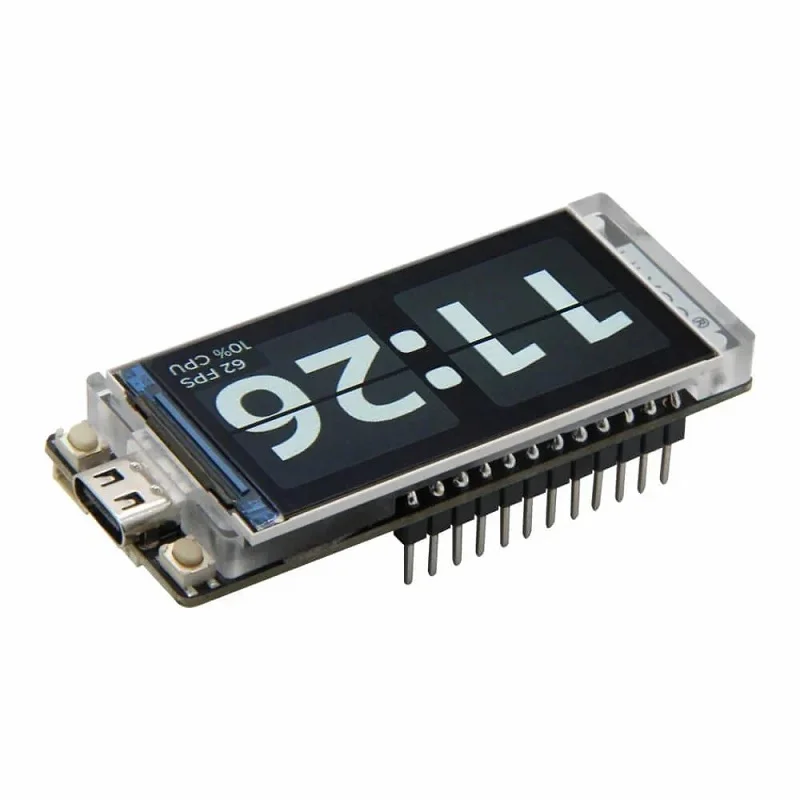
LilyGO T-Display-S3 ESP32 1.9-Inch Touch Display Dev Board

₹3,169.00 (Inclusive of all taxes)
Out of Stock

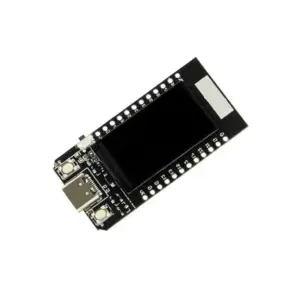
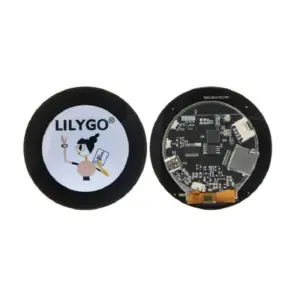
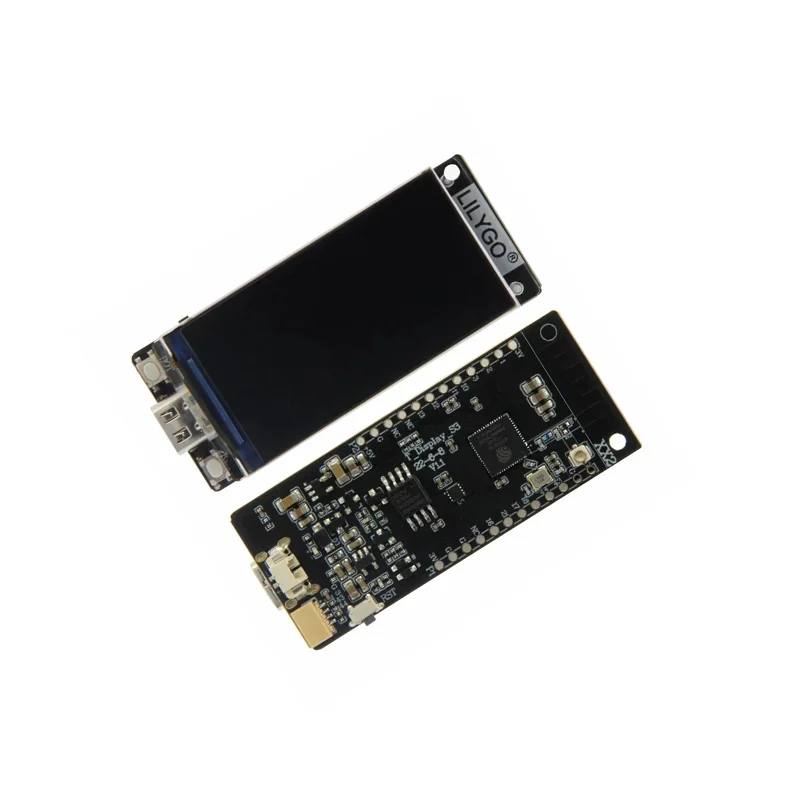
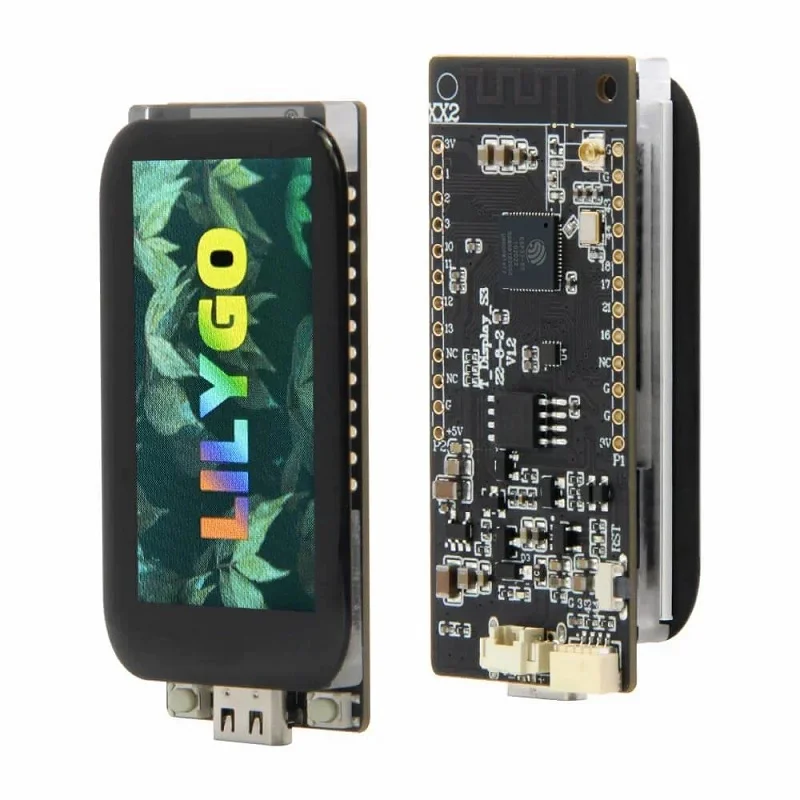
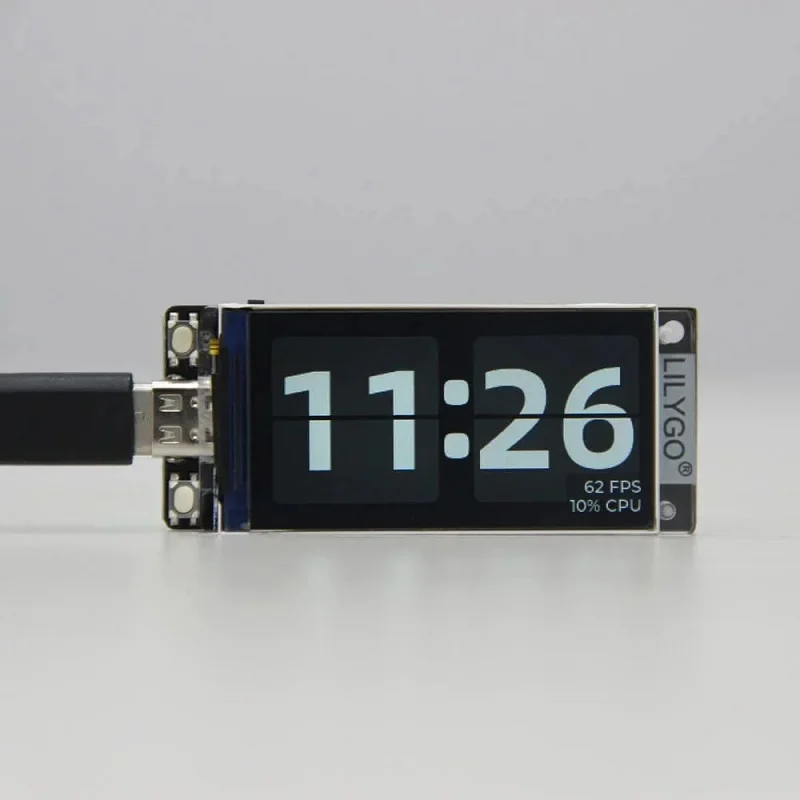
The LilyGO T-Display-S3 is an ESP32-S3R8-based development board with an integrated 1.9-inch capacitive touch TFT display, designed for IoT and wearable projects. It supports Arduino IDE, ESP-IDF, and MicroPython for rapid prototyping with Wi-Fi, Bluetooth 5.0, and a 3.3V power supply.

Features

  • ESP32-S3R8 dual-core LX7 microprocessor with 16MB flash and 8MB PSRAM for demanding IoT applications.
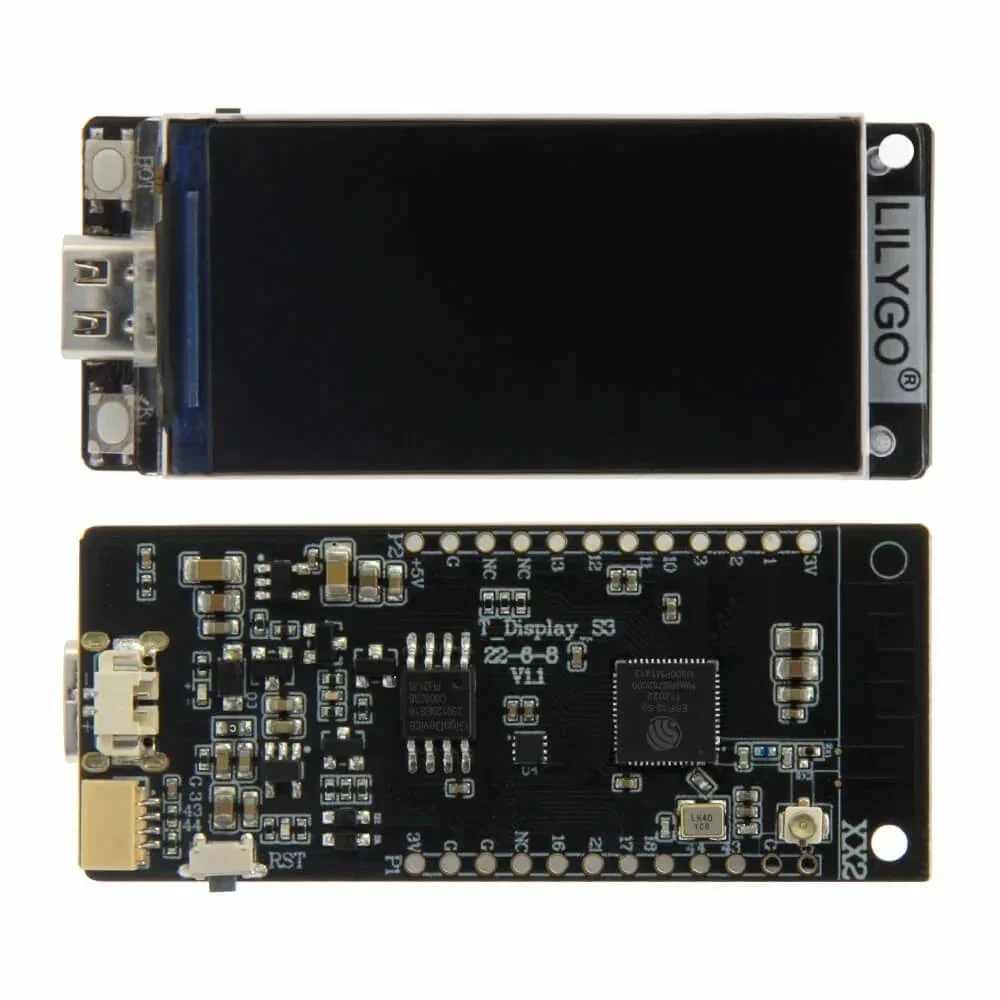
  • Integrated 1.9-inch capacitive touch TFT display (ST7789V driver) with 170×320 resolution for interactive UI projects.
  • Dual wireless connectivity via 2.4GHz Wi-Fi (802.11 b/g/n) and Bluetooth 5.0 + BLE for local and cloud communication.
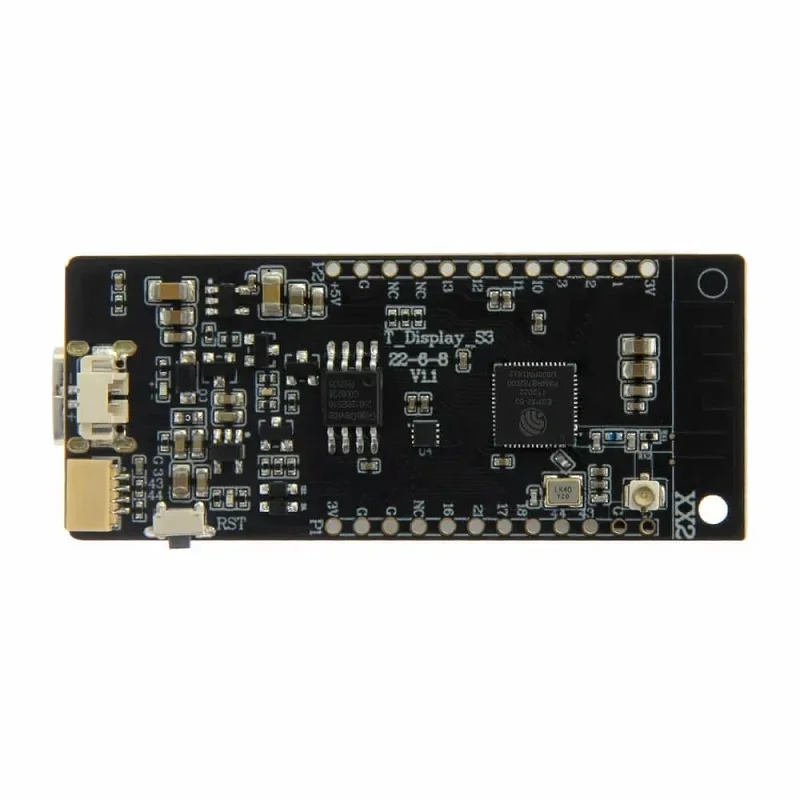
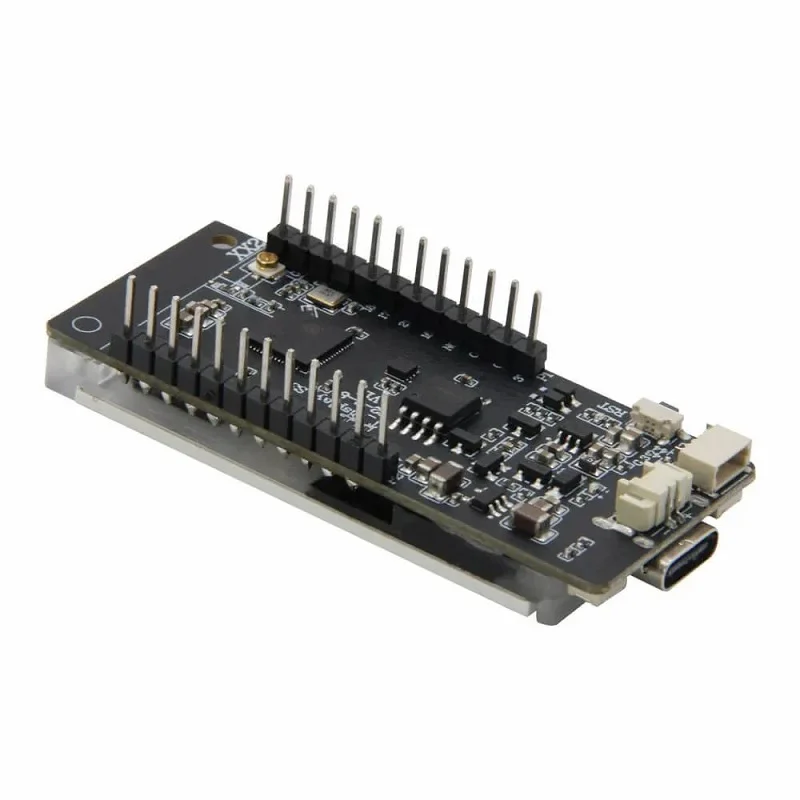
  • Pre-soldered, non-solder version includes PH2.54 and JST-GH connectors for easy sensor and battery integration.
  • Supports Arduino, ESP-IDF, and MicroPython ecosystems with accessible GPIOs, including battery voltage detection on IO04.

Out of stock

Description

The LilyGO T-Display-S3 merges Espressif’s powerful ESP32-S3 microcontroller with a high-resolution touchscreen, creating a compact all-in-one platform for embedded GUI development. Its dual-core LX7 processor and ample 8MB PSRAM handle graphics rendering and wireless protocols simultaneously, enabling responsive touch interfaces for smart home control panels, portable data loggers, and wearable tech.

The board features a dedicated ST7789V display controller connected via an 8-bit parallel interface for fast screen updates. Its low-power design operates from a 3.3V supply, with a JST-GH connector for LiPo battery management and voltage monitoring. The pre-assembled, non-solder variant includes pluggable headers for rapid prototyping without soldering, making it ideal for developers and makers seeking a ready-to-use display solution for ESP32-S3 projects.

Key Features

  • All-in-one ESP32-S3 development platform with integrated capacitive touch TFT display.
  • High-performance dual-core LX7 CPU with 240 MHz clock speed for complex IoT logic and graphics.
  • Ample 16MB flash memory and 8MB PSRAM for storing large application code and graphics buffers.
  • Built-in Wi-Fi and Bluetooth 5.0 with BLE support for wireless sensor networks and smartphone connectivity.
  • Pre-installed PH2.54 pin headers and JST-GH 1.25mm connectors for plug-and-play prototyping.
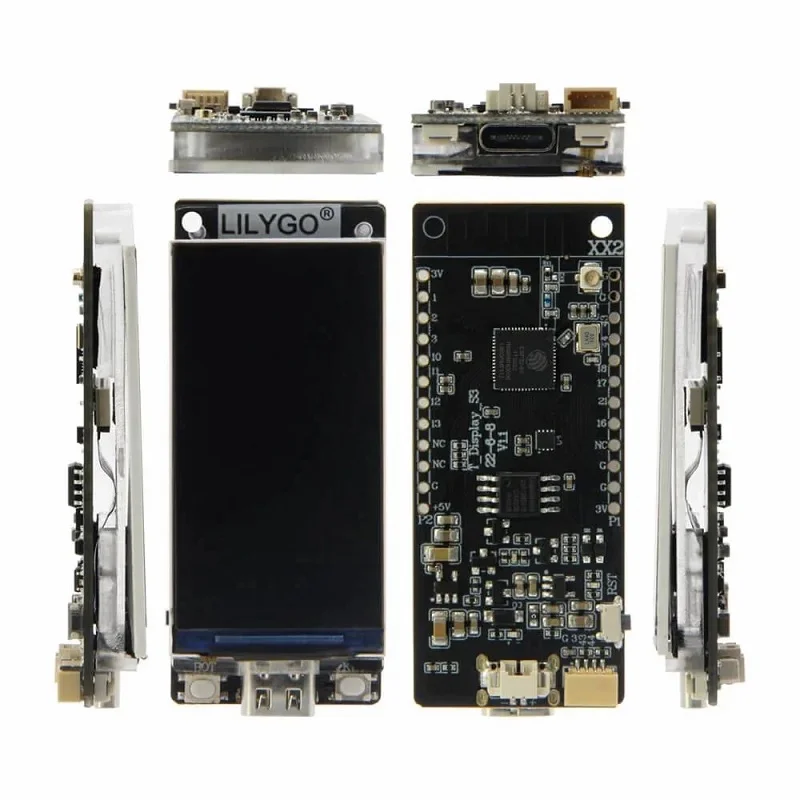
  • Onboard Boot and Reset buttons plus a user-programmable IO14 button for direct control.
  • STEMMA QT / Qwiic-compatible JST-SH 4-pin port for daisy-chaining I2C sensors and peripherals.
  • Battery voltage detection circuit via IO04 pin for accurate battery level monitoring in portable applications.

Applications

  • Smart home control panels and touch-based automation interfaces.
  • Wearable devices and fitness trackers with graphical displays.
  • Portable data loggers and environmental monitoring stations with real-time visualization.
  • IoT device prototypes requiring local user interaction and wireless connectivity.
  • Educational tools for learning embedded systems, GUI programming, and wireless IoT.

Technical Specifications

Microcontroller/SoCESP32-S3R8 Dual-core LX7 (240 MHz)
Wireless ProtocolsWi-Fi 802.11 b/g/n, Bluetooth 5.0 + BLE
Display DriverST7789V
Display Size & Type1.9-inch diagonal, capacitive touch TFT
Display Resolution170 (H) x 320 (V) pixels
Flash Memory16 MB
PSRAM8 MB
Supply Voltage3.3V DC
Interfaces8-bit parallel display, I2C (STEMMA QT), GPIO, UART, SPI
ConnectorsPH2.54 headers, JST-GH 1.25mm 2P (battery), JST-SH 1.0mm 4P (I2C)
Operating Temperature-40°C to +85°C (typical for ESP32-S3)
DimensionsApprox. 8cm x 5cm (from shipping data)

Frequently Asked Questions

How do I program the LilyGO T-Display-S3 board?

You can program it using the Arduino IDE with the ESP32 board package, Espressif's ESP-IDF framework, or MicroPython. In Arduino, select 'ESP32S3 Dev Module' as the board, set the PSRAM to 'OPI PSRAM', and use the TFT_eSPI or LovyanGFX library for the display. Ensure the correct USB driver (CP210x or CH340) is installed for serial communication.

What is the power supply requirement and how do I connect a battery?

The board requires a 3.3V DC power supply. You can power it via the USB-C port or connect a single-cell LiPo battery (3.7V nominal) to the onboard JST-GH 1.25mm 2-pin connector. The board includes a charging circuit, and you can monitor battery voltage via the IO04 pin in your firmware for accurate battery level readings.

Which libraries are recommended for driving the touch display?

For Arduino, use the TFT_eSPI library with a custom User_Setup.h file configured for the ST7789V driver and 170x320 resolution. Alternatively, the LovyanGFX library offers high performance. For touch functionality, the built-in FT6236 or CST816 capacitive touch controller is supported by corresponding Arduino libraries. In MicroPython, use the lv_micropython library for a full GUI framework.

Can I connect external I2C sensors to this board?

Yes, the board features a STEMMA QT / Qwiic-compatible JST-SH 1.0mm 4-pin port (I2C) for daisy-chaining compatible sensors without soldering. You can also use the broken-out GPIO pins via the provided PH2.54 headers to connect standard I2C, SPI, or digital sensors. Remember to use 3.3V logic level for all peripherals.

Package Includes

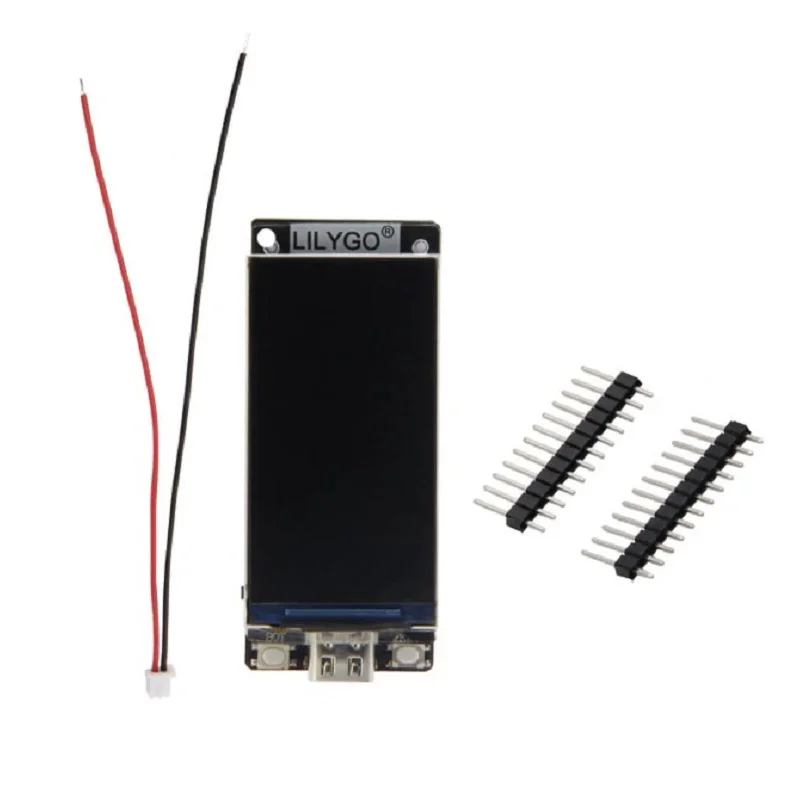
  • 1 x LilyGO T-Display-S3 ESP32 1.9-inch Touch Board (non-solder version)
  • 2 x PH2.54 Pin Headers (1x12P)
  • 1 x JST 1.25mm 2P Connector

Additional Information

Weight 0.035 kg
Dimensions 5 × 8 × 3 cm