SKU: IOWC-1183
📋 GST Invoice Available

Waveshare ESP32-S3 1.47-Inch LCD Display Development Board

₹1,399.00 (Inclusive of all taxes)
Out of Stock

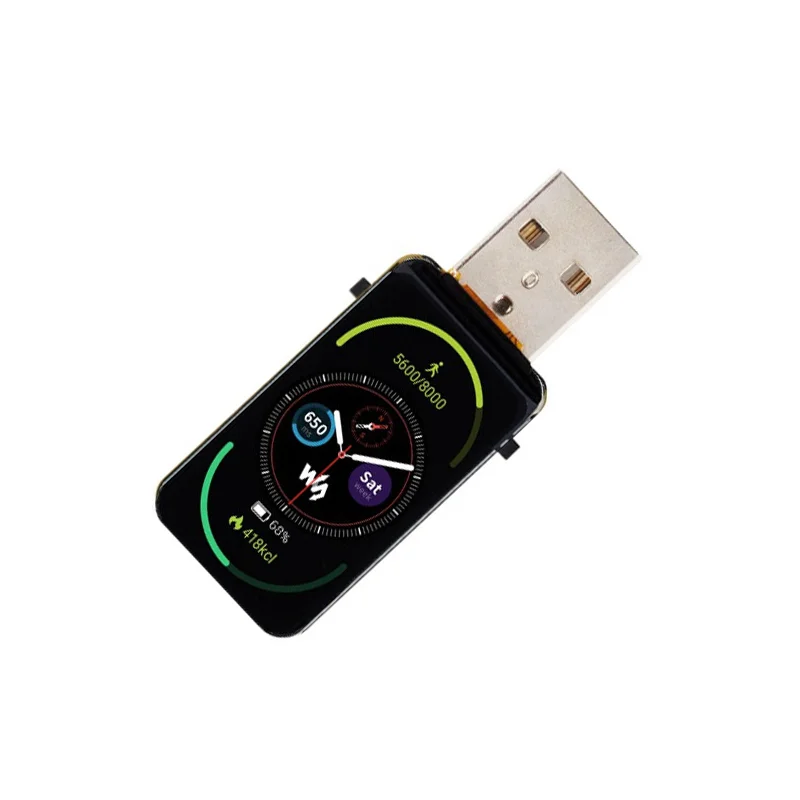
The Waveshare ESP32-S3-LCD-1.47 is an AIoT development board featuring a 1.47-inch color LCD, powered by the dual-core ESP32-S3 SoC with Wi-Fi & Bluetooth 5.0. It’s designed for Arduino IDE and ESP-IDF projects requiring an interactive HMI interface.

Features

  • ESP32-S3 Dual-Core Power: Features the Xtensa LX7 dual-core processor running up to 240MHz, paired with 16MB Flash and 8MB PSRAM for complex IoT applications.
  • 1.47-Inch Color LCD: Integrated 172×320 resolution, 262K-color TFT display for building graphical user interfaces, dashboards, and status monitors.
  • Dual Wireless Connectivity: Provides 2.4GHz Wi-Fi 802.11 b/g/n and Bluetooth 5.0 for wireless data transfer, control, and mesh networking.
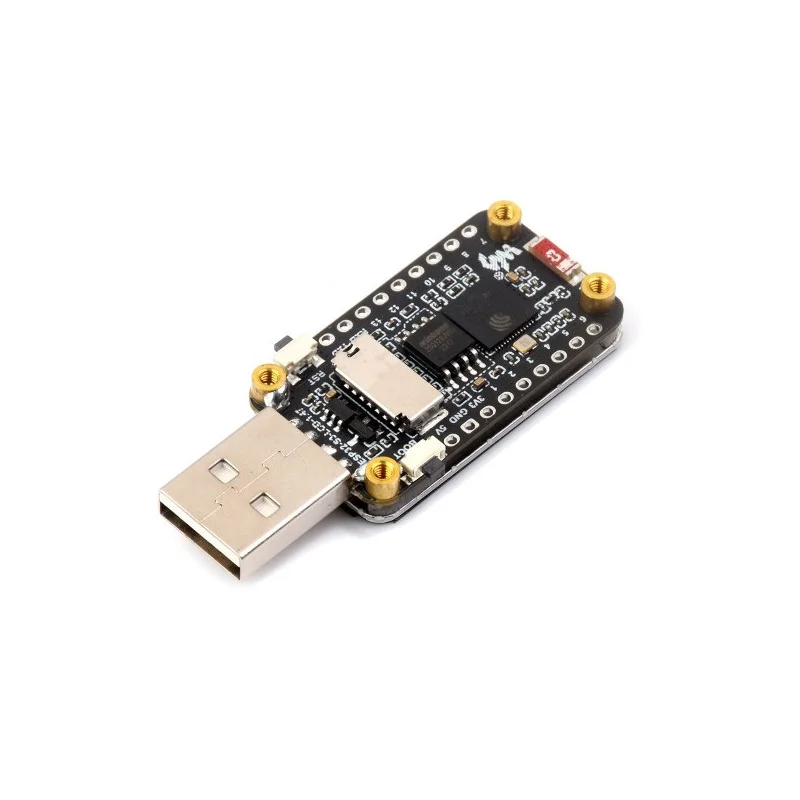
  • Expandable I/O & Storage: Includes GPIO header for sensors/actuators and an onboard TF card slot for storing images, fonts, or data logs.
  • Integrated RGB LED: Features a colorful built-in RGB LED for visual notifications, status indicators, or dynamic lighting effects.

Out of stock

Description

The Waveshare ESP32-S3-LCD-1.47 development board merges a capable microcontroller with a vivid display, creating a compact platform for Human-Machine Interface (HMI) and IoT prototyping. Its core is the Espressif ESP32-S3, offering dual-core processing, ample memory, and integrated Wi-Fi/Bluetooth, enabling local computation and wireless communication.

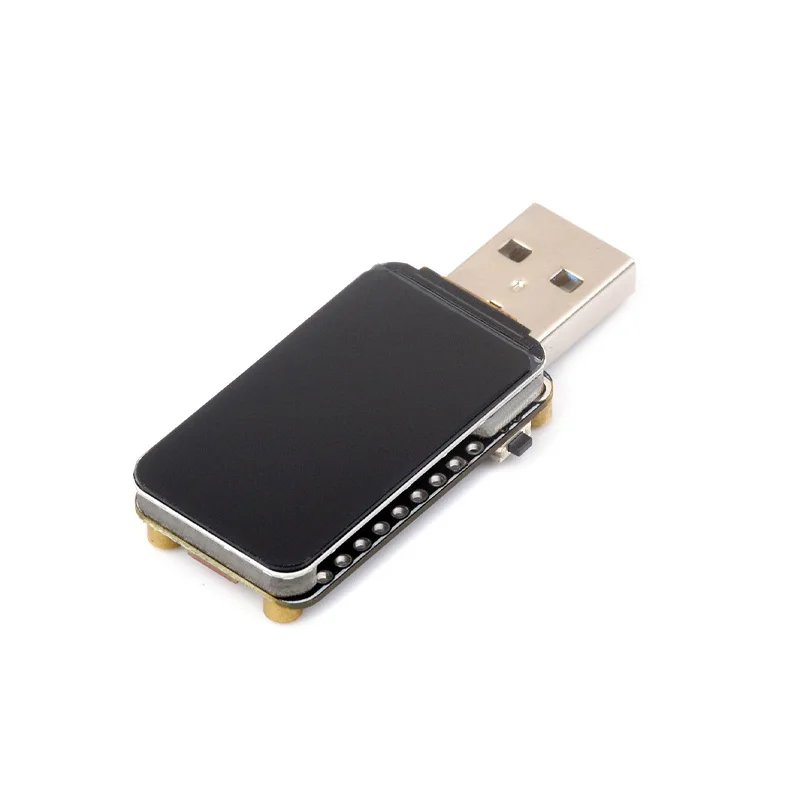
Designed for low-power operation, the board supports flexible clock control and multiple power modes, making it suitable for battery-powered interactive devices. The full-speed USB port facilitates easy programming and power supply, while the pre-soldered headers and TF card slot streamline hardware expansion for field deployments.

Key Features

  • Integrated 1.47-inch TFT LCD with 172x320 resolution and 262K colors for crisp graphics.
  • Powered by the ESP32-S3 dual-core processor (Xtensa LX7) clockable up to 240MHz.
  • Comprehensive wireless suite: 2.4GHz Wi-Fi (802.11 b/g/n) and Bluetooth 5.0.
  • Generous memory: 512KB SRAM, 384KB ROM, 16MB Flash, and 8MB external PSRAM.
  • Onboard full-speed USB-C port for programming, debugging, and power.
  • GPIO breakout header for connecting sensors, actuators, and I2C/SPI/UART peripherals.
  • MicroSD (TF) card slot for expanding storage capacity for media or data.
  • Built-in multi-color RGB LED for visual feedback and status indication.

Applications

  • Smart home control panels and interactive dashboards.
  • Portable IoT data loggers and sensor nodes with local display.
  • Wearable device prototypes and health monitors.
  • Industrial HMI for equipment status monitoring.
  • Educational tools for learning embedded systems with GUI.

Technical Specifications

Microcontroller/SoCEspressif ESP32-S3 (Xtensa 32-bit LX7 Dual-Core)
Wireless ProtocolsWi-Fi 802.11 b/g/n (2.4GHz), Bluetooth 5.0
CPU FrequencyUp to 240 MHz
Memory512KB SRAM, 384KB ROM, 16MB Flash, 8MB PSRAM
Display1.47-inch TFT LCD
Display Resolution172 x 320 pixels
Display Colors262K
InterfacesUSB-C, GPIO Header, TF Card Slot
Built-in LEDRGB LED
Dimensions (Shipping)8 x 6 x 3 cm
Weight (Shipping)0.05 kg

Frequently Asked Questions

How do I program the Waveshare ESP32-S3 LCD board?

You can program this board using the Arduino IDE with the ESP32 board package installed or Espressif's official ESP-IDF framework. Connect the board via the provided USB-C port, select 'ESP32S3 Dev Module' as your target in the IDE, and upload your code. The board is compatible with libraries for the display and wireless functions, requiring specific initialization in your setup() function to drive the LCD and connect to Wi-Fi.

What is the purpose of the 8MB PSRAM on this board?

The 8MB PSRAM (Pseudo Static RAM) provides additional volatile memory for graphics-intensive applications. It is essential for buffering high-resolution images, complex graphical user interface elements, or large data sets processed by the LCD display. Utilizing PSRAM prevents the main SRAM from being overwhelmed, ensuring smooth rendering and stable performance in projects that require substantial frame buffers or dynamic content generation.

Can I power the board and use the display from a battery source?

Yes, the board can be powered via its USB-C port (5V) or through the appropriate GPIO pins, making it suitable for portable, battery-powered applications. To manage power consumption, leverage the ESP32-S3's deep sleep and light sleep modes, which significantly reduce current draw when the display is turned off. For extended battery life, design your firmware to wake the system periodically, update the display with new data, and then return to a low-power sleep state.

How do I interface with the onboard TF card slot?

The TF (MicroSD) card slot uses the SPI interface of the ESP32-S3. You can use the standard SD library in Arduino or the SDMMC driver in ESP-IDF. Initialize the card, then you can read/write files to store images for the display, log sensor data, or hold configuration files. Ensure the card is formatted with a compatible filesystem (e.g., FAT16/FAT32) and connect the correct SPI pins as defined in the board's schematic for communication.

Package Includes

  • ESP32-S3-LCD-1.47 Development Board x1
  • Black Header (pre-soldered or loose) x1

Additional Information

Weight 0.05 kg
Dimensions 6 × 8 × 3 cm