SKU: IOWC-1321
📋 GST Invoice Available

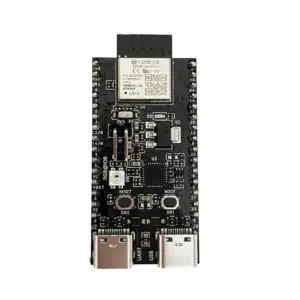
ESP-32 Development Board with CP2102 USB-to-Serial & Type-C Interface

₹399.00 (Inclusive of all taxes)
Out of Stock

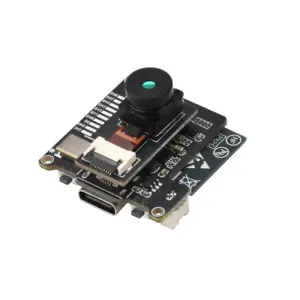
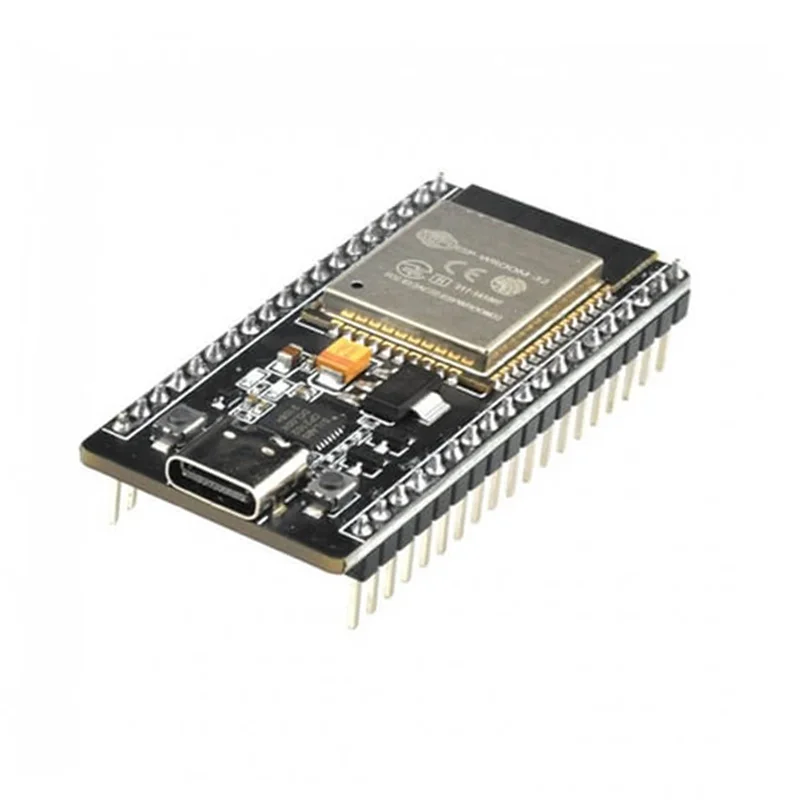
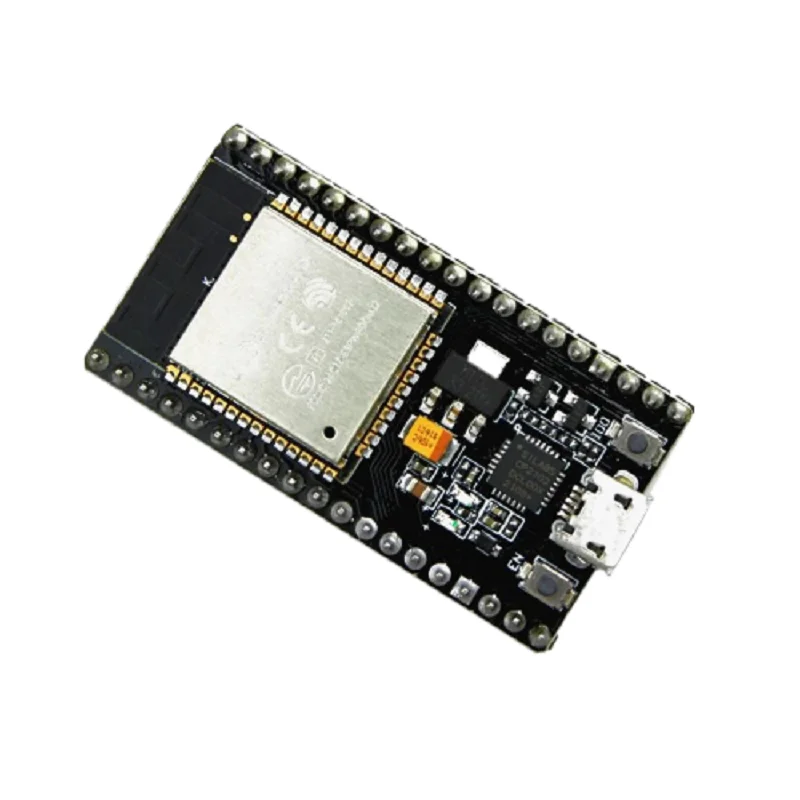
This ESP-32 development board integrates Wi-Fi and Bluetooth connectivity with a CP2102 USB-to-Serial converter and a modern Type-C USB interface, providing a robust platform for IoT prototyping and embedded systems development with Arduino IDE or ESP-IDF.

Features

  • ESP-32 SoC with integrated 2.4 GHz Wi-Fi and Bluetooth for wireless IoT connectivity.
  • CP2102 USB-to-Serial converter ensures reliable serial communication for firmware flashing and debugging.
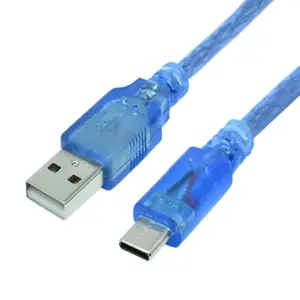
  • Modern Type-C USB interface provides convenient and reversible power supply and data connection.
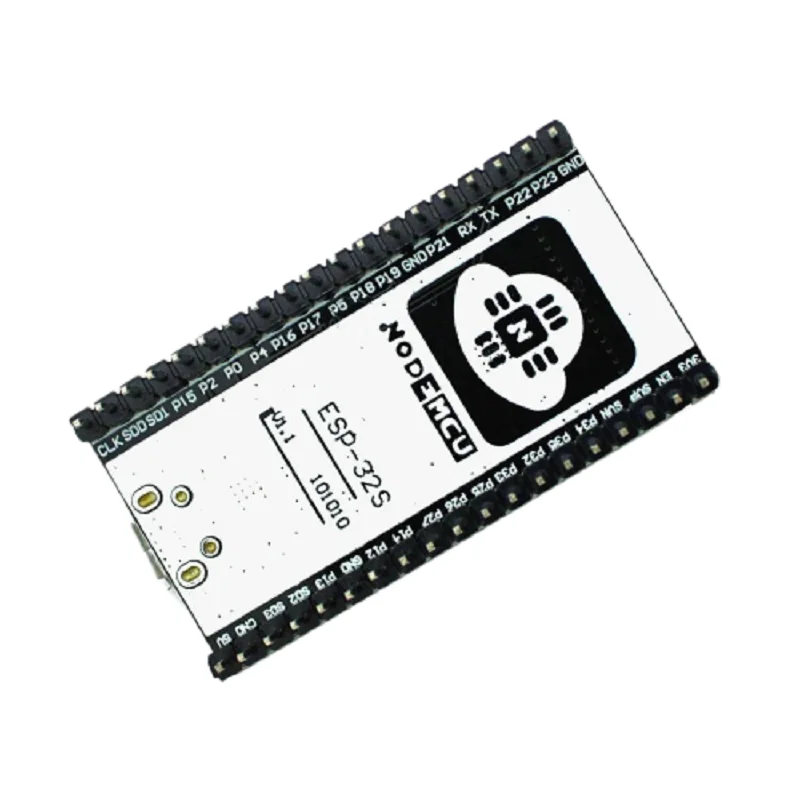
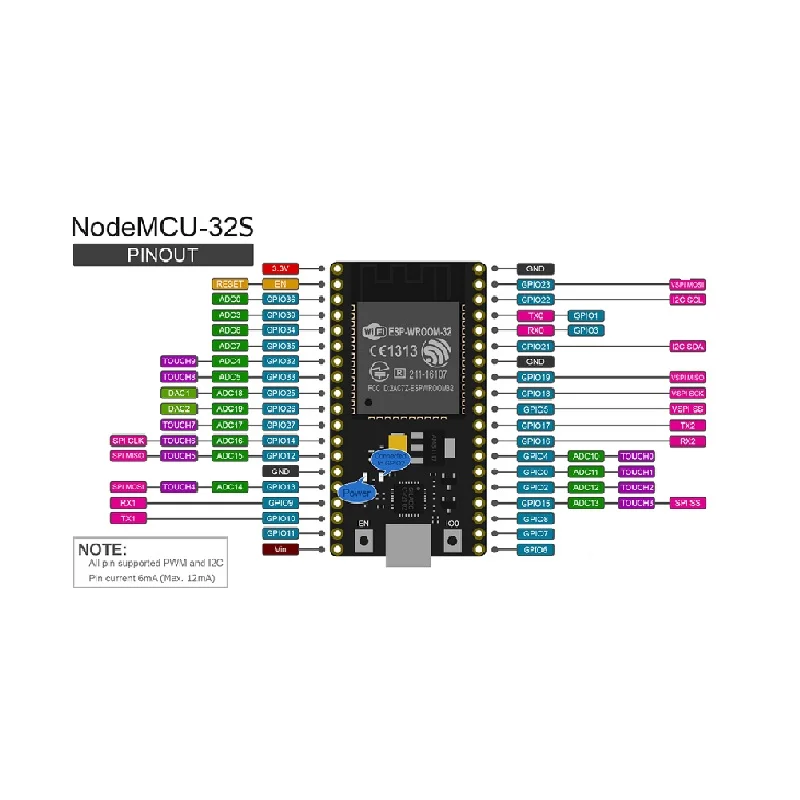
  • 38 GPIO pins offer extensive interfacing options for sensors, displays, and actuators.
  • Compact form factor with integrated LED indicators for development-friendly status monitoring.

Out of stock

Description

The ESP-32 development board is engineered around the Espressif ESP-32 chipset, providing dual-core processing power alongside integrated 2.4 GHz Wi-Fi and Bluetooth radio. Its architecture is designed for low-power IoT applications, supporting deep sleep modes to conserve energy. The onboard CP2102 USB-to-UART bridge facilitates seamless serial communication with a host PC, enabling straightforward firmware uploads via the Arduino IDE, ESP-IDF, or MicroPython.

Featuring a Type-C USB port, the board offers a robust and user-friendly connection for both power delivery and data transfer. The 38 exposed GPIO pins grant developers access to a wide array of peripherals including SPI, I2C, UART, ADC, and DAC interfaces, making it suitable for complex sensor networks and control systems. Its compact PCB layout and integrated power regulation support a wide 2.2V to 3.6V operating range, ideal for battery-powered deployments.

Key Features

  • Powered by the ESP-32 dual-core microcontroller with integrated Wi-Fi and Bluetooth.
  • Onboard CP2102 chip provides stable USB-to-serial conversion for reliable programming.
  • Modern USB Type-C connector for durable and reversible power and data connection.
  • Exposes 38 GPIO pins for extensive peripheral and sensor integration.
  • Integrated linear voltage regulator supports a wide input range for flexible power sourcing.
  • Built-in LED indicators for visual feedback on power and serial communication status.
  • Compact and breadboard-friendly design suitable for prototyping and final product integration.

Applications

  • IoT sensor nodes for home automation, environmental monitoring, and smart agriculture.
  • Prototyping platform for wireless control systems in robotics and mechatronics.
  • Wireless data gateway for bridging sensor networks to cloud services via Wi-Fi.
  • Educational tool for learning embedded systems, wireless communication, and IoT development.
  • Basis for custom connected devices, wearables, and interactive art installations.

Technical Specifications

Microcontroller/SoCESP-32
Wireless ProtocolsWi-Fi 802.11 b/g/n, Bluetooth Classic & BLE
Frequency Range2.4 GHz
RF Transmit PowerUp to +20 dBm (typical)
Supply Voltage2.2 V ~ 3.6 V
Operating Current~80 mA (average)
Flash Memory32 Mbit (4 MB)
GPIO Pins38
USB InterfaceType-C with CP2102 USB-to-Serial
Data Rate (Wi-Fi)Up to 54 Mbps
DimensionsApprox. 9 x 6 cm (from shipping data)

Frequently Asked Questions

How do I program this ESP-32 development board?

Install the ESP-32 board package in the Arduino IDE or set up ESP-IDF. Connect the board via the Type-C cable, select the correct COM port assigned to the CP2102 chip, and choose 'ESP32 Dev Module' as the board. The CP2102 driver should install automatically on most systems, enabling serial uploads.

What is the purpose of the CP2102 chip on this board?

The CP2102 is a USB-to-UART bridge converter. It translates data between your computer's USB port and the ESP-32's serial (UART) pins, allowing you to flash firmware and communicate with the microcontroller for debugging via a serial monitor, all through the convenient Type-C connection.

What is the operating voltage and how should I power the board?

The board's core logic operates between 2.2V and 3.6V. The simplest method is to power it via the provided Type-C USB port, which supplies 5V that is regulated down onboard. For standalone use, you can supply regulated 3.3V directly to the appropriate pins, ensuring not to exceed the maximum voltage.

Can I use all 38 GPIO pins simultaneously?

While 38 pins are physically accessible, some have predefined functions (like strapping pins for boot mode) or share peripherals. Consult the ESP-32 pinout diagram to identify pins safe for general use, those with analog input (ADC), or dedicated functions like SPI, I2C, or touch sensor to avoid conflicts in your design.

Package Includes

  • 1 x ESP-32 Development Board with CP2102 and Type-C USB

Additional Information

Weight 0.01 kg
Dimensions 6 × 9 × 3 cm