SKU: IOWC-1252
📋 GST Invoice Available

Waveshare BG95 EVB Development Board w/ BG95-M3 LTE Cat M1/NB2 & GNSS

₹6,119.00 (Inclusive of all taxes)
Out of Stock

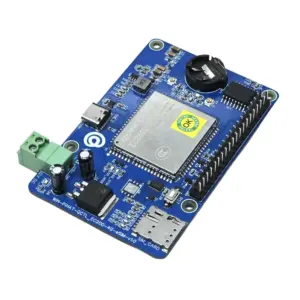
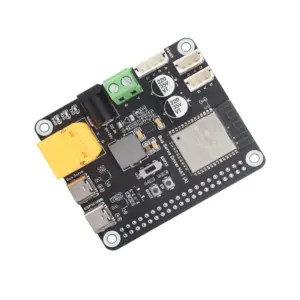
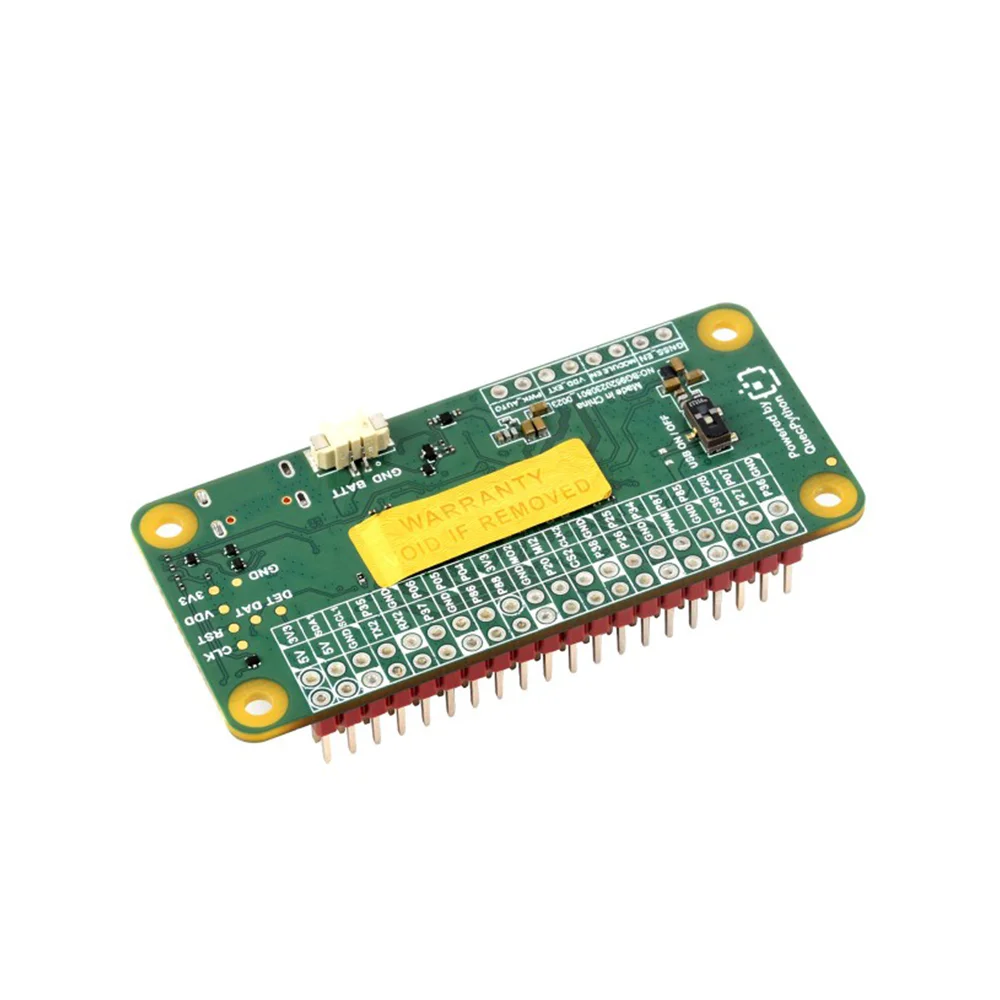
The Waveshare BG95 EVB Development Board integrates the BG95-M3 multi-mode LPWA module, supporting LTE Cat M1, Cat NB2, and EGPRS for global IoT deployments. It features an ARM Cortex A7 processor running ThreadX, 40-pin GPIO for Raspberry Pi HAT compatibility, and built-in GNSS (GPS/GLONASS/BDS) for location-aware applications.

Features

  • Multi-mode LPWA connectivity with BG95-M3 module supports LTE Cat M1 (588 kbps DL), Cat NB2, and EGPRS for global coverage and 3GPP Release 14 compliance.
  • Integrated ARM Cortex A7 processor running the ThreadX RTOS provides a robust application environment for QuecPython development.
  • Onboard GNSS receiver supports GPS, GLONASS, BDS, Galileo, and QZSS constellations for precise outdoor positioning.
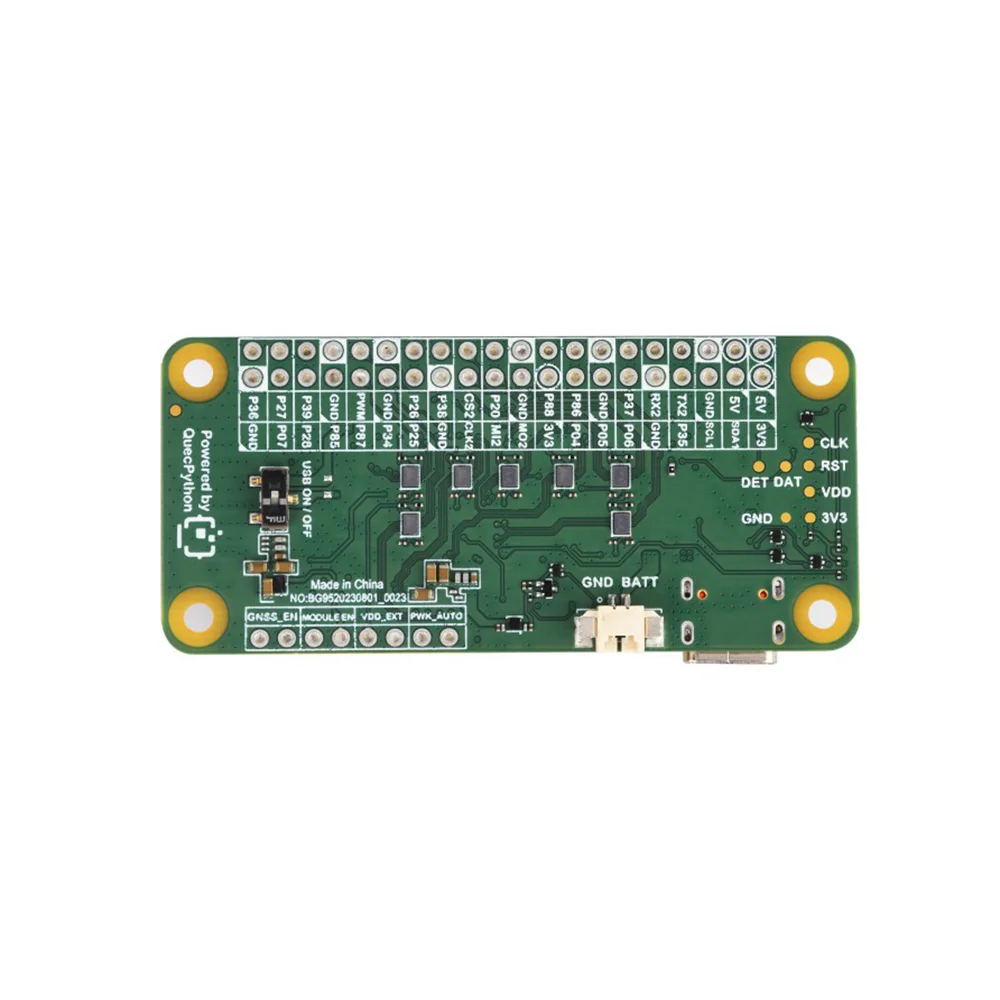
  • 40-pin GPIO header offers Raspberry Pi HAT compatibility, simplifying expansion with sensors, displays, and peripherals.
  • Ultra-low power design with comprehensive protocol stack support for TCP/UDP, SSL/TLS, MQTT, LwM2M, CoAP, and IPv6.

Out of stock

Description

The Waveshare BG95 EVB is a feature-rich development platform centered on the Quectel BG95-M3 cellular module, engineered for low-power wide-area (LPWA) IoT applications. It combines LTE Cat M1 and NB2 connectivity with legacy EGPRS fallback, ensuring reliable data transmission across diverse network infrastructures worldwide. The board’s core is powered by an ARM Cortex A7 application processor running the ThreadX real-time operating system, providing a stable environment for executing custom firmware written in QuecPython or via AT commands.

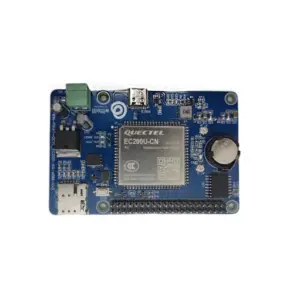
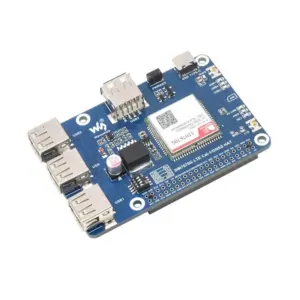
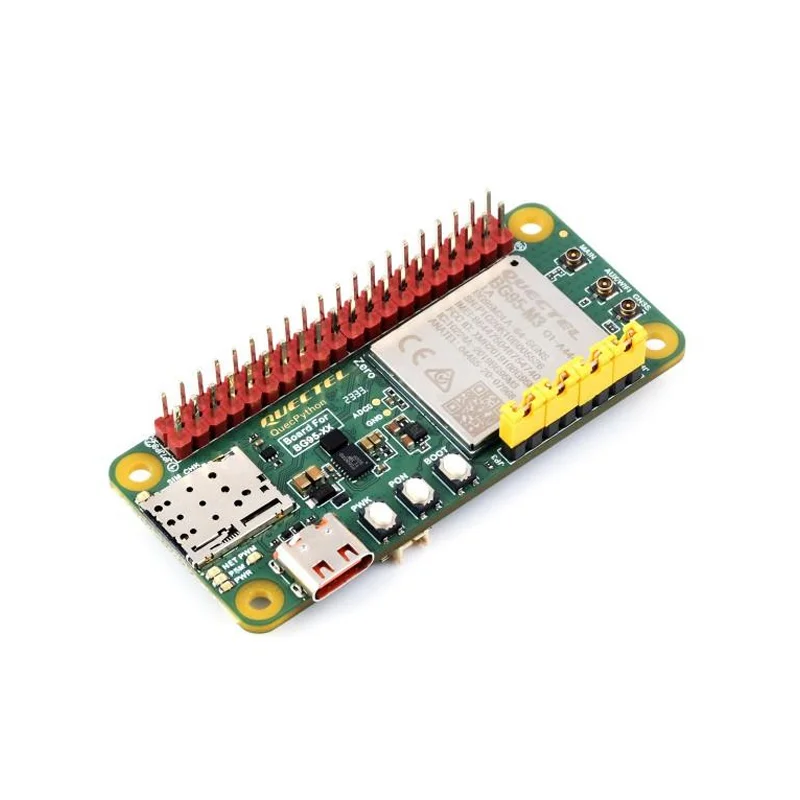
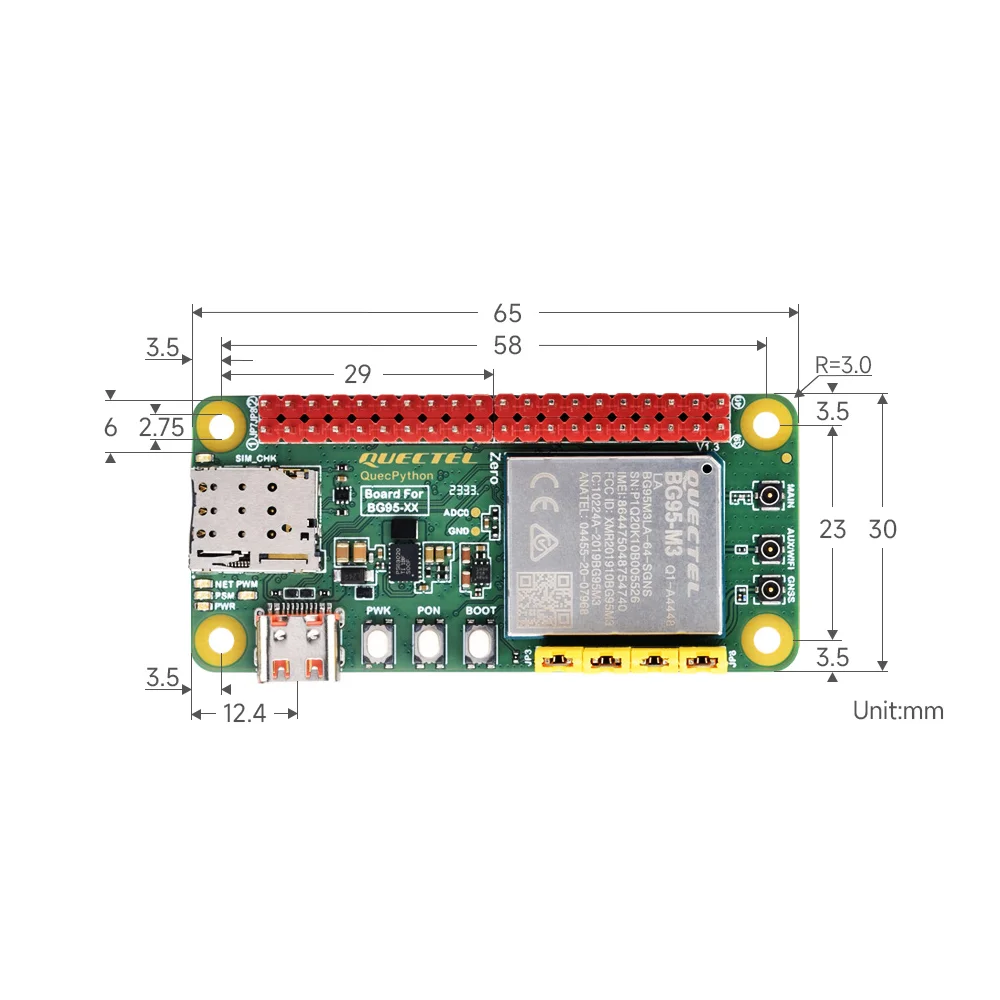
Beyond cellular communication, the EVB incorporates a multi-constellation GNSS receiver for simultaneous GPS, GLONASS, BDS, Galileo, and QZSS satellite tracking, enabling asset tracking and telemetry solutions without external modules. The hardware layout includes a nano-SIM slot, status LEDs, a USB Type-C port for power and debugging, and expansion interfaces for MIPI displays and SPI cameras. Its 40-pin header mirrors the Raspberry Pi form factor, allowing direct use with a vast ecosystem of HATs and sensor boards for rapid prototyping.

Key Features

  • Global multi-mode LPWA support with LTE Cat M1 (588 kbps DL / 1119 kbps UL), Cat NB2, and EGPRS for seamless connectivity.
  • Integrated ARM Cortex A7 application processor running the ThreadX RTOS for efficient task management and QuecPython scripting.
  • Multi-constellation GNSS positioning supporting GPS, GLONASS, BDS, Galileo, and QZSS for high-accuracy location services.
  • Raspberry Pi 40-pin GPIO compatibility enables easy interfacing with a wide range of HATs, sensors, and peripheral boards.
  • Comprehensive network protocol stack including PPP, TCP/UDP, SSL/TLS, HTTP(S), MQTT, LwM2M, CoAP, and native IPv6 support.
  • Onboard expansion interfaces include MIPI for displays, a dedicated camera connector for SPI cameras up to 30MP, and a nano-SIM slot.
  • Ultra-low power architecture optimized for battery-powered IoT deployments, featuring advanced power saving modes.
  • Developer-friendly tools suite with QPYcom, Thonny IDE plugin, and VSCode plugin for streamlined QuecPython coding and debugging.

Applications

  • Asset tracking and fleet management with integrated cellular data and multi-GNSS positioning.
  • Remote environmental monitoring and industrial telemetry (IIoT) over LTE-M and NB-IoT networks.
  • Smart agriculture sensors for soil moisture, weather stations, and livestock tracking using low-power cellular.
  • Smart city infrastructure including parking sensors, waste management, and utility meter reading.
  • Portable personal safety devices and emergency locator beacons with global connectivity.

Technical Specifications

Processor / SoCARM Cortex A7 (Application Processor)
Wireless ProtocolsLTE Cat M1, LTE Cat NB2, EGPRS, GNSS (GPS/GLONASS/BDS/Galileo/QZSS)
Cellular Standards3GPP Release 14 Compliant
Maximum Data Rate588 kbps Downlink, 1119 kbps Uplink (LTE Cat M1)
Operating SystemThreadX RTOS
Development FrameworkQuecPython
GPIO & Expansion40-pin header (Raspberry Pi HAT compatible)
InterfacesUSB Type-C, MIPI Display, SPI Camera, Nano SIM Slot
Supported ProtocolsPPP, TCP, UDP, SSL, TLS, FTP(S), HTTP(S), MQTT, LwM2M, CoAP, IPv6
BluetoothBluetooth 5.1 Dual Mode
Dimensions (Shipping)150mm x 100mm x 70mm
Weight (Shipping)0.18 kg

Frequently Asked Questions

What development environment and programming language does this board support?

The board is designed for QuecPython development, a Python 3 variant optimized for Quectel modules. You can program it using the provided QPYcom tool, Thonny IDE plugin, or VSCode plugin. It also supports standard AT commands over its serial interface for basic modem control. The ARM Cortex A7 processor runs the ThreadX real-time operating system, providing the underlying execution environment.

How do I connect the board to a cellular network and establish a data connection?

Insert a 1.8V nano-SIM card from a supported LTE-M/NB-IoT provider into the onboard slot. Power the board via the USB Type-C port. Using a serial terminal or QuecPython script, send AT commands to initialize the module (AT+CFUN=1), register on the network (AT+CREG?), and activate a PDP context for data. You can then use built-in protocol stacks like TCP or MQTT through the provided socket or MQTT client libraries in QuecPython.

Can I use this board with Raspberry Pi accessories and HATs?

Yes, the board features a 40-pin GPIO header that is electrically and physically compatible with most Raspberry Pi HATs. This allows you to directly connect sensors, displays, ADCs, and other peripherals designed for the Raspberry Pi ecosystem. Note that you will interface with these accessories through QuecPython GPIO libraries or direct register access, not Raspberry Pi OS.

What is the power consumption profile, and how can I optimize it for battery operation?

The BG95-M3 module and board are designed for ultra-low power IoT applications. You can place the module into various PSM (Power Saving Mode) and eDRX (extended Discontinuous Reception) states using AT commands (e.g., AT+CPSMS, AT+CEDRXS). Typical average current can be reduced to microamps in deep sleep. For optimal battery life, design your application to transmit data in bursts and maximize time in low-power modes, using the GNSS only when needed.

Package Includes

  • 1 x Waveshare BG95 EVB Development Board

Additional Information

Weight 0.18 kg
Dimensions 10 × 15 × 7 cm