SKU: IOWC-1229
📋 GST Invoice Available

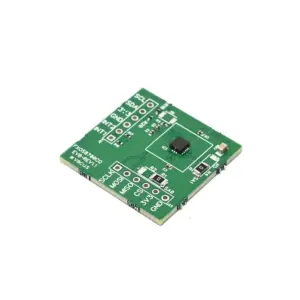
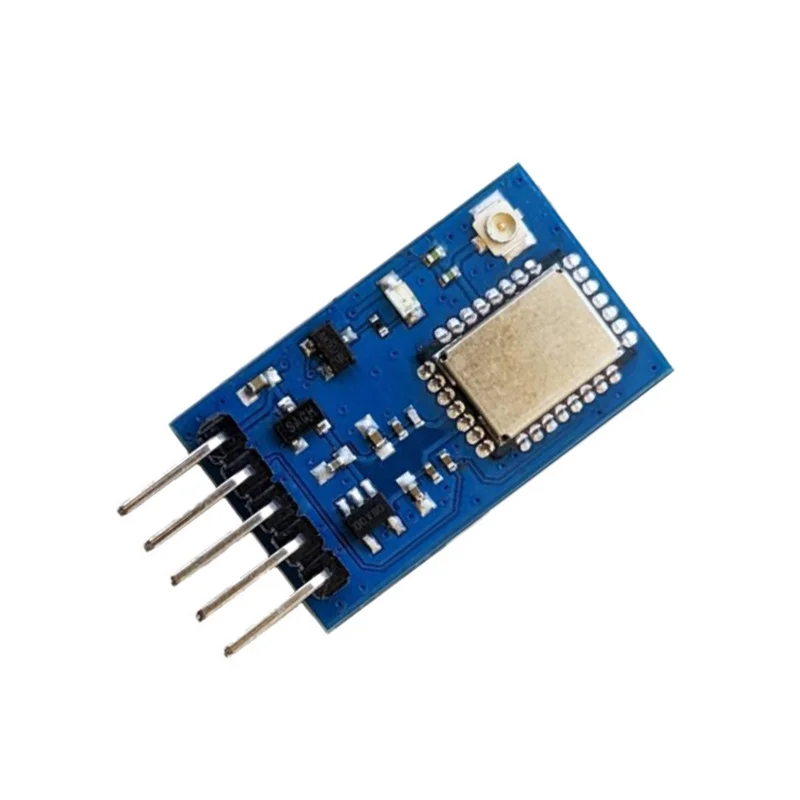
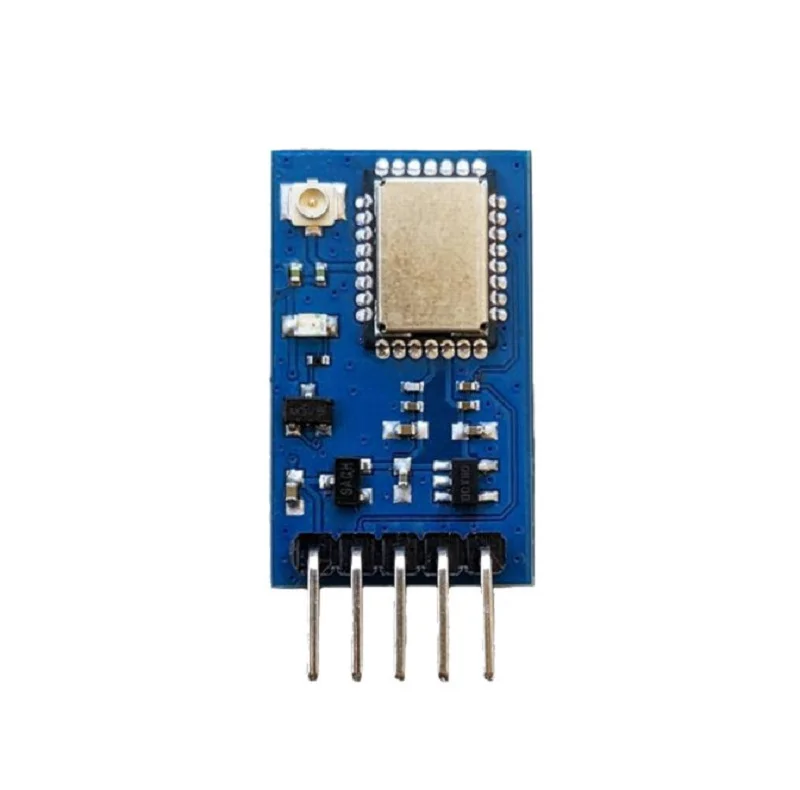
Reyax RYS8839_LITE L1/L5 Dual-Band GNSS Module Lite Evaluation Board

₹2,709.00 (Inclusive of all taxes)
Out of Stock

The Reyax RYS8839_LITE is an ultra-low-power GNSS evaluation board featuring a dual-band (L1/L5) multi-constellation receiver for high-precision positioning. It is designed for battery-powered IoT applications requiring accurate location data with minimal current draw.

Features

  • Ultra-low power consumption with only 2mA idle current, ideal for battery-operated trackers and IoT sensors.
  • L1/L5 dual-band GNSS receiver supporting GPS, GLONASS, BeiDou, Galileo, QZSS, NavIC, and SBAS for global coverage and improved accuracy.
  • Integrated digital noise filters and spectrum analyzer ensure reliable operation in RF-noisy environments alongside Wi-Fi or cellular modules.
  • Low-voltage operation from 1.75V to 1.85V, compatible with single-cell LiPo or Li-SOCL2 battery designs.
  • DIP-formatted evaluation board simplifies prototyping and integration into existing hardware with a default 115200bps UART interface.

Out of stock

Description

The Reyax RYS8839_LITE module is a compact, dual-frequency GNSS receiver built around the Sony CXD5610GF engine. It leverages L1 and L5 signals across multiple satellite constellations to deliver enhanced positioning accuracy and faster time-to-first-fix, even in challenging urban or suburban environments. The integrated digital noise filtering system mitigates interference from co-located wireless transceivers, making it suitable for complex IoT devices combining cellular, Wi-Fi, or LoRa connectivity.

Engineered for extreme power efficiency, the module operates from a low 1.8V core supply with a remarkably low idle current of 2mA. This makes it an optimal choice for designing long-life, solar-powered, or energy-harvesting asset trackers, wearable devices, and remote telemetry units. The provided DIP-style evaluation board offers a convenient platform for firmware development, signal testing, and rapid integration into proof-of-concept designs via its standard serial interface.

Key Features

  • Ultra-low-power dual-band GNSS module with Sony CXD5610GF positioning engine.
  • Simultaneous reception of L1 C/A and L5 signals for multi-constellation support (GPS, GLONASS, BeiDou, Galileo, QZSS, NavIC, SBAS).
  • Embedded digital noise filters and a spectrum analyzer for superior RF coexistence in multi-radio systems.
  • Extremely low idle current consumption of 2mA maximizes battery life in portable and remote applications.
  • Wide operating voltage range from 1.75V to 1.85V, compatible with various low-voltage battery chemistries.
  • Industrial-grade operating temperature range from -40°C to +85°C ensures reliability in harsh environments.
  • Default UART communication at 115200 baud rate for easy microcontroller interfacing.
  • DIP-format evaluation board facilitates straightforward prototyping and integration into breadboards or custom PCBs.

Applications

  • Precision asset tracking and fleet management for logistics and supply chain.
  • Battery-powered IoT sensors for environmental monitoring and smart agriculture.
  • Wearable devices and personal trackers requiring long battery life and reliable location.
  • Drone navigation and autonomous vehicle systems needing multi-constellation support.
  • Industrial telemetry and remote equipment monitoring in harsh outdoor conditions.

Technical Specifications

Model / NameRYS8839_LITE
GNSS EngineSony CXD5610GF
Supported ConstellationsGPS (L1C/A, L5), GLONASS (L1OF), BeiDou (B1I, B1C, B2a), Galileo (E1, E5a), QZSS (L1C/A, L1S, L1C/B, L5), NavIC (L5), SBAS (L1)
Frequency BandsL1 (1575.42 MHz), L5 (1176.45 MHz)
Supply Voltage1.75 V to 1.85 V
Idle Current2 mA
Default Baud Rate115200 bps
Operating Temperature-40°C to +85°C
InterfaceUART (Serial)
Form FactorEvaluation Board (DIP)

Frequently Asked Questions

What is the default communication interface and baud rate for the RYS8839_LITE module?

The module communicates via a standard UART (serial) interface. By default, it is configured for a baud rate of 115200 bits per second (bps). You can connect the module's TX and RX pins directly to a microcontroller's UART pins. The baud rate can typically be reconfigured using specific AT commands or configuration packets sent to the module, as detailed in the Reyax datasheet.

How do I power the RYS8839_LITE evaluation board for a battery-operated project?

The module requires a supply voltage between 1.75V and 1.85V. For a battery-operated design, you can use a single-cell LiPo battery (nominal 3.7V) with a low-dropout (LDO) voltage regulator set to 1.8V. Alternatively, a 2xAA battery setup (3V) with a buck-boost converter can be used. Ensure your power source can handle the module's operational current, especially during satellite acquisition, while the idle current is only 2mA.

Can I use this module with an ESP32 or Arduino development board?

Yes, integration is straightforward. Connect the module's VCC (1.8V), GND, TX, and RX pins to your microcontroller. Since the module operates at 1.8V logic levels, you must use a logic level converter between the module's UART pins and a 3.3V or 5V microcontroller like an ESP32 or Arduino. Then, use a serial library in your Arduino IDE or ESP-IDF sketch to parse the standard NMEA sentences output by the GNSS module for latitude, longitude, and time data.

Package Includes

  • 1 x Reyax RYS8839_LITE GNSS Module Lite Evaluation Board (DIP Version)

Additional Information

Weight 0.01 kg
Dimensions 3 × 5 × 3 cm