SKU: IOWC-0935
📋 GST Invoice Available

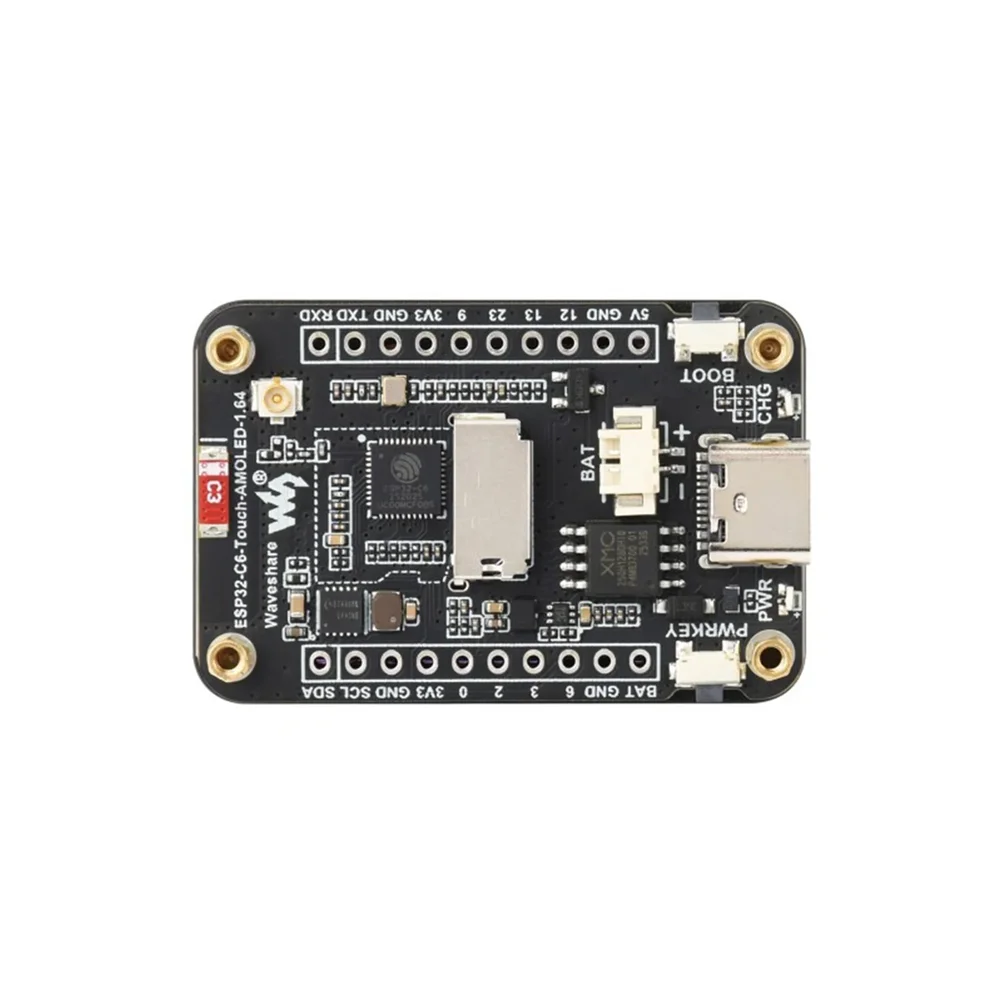
Waveshare ESP32-C6 1.64-Inch AMOLED Touch Display Dev Board

₹2,879.00 (Inclusive of all taxes)
Out of Stock

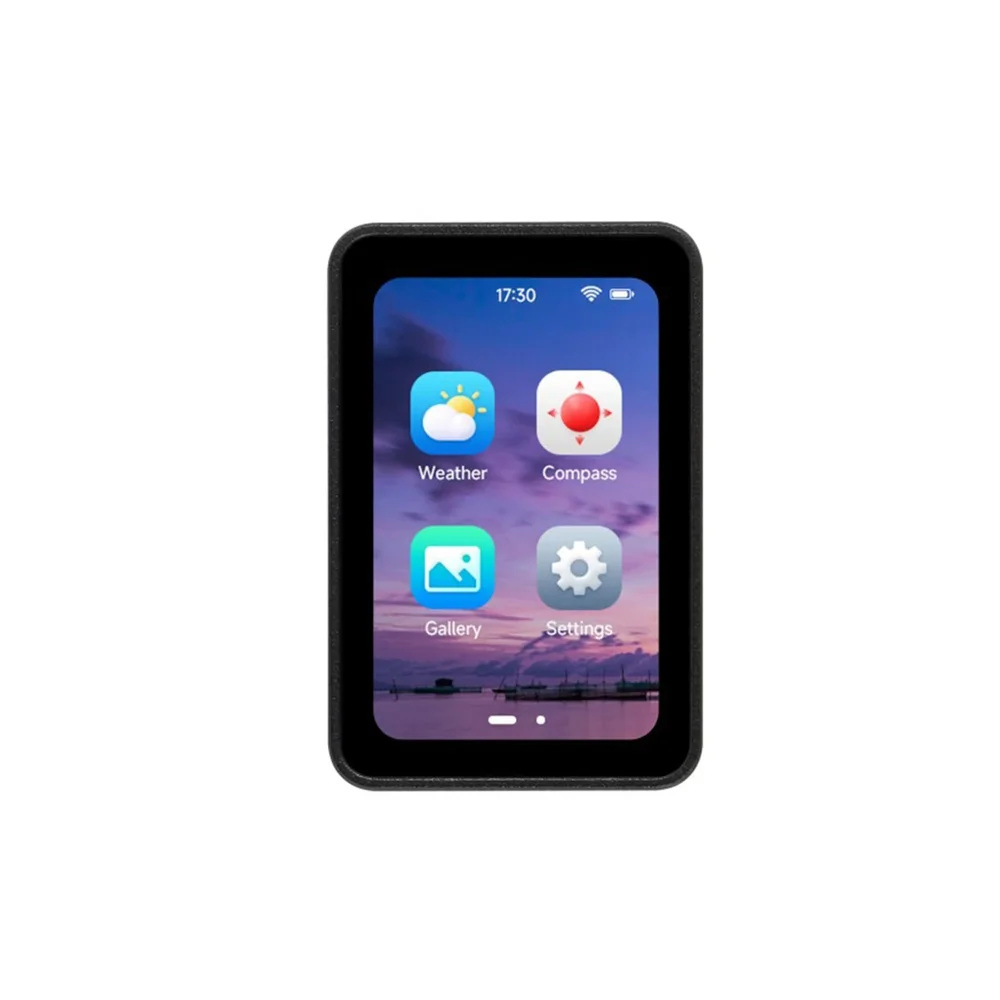
The Waveshare ESP32-C6 AMOLED Touch Display Development Board integrates a Wi-Fi 6/BLE 5/Zigbee-capable RISC-V MCU with a vibrant 1.64-inch capacitive touchscreen. It’s programmable via ESP-IDF or Arduino IDE and includes a 6-axis IMU, TF card slot, and Li-ion battery support for portable smart UI and IoT applications.

Features

  • ESP32-C6 Wi-Fi 6 & Multi-Protocol Core: Features a RISC-V processor supporting Wi-Fi 6, Bluetooth 5, and IEEE 802.15.4 (Zigbee 3.0/Thread) for robust, low-power IoT connectivity.
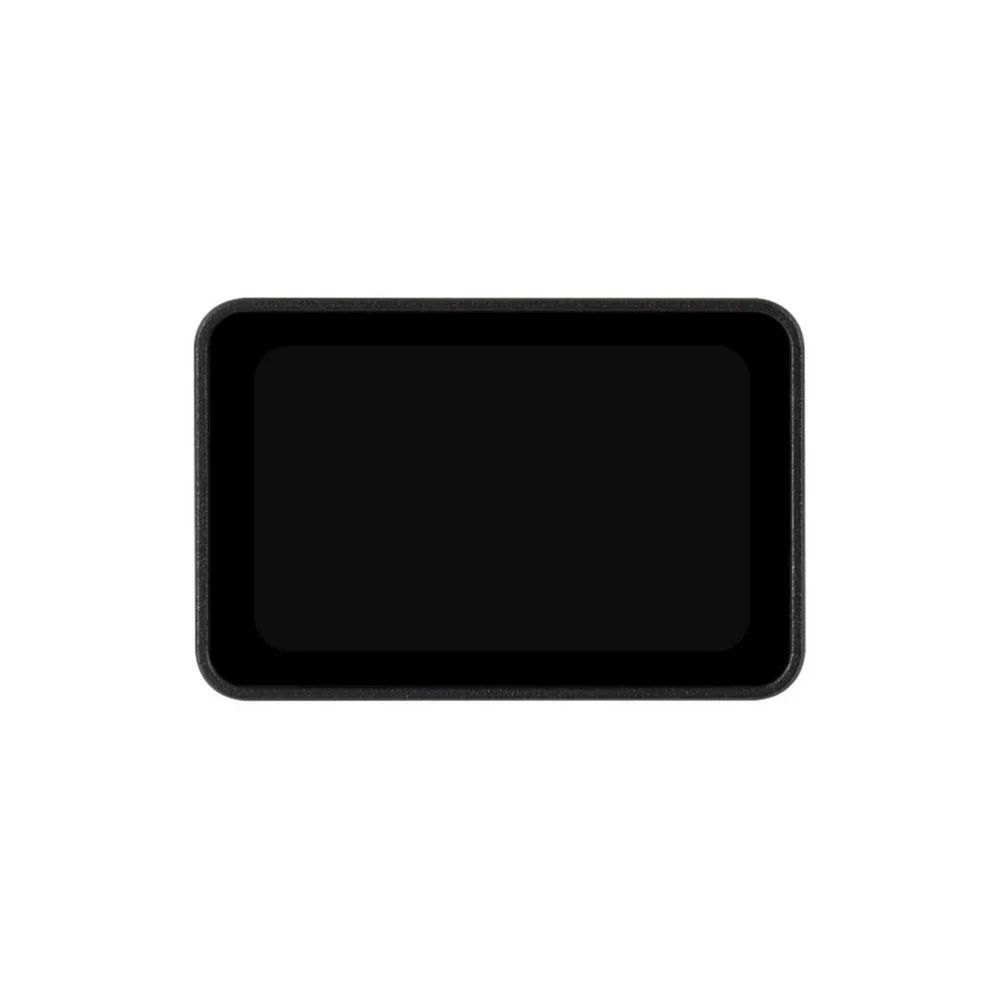
  • High-Contrast AMOLED Touch Display: 1.64-inch capacitive touchscreen with 280×456 resolution, 16.7M colors, and 350 cd/m² brightness for vivid, interactive user interfaces.
  • Integrated Sensors & Expansion: Onboard QMI8658 6-axis IMU and a microSD (TF) card slot for motion sensing and local data storage, enhancing application versatility.
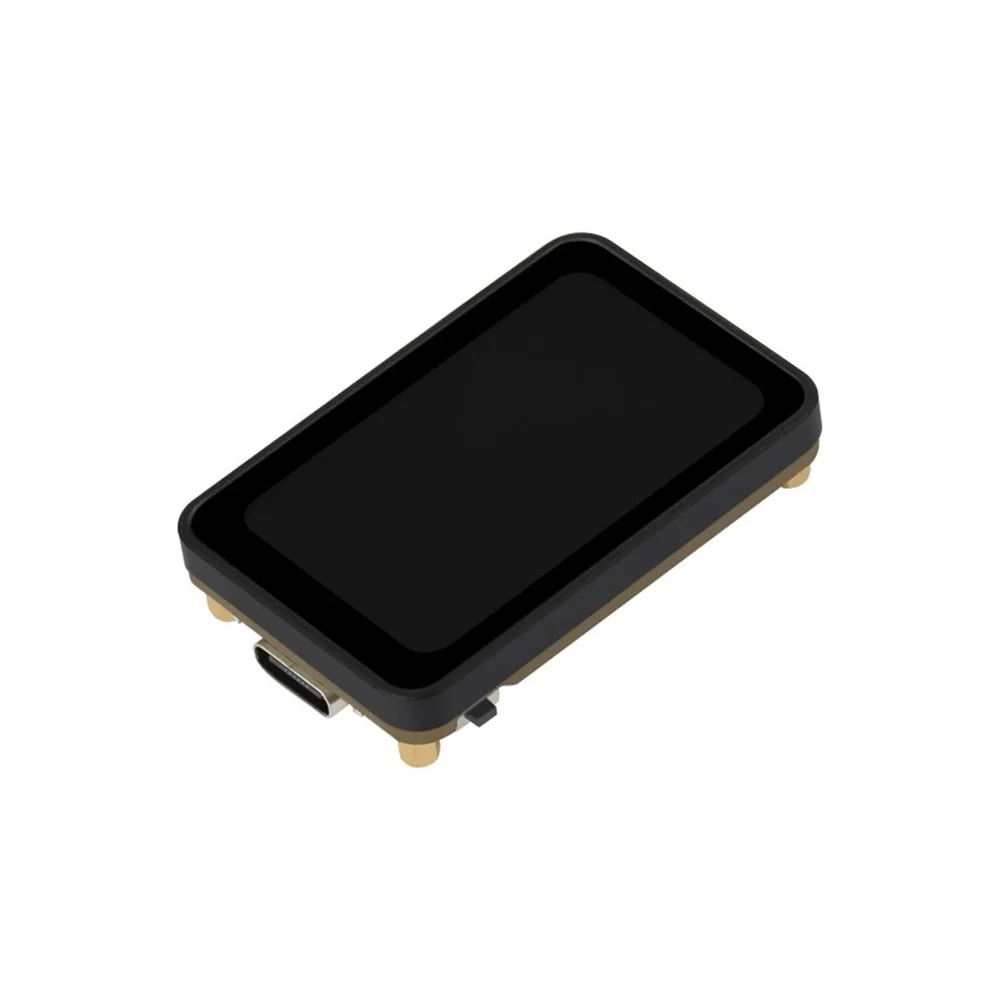
  • Portable Power Design: Supports 3.7V Li-ion battery via MX1.25 charging header and is powered/programmed through a USB Type-C interface.
  • Developer-Friendly Platform: Fully compatible with Espressif’s ESP-IDF framework and the Arduino core, accelerating firmware development for HMI and edge computing projects.

Out of stock

Description

This compact development board combines Espressif’s latest ESP32-C6 wireless SoC with a high-quality AMOLED touch display, creating an all-in-one Human-Machine Interface (HMI) solution for next-generation IoT devices. The ESP32-C6’s single-core RISC-V processor, clocked up to 160MHz, delivers efficient performance for running graphical interfaces while managing concurrent Wi-Fi 6, BLE 5, and Zigbee/Thread radio stacks. The integrated 6-axis IMU and expandable storage via TF card enable sophisticated applications in wearable tech, smart home controllers, and portable data loggers.

Engineered for low-power operation, the board includes dedicated power management for a Li-ion battery, making it ideal for untethered deployments. The USB Type-C port provides both 5V power input and a direct serial programming/debugging interface. With its rich set of peripherals accessible via pin headers—including UART, I2C, and QSPI—the board serves as a versatile foundation for prototyping interactive wireless devices that require a premium visual interface and multi-protocol connectivity.

Key Features

  • Multi-Protocol Wireless Hub: Integrates Wi-Fi 6 for high-efficiency local networking, Bluetooth 5 for short-range device control, and IEEE 802.15.4 radio for Zigbee 3.0 and Thread mesh networking support.
  • Premium Capacitive Touch AMOLED: Delivers deep blacks, high contrast (60000:1), and wide viewing angles (178°) with responsive FT6146 touch controller for intuitive user input.
  • Onboard Motion Sensing: Equipped with a QMI8658 6-axis inertial measurement unit (accelerometer + gyroscope) for detecting orientation, movement, and gestures.
  • Expandable Memory & Storage: Features 16MB of external flash for application code and a TF card slot for storing media files, logs, or dataset libraries.
  • Battery-Powered Portability: Includes a dedicated MX1.25 connector for attaching and charging a 3.7V Li-ion battery, enabling fully mobile applications.
  • Comprehensive Development Support: Supported by the mature ESP-IDF toolchain and a growing Arduino core, facilitating rapid prototyping and production firmware development.

Applications

  • Smart Home Control Panels: Interactive touch interfaces for managing lighting, security, and climate control via Wi-Fi, BLE, or Zigbee.
  • Wearable Tech & Fitness Devices: Portable gadgets with vivid displays and motion tracking for health monitoring and notifications.
  • Industrial HMI & Telemetry Dashboards: Local display and control units for machine monitoring, data visualization, and wireless status reporting.
  • Portable Data Loggers: Battery-powered field devices for collecting sensor data, with local storage and wireless upload capabilities.
  • IoT Prototyping & Education: An all-in-one platform for learning and developing advanced wireless applications with graphical interfaces.

Technical Specifications

Microcontroller / SoCESP32-C6 (Single-core RISC-V + LP RISC-V core)
Wireless ProtocolsWi-Fi 6 (802.11ax), Bluetooth 5, IEEE 802.15.4 (Zigbee 3.0, Thread)
Display1.64-inch AMOLED Capacitive Touch, 280 x 456 resolution
Processor ClockUp to 160 MHz (Main Core) + 20 MHz (LP Core)
Memory320 KB ROM, 512 KB HP SRAM, 16 KB LP SRAM, 16 MB External Flash
Onboard SensorsQMI8658 6-axis IMU (Accelerometer + Gyroscope)
Expansion StorageMicroSD (TF) Card Slot
Power Supply5V via USB Type-C, 3.3V Logic Level
Battery Support3.7V Li-ion with MX1.25 Charging Header
InterfacesUSB Type-C (UART), UART, I2C, QSPI, GPIO via Pin Headers
Display Driver ICCO5300
Touch ControllerFT6146
Dimensions44 x 29.12 x 9.60 mm
Weight0.016 kg

Frequently Asked Questions

What development frameworks are supported for programming this ESP32-C6 board?

The board is fully compatible with Espressif's official IoT Development Framework (ESP-IDF), providing access to all Wi-Fi 6, BLE, and Zigbee features. It is also supported by the community-maintained Arduino core for ESP32, allowing you to use the familiar Arduino IDE and libraries. You program the board via the onboard USB Type-C port, which provides a serial connection for flashing and debugging. Initial setup involves installing the appropriate board package and selecting the correct COM port.

How do I power the board for a portable application and what is the battery specification?

For portable use, connect a standard 3.7V Lithium-ion or Lithium-polymer battery to the onboard MX1.25 2-pin connector. The board includes charging circuitry, so the battery will charge automatically when the USB Type-C port is connected to a 5V source. The board operates on 3.3V logic internally. Ensure your battery has built-in protection circuitry. You can monitor charge status in your firmware by reading the relevant GPIO pins connected to the charger IC, as detailed in the board's schematic.

Can I use the Zigbee and Thread functionality simultaneously with Wi-Fi and Bluetooth?

The ESP32-C6's IEEE 802.15.4 radio supports Zigbee 3.0 and Thread protocols, but it shares resources with the 2.4 GHz Wi-Fi and Bluetooth radios. You typically configure the device to operate in one primary network role at a time—for example, as a Zigbee end-device or a Wi-Fi station. The ESP-IDF provides examples and APIs for managing these concurrent protocols. For complex multi-protocol applications, careful firmware design is needed to schedule radio operations and avoid interference, leveraging the SoC's coexistence features.

Package Includes

  • 1 x Waveshare ESP32-C6 1.64-inch AMOLED Touch Display Development Board
  • 2 x Black Pin Headers

Additional Information

Weight 0.025 kg
Dimensions 3.5 × 5 × 1 cm