SKU: IOWC-0932
📋 GST Invoice Available

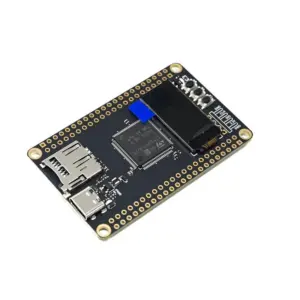
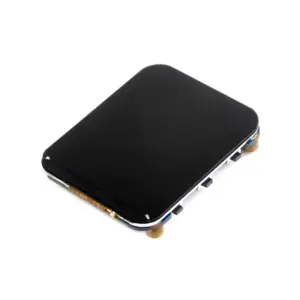
Waveshare ESP32-C6 1.9-Inch LCD Display Development Board

â‚č1,849.00 (Inclusive of all taxes)
Out of Stock

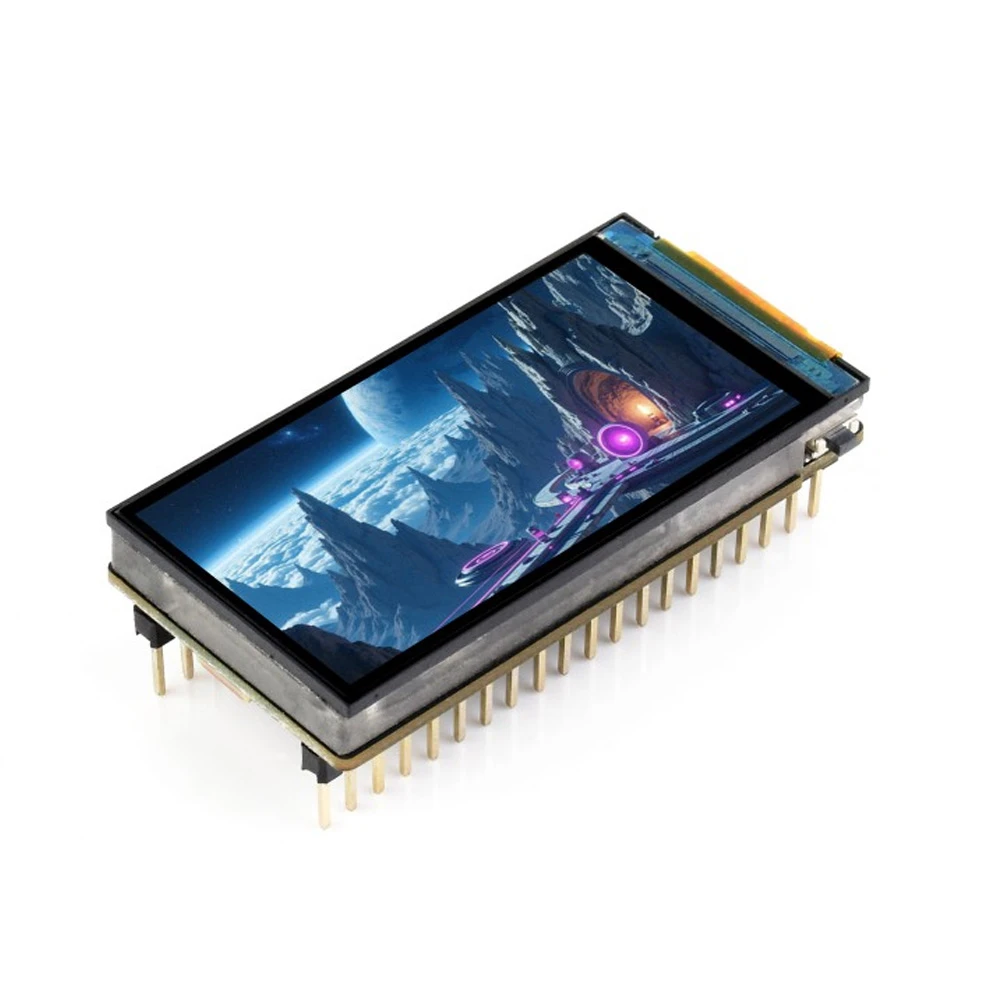
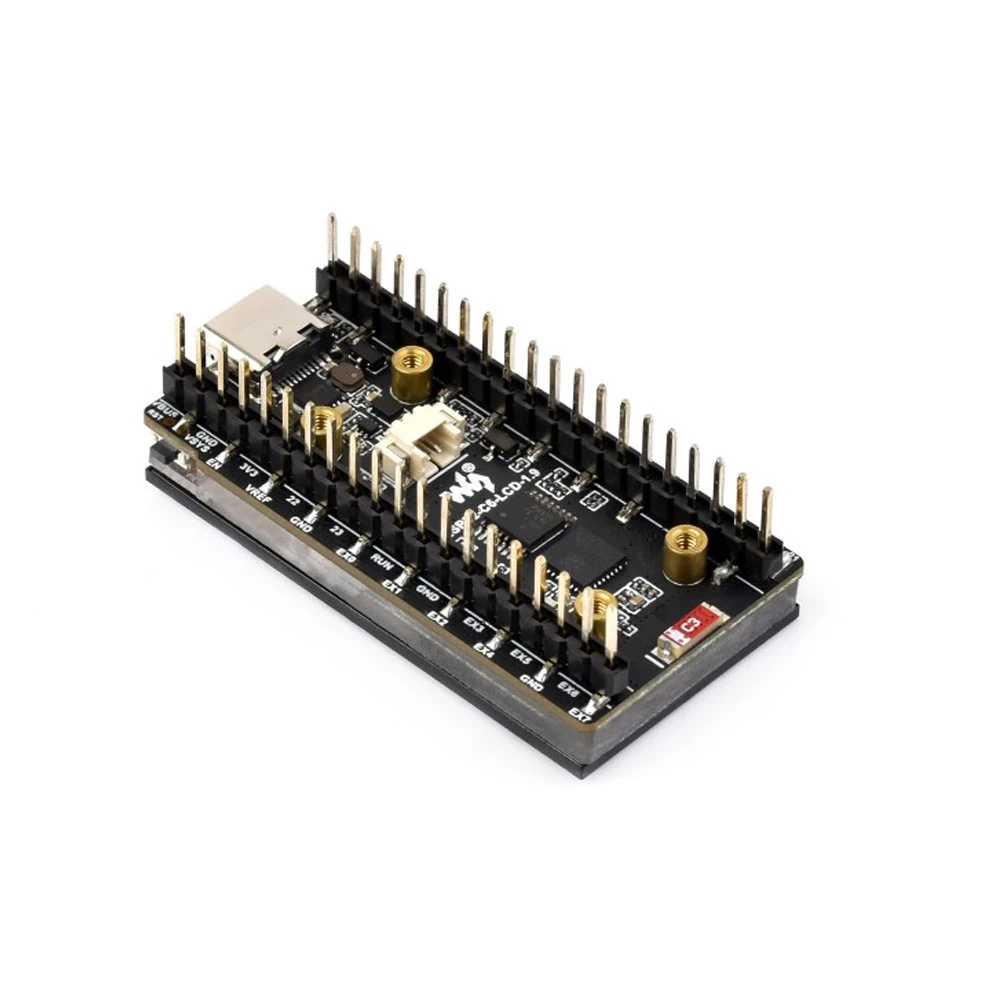
This Waveshare development board integrates an ESP32-C6FH8 SoC with a 1.9-inch 170×320 SPI LCD, designed for IoT HMIs and portable devices. It supports Wi-Fi 6, Bluetooth 5, Zigbee, and Thread, and is programmable via USB-C with Arduino IDE, ESP-IDF, or MicroPython.

Features

  • ESP32-C6FH8 SoC with 160 MHz RISC-V CPU, 8MB flash, and support for Wi-Fi 6, BLE 5, Zigbee 3.0, and Thread.
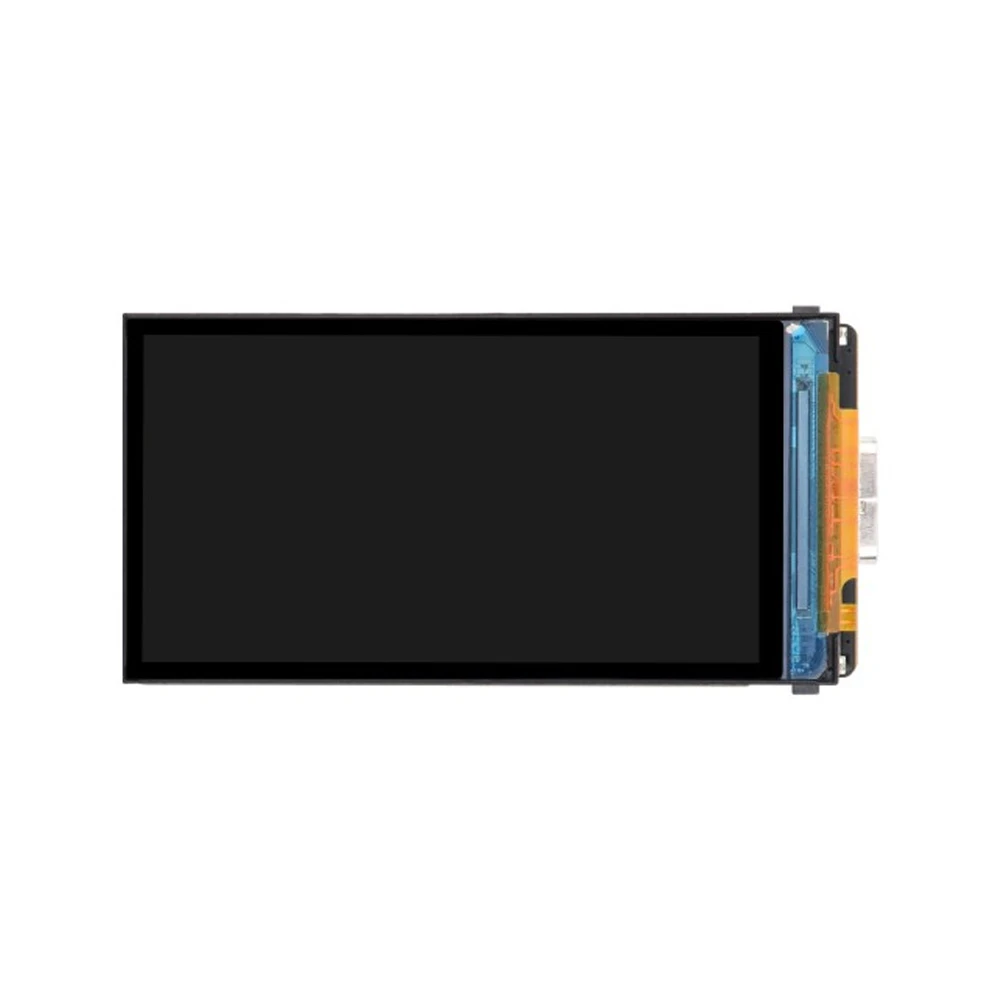
  • 1.9-inch 170×320 SPI LCD with ST7789V2 driver, 262K colors, and 500 nits brightness for smooth GUI development with LVGL.
  • Integrated QMI8658 6-axis IMU (accelerometer & gyroscope) for motion sensing and orientation tracking in portable applications.
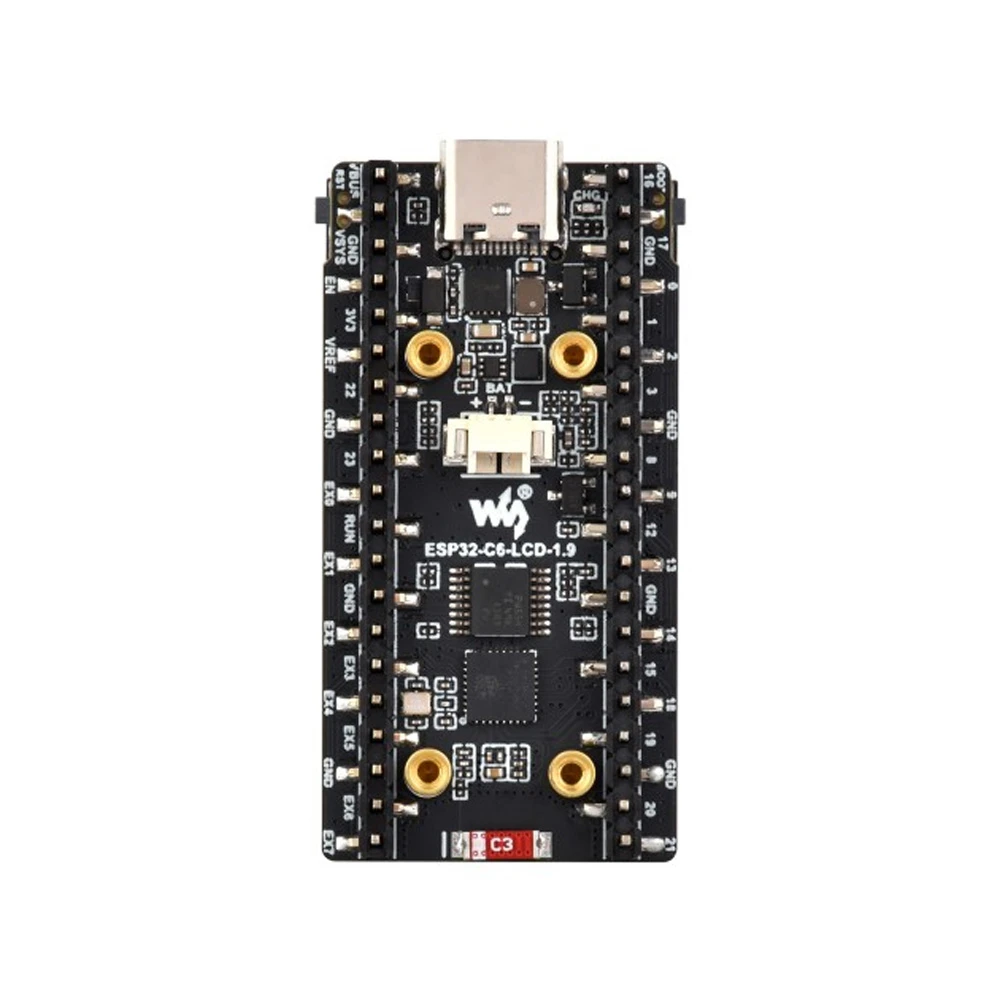
  • USB Type-C interface for power, programming, and debugging, plus a TF card slot and onboard 3.7V Li-Po battery header.
  • Compact 51x26mm form factor with Pico-compatible expansion headers for adding sensors, actuators, or peripheral modules.

Out of stock

Description

The Waveshare ESP32-C6 development board is a compact AIoT platform combining Espressif’s latest wireless MCU with a high-brightness color display. The ESP32-C6FH8 core provides a multi-protocol radio supporting Wi-Fi 6 for efficient IoT data transfer, Bluetooth LE 5 for short-range communication, and IEEE 802.15.4 for Zigbee and Thread mesh networking, all managed by a 160 MHz RISC-V processor.

Its integrated 1.9-inch LCD, driven via SPI, offers a sharp 170×320 pixel canvas with 262K colors, ideal for building responsive touchless HMIs using the LVGL graphics library. The board includes a QMI8658 inertial measurement unit for motion-based interactivity and a TF card slot for local data logging. Power management is handled via the USB-C port or an optional Li-Po battery, making it suited for portable, battery-operated sensor nodes and interactive control panels.

Key Features

  • Multi-protocol wireless connectivity via ESP32-C6FH8: Wi-Fi 6 (802.11ax), Bluetooth 5 LE, Zigbee 3.0, and Thread.
  • High-resolution 1.9-inch SPI LCD with ST7789V2 driver for vibrant GUI development, compatible with LVGL and other embedded graphics frameworks.
  • Onboard 6-axis IMU (QMI8658) enables motion sensing for tilt, gesture, and activity monitoring applications.
  • USB Type-C port provides robust power delivery, firmware flashing via serial, and real-time debugging.
  • Expandable via Pico-compatible GPIO headers, supporting add-on modules, sensors, and HATs for rapid prototyping.
  • Integrated TF/microSD card slot for storing media files, logging sensor data, or hosting web server assets.
  • Dedicated Li-Po battery charging circuit and JST header enable portable, untethered operation for field deployments.
  • Compact and lightweight PCB design (51x26mm) fits into small enclosures for space-constrained IoT products.

Applications

  • Interactive IoT control panels and smart home dashboards with wireless status monitoring.
  • Portable data loggers and environmental sensors with on-device display for field technicians.
  • Wearable and fitness devices leveraging the IMU for motion tracking and Bluetooth connectivity.
  • Prototyping Zigbee or Thread mesh network edge nodes with user feedback via color LCD.
  • Educational tools for learning embedded graphics (LVGL), wireless protocols, and RISC-V programming.

Technical Specifications

Microcontroller/SoCESP32-C6FH8 (32-bit RISC-V up to 160 MHz)
Wireless ProtocolsWi-Fi 6 (802.11ax), Bluetooth 5 LE, Zigbee 3.0, Thread (IEEE 802.15.4)
Memory512KB HP SRAM, 16KB LP SRAM, 320KB ROM, 8MB Flash
Display1.9-inch LCD, 170x320 resolution, 262K colors, SPI interface
Display Driver ICST7789V2
IMU SensorQMI8658 6-axis (3-axis accelerometer + 3-axis gyroscope)
Supply Voltage5V via USB-C, 3.7V via Li-Po battery header
InterfacesUSB Type-C, SPI (display), I2C (IMU), GPIO via Pico headers, TF card slot
Antenna ConnectorIntegrated PCB antenna
Operating TemperatureNot specified
Dimensions51 x 26 x 15.90 mm
Weight14 g

Frequently Asked Questions

How do I program the Waveshare ESP32-C6 board?

You can program it using the Arduino IDE with the ESP32-C6 board package installed, Espressif's official ESP-IDF framework for full feature control, or MicroPython for scripting. Connect via the USB-C port, select the correct COM port, and upload your code. The board appears as a serial device for flashing and debugging serial output.

What graphics library is recommended for the 1.9-inch LCD?

The LVGL (Light and Versatile Graphics Library) is highly recommended and fully supported. It's optimized for embedded systems and works efficiently with the ST7789V2 driver over SPI. Example projects and configuration files for LVGL on ESP32-C6 are available from Waveshare and Espressif's GitHub repositories to accelerate GUI development.

Can I use Zigbee and Wi-Fi simultaneously on the ESP32-C6?

The ESP32-C6FH8 supports concurrent operation of Wi-Fi and IEEE 802.15.4-based protocols like Zigbee or Thread at the radio level. However, managing both stacks requires careful firmware design using Espressif's ESP-IDF. You'll need to handle task scheduling and memory allocation to avoid conflicts, as both protocols share the same radio hardware.

How do I power the board with a battery for portable use?

Connect a 3.7V Li-Po battery to the onboard JST PH battery header. The integrated charging circuit will manage power and recharge the battery when USB-C is connected. Monitor battery voltage via the designated ADC pin. Implement deep sleep modes in your firmware to minimize current draw and extend operational life between charges.

Package Includes

  • 1 x Waveshare ESP32-C6 1.9-inch LCD Development Board

Additional Information

Weight 0.014 kg
Dimensions 2.6 × 5.1 × 1.59 cm