SKU: IOWC-0593
📋 GST Invoice Available

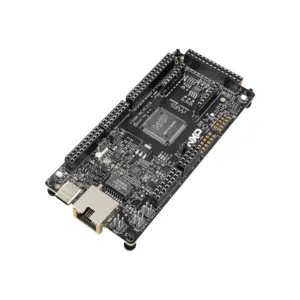
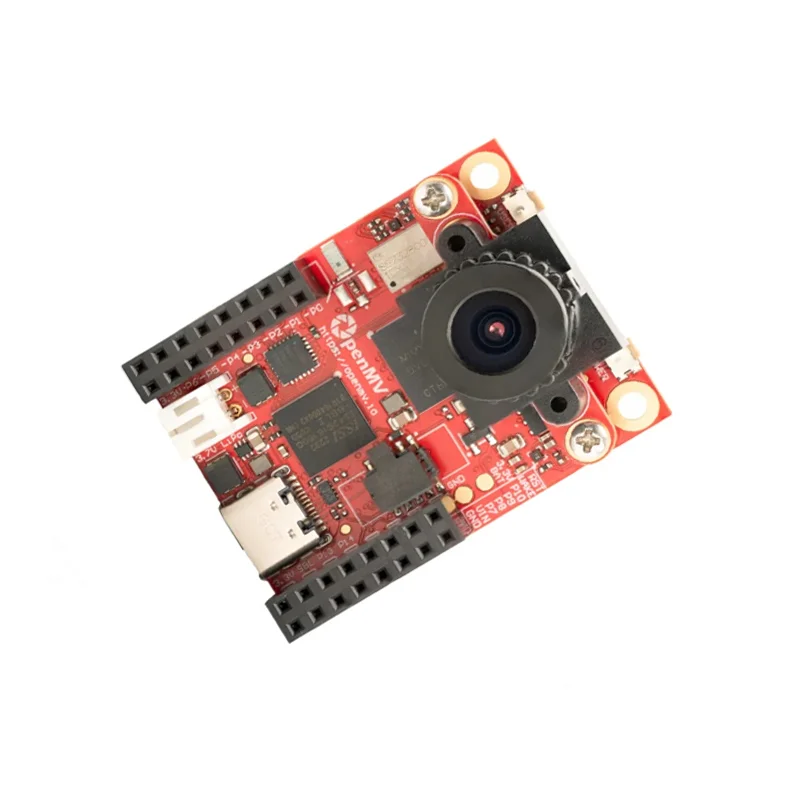
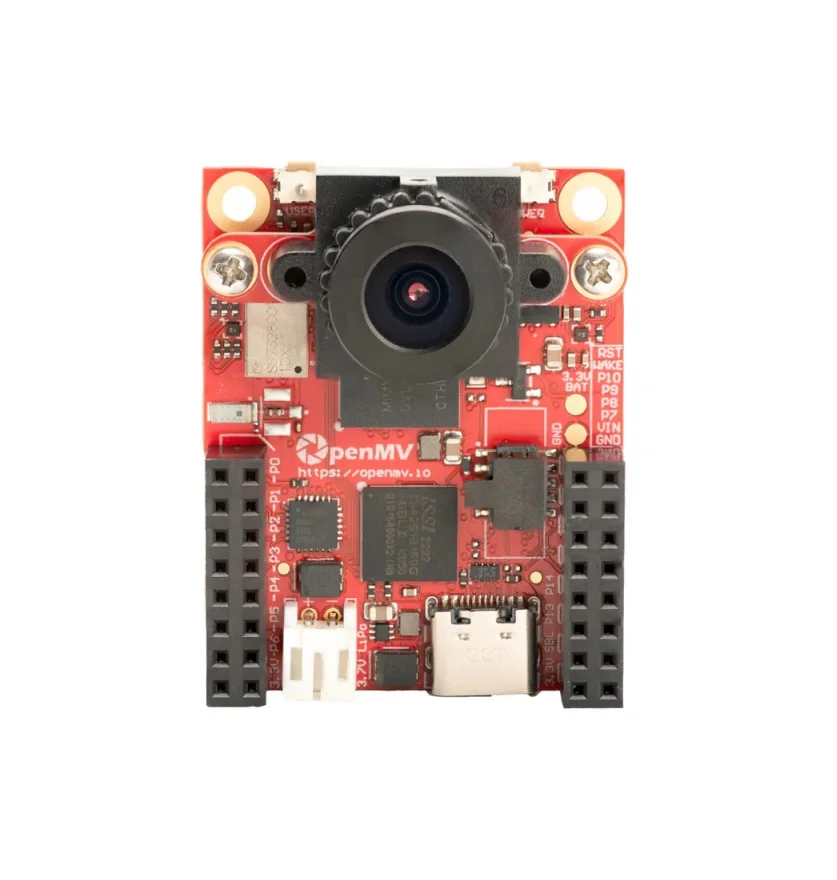
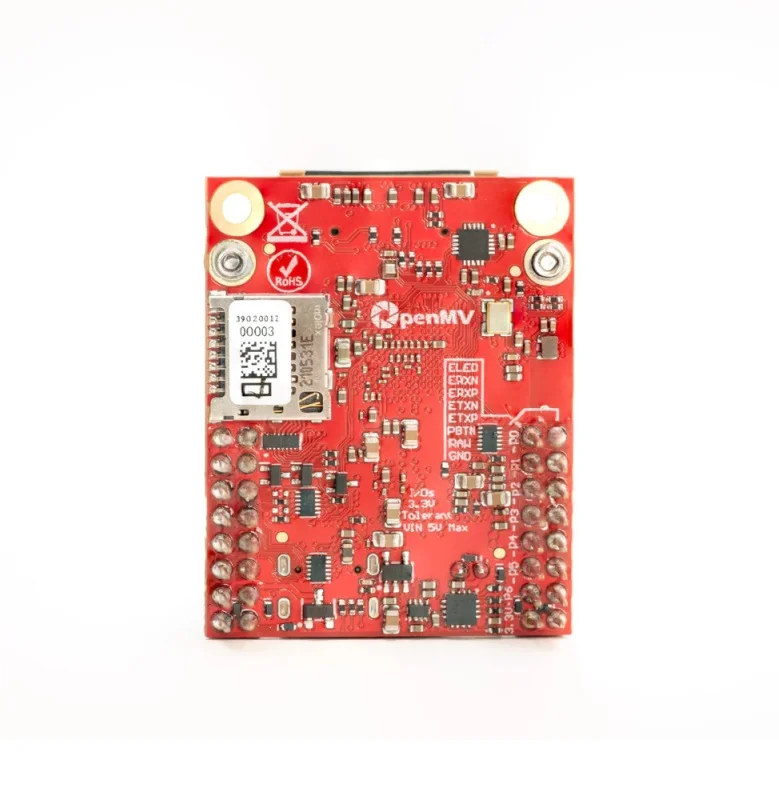
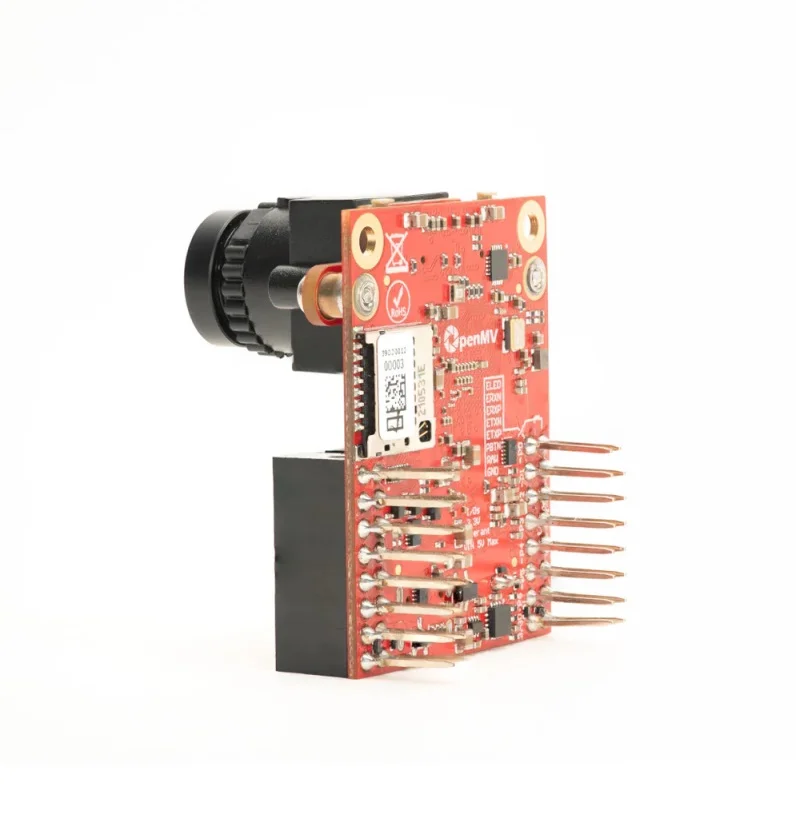
OpenMV Cam RT1062 Embedded Machine Vision Camera

₹21,119.00 (Inclusive of all taxes)
Out of Stock

The OpenMV Cam RT1062 is a programmable embedded machine vision camera powered by a 600 MHz ARM Cortex-M7 processor and running MicroPython, designed for rapid prototyping of computer vision applications with onboard Wi-Fi, Bluetooth 5.1, and Ethernet connectivity.

Features

  • 600 MHz ARM Cortex-M7 processor with 32MB SDRAM & 16MB flash for high-speed vision algorithm execution.
  • Programmable in MicroPython (Python 3) for easy development of machine vision and IoT applications.
  • Integrated OV5640 5MP image sensor with M12 lens mount (2.8mm, F2.0, 70.8° HFOV).
  • Onboard dual-band Wi-Fi (802.11 a/b/g/n) and Bluetooth 5.1 (BR/EDR/BLE) with chip antenna & U.FL option.
  • Rich I/O includes USB-C, 10/100 Ethernet with PoE shield support, SPI, I2C, CAN, UART, ADC, and servo control.

Out of stock

Description

The OpenMV Cam RT1062 is a compact, low-power embedded vision system that brings real-time machine vision capabilities to IoT devices, robotics, and industrial automation. Its core is a high-performance 600 MHz ARM Cortex-M7 processor with a double-precision FPU, coupled with 32MB of high-bandwidth SDRAM for frame buffering and 16MB of QSPI flash for firmware and asset storage. This hardware foundation enables the execution of complex vision algorithms like color tracking, face detection, and QR code reading directly on the edge.

The board is fully programmable via a user-friendly MicroPython environment, abstracting low-level hardware complexities while providing direct control over all I/O pins, peripherals, and the camera sensor. It features comprehensive wireless and wired connectivity options, including an onboard Wi-Fi and Bluetooth 5.1 module for wireless data streaming and control, a 10/100 Mbps Ethernet port with optional Power-over-Ethernet (PoE) capability via an external shield, and a high-speed USB-C interface for development and power. The modular camera system, starting with a standard OV5640 5MP sensor, supports interchangeable lenses and can be upgraded with global shutter or thermal imaging modules for specialized applications.

Key Features

  • High-performance edge AI vision platform powered by a 600 MHz ARM Cortex-M7 processor with 32MB SDRAM.
  • Programmable in MicroPython for rapid development of machine vision, object detection, and tracking algorithms.
  • Integrated OV5640 5MP image sensor with standard M12 lens mount for flexible lens options.
  • Onboard dual-band Wi-Fi (802.11 a/b/g/n) and Bluetooth 5.1 with chip antenna and U.FL connector for external antenna.
  • Wired connectivity includes 10/100 Mbps Ethernet (PoE-ready with shield) and high-speed 480 Mbps USB-C.
  • Extensive I/O: SPI (60 Mbps), I2C (1 Mbps), CAN, UART (20 Mbps), 12-bit ADC, servo control, and JTAG debug.
  • Low-power design with deep sleep modes drawing less than 30µA, powered via 5V VIN or integrated LiPo charger.
  • Secure Element (SE050) support for cryptographic authentication in secure IoT deployments.

Applications

  • Smart factory machine vision for quality control, part identification, and robotic guidance.
  • IoT and smart home automation with visual sensing for security, presence detection, and object recognition.
  • Educational and research platforms for robotics, computer vision, and embedded AI development.
  • Agricultural and environmental monitoring using visual data for crop health or wildlife tracking.
  • Prototyping edge AI devices for retail analytics, inventory management, and interactive kiosks.

Technical Specifications

Processor / SoCARM 32-bit Cortex-M7 CPU w/ Double Precision FPU @ 600 MHz
Wireless ProtocolsWi-Fi 802.11 a/b/g/n, Bluetooth 5.1 BR/EDR/BLE
Image SensorOV5640, up to 5MP (2592x1944)
Lens Specification2.8mm focal length, F2.0 aperture, 1/3" format, M12x0.5 mount
Memory32MB SDRAM, 1MB SRAM, 16MB QSPI Flash
Supply Voltage3.6V to 5V (VIN) or 3.7V LiPo
Operating Current~130mA @ 5V (Active), ~100mA @ 5V (Idle)
InterfacesUSB-C (480 Mbps), μSD Card, SPI, I2C, CAN, UART, 12-bit ADC, Ethernet (10/100)
Antenna ConnectorIntegrated Chip Antenna, optional U.FL connector
Operating Temperature0°C to 70°C
DimensionsApprox. 75mm x 55mm (Board, est.)

Frequently Asked Questions

How do I start programming the OpenMV Cam RT1062?

First, install the OpenMV IDE on your computer from the official website. Connect the board via the provided USB-C cable; it will mount as a virtual COM port and flash drive. Open the IDE, select the correct COM port, and you can immediately begin writing and running Python scripts. The IDE includes extensive libraries for image capture, processing (like find_blobs, face detection), and I/O control, with numerous example scripts to accelerate development for machine vision tasks.

Can I use a different lens or camera module with the RT1062?

Yes, the camera module is removable. The standard OV5640 sensor uses an M12x0.5 thread mount, allowing you to attach compatible M12 lenses with different focal lengths or apertures. For advanced applications, OpenMV offers dedicated modules like a global shutter camera for high-speed motion or a Teledyne FLIR Lepton adapter for thermal imaging. These modules plug into the same connector, and firmware support is provided within the OpenMV IDE for seamless integration.

What is the power requirement and how do I power it in a standalone project?

The board requires a 3.6V to 5V DC input via the VIN pin or the onboard USB-C port. For portable applications, you can connect a standard 3.7V LiPo battery to the dedicated JST connector; the board includes charging circuitry managed via USB. In deep sleep mode, current draw drops below 30µA, significantly extending battery life. Ensure your power supply can provide at least 250mA for stable operation during active vision processing and wireless transmission.

How do I connect the RT1062 to a Wi-Fi network and stream video?

Use the `network` module in your MicroPython script. First, import the WLAN class and configure it in station mode. Provide your SSID and password to connect. Once connected, you can use the `sensor.snapshot()` function to capture images and then transmit them via HTTP/MQTT or stream JPEGs over a TCP socket. The OpenMV IDE examples include complete scripts for HTTP posting and RTSP streaming, leveraging the board's substantial RAM for buffering.

What development frameworks and debug tools are supported?

Primary development is done through the OpenMV IDE, which is built on MicroPython. You can also use Generic MicroPython tools. For low-level debugging and firmware development, the board features a standard ARM 10-pin JTAG header compatible with Segger Segger debuggers. This allows step-through debugging, register inspection, and direct flash programming using tools like Ozone or PyOCD, which is essential for developing custom C-level drivers or porting new sensor modules.

Package Includes

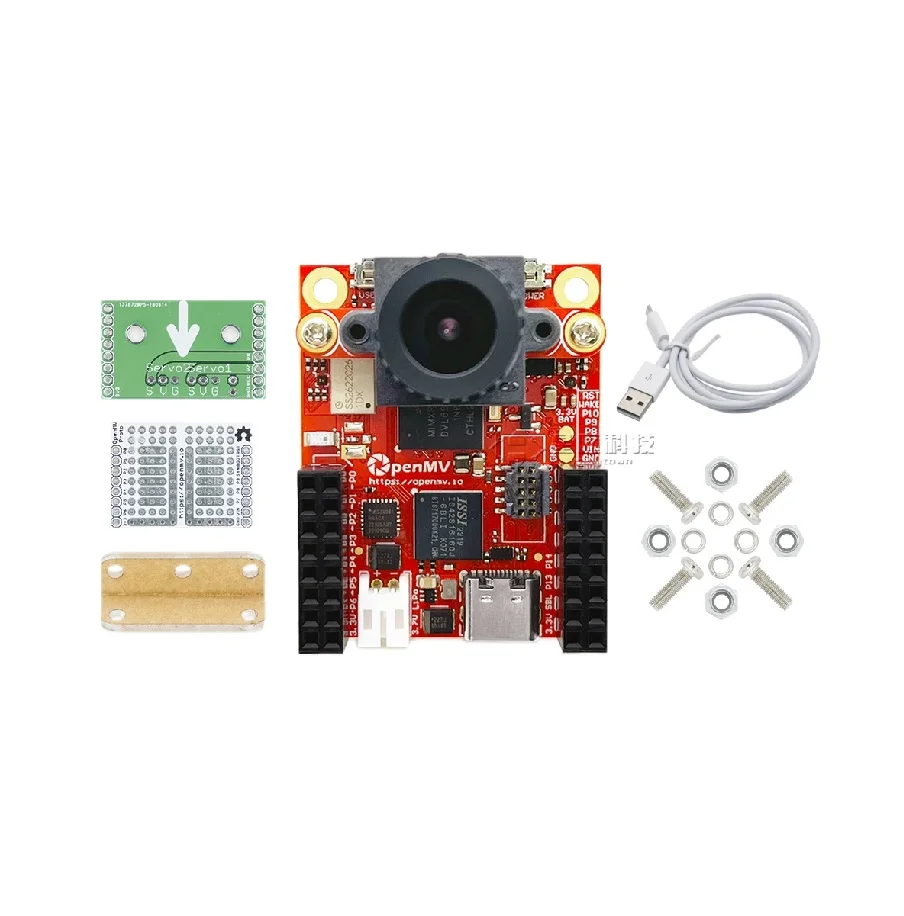
  • 1 x OpenMV Cam RT1062 Board

Additional Information

Weight 0.09 kg
Dimensions 15 × 9 × 7 cm