SKU: IOWC-1148
📋 GST Invoice Available

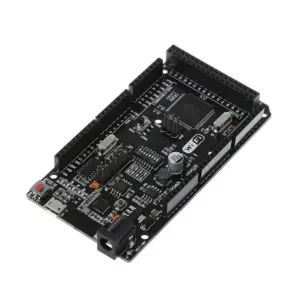
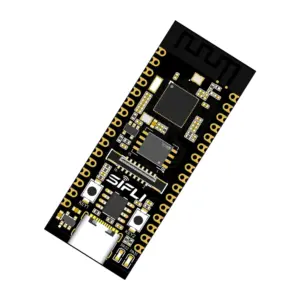
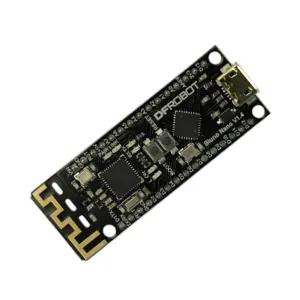
Vacus ESP32-DW1000 UWB Evaluation Board

₹4,956.00 (Inclusive of all taxes)
Out of Stock

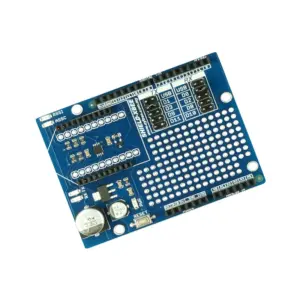
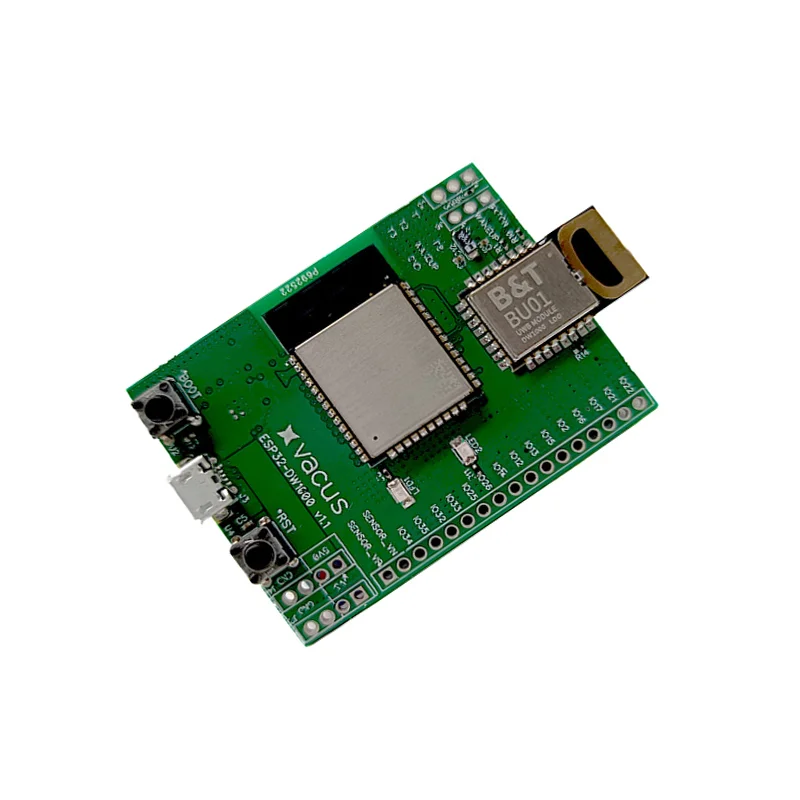
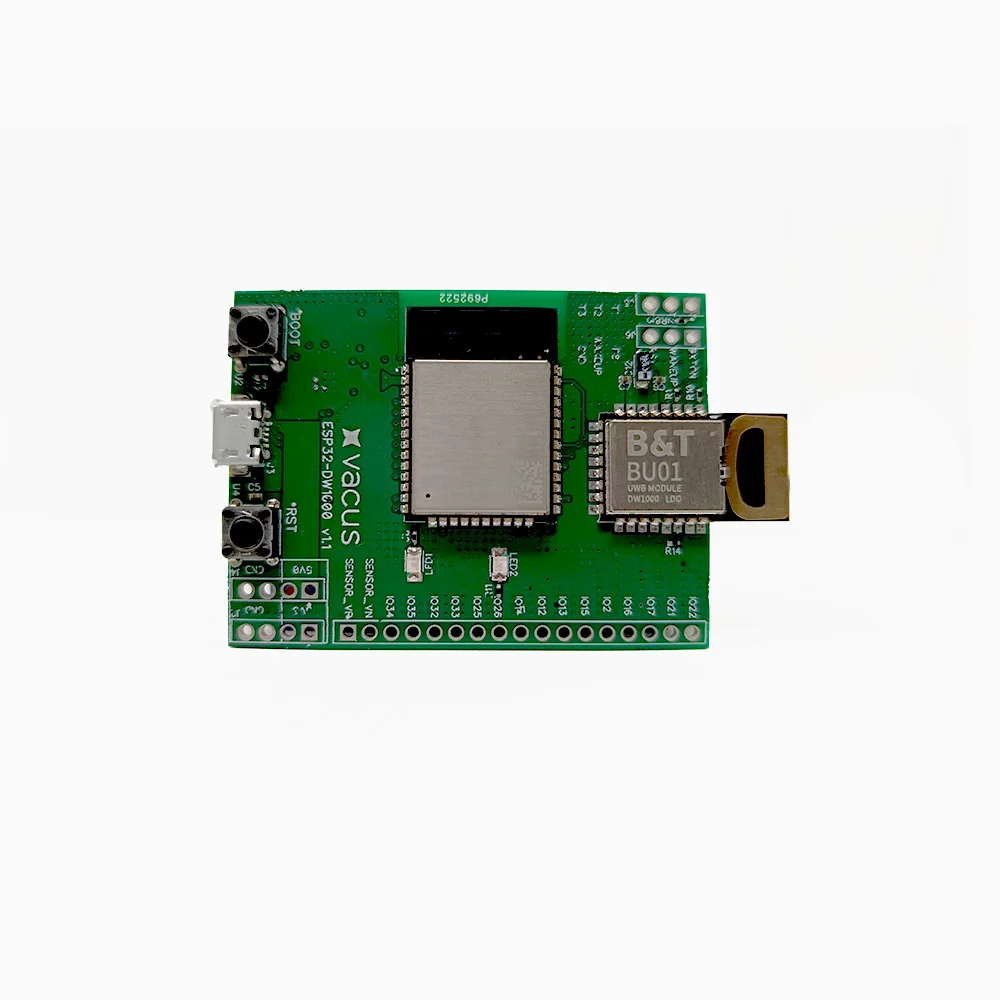
The Vacus ESP32-DW1000 Evaluation Board is an ultra-wideband (UWB) development platform combining the processing power of the ESP32 with the DW1000 transceiver for centimeter-accurate ranging and positioning. It is ideal for developers building indoor navigation, asset tracking, and IoT automation systems.

Features

  • ESP32 + DW1000 SoC for integrated Wi-Fi/Bluetooth and ultra-wideband (UWB) communication.
  • Enables high-precision, real-time location tracking with centimeter-level accuracy.
  • Compact evaluation board form factor for rapid prototyping and system integration.
  • Seamlessly compatible with Arduino IDE, ESP-IDF, and popular UWB SDKs.
  • Ideal for IoT applications in indoor positioning, asset management, and industrial automation.

Out of stock

Description

The Vacus ESP32-DW1000 Evaluation Board integrates the ESP32 dual-core microcontroller with the Decawave DW1000 ultra-wideband transceiver, creating a powerful platform for wireless ranging and positioning. This board enables Time-of-Flight (ToF) measurements for precise distance calculation and Two-Way Ranging (TWR) protocols, forming the foundation for real-time location systems (RTLS).

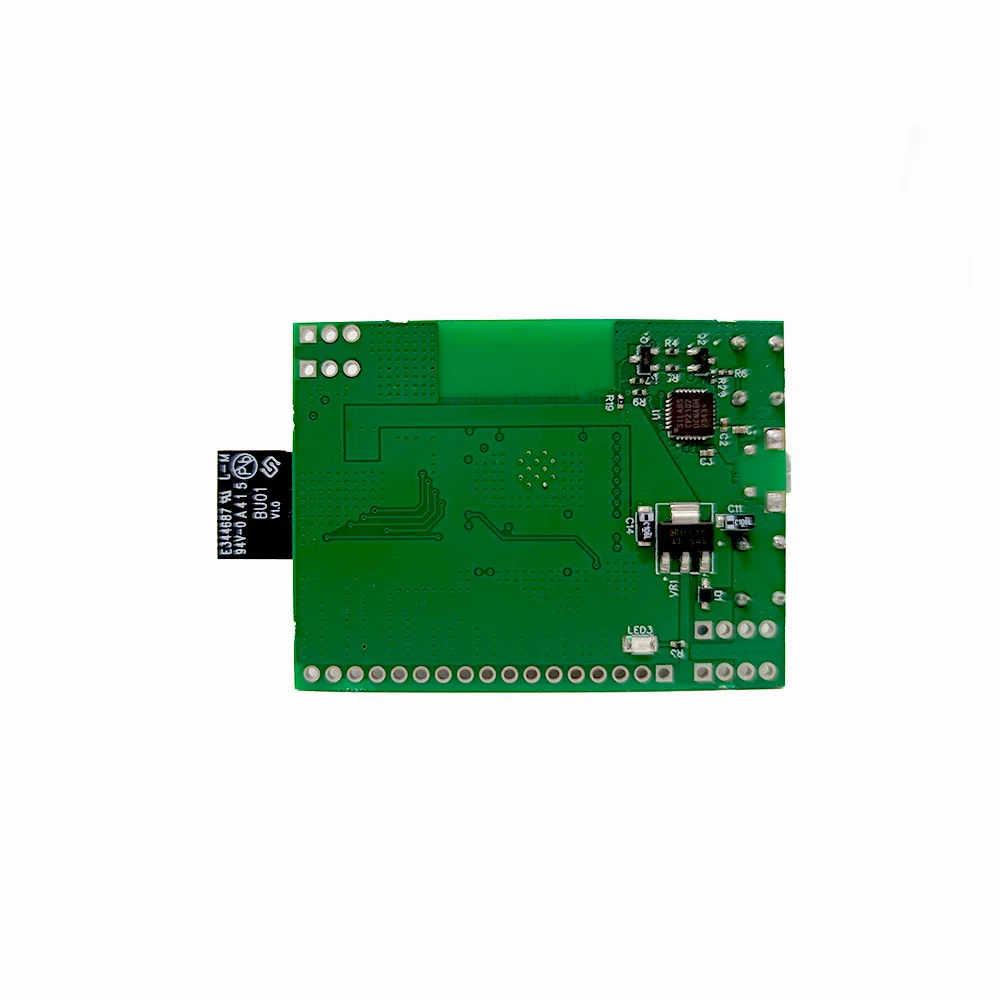
Designed for developers and system integrators, the board provides a complete hardware interface for the DW1000, including SPI communication and antenna connections. Its compact footprint and breadboard-friendly design facilitate quick integration into proof-of-concept projects and industrial IoT deployments requiring accurate spatial awareness.

Key Features

  • Integrated ESP32 microcontroller provides Wi-Fi and Bluetooth connectivity alongside UWB processing.
  • Decawave DW1000 transceiver enables IEEE 802.15.4-2011 UWB communication for precise ranging.
  • Supports high-accuracy Time-of-Flight (ToF) and Two-Way Ranging (TWR) algorithms.
  • Compact evaluation board with exposed GPIOs for sensor integration and peripheral expansion.
  • Compatible with popular development frameworks including Arduino, ESP-IDF, and PlatformIO.
  • Ideal for developing Real-Time Location Systems (RTLS) and indoor positioning networks.

Applications

  • Indoor Navigation & Real-Time Location Systems (RTLS)
  • Precision Asset Tracking & Inventory Management
  • Industrial Automation & Robot Positioning
  • Smart Building Occupancy Sensing & Access Control
  • IoT Device Proximity Detection and Interaction

Technical Specifications

Microcontroller/SoCESP32 Dual-Core + DW1000 UWB Transceiver
Wireless ProtocolsWi-Fi, Bluetooth, Ultra-Wideband (UWB)
Frequency RangeUWB: 3.5 GHz to 6.5 GHz (Channel-dependent)
Ranging AccuracyCentimeter-level precision
Supply Voltage3.3V (Typical via onboard regulator)
InterfacesSPI (for DW1000), GPIO, UART, I2C
Antenna ConnectorIntegrated UWB antenna or connector
DimensionsApprox. 80mm x 90mm (from shipping data)

Frequently Asked Questions

What software frameworks are supported for programming the ESP32-DW1000 board?

The board is fully compatible with the Arduino IDE using the ESP32 core and relevant DW1000 libraries. For advanced development, you can use Espressif's official ESP-IDF framework. Several open-source SDKs and examples for the Decawave DW1000 are available on GitHub to implement Two-Way Ranging (TWR) and Time-of-Flight (ToF) algorithms.

How do I establish communication between two ESP32-DW1000 boards for distance measurement?

You must configure one board as an 'Anchor' and another as a 'Tag' using a supported ranging protocol like Single-sided Two-Way Ranging (SS-TWR). Load the corresponding firmware on each device, ensuring they use the same UWB channel and data rate. The devices exchange timestamped messages over SPI via the DW1000 transceiver to calculate the precise Time-of-Flight and thus the distance.

What is the typical power consumption of the ESP32-DW1000 during active ranging?

Power consumption depends on the ESP32's operational mode and the DW1000's active state. The DW1000 itself can draw significant current during transmission. For battery-operated tracking tags, you must implement deep sleep on the ESP32 and power down the DW1000 between ranging intervals. Precise current figures should be measured with the specific firmware and duty cycle you plan to use.

Package Includes

  • 1 x ESP32-DW1000 Evaluation Board

Additional Information

Weight 0.025 kg
Dimensions 9 × 8 × 3 cm