SKU: SENS-0739
📋 GST Invoice Available

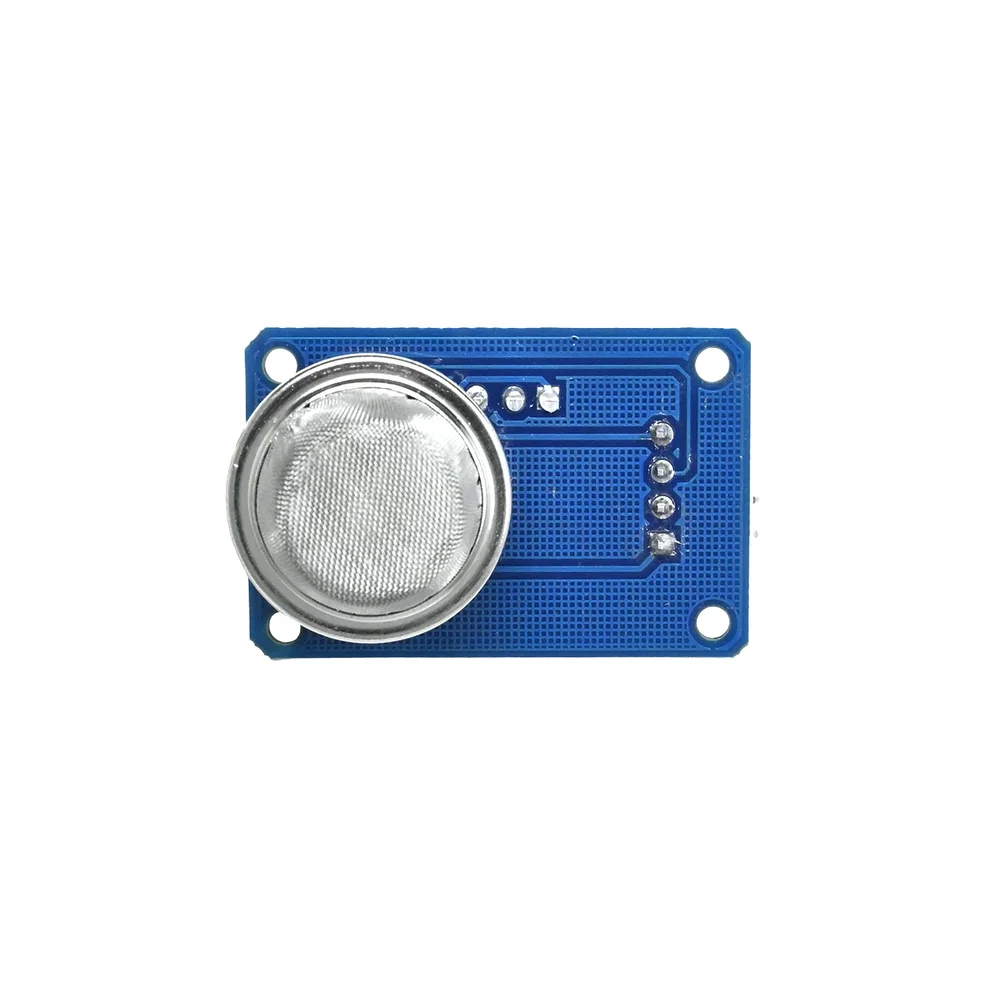
MQ-131 Ozone Gas Detection Sensor Module - 10PPB-2PPM Range, Analog & Digital Output

₹1,779.00 (Inclusive of all taxes)
Out of Stock

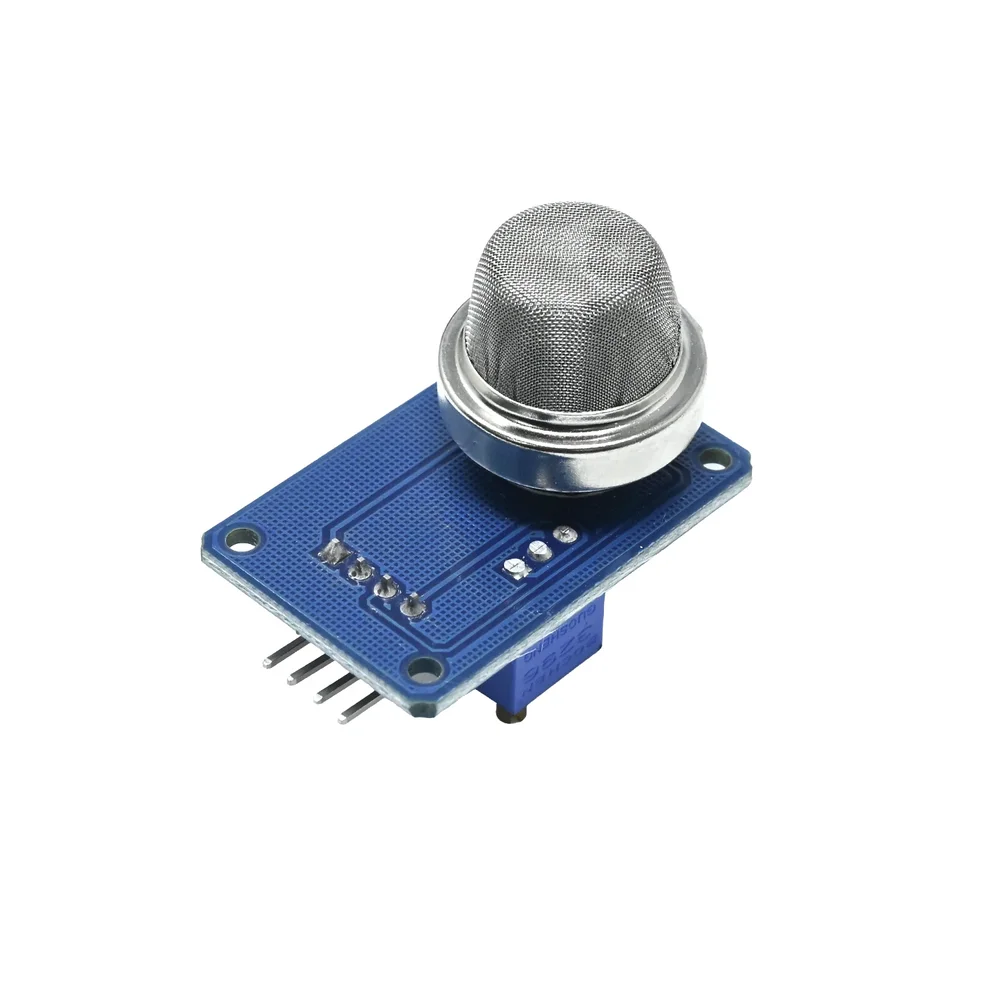
The MQ-131 is a metal-oxide (SnO₂) ozone gas sensor module providing analog and digital TTL outputs for interfacing with Arduino, ESP32, Raspberry Pi, and industrial PLCs. It is designed for detecting low-to-moderate concentrations of ozone (O₃) in environmental monitoring and air quality assessment applications.

Features

  • Detects ozone (O₃) concentrations from 10 PPB to 2 PPM.
  • Provides dual analog (variable voltage) and digital TTL threshold outputs.
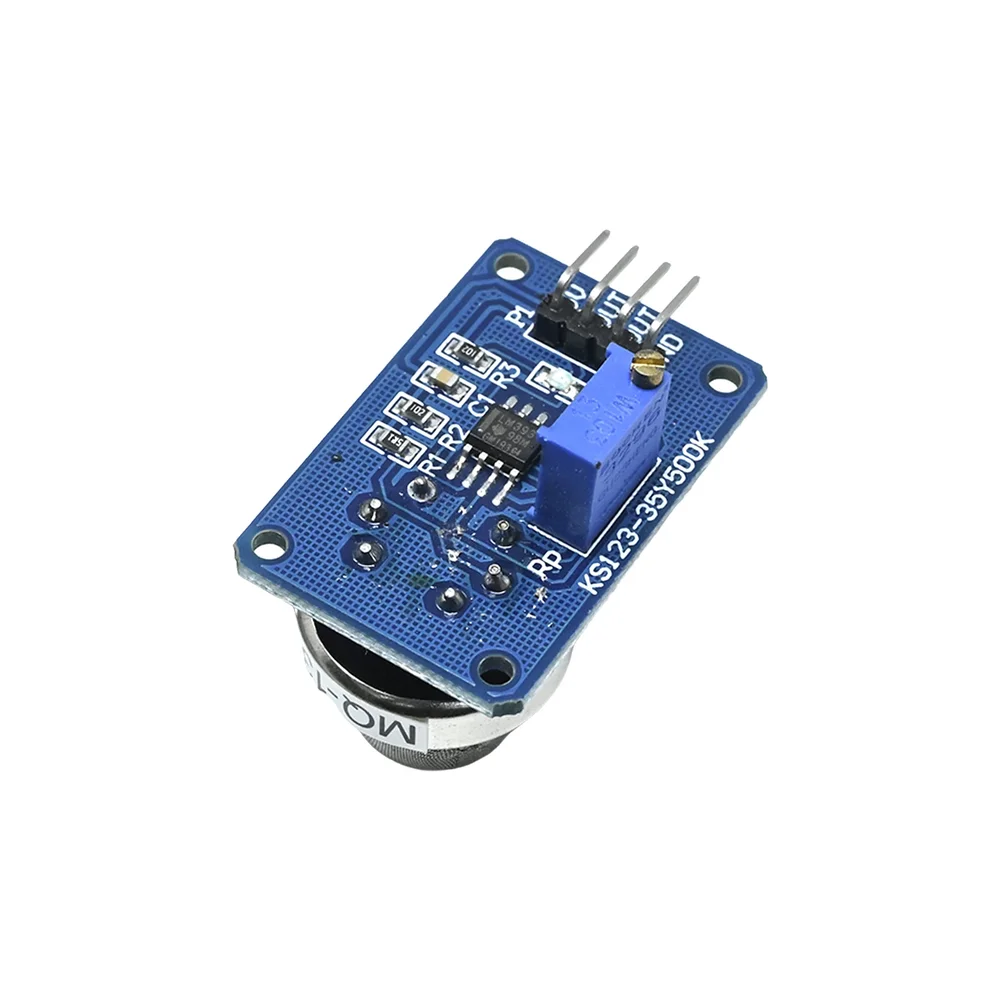
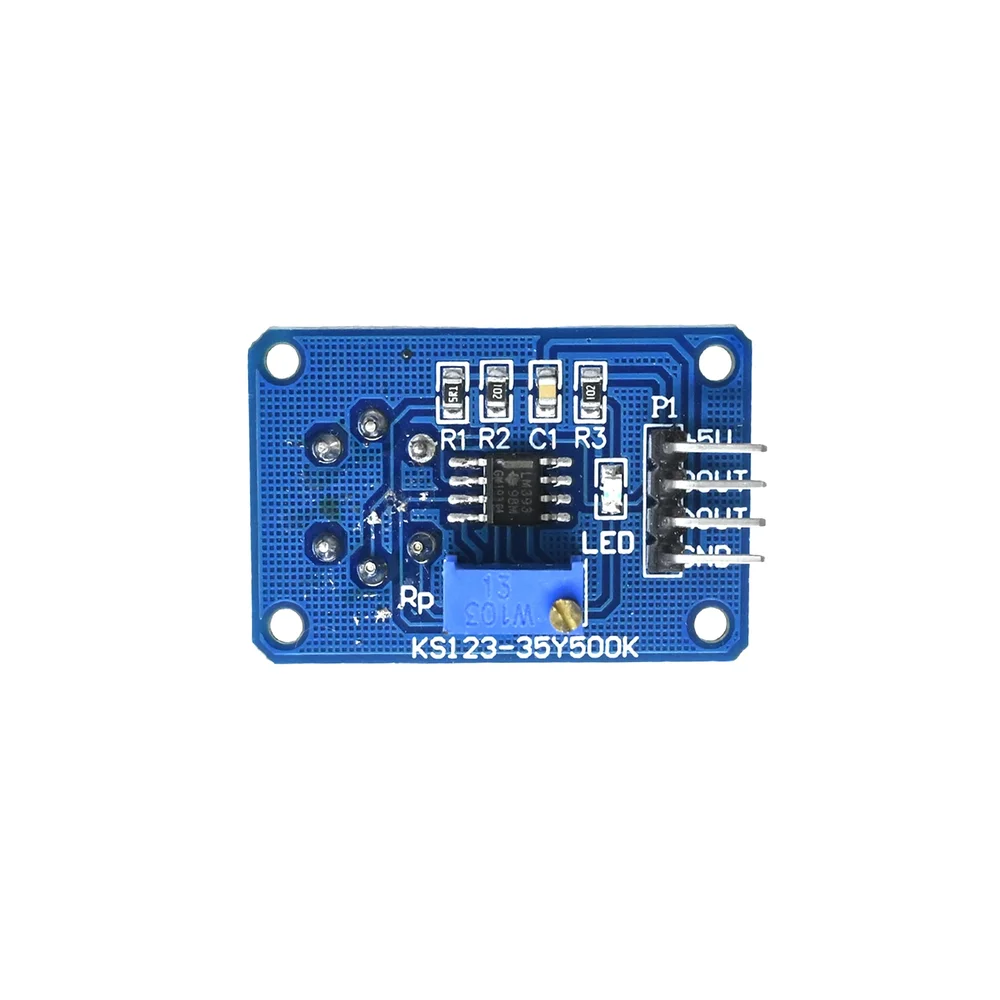
  • Onboard potentiometer for precise digital trigger point adjustment.
  • Requires a 48-hour preheating period for stable operation.
  • Compact breakout board design with mounting holes for easy integration.

Out of stock

Description

The MQ-131 ozone gas sensor operates on a tin dioxide (SnOâ‚‚) semiconductor principle, where exposure to ozone alters the sensing element’s electrical resistance. This resistance change is converted into a variable analog voltage signal by the onboard conditioning circuit, enabling relative concentration measurement. A comparator circuit provides a clean digital TTL output that triggers when the gas concentration exceeds a user-adjustable threshold.

Designed for ambient air monitoring, the module is suitable for integration into prototype systems, educational kits, and environmental feedback loops. Its performance is optimized for a controlled operating temperature range of -10°C to +50°C, making it suitable for indoor and sheltered outdoor applications. For accurate quantitative readings, sensor-specific calibration against a known ozone source is recommended.

Key Features

  • High-Sensitivity SnOâ‚‚ Sensing Element: Provides reliable detection of low-concentration ozone and other oxidizing gases.
  • Dual-Mode Signal Output: Delivers both a linear analog voltage (0-5V) and a configurable digital TTL signal for flexible system integration.
  • User-Adjustable Threshold: Onboard potentiometer allows fine-tuning of the digital output trigger point for alarm or control applications.
  • Integrated Status Indicators: LED lights provide clear visual feedback for power status and digital output activation.
  • Stable Heater Circuit: Maintains the sensor element at optimal operating temperature for consistent sensitivity.
  • Compact and Mountable Design: The breakout board features standard mounting holes for secure installation in enclosures or prototypes.
  • High-Value Build: Offers a cost-effective solution for experimental, educational, and non-critical monitoring projects requiring ozone detection.

Applications

  • Ambient ozone concentration monitoring in indoor air quality systems.
  • Feedback control and safety monitoring for ozone generators in water purification or odor elimination setups.
  • Educational experiments and prototype development for environmental sensing projects.
  • Relative air quality assessment in workshops, laboratories, or HVAC duct monitoring.
  • Threshold-based alarm systems for ozone leakage in industrial or research environments.

Technical Specifications

Sensor ModelMQ-131
Gas DetectedOzone (O₃), also sensitive to Cl₂ / NO₂
Sensing PrincipleMetal-Oxide Semiconductor (SnOâ‚‚)
Detection Range10 PPB to 2 PPM Ozone
Output SignalsAnalog & Digital (TTL)
Operating Voltage5V DC
Heating Voltage5V DC
Response Time< 10 seconds
Recovery Time< 30 seconds
Preheating TimeApproximately 48 hours
Operating Temperature-10°C to +50°C
Module Dimensions32mm × 22mm × 20mm
Weight~5g

Frequently Asked Questions

What is the required operating voltage for the MQ-131 module?

The module requires a stable 5V DC supply for both logic operation and the integrated sensor heater. Ensure your power source can provide sufficient current (typically 150-200mA) for the heater circuit during the initial preheating period and stable operation.

How do I interface the MQ-131 sensor with an Arduino or ESP32?

Connect the module's VCC and GND to your microcontroller's 5V and GND pins. For analog readings, connect the AO pin to an analog input (e.g., A0). For digital threshold detection, connect the DO pin to a digital input pin; the trigger point can be adjusted using the onboard potentiometer.

Why is a 48-hour preheating time specified, and is it necessary?

The extended preheating period is critical for the metal-oxide sensor element to burn off contaminants and stabilize its baseline resistance. For reliable and repeatable measurements, especially at low concentrations, completing this initial conditioning phase is strongly recommended before taking readings.

Can this sensor provide precise PPM readings for ozone?

The MQ-131 is best suited for relative concentration measurements and threshold detection. For precise PPM quantification, individual sensor calibration in a controlled environment with a known ozone concentration source is required, as sensitivity can vary between units and is influenced by ambient temperature and humidity.

What does the onboard potentiometer adjust?

The potentiometer adjusts the comparator's reference voltage, which sets the concentration threshold for the digital (DO) output. Turning it clockwise typically raises the trigger point, requiring a higher gas concentration to activate the digital signal, allowing customization for different alarm or control setpoints.

Package Includes

  • 1 x MQ-131 Ozone Gas Detection Sensor Module

Additional Information

Weight 0.005 kg
Dimensions 2.2 × 3.2 × 2 cm