SKU: IOWC-1343
📋 GST Invoice Available

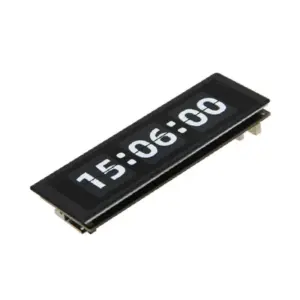
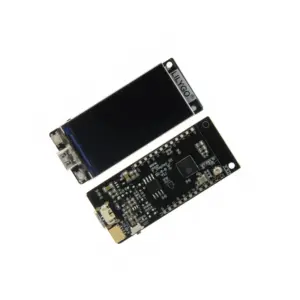
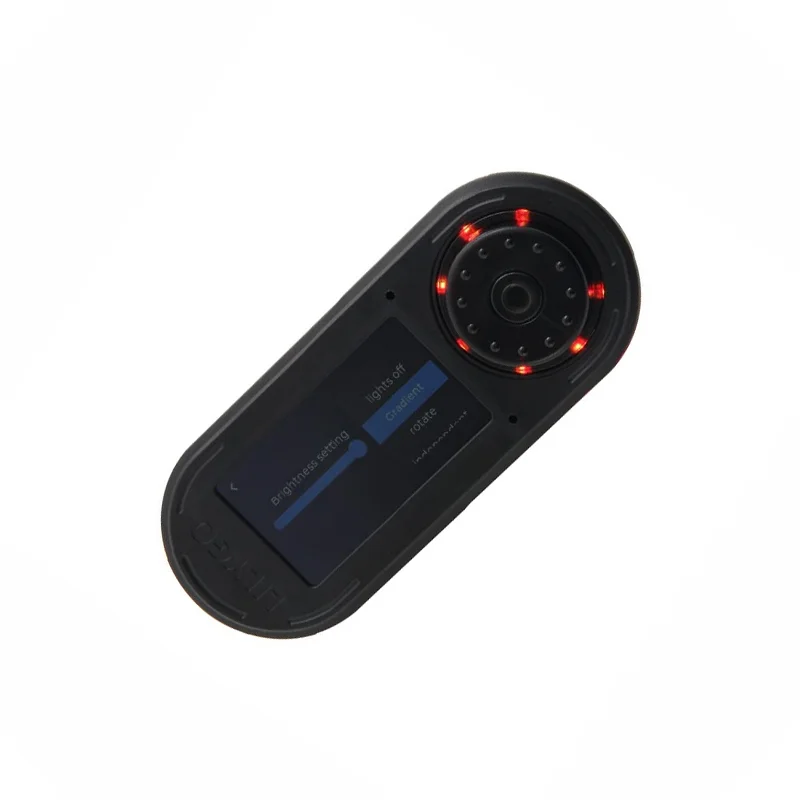
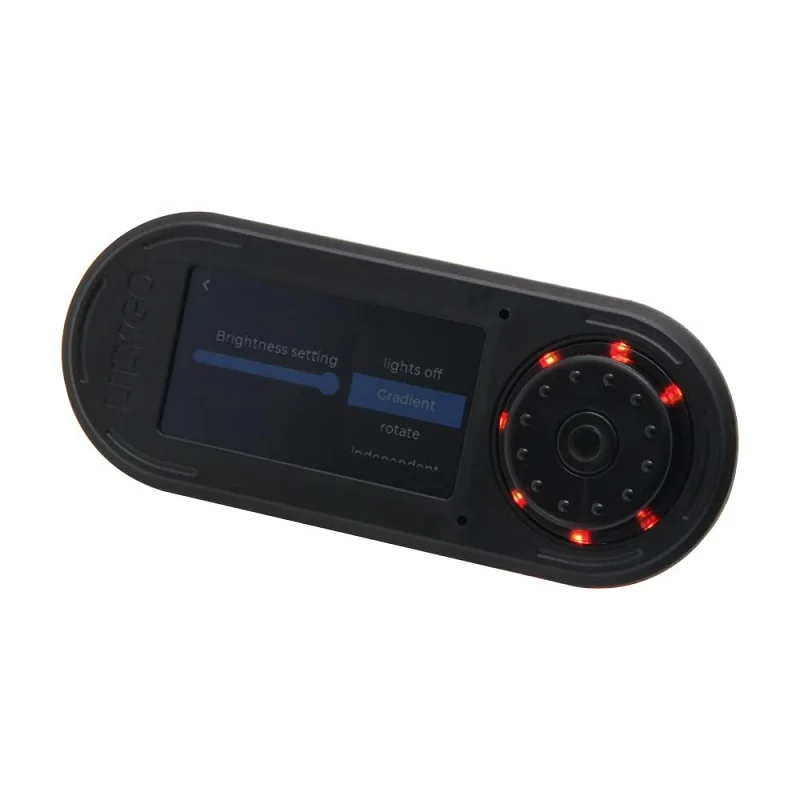
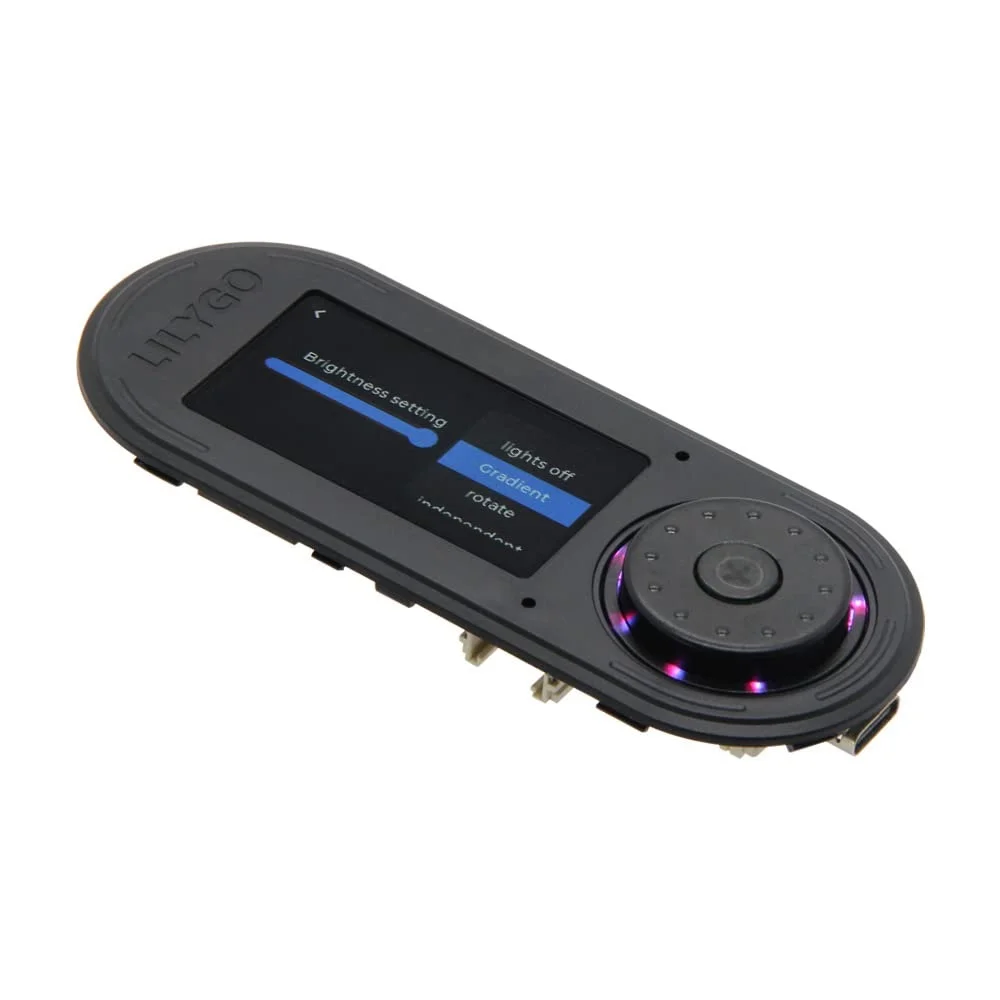
LilyGO T-Embed Black IoT Panel w/ ESP32-S3 & 1.9-Inch LCD

₹5,249.00 (Inclusive of all taxes)
Out of Stock

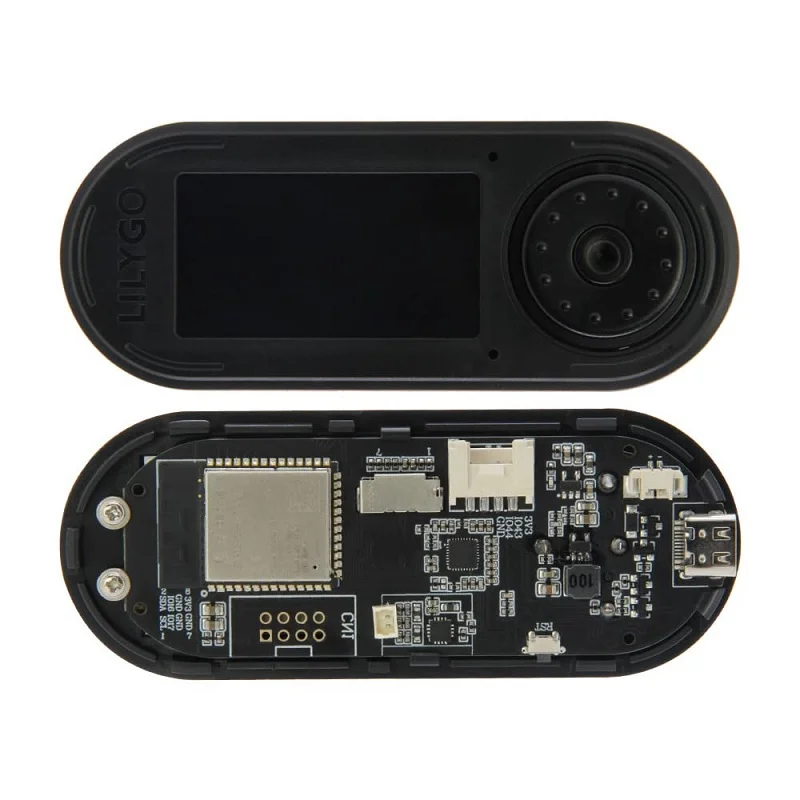
The LilyGO T-Embed is an all-in-one IoT development panel featuring an ESP32-S3 microcontroller, a 1.9-inch TFT LCD display, and Wi-Fi/Bluetooth 5.0 connectivity, designed for rapid prototyping with Arduino IDE and ESP-IDF.

Features

  • ESP32-S3 dual-core Xtensa LX7 MCU with 512KB SRAM and 8MB PSRAM for high-performance IoT applications.
  • Integrated 1.9-inch IPS TFT LCD (170×320 RGB) with capacitive touch for interactive user interfaces.
  • Dual-band Wi-Fi 4 (2.4GHz) and Bluetooth 5.0 (BLE) support for robust wireless communication.
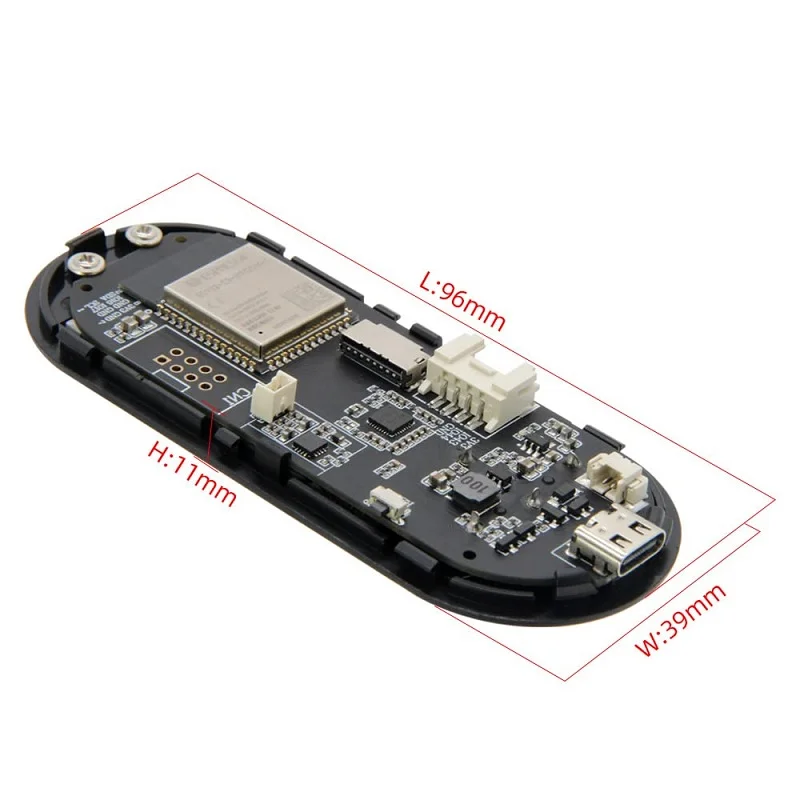
  • Comprehensive I/O breakout includes USB-C, I2C, SPI, UART, and GPIO pins for extensive peripheral connectivity.
  • Built-in 8-ohm 1W speaker and microSD card slot for audio playback and local data storage.

Out of stock

Description

The LilyGO T-Embed is a compact, integrated development panel built around the powerful ESP32-S3 system-on-chip. It combines processing power, a vivid display, and wireless connectivity into a single unit, streamlining the development of interactive IoT devices and smart home controllers. The board is housed in a durable black ABS shell, providing both protection and a professional finish suitable for end-product integration.

Its architecture supports low-power operation modes, making it suitable for battery-powered applications. The panel exposes standard interfaces via included header cables and connectors, allowing for easy connection to sensors, actuators, and other modules. This design facilitates rapid iteration from prototype to final deployment in applications ranging from industrial HMIs to portable data loggers.

Key Features

  • High-resolution 1.9-inch IPS capacitive touchscreen for responsive GUI development.
  • ESP32-S3 provides enhanced AI acceleration instructions for edge machine learning tasks.
  • Integrated audio output via a 1W speaker enables voice feedback and alert systems.
  • Onboard microSD card slot expands storage for data logging, firmware updates, or media files.
  • USB-C interface provides both power and serial communication for programming and debugging.
  • Pre-soldered headers and included cabling simplify wiring to external peripherals and sensors.
  • Supports development with Arduino Core for ESP32, ESP-IDF, MicroPython, and LVGL for graphics.

Applications

  • Smart home control panels and touchscreen dashboards.
  • Portable IoT data monitors with graphical display.
  • Industrial Human-Machine Interface (HMI) units.
  • Prototyping interactive devices with audio-visual feedback.
  • Edge computing nodes for sensor data visualization.

Technical Specifications

Microcontroller/SoCESP32-S3 (Dual-core Xtensa LX7, 240MHz)
Wireless ProtocolsWi-Fi 4 (2.4GHz), Bluetooth 5.0 (BLE)
Display1.9-inch IPS TFT, 170x320 RGB, Capacitive Touch
Audio8-ohm 1W Speaker
Storage ExpansionMicroSD Card Slot
Supply Voltage5V via USB-C
InterfacesUSB-C, I2C, SPI, UART, GPIO, Touch Pins
Antenna ConnectorIntegrated PCB Antenna
Operating Temperature-40°C to +85°C (Typical for ESP32-S3)
DimensionsApprox. 80mm x 50mm (Board within shell)

Frequently Asked Questions

How do I program the LilyGO T-Embed and what software frameworks are supported?

You can program the T-Embed using the Arduino IDE with the ESP32 board package installed, or directly with Espressif's ESP-IDF framework for advanced control. Connect the board via the provided USB-C cable, select the 'ESP32-S3 Dev Module' in Arduino, and utilize the correct pin definitions for the display and I/O. MicroPython and LVGL are also supported for rapid GUI development. The board typically appears as a serial COM port for uploading code and serial debugging.

What is the pinout for connecting external sensors to the T-Embed's breakout headers?

The included IDC and PH2.54 headers break out the ESP32-S3's GPIO pins. Common interfaces like I2C (GPIO 8 - SDA, GPIO 9 - SCL), SPI (GPIO 12 - MISO, 13 - MOSI, 14 - SCK), and UART (GPIO 17 - TX, 18 - RX) are accessible. The specific pin mapping is defined in the board support package. Always refer to the official pinout diagram to avoid conflicts with the integrated display and touch controller, which use a dedicated SPI bus.

Can the onboard speaker be used for audio playback, and how is it controlled?

Yes, the 1W 8-ohm speaker is connected to a GPIO pin capable of PWM or is driven by an I2S audio DAC library. For simple tones, use the Arduino 'tone()' function on the designated pin. For playing WAV or MP3 files from the microSD card, you will need an I2S library and may require an external I2S codec chip, as the ESP32-S3's internal DAC is limited. Check the product wiki for example code controlling audio via GPIO or I2S.

Package Includes

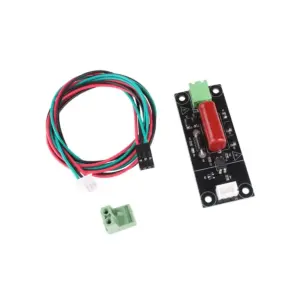
  • 1 x LilyGO T-Embed Black Development Panel
  • 1 x IDC3 Box Header Connector 2.54 (2*4P)
  • 1 x Box Header Cable 2.54 8Pin 10cm
  • 1 x JST 1.25mm 2P Connector
  • 1 x PH2.54 Pin Header (1*5)
  • 1 x PH2.54 Pin Header (1*6)

Additional Information

Weight 0.105 kg
Dimensions 12 × 8 × 4 cm