SKU: IOWC-1420
📋 GST Invoice Available

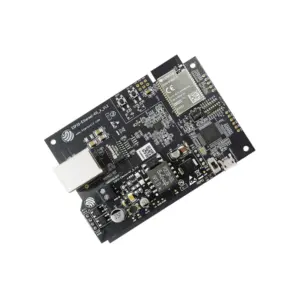
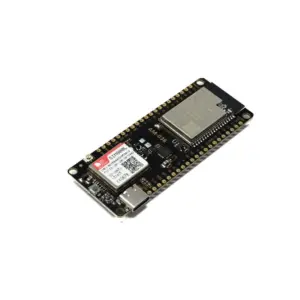
LilyGO SIM7600E-H ESP32 WROVER-E Solar Charge Dev Board w/ 18650 Battery Holder

₹10,499.00 (Inclusive of all taxes)
Out of Stock

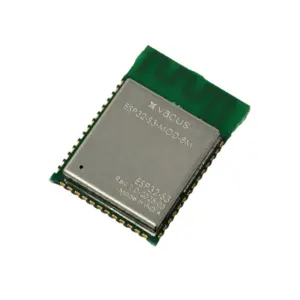
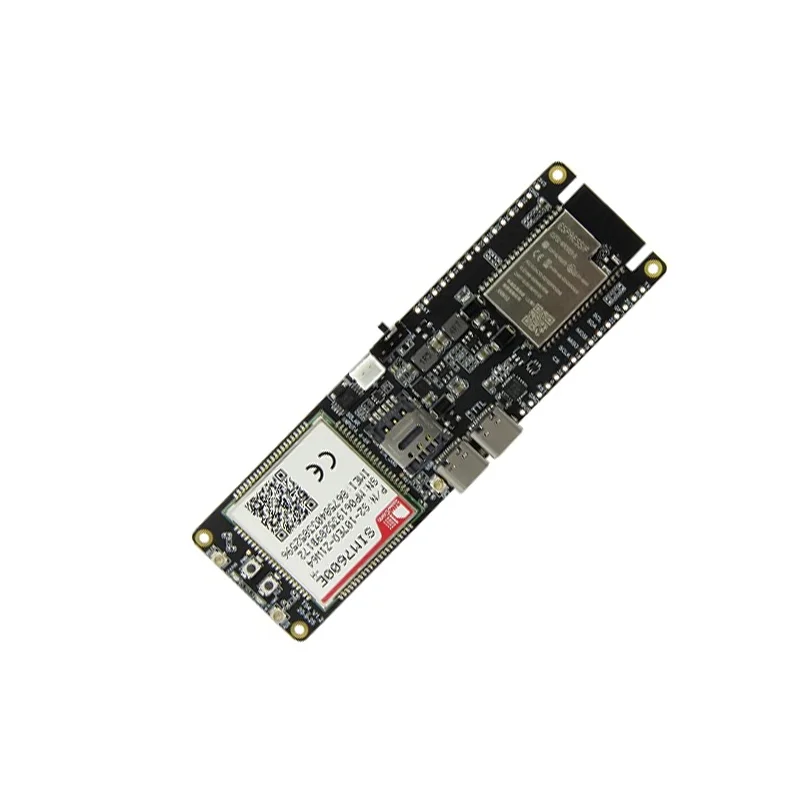
This LilyGO development board integrates an ESP32-WROVER-E MCU with a SIM7600E-H 4G LTE Cat-1 module, supporting Wi-Fi/Bluetooth, GNSS positioning, and solar charging for an 18650 battery, ideal for remote IoT deployments.

Features

  • Dual-core ESP32-WROVER-E SoC with Wi-Fi, Bluetooth, and 8MB PSRAM for data-intensive applications.
  • Integrated SIM7600E-H module provides global 4G LTE Cat-1 cellular connectivity and built-in GPS/GLONASS.
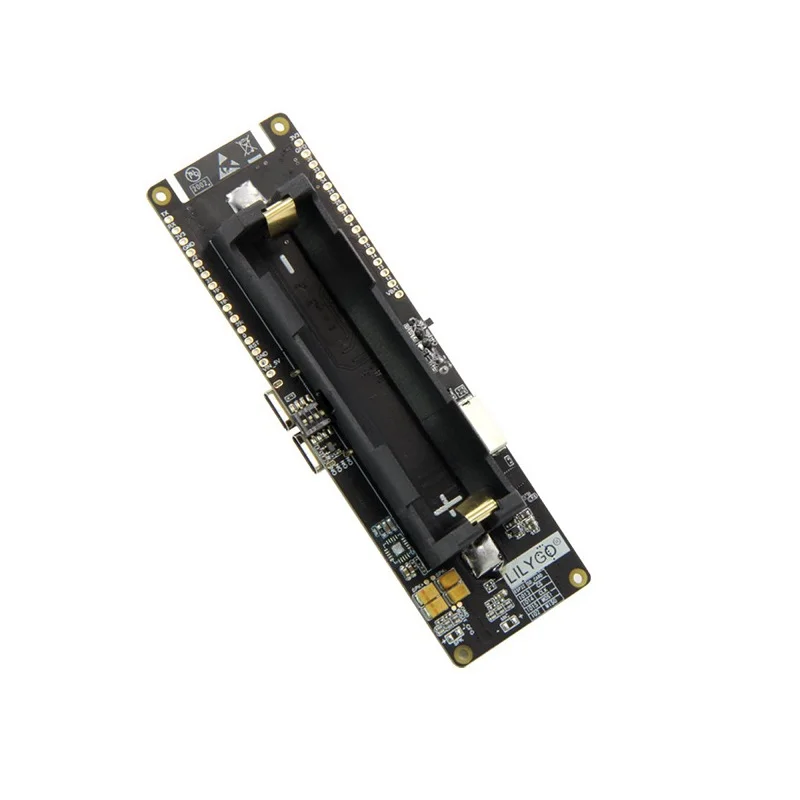
  • Onboard 18650 lithium battery holder with solar charge input (4-8V) for extended off-grid operation.
  • Dual USB Type-C ports: one for ESP32 programming (CP2104) and one dedicated to the cellular module.
  • Compact form factor (110x40mm) with SMA antenna connectors for robust RF performance in field deployments.

Out of stock

Description

The LilyGO SIM7600E-H development board is a comprehensive IoT platform designed for remote, power-constrained applications requiring reliable cellular backhaul. It combines the processing power and wireless versatility of the ESP32-WROVER-E—featuring dual-core 240MHz processors, 8MB PSRAM, and integrated 2.4GHz Wi-Fi/Bluetooth—with the global connectivity of the SIM7600E-H 4G LTE Cat-1 module, which includes embedded GNSS for precise location tracking.

Power management is a core focus, with an onboard holder for a standard 18650 lithium cell and a dedicated solar charge controller accepting 4-8V DC input, enabling indefinite operation in off-grid solar installations. The board provides two isolated USB Type-C interfaces: one connects to the CP2104 USB-to-serial converter for programming the ESP32 via Arduino IDE or ESP-IDF, while the other serves as a direct AT command and data interface to the SIM7600E-H module, allowing it to function as a programmable cellular modem or network gateway.

Key Features

  • Hybrid Connectivity: Leverage ESP32's Wi-Fi/Bluetooth for local sensor networks and SIM7600E-H's 4G LTE for wide-area data transmission to cloud platforms (AWS IoT, Azure, ThingsBoard).
  • Solar-Ready Power System: Integrated MPPT-like solar charging circuit maintains 18650 battery health, supporting perpetual operation in environmental monitoring and agricultural IoT.
  • Dual USB-C Isolation: Separate data paths prevent firmware flashing conflicts and allow simultaneous ESP32 debugging and cellular modem configuration via standard AT commands.
  • High-Gain Antenna Support: Features SMA connectors for both cellular (main) and GPS (auxiliary) antennas, ensuring strong signal acquisition in weak coverage areas.
  • Extended Temperature Operation: Rated from -40°C to +85°C, suitable for industrial telemetry and outdoor asset tracking in harsh environments.
  • Expandable Storage: MicroSD card slot (via ESP32) enables local data logging of sensor readings or GPS waypoints when cellular network is unavailable.

Applications

  • Remote Environmental Monitoring: Solar-powered stations measuring soil moisture, air quality, and weather data with 4G LTE backhaul.
  • Asset Tracking & Fleet Management: GPS-enabled trackers for vehicles, containers, or equipment using cellular networks for real-time location updates.
  • Smart Agriculture: Off-grid irrigation control nodes that gather sensor data and receive actuator commands via LTE.
  • Industrial IIoT Gateways: Bridging local Modbus/RS485 sensor networks to cloud dashboards over secure cellular connections.
  • Backup Communication Hub: Providing failover internet connectivity for remote sites via LTE when primary Wi-Fi/Ethernet fails.

Technical Specifications

Microcontroller/SoCESP32-WROVER-E (Dual-core Xtensa LX6, 240MHz, 8MB PSRAM)
Wireless ProtocolsWi-Fi 802.11 b/g/n, Bluetooth 4.2 BR/EDR & BLE, 4G LTE Cat-1 (SIM7600E-H), GPS/GLONASS
Frequency Range2.4~2.5GHz (Wi-Fi/BT), LTE Bands 1/3/5/8/28, GNSS L1
RF Transmit Power / SensitivityUp to 22 dBm (Wi-Fi), LTE Class 3 (23dBm ±2dB)
Supply Voltage4.4-6V DC (via solar input or USB), 3.3V-4.2V (18650 battery)
Operating Current/Sleep Current~200mA (active with cellular), ESP32 deep sleep <10μA
Interfaces2x USB Type-C (Program & Modem), MicroSD slot, Solar input, Battery holder, SMA antenna connectors
Antenna ConnectorSMA (Primary & Auxiliary for Cellular/GPS)
Operating Temperature-40°C to +85°C
Dimensions110mm x 40mm (PCB)

Frequently Asked Questions

How do I program the ESP32 on this LilyGO board?

Use the USB Type-C port labeled for programming, connected to the onboard CP2104 USB-to-serial chip. Install the CP2104 drivers, then select 'ESP32 WROVER Module' in the Arduino IDE or ESP-IDF. Set the correct COM port and upload your sketch. The second USB-C port is reserved for AT command communication with the SIM7600E-H cellular module and should not be used for ESP32 flashing.

What AT commands configure the SIM7600E-H 4G module?

Connect to the dedicated module USB-C port at 115200 baud. Send 'AT' to check communication, then 'AT+CPIN?' to verify SIM card. Use 'AT+CREG?' to check network registration and 'AT+CGATT=1' to attach to the packet domain. For GPS, enable with 'AT+CGPS=1'. For data transmission, establish a PDP context with 'AT+CGDCONT' and then open a TCP/UDP socket using 'AT+CIPSTART'. Refer to the SIM7600 Series AT Command Manual for full syntax and advanced settings like band locking.

Can I power the board solely from the solar input?

Yes, the solar input accepts 4-8V DC and charges the installed 18650 battery. Ensure the battery is present, as it acts as the primary power buffer. The charging circuit manages the input to prevent overvoltage. For continuous operation without sunlight, size your solar panel to provide enough average daily energy to compensate for the system's active and sleep current consumption, which can be several hundred milliamps when the LTE modem is transmitting.

What antennas are required for cellular and GPS operation?

You need two SMA antennas: a active GPS antenna (with 3-5V bias) for the AUX/GPS port and a LTE/4G antenna covering bands 1/3/5/8/28 for the MAIN cellular port. Using high-gain (3-5dBi) antennas is recommended for weak signal areas. Ensure proper outdoor placement for the GPS antenna with a clear sky view. The ESP32's Wi-Fi/Bluetooth uses a printed PCB antenna on the board itself.

How do I minimize power consumption for battery life?

Place the ESP32 into Deep Sleep mode between sensor readings using `esp_deep_sleep_start()`. Configure the SIM7600E-H module to power down via the 'AT+CPOWD=1' command when not in use, or use its built-in PSM (Power Saving Mode) with 'AT+CPSMS'. Design your firmware to wake periodically, gather data, transmit via LTE in a burst, and return to sleep. Measure your specific sleep current with a multimeter to accurately project battery runtime.

Package Includes

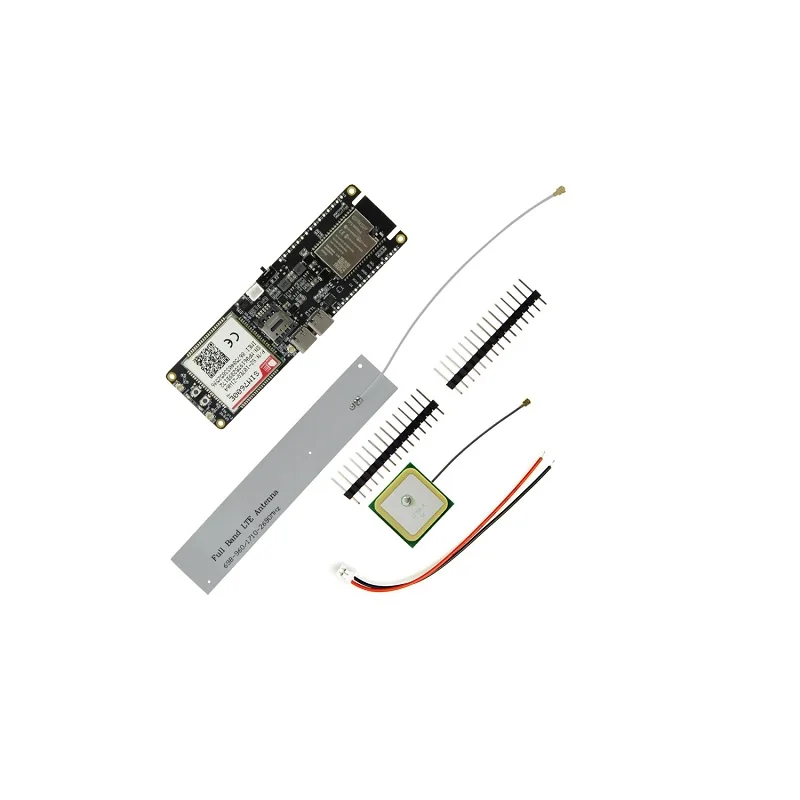
  • 1 x LilyGO SIM7600E-H ESP32 Development Board (Unsoldered)

Additional Information

Weight 0.055 kg
Dimensions 11 × 4 cm