SKU: IOWC-1874
📋 GST Invoice Available

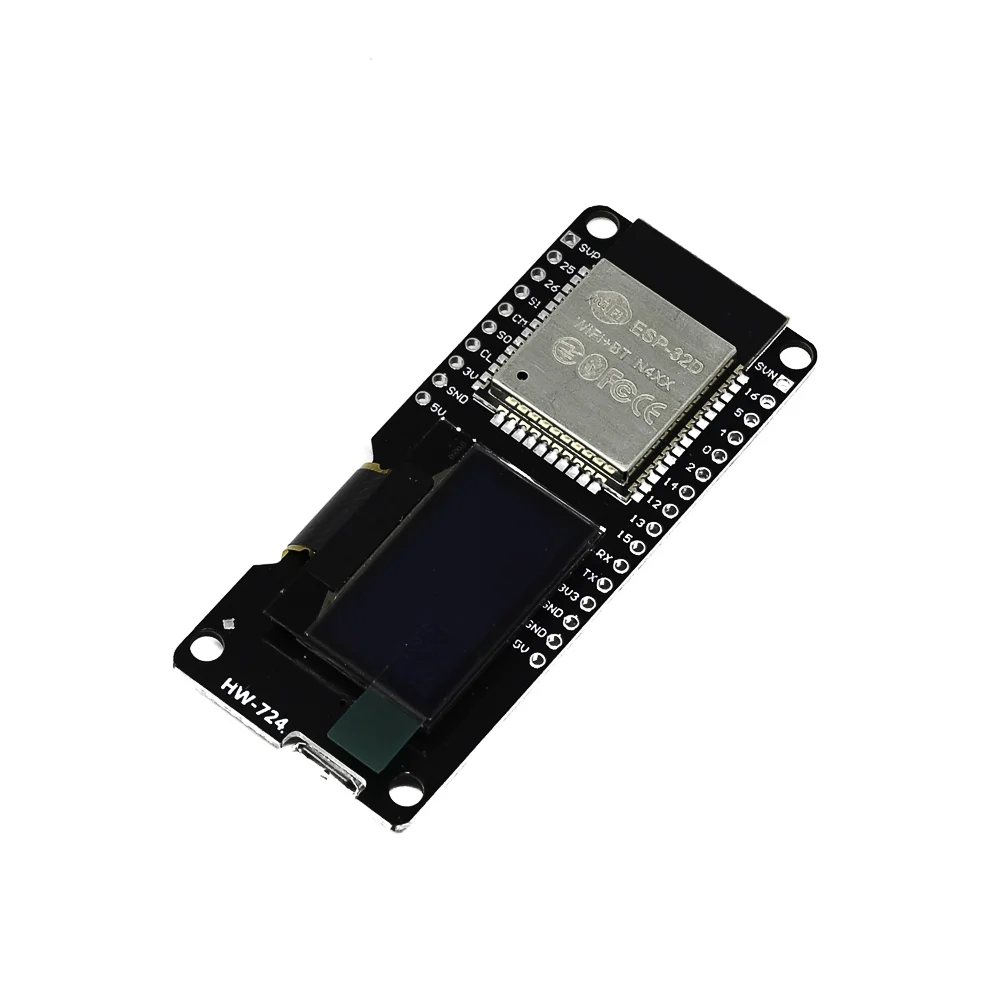
ESP32D OLED Module w/ WiFi & Bluetooth

₹599.00 (Inclusive of all taxes)
Out of Stock

This ESP32D-based OLED module integrates a 2.4 GHz dual-mode WiFi and Bluetooth SoC with a built-in display, pre-integrated antenna, and RF balun for compact IoT development. It supports AP, STA, and AP+STA modes and is programmable via Lua or Arduino IDE.

Features

  • Integrated ESP32D SoC with 2.4 GHz WiFi & Bluetooth for wireless connectivity.
  • Built-in OLED display for real-time data visualization and UI.
  • Pre-integrated PCB antenna and RF balun minimize external components.
  • Supports AP, STA, and AP+STA network modes for flexible deployment.
  • Programmable via Lua or Arduino IDE for rapid IoT prototyping.

Out of stock

Description

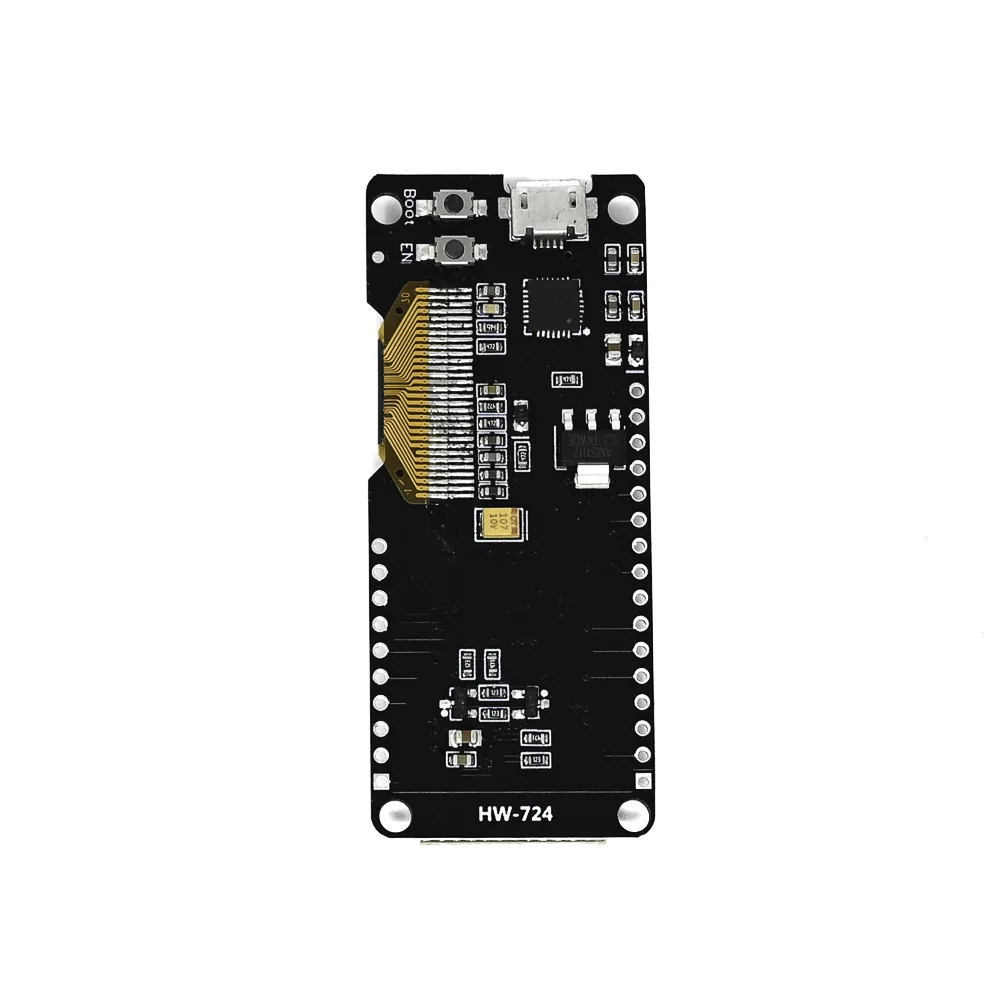
The ESP32D OLED Module is a compact, all-in-one development board centered on the ESP32D system-on-chip. It combines a 2.4 GHz dual-mode WiFi and Bluetooth transceiver with an integrated OLED display, making it ideal for projects requiring both wireless communication and a local user interface. The module includes a pre-integrated PCB antenna, RF balun, power amplifier, low-noise amplifier, and power management, significantly reducing the required PCB footprint and external components.

Built using 40nm low-power technology, the ESP32D offers optimized RF performance with reliable power characteristics, suitable for a wide range of embedded applications. It supports the lwIP protocol stack and FreeRTOS, enabling robust network functionality and real-time task management. The module’s small form factor allows for easy embedding into final products, from smart home devices to portable sensor nodes.

Key Features

  • High-performance ESP32D SoC with integrated 2.4 GHz WiFi and Bluetooth.
  • Compact design with onboard OLED display for data visualization.
  • Pre-integrated RF front-end (antenna, balun, PA, LNA) simplifies design.
  • Supports AP, STA, and AP+STA wireless network modes.
  • Programmable with Lua scripting or Arduino IDE for flexible development.
  • Built on lwIP TCP/IP stack and FreeRTOS for robust networking.
  • Low-power 40nm process technology for energy-efficient operation.
  • Minimal external components required, ideal for space-constrained designs.

Applications

  • Smart home automation interfaces and status displays.
  • Portable IoT sensor nodes with local data readout.
  • Wireless prototyping and development boards for makers.
  • Compact Bluetooth/Wi-Fi enabled devices with user feedback.

Technical Specifications

Microcontroller/SoCESP32D
Wireless ProtocolsWi-Fi 802.11 b/g/n (2.4 GHz), Bluetooth
DisplayIntegrated OLED
Network ModesAP, STA, AP+STA
Programming SupportLua, Arduino IDE
AntennaIntegrated PCB Antenna
Dimensions (LxW)6.4 mm x 2.7 mm
Weight25 g

Frequently Asked Questions

How do I program this ESP32D OLED module?

You can program the module using the Arduino IDE with the ESP32 board package installed or via Lua scripting. For Arduino, select a Generic ESP32 board in the IDE, connect via USB-to-serial adapter using the module's UART pins (TX/RX), and upload your code. Ensure you have the correct driver for the USB-serial chip. The onboard OLED typically uses I2C or SPI; you'll need a compatible library like Adafruit SSD1306 or U8g2 to control the display.

What are the power requirements for this module?

The module requires a 3.3V DC power supply, typical for ESP32-based boards. You must connect power to the 3.3V and GND pins. The operating current depends on the WiFi/Bluetooth activity and display usage, but expect peaks of several hundred milliamps during RF transmission. For battery-powered projects, utilize the ESP32's deep sleep modes to minimize average consumption. Always use a stable, low-noise LDO regulator if deriving power from a higher voltage source like a 5V USB line.

Does the module support both WiFi client and access point modes?

Yes, the ESP32D supports three network modes: Station (STA) to connect to an existing WiFi network, Access Point (AP) to create its own network, and a combined AP+STA mode. You can configure these modes in your code using the ESP-IDF WiFi API or through Arduino's WiFi library. This flexibility allows the module to act as a sensor node (STA), a local configuration portal (AP), or a bridge between networks, making it suitable for various IoT deployment scenarios.

Package Includes

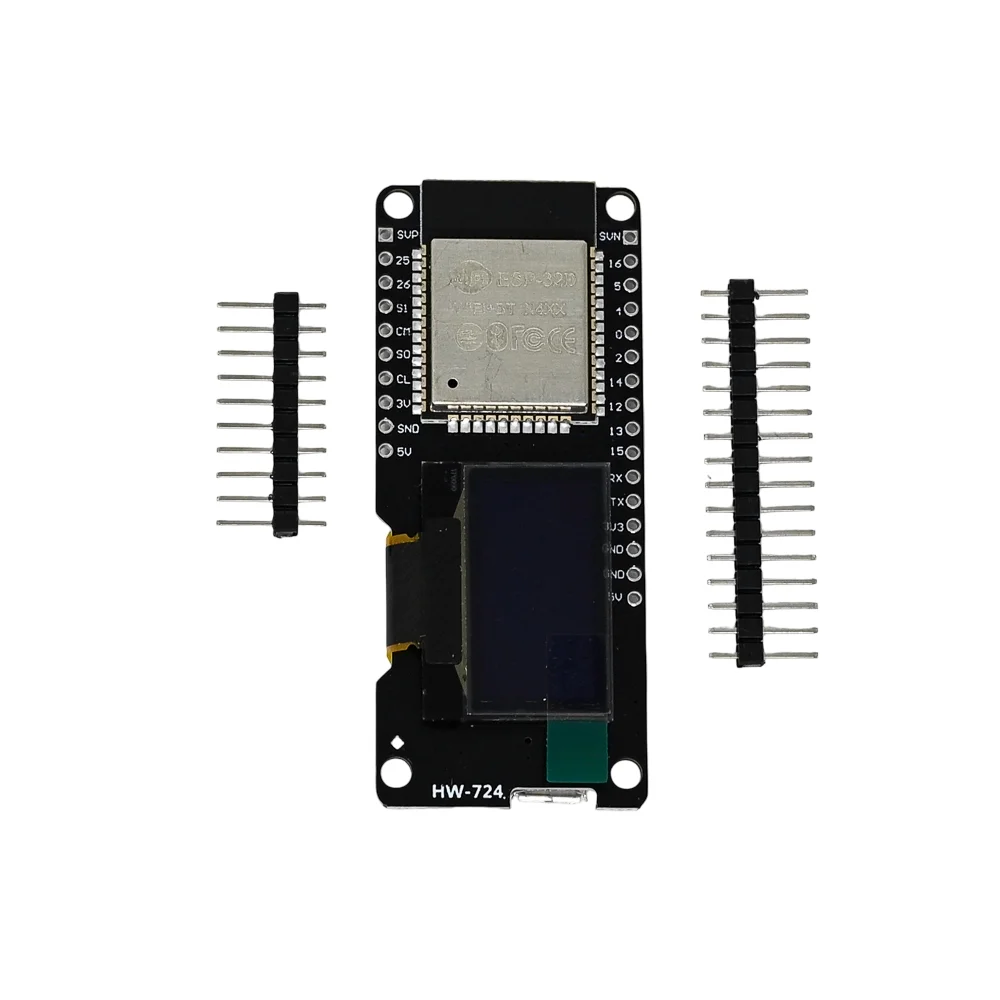
  • 1 x ESP32D OLED Module for WiFi and Bluetooth

Additional Information

Weight 0.025 kg
Dimensions 0.64 × 0.27 cm