SKU: IOWC-1595
📋 GST Invoice Available

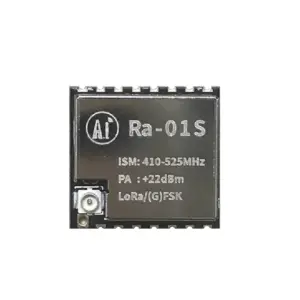
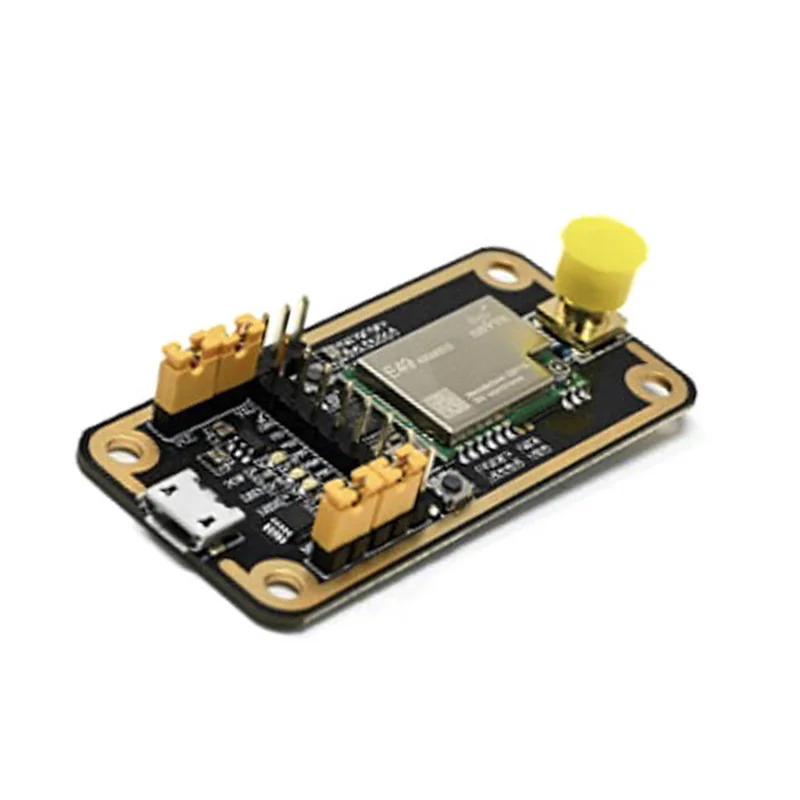
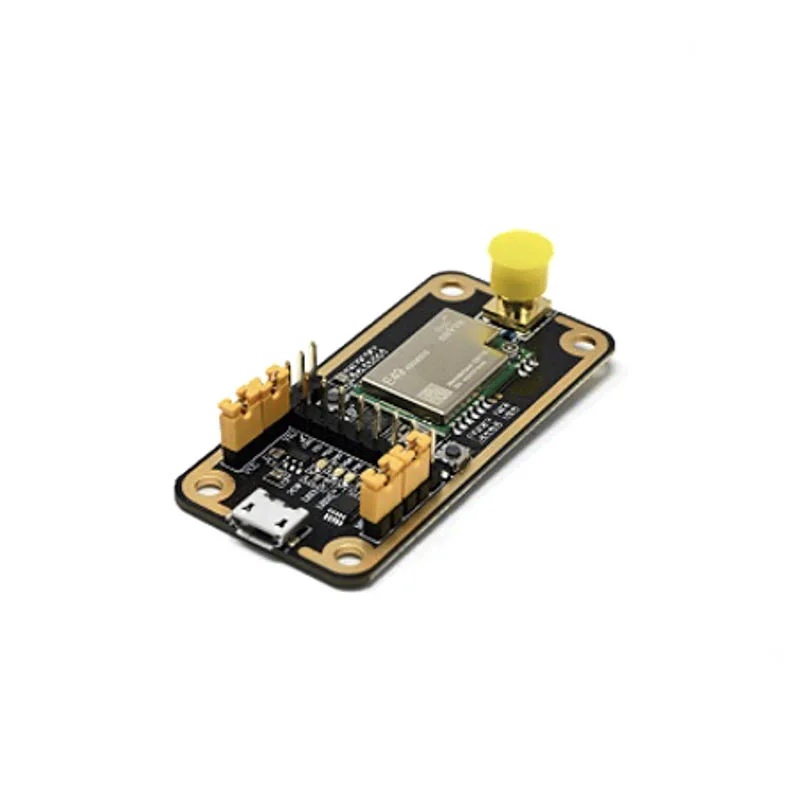
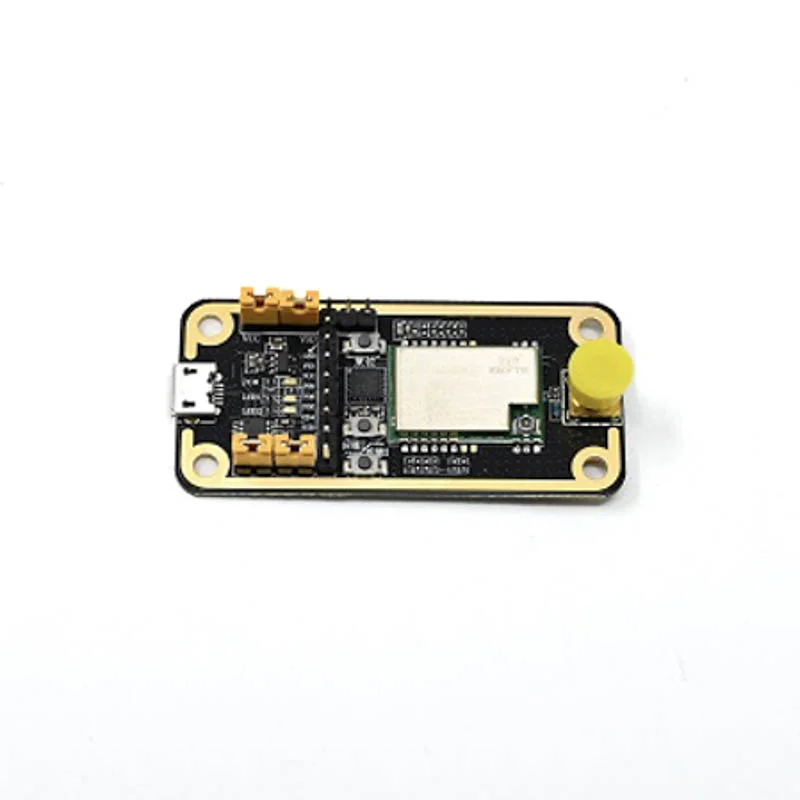
EByte E49-400MBL-01 CMT2300A Wireless Module Testing Board w/ USB

₹1,099.00 (Inclusive of all taxes)
Out of Stock

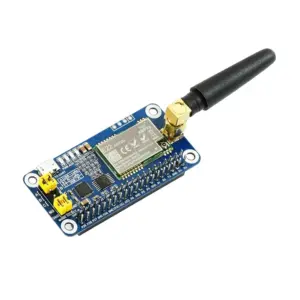
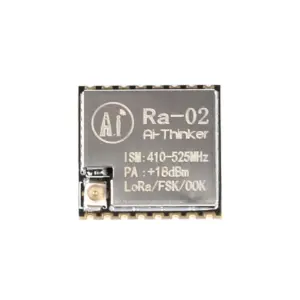
The EByte E49-400MBL-01 is a pre-soldered testing board for the CMT2300A RF transceiver, providing a USB interface for easy evaluation of 400MHz LoRa, FSK, and GFSK communication. It’s ideal for rapid prototyping and signal range testing with Arduino and STM32 platforms.

Features

  • CMT2300A RF Transceiver: Enables long-range, low-power wireless communication in the 400MHz ISM band, with a 900MHz variant available.
  • Pre-Soldered USB Interface: Ready-to-use board simplifies connection to PCs for quick programming, data logging, and signal analysis.
  • Multi-Protocol Support: Compatible with LoRa, FSK, and GFSK modulation schemes for flexible IoT network design.
  • Low-Power Operation: Optimized for battery-powered remote sensor nodes and asset tracking applications.
  • Developer-Friendly Platform: Directly interfaces with popular development environments like Arduino IDE and STM32CubeIDE.

Out of stock

Description

The EByte E49-400MBL-01 Testing Board is a dedicated evaluation platform for the CMT2300A sub-1GHz RF transceiver IC. It provides engineers and developers with a fully assembled, USB-connected interface to test and characterize wireless link performance, packet error rates, and effective range in the 400MHz spectrum. The board’s design eliminates soldering hurdles, allowing immediate focus on protocol implementation and network optimization.

Architecturally, the CMT2300A chip supports a wide range of data rates and modulation schemes, including LoRa for extended range and FSK/GFSK for higher data throughput. The integrated USB-to-serial bridge facilitates seamless AT command control, firmware updates, and real-time data transmission monitoring from a computer. This makes the board an essential tool for validating RF designs before integrating the module into custom PCBs for IoT deployments in smart agriculture, industrial telemetry, and environmental monitoring systems.

Key Features

  • Dedicated CMT2300A Evaluation Platform: Provides a complete, pre-assembled circuit for testing the RF transceiver's full capabilities without custom hardware design.
  • Flexible Frequency Operation: Base model operates at 400MHz; a 900MHz variant (E49-900MBL-01) is available for regional compliance and different propagation characteristics.
  • Integrated USB-to-Serial Interface: Offers plug-and-play connectivity for configuration, power supply, and bidirectional data communication with a host computer.
  • Multi-Modulation Scheme Support: Engineered to work with LoRa (for maximum range and interference immunity), FSK, and GFSK (for simpler, higher-rate communication).
  • Low-Power Design Philosophy: The board and chipset are optimized for minimal active and sleep currents, critical for years-long battery life in field deployments.
  • Rapid Prototyping Accelerator: Significantly reduces development time for sub-1GHz wireless projects by providing a tested, reliable communication core.
  • Comprehensive Software Support: Compatible with vendor-provided configuration tools, Arduino libraries, and embedded HALs for STM32 and other MCUs.
  • Signal & Range Testing Tool: Enables empirical testing of RSSI, link budget, and packet success rate across various environments and antenna configurations.

Applications

  • IoT Sensor Node Prototyping: Rapid development of wireless temperature, humidity, and pressure sensors for environmental monitoring.
  • Smart Agriculture & Irrigation Control: Testing long-range communication between soil moisture sensors and central gateways in rural fields.
  • Asset & Inventory Tracking: Evaluating the performance of low-power tags in warehouse and logistics environments.
  • Industrial Wireless Telemetry: Prototyping links for machine health monitoring, tank level sensing, and remote control systems.
  • Home Automation & Security: Developing reliable sub-1GHz links for smart switches, leak detectors, and perimeter sensors.

Technical Specifications

Chipset / SoCCMT2300A RF Transceiver
Wireless ProtocolsLoRa, FSK, GFSK
Frequency Range400 MHz (900 MHz variant available)
RF Transmit PowerConfigurable (Chipset Dependent)
Supply VoltageVia USB 5V
Operating CurrentLow Power (Chipset Dependent)
InterfacesUSB (Virtual COM Port)
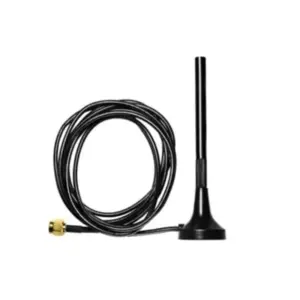
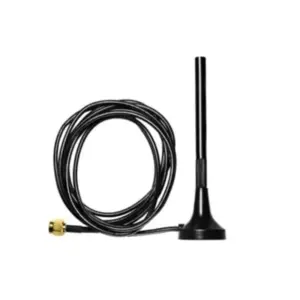
Antenna ConnectorPre-soldered antenna or connector (model specific)
Operating TemperatureIndustrial Range (Typical for CMT2300A)
DimensionsApprox. 20 x 10 x 2 cm (Board with enclosure)

Frequently Asked Questions

How do I connect and start using the EByte E49-400MBL-01 testing board?

Simply connect the board's USB port to your computer. It will enumerate as a virtual COM port. Use a serial terminal application (like PuTTY or Arduino Serial Monitor) at the appropriate baud rate (default is often 9600 or 115200) to send AT commands for configuring the CMT2300A's frequency, power, and modulation mode. No external power supply or soldering is required for basic evaluation.

What software or libraries are needed to program this board for LoRa communication?

For LoRa operation, you will need the CMT2300A driver libraries from EByte or the chip manufacturer. These can be integrated into the Arduino IDE or an STM32 project. The board itself acts as a USB-serial bridge to the transceiver's SPI interface. You typically write firmware for your own microcontroller that communicates via SPI with the CMT2300A on the board, using the provided libraries to handle the LoRa packet formatting and radio control.

Can I use this 400MHz board in my region, and is the 900MHz variant pin-compatible?

The 400MHz version is suitable for regions where this ISM band is license-free, such as many parts of Europe. Always verify local regulations. The 900MHz variant (E49-900MBL-01) is designed for regions like North America. The two boards are functionally identical in pinout and interface, allowing you to swap them in your test setup by simply changing the frequency configuration in your software, making comparative testing straightforward.

How do I measure the effective range and performance of the wireless link?

You need two units: one configured as a transmitter and one as a receiver. Use the provided example code to send periodic test packets. Gradually increase the distance between the boards while monitoring the received signal strength indicator (RSSI) and packet success rate in the serial terminal. For accurate range testing, ensure you have proper antennas connected (if connectors are present) and conduct tests in an open, clear environment to establish a baseline performance metric.

Package Includes

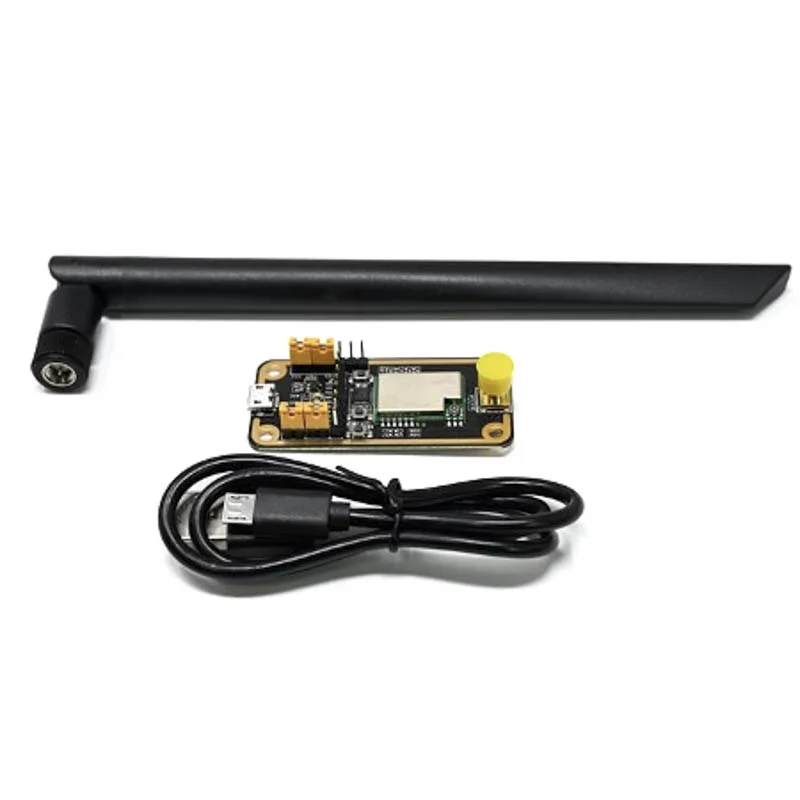
  • 1 x EByte E49-400MBL-01 CMT2300A Wireless Module Testing Board

Additional Information

Weight 0.046 kg
Dimensions 20 × 10 × 2 cm