SKU: SENS-2904
📋 GST Invoice Available

DFRobot Fermion ADXL345 Digital Triaxial Acceleration Sensor Breakout (±16g) - I2C/SPI Interface

₹689.00 (Inclusive of all taxes)
Out of Stock

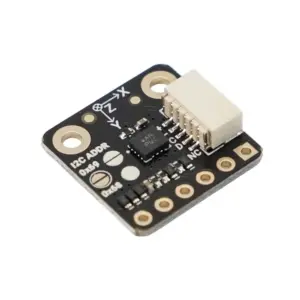
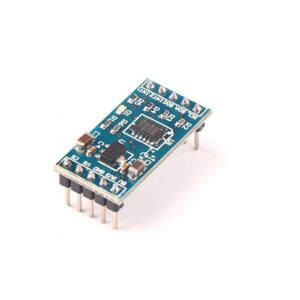
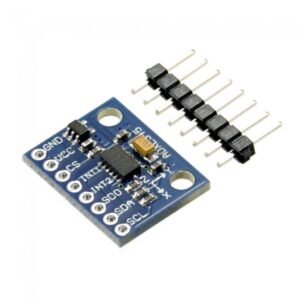
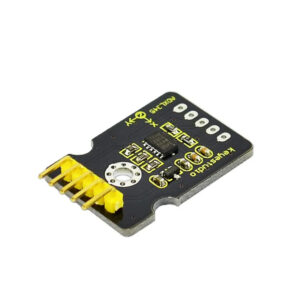
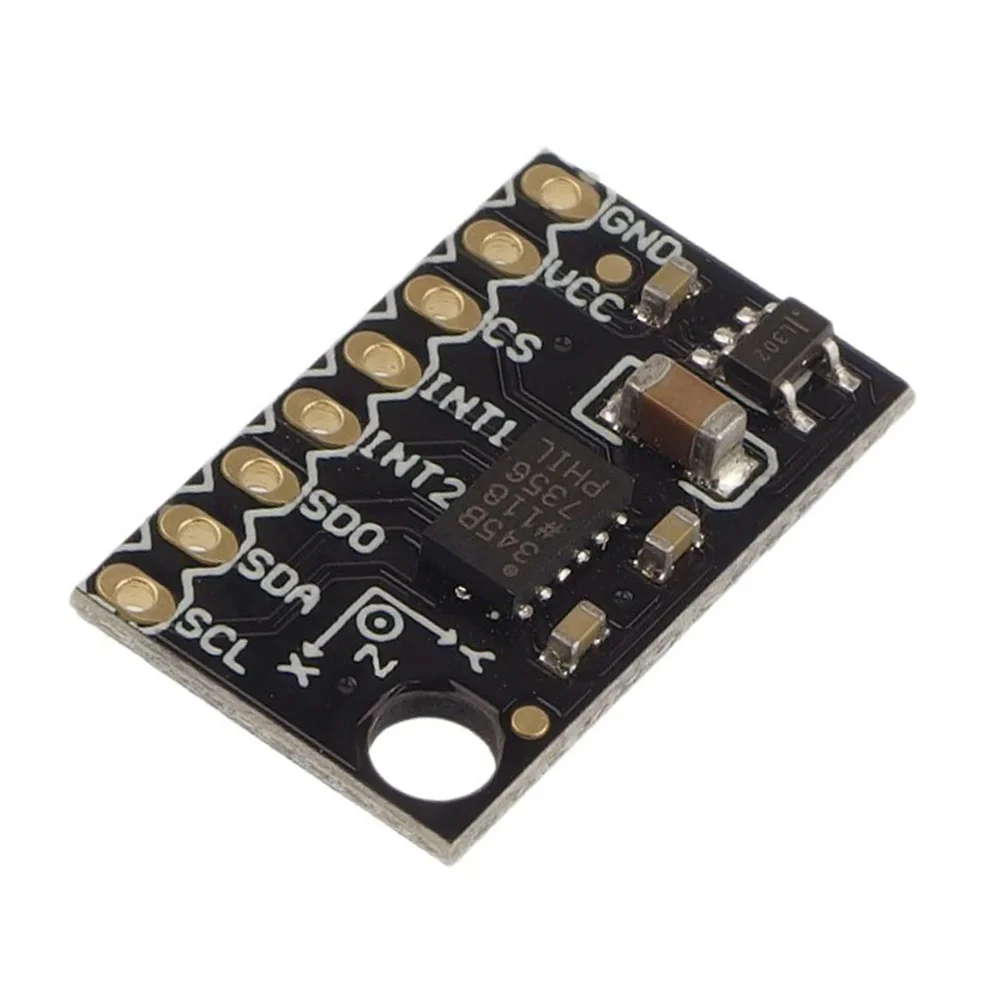
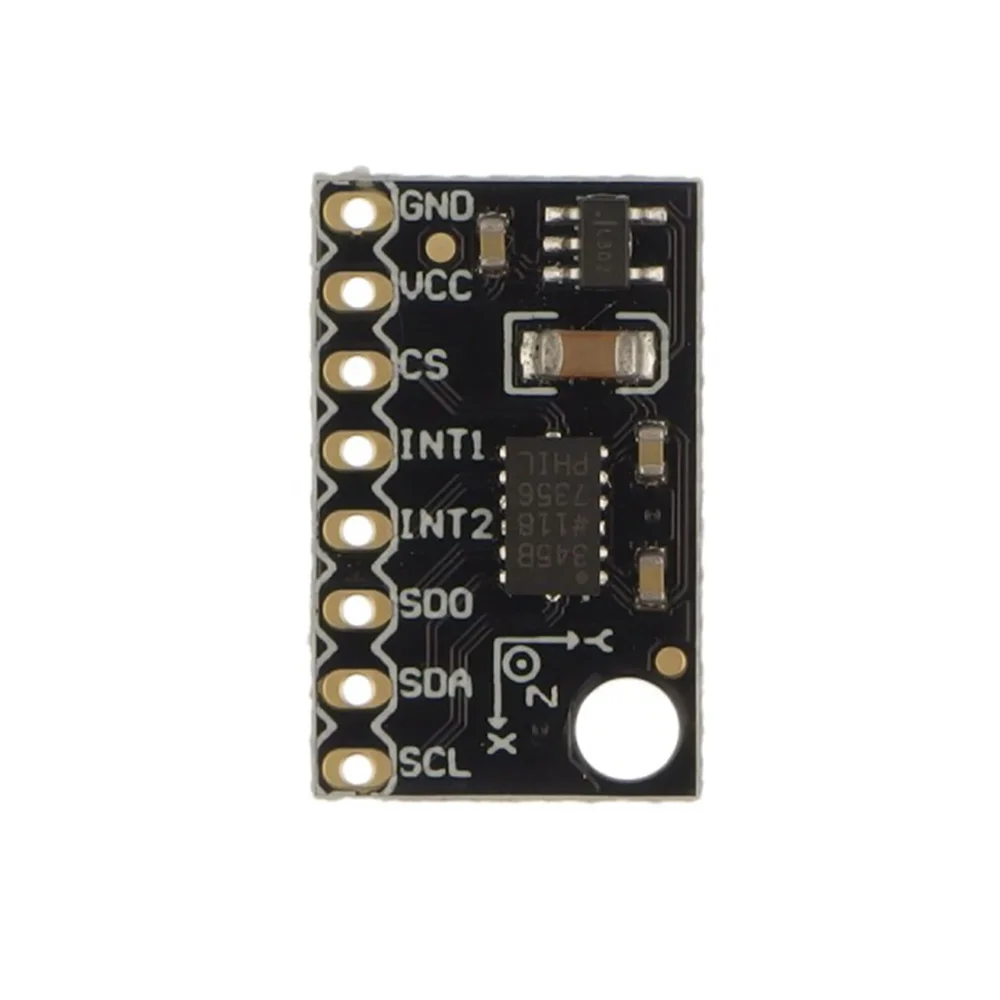
The DFRobot Fermion ADXL345 breakout is a high-resolution, 3-axis digital accelerometer with a ±16g range, designed for precise motion and tilt sensing in robotics, wearables, and portable devices. It features selectable I2C and SPI interfaces for easy integration with Arduino, Raspberry Pi, ESP32, and other 3.3V/5V logic systems.

Features

  • High-resolution 13-bit digital output with selectable ranges from ±2g to ±16g
  • Dual digital interface support for both I2C and SPI communication protocols
  • Advanced embedded features including tap/double-tap, free-fall, and motion detection with interrupt outputs
  • Ultra-low power operation down to 40 µA in measurement mode and 0.1 µA in standby
  • Integrated 32-level FIFO buffer to minimize host processor load and power consumption

Out of stock

Description

The Fermion ADXL345 breakout module provides precise measurement of static acceleration (tilt) and dynamic acceleration (shock, vibration) across three axes. Utilizing a MEMS capacitive sensing element and a 13-bit ADC, it delivers high-resolution data for applications requiring fine motion analysis. The sensor’s intelligent power management and built-in activity detection algorithms enable efficient, event-driven system design.

Designed for embedded systems, the module includes onboard level shifting and signal conditioning, making it compatible with both 3.3V and 5V logic levels. Its compact breakout format provides easy access to all pins for prototyping and integration into robotics platforms, inertial measurement units (IMUs), and IoT devices where accurate motion tracking is critical.

Key Features

  • High-precision MEMS capacitive accelerometer with 4 mg/LSB sensitivity
  • Flexible digital communication via selectable I2C (up to 400 kHz) or SPI (up to 5 MHz) interfaces
  • Embedded motion processing with programmable tap, double-tap, free-fall, and activity/inactivity detection
  • Ultra-low-power architecture with multiple measurement and standby modes for battery-operated applications
  • 32-sample FIFO buffer stores data to reduce host processor intervention and system power consumption
  • Robust breakout board design with standard 0.1" header pins for rapid prototyping and integration
  • Wide operating voltage range from 2.0 V to 3.6 V DC, compatible with 3.3V logic systems

Applications

  • Robotics for orientation sensing, shock detection, and step counting
  • Wearable devices and fitness trackers for activity monitoring and gesture recognition
  • Gaming controllers and HMI devices for motion-based input and tilt control
  • Industrial equipment for vibration monitoring, impact logging, and tilt compensation
  • IoT and portable devices for free-fall detection and power-saving wake-on-motion triggers

Technical Specifications

Manufacturer / BrandDFRobot
Model / SeriesFermion ADXL345 Breakout
Operating Voltage2.0 V to 3.6 V DC
Sensing Range (Selectable)±2g, ±4g, ±8g, ±16g
Resolution13-bit
Sensitivity4 mg/LSB (±2g range)
Output InterfaceI2C (up to 400 kHz), SPI (3-wire & 4-wire, up to 5 MHz)
Current Consumption (Measurement)40 µA (typical)
Current Consumption (Standby)0.1 µA @ 2.5V
Embedded FeaturesTap/Double-Tap Detection, Free-Fall Detection, Activity/Inactivity Sensing
Data Buffer32-level FIFO
Module Dimensions (L x W)20 mm x 13 mm
Module Weight3 g

Frequently Asked Questions

What is the operating voltage range for the ADXL345 breakout module?

The module operates from 2.0 V to 3.6 V DC. While the ADXL345 IC itself is a 3.3V device, the onboard level shifting circuitry on this breakout typically allows safe interfacing with 5V logic systems. Always verify the specific breakout's schematic for voltage tolerance.

How do I choose between the I2C and SPI communication interfaces?

The interface is selected via the CS (Chip Select) pin. Pulling CS high (to VCC) enables I2C mode. Pulling CS low enables SPI mode. The module's pins are broken out for both protocols, allowing you to choose based on your microcontroller's available buses and required data rate.

Can this sensor detect free-fall and taps?

Yes. The ADXL345 has built-in algorithms for free-fall, single-tap, and double-tap detection. These features are programmable via threshold and timing registers. When an event is detected, the sensor can signal the host processor via dedicated interrupt output pins, enabling efficient event-driven system design.

What is the purpose of the built-in FIFO buffer?

The 32-level FIFO buffer stores acceleration samples, allowing the host microcontroller to read data in batches. This significantly reduces the required polling frequency, minimizing processor load and overall system power consumption, which is crucial for battery-powered applications.

Is this module compatible with Arduino and Raspberry Pi?

Yes. The module works with 3.3V and 5V Arduino boards (using I2C or SPI libraries) and Raspberry Pi (using I2C via Python or C). For 5V Arduinos, ensure the logic level compatibility of the SDA/SCL lines, as the ADXL345 is a 3.3V part.

Package Includes

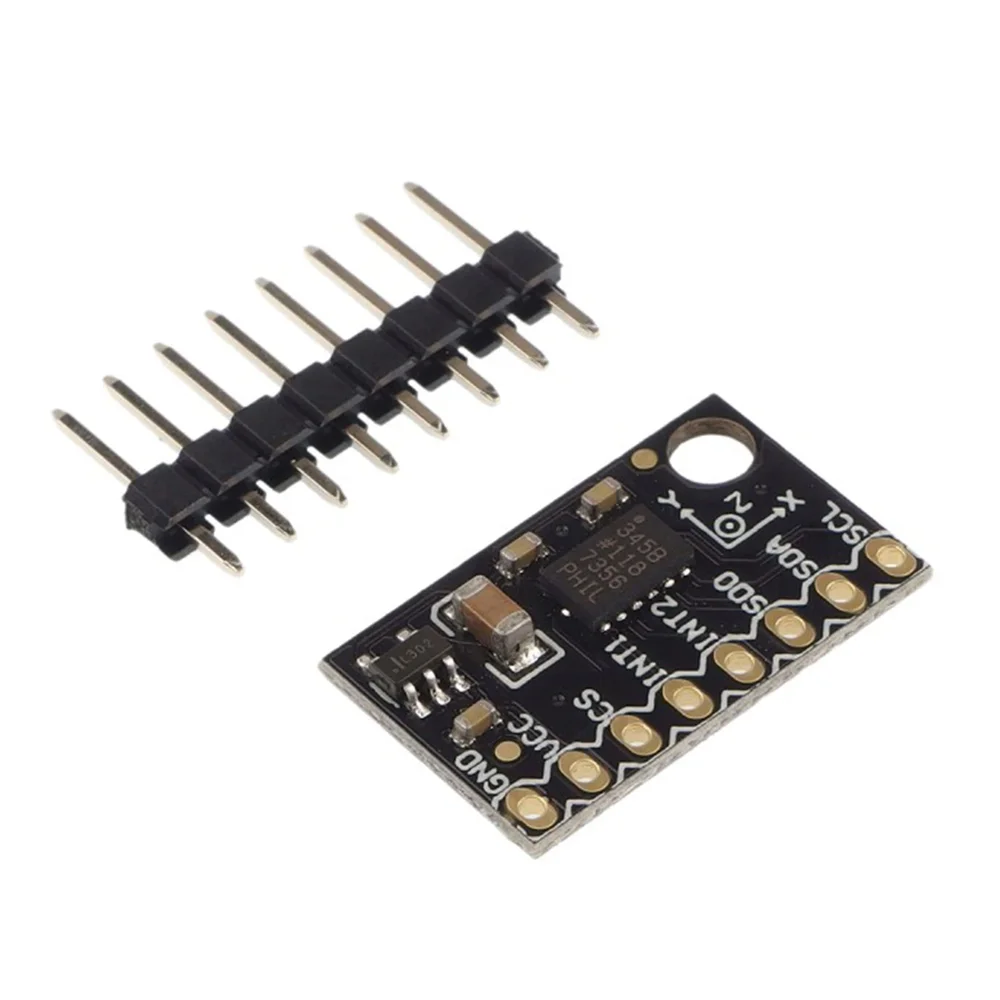
  • 1 x DFRobot Fermion ADXL345 Digital Triaxial Acceleration Sensor Breakout
  • 1 x Header Pin Strip

Additional Information

Weight 0.003 kg
Dimensions 2 × 1.3 cm