SKU: SENS-3089
📋 GST Invoice Available

DFRobot Fermion MAX30102 Heart Rate and Oximeter Sensor Breakout Module - I2C/UART Interface

₹2,399.00 (Inclusive of all taxes)
Out of Stock

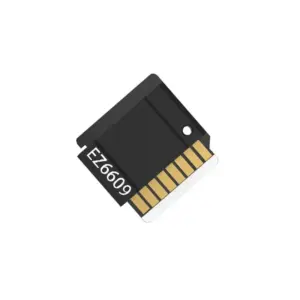
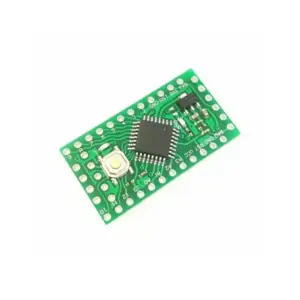
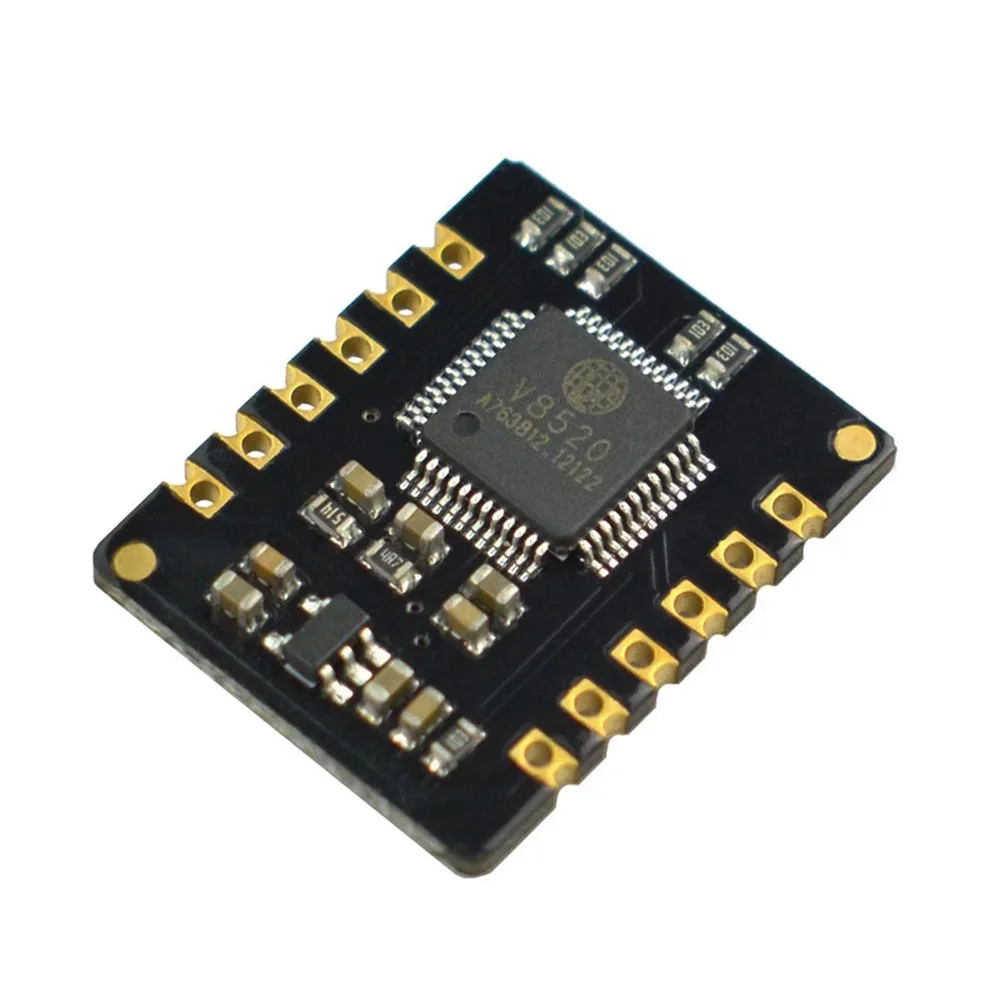
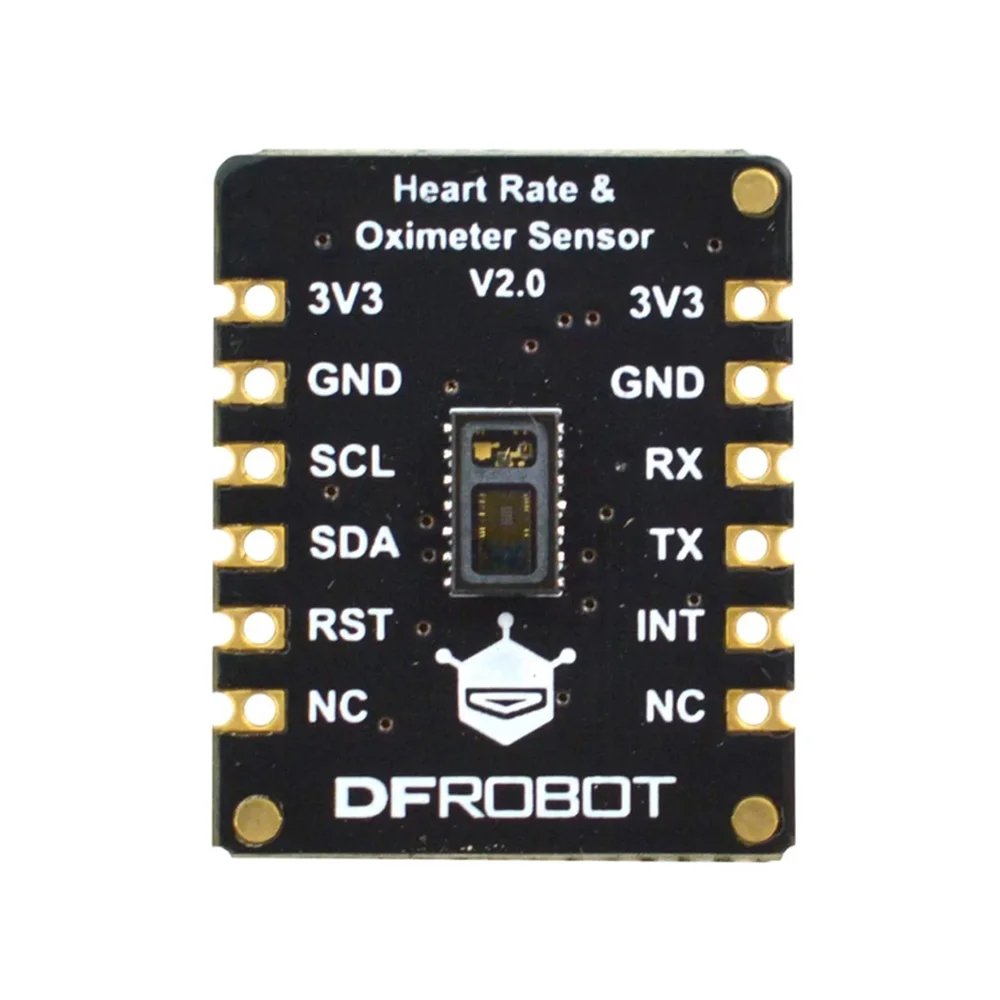
The DFRobot Fermion MAX30102 breakout module integrates the Maxim MAX30102 PPG sensor and an onboard MCU with a heart rate and oximetry algorithm, providing processed data via I2C or UART for easy integration with Arduino, Raspberry Pi, ESP32, and other 3.3V/5V logic microcontrollers.

Features

  • Integrated MAX30102 PPG sensor with onboard MCU for direct heart rate and SpO2 data output.
  • Dual I2C (address 0x57) and UART communication interfaces for flexible system integration.
  • Low power consumption, drawing less than 15mA from a 3.3V power supply.
  • Wide operating temperature range from -40°C to +85°C for robust performance.
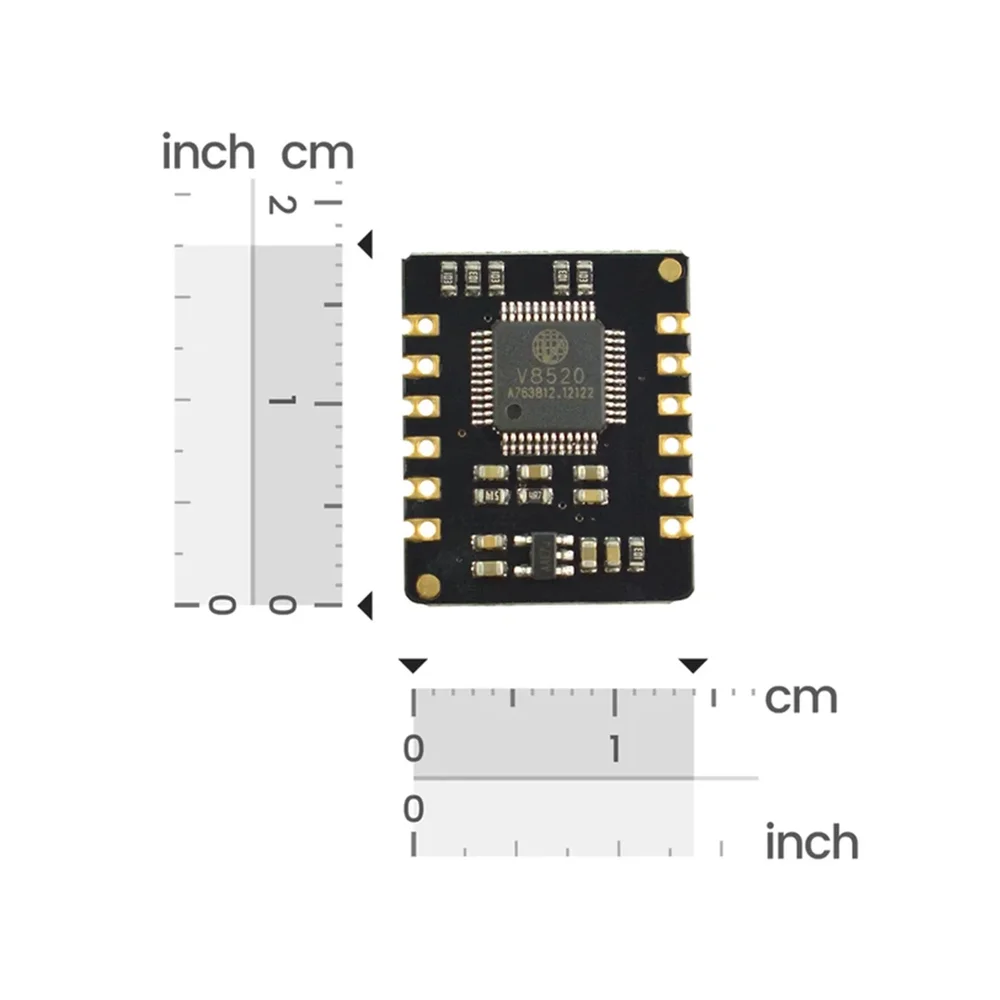
  • Compact breakout board design measuring 18mm x 22mm for space-constrained applications.

Out of stock

Description

The Fermion MAX30102 sensor utilizes Photoplethysmography (PPG) technology, where the MAX30102 chip emits red and infrared LEDs and measures the reflected light to detect blood volume changes in capillaries. This raw PPG data is processed by the integrated microcontroller’s algorithm to calculate real-time heart rate (HR) and blood oxygen saturation (SpO2) values, which are then output via I2C or UART, significantly reducing the computational load on the main host controller.

Designed for prototyping and wearable applications, the module includes a corresponding PC host computer software for convenient data visualization and logging. Its wide operating temperature and low power profile make it suitable for portable and long-term monitoring projects. Note that consistent, stable contact with the measurement site (e.g., fingertip) is required for accurate and reliable data readings.

Key Features

  • Onboard microcontroller pre-processes raw PPG signals into calculated heart rate and SpO2 data.
  • Supports both I2C (default address 0x57) and UART serial communication protocols.
  • Optimized for low-power operation, consuming under 15mA, ideal for battery-powered devices.
  • Engineered for a wide -40°C to +85°C operating range for environmental resilience.
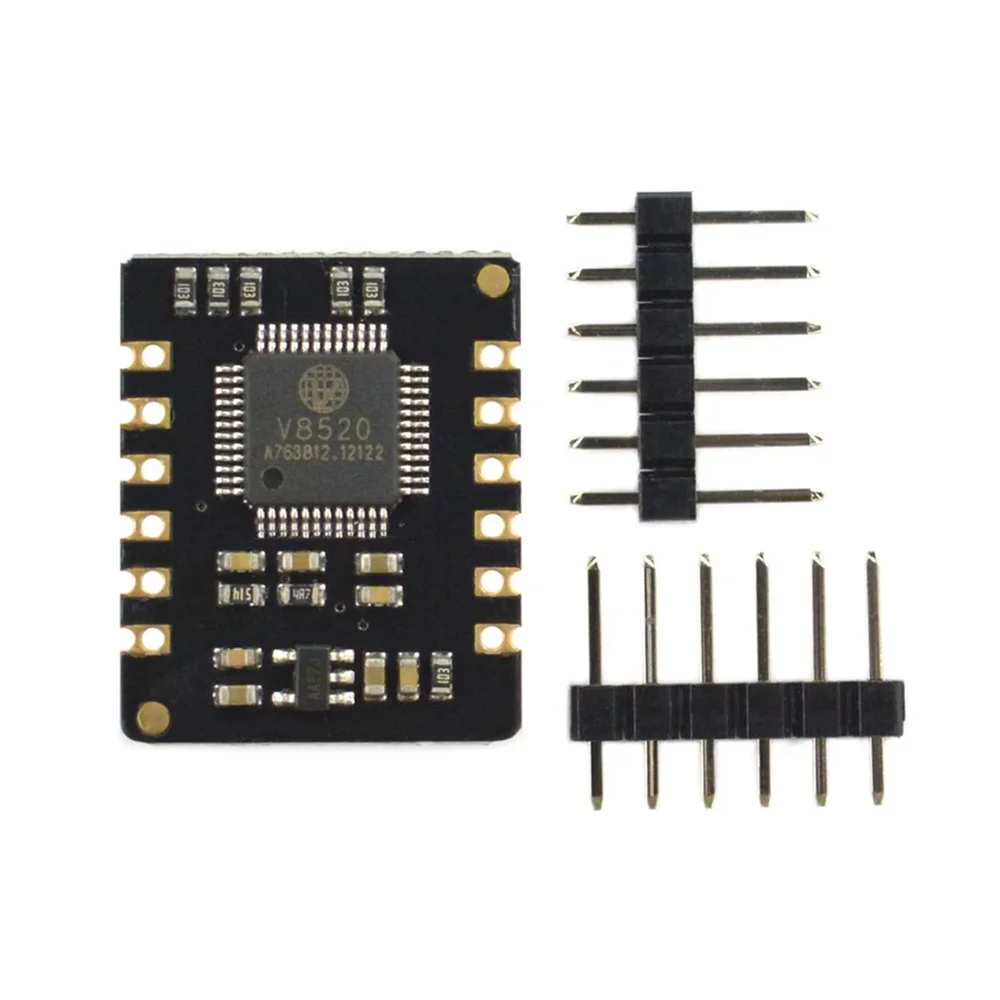
  • Compact Fermion-series breakout board with standard 0.1" pitch headers for easy prototyping.
  • Includes host computer software for real-time data plotting and analysis on a PC.
  • High-value build providing a complete sensing solution without requiring complex signal processing from the main controller.

Applications

  • Wearable fitness trackers and smartwatches for continuous HR and SpO2 monitoring.
  • Prototyping portable personal pulse oximeters for home health monitoring.
  • Embedded systems for long-term physiological data logging in research studies.
  • IoT health devices for remote patient monitoring and telemedicine applications.
  • Educational kits for learning biomedical sensing and signal processing principles.

Technical Specifications

Power Supply Voltage3.3V DC
Working Current< 15 mA
Communication InterfaceI2C, UART
I2C Address0x57
Operating Temperature Range-40°C to +85°C
Dimensions (L x W)18 mm x 22 mm
Sensing PrinciplePhotoplethysmography (PPG)
Output DataHeart Rate (HR), Blood Oxygen Saturation (SpO2)

Frequently Asked Questions

What is the power supply requirement for this MAX30102 breakout module?

The module requires a stable 3.3V DC power supply and draws less than 15mA during operation. It is not 5V tolerant on its I2C or UART data lines, so ensure your host microcontroller operates at 3.3V logic or use a logic level converter if interfacing with a 5V system.

How do I communicate with the sensor to read heart rate and SpO2 data?

The module supports both I2C (default address 0x57) and UART serial communication. You can use standard Wire library for I2C on Arduino or serial.read() for UART. The onboard MCU handles the complex PPG algorithm and outputs processed heart rate and blood oxygen values, simplifying your code.

What are the best practices for getting stable readings from this sensor?

For accurate readings, ensure stable, consistent contact between the sensor's LEDs/photodetector and the skin, typically on a fingertip. Avoid excessive pressure, which can affect blood flow and data quality. The module includes a host computer software for visualizing data stability and verifying sensor performance during setup.

Package Includes

  • 1 x DFRobot Fermion MAX30102 Heart Rate and Oximeter Sensor Breakout Board

Additional Information

Weight 0.04 kg
Dimensions 1.8 × 2.2 cm