SKU: SENS-3047
📋 GST Invoice Available

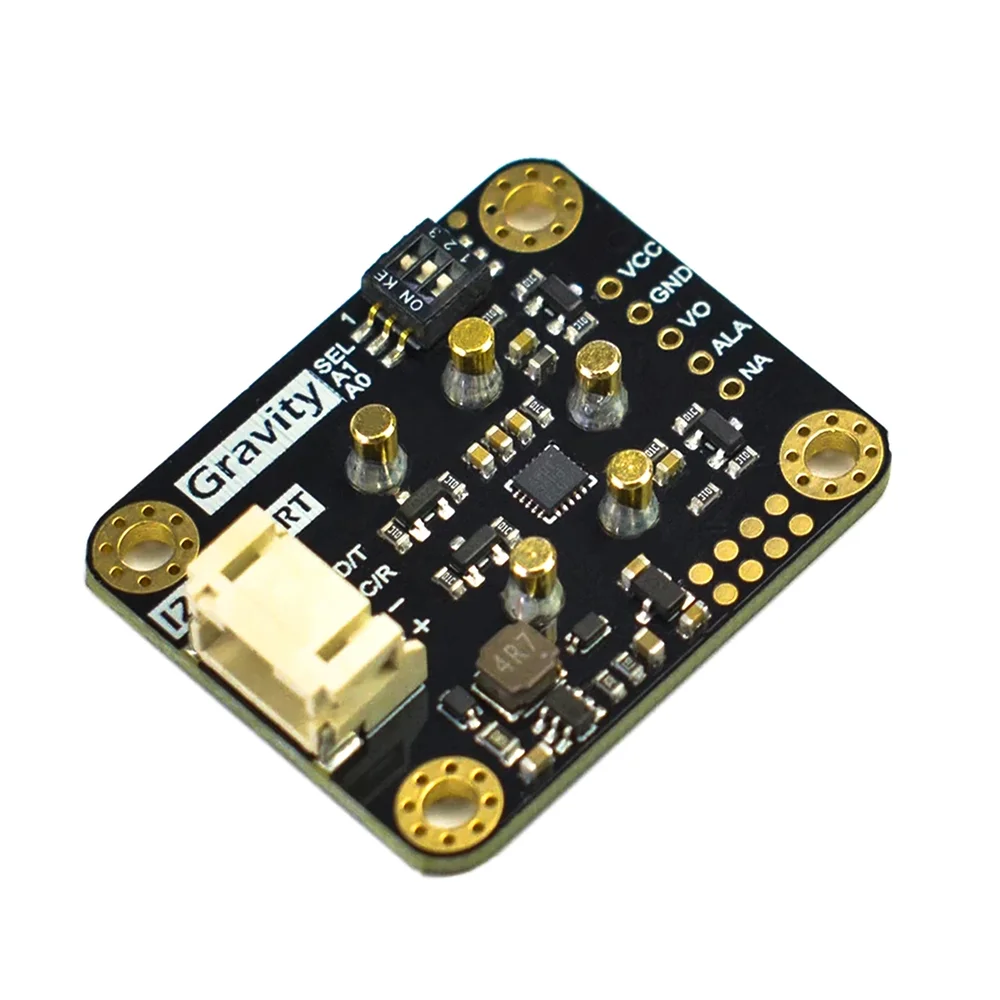
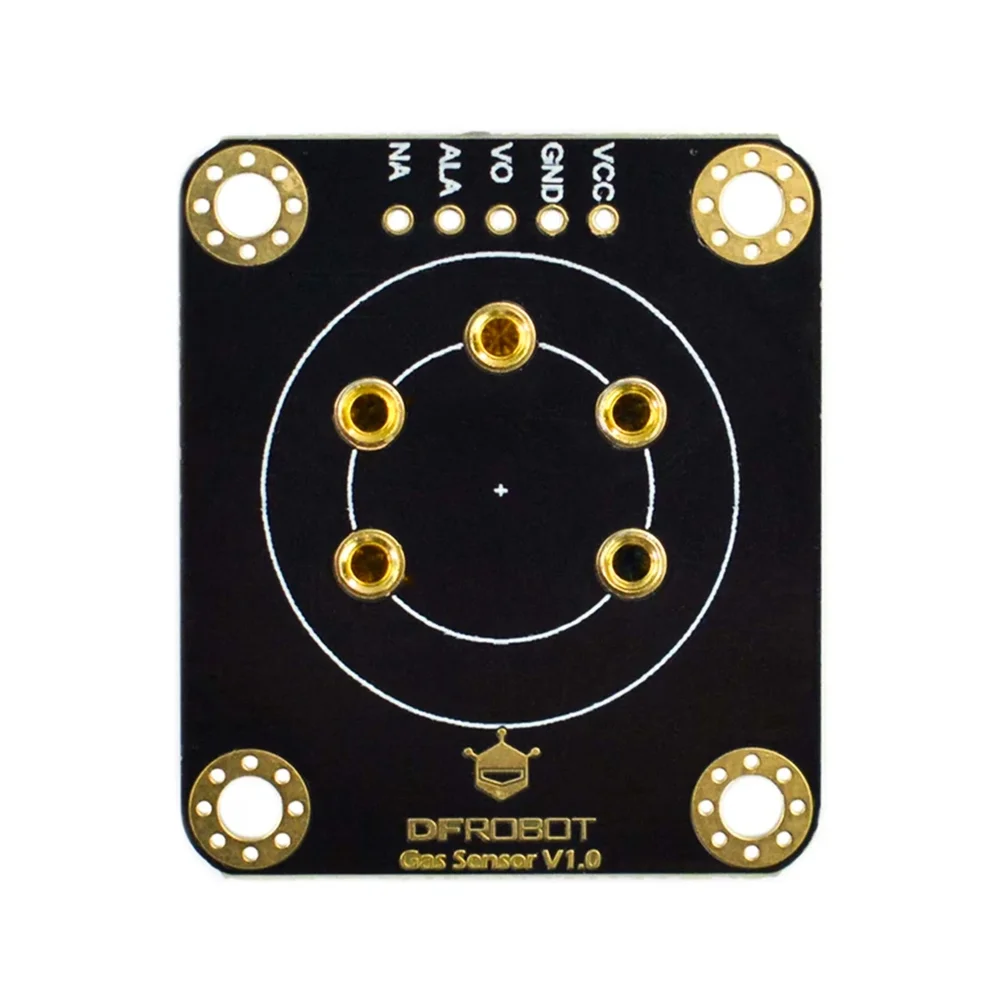
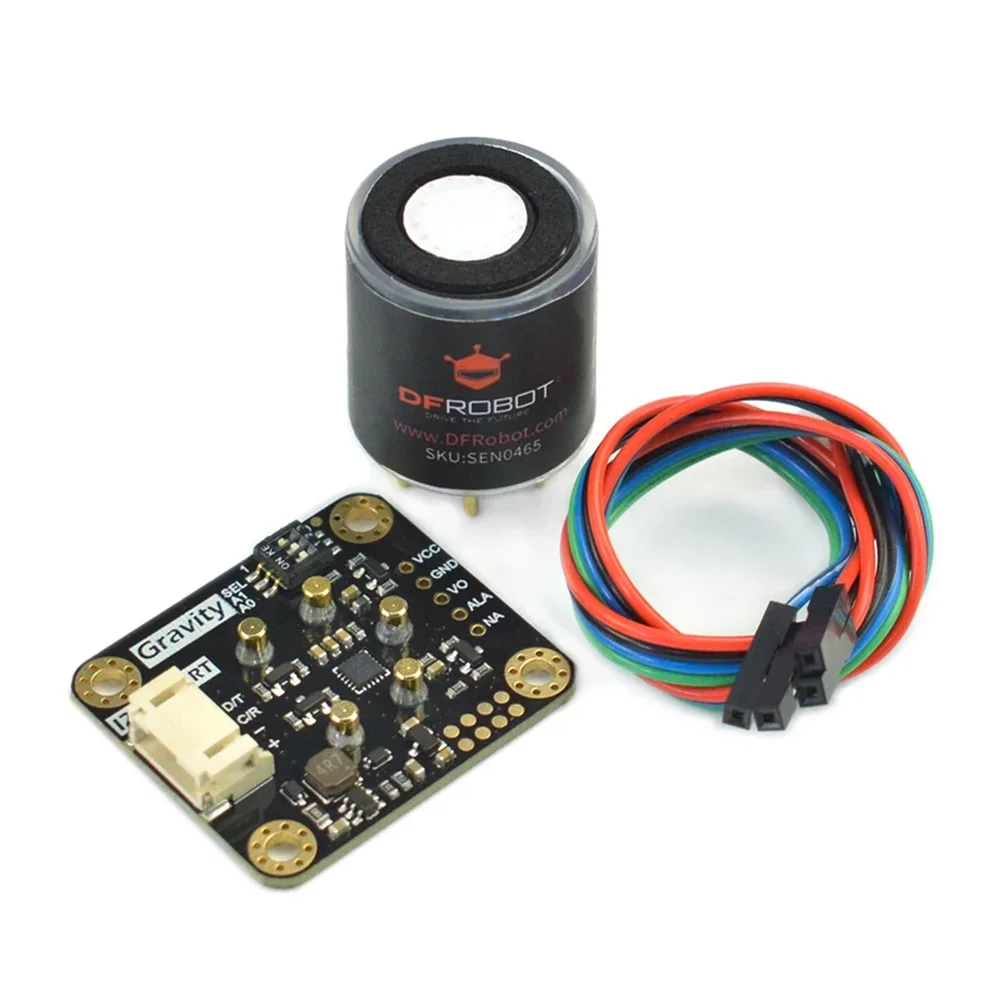
DFRobot Gravity O2 Gas Sensor Calibrated I2C UART - Electrochemical Oxygen Detection Module

₹10,499.00 (Inclusive of all taxes)
Out of Stock

The DFRobot Gravity O2 Gas Sensor is a factory-calibrated electrochemical module for measuring ambient oxygen concentration from 0 to 25% Vol. It features I2C, UART, and analog voltage outputs for seamless integration with Arduino, ESP32, and Raspberry Pi platforms.

Features

  • Electrochemical sensing principle for precise 0-25% Vol O2 concentration measurement.
  • Triple-output interface: I2C, UART, and analog voltage (0-3V) for versatile system integration.
  • Factory calibrated with integrated temperature compensation for immediate, accurate readings.
  • Low power consumption (<5mA) and wide 3.3-5.5V DC operating voltage range.
  • 32 configurable I2C addresses and threshold alarm function for multi-sensor networks.

Out of stock

Description

This sensor utilizes an electrochemical cell to detect oxygen molecules, offering high sensitivity, stability, and a two-year operational lifespan in air. Its signal is conditioned on-board, providing robust anti-interference characteristics suitable for variable environments.

The module includes an integrated temperature compensation algorithm to maintain accuracy across its -20 to +50°C operating range. The standardized Gravity interface and comprehensive sample code enable rapid prototyping and deployment in portable, industrial, and monitoring applications.

Key Features

  • Electrochemical sensing element with high specificity for oxygen (O2).
  • Factory pre-calibrated for immediate, out-of-box accuracy.
  • On-board signal conditioning for I2C, UART, and analog voltage outputs.
  • Integrated temperature compensation algorithm ensures stable performance.
  • Configurable I2C address supports up to 32 sensors on a single bus.
  • Programmable threshold alarm function for automated system triggers.
  • Wide operating voltage range (3.3-5.5V DC) compatible with 3.3V/5V logic systems.
  • Durable construction with an operating humidity range of 15-90% RH (non-condensing).

Applications

  • Portable air quality monitoring devices and personal safety equipment.
  • Industrial and mining safety systems for oxygen depletion monitoring in confined spaces.
  • Environmental monitoring stations and smart agriculture systems.
  • HVAC system control and indoor air quality (IAQ) assessment.
  • Laboratory gas analysis and educational science projects.

Technical Specifications

Detection GasOxygen (O2)
Detection Range0 to 25% Vol
Operating Voltage3.3 to 5.5V DC
Working Current<5 mA
Signal OutputI2C, UART (0-3V), Analog Voltage
Operating Temperature-20 to +50 °C
Operating Humidity15 to 90% RH (non-condensing)
Storage Temperature-20 to 50 °C
Storage Humidity15 to 90% RH (non-condensing)
Life Cycle>2 years (in air)
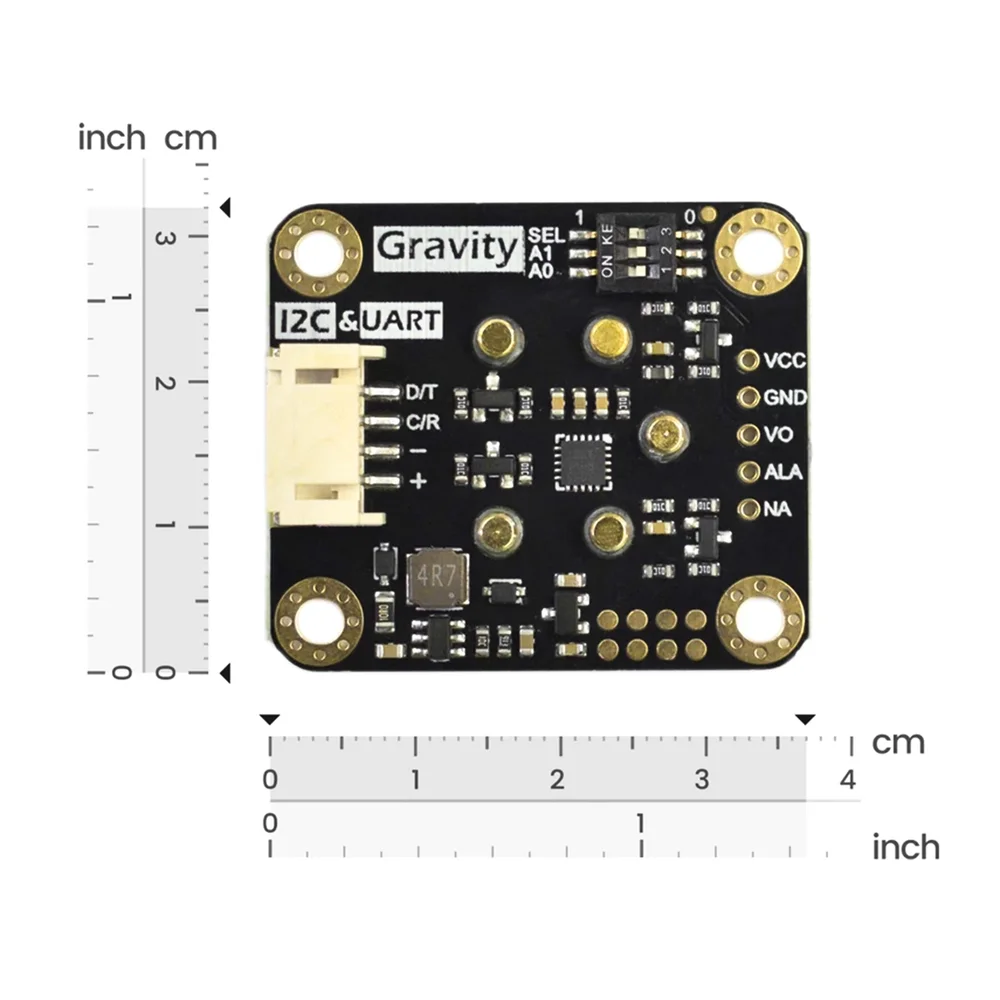
Adapter Plate Size37 x 32 mm
CompatibilityArduino, ESP32, Raspberry Pi

Frequently Asked Questions

What is the output signal and how do I connect it to an Arduino?

The module provides three output options: I2C, UART (serial), and a 0-3V analog voltage. For I2C, connect the SDA/SCL pins to your microcontroller's corresponding I2C pins. For UART, use the TX/RX pins. The Gravity interface simplifies wiring with a standard 3-pin or 4-pin connector. DFRobot provides sample code for all interfaces to get you started quickly.

Is this sensor pre-calibrated, and does it require periodic recalibration?

Yes, the sensor is factory calibrated for oxygen and is ready for immediate use. The electrochemical cell has a specified lifespan of over two years in air. For critical applications, periodic verification against a known standard is recommended, especially after extended use or exposure to extreme conditions.

Can I use multiple sensors on the same I2C bus, and what is the operating voltage range?

Yes, the I2C address is configurable, allowing up to 32 sensors on a single bus. The module operates from 3.3V to 5.5V DC, making it directly compatible with both 3.3V and 5V logic systems like Arduino Uno, ESP32, and Raspberry Pi without requiring a logic level shifter.

What is the sensing principle and what environmental conditions affect it?

It uses an electrochemical cell that generates a current proportional to oxygen concentration. Performance is optimized for temperatures between -20°C and +50°C and non-condensing humidity from 15-90% RH. The on-board temperature compensation algorithm corrects for variations within this range to maintain accuracy.

Package Includes

  • 1 x DFRobot Gravity O2 Sensor (Calibrated) - I2C & UART Module

Additional Information

Weight 0.1 kg
Dimensions 10 × 8 × 5 cm