SKU: SENS-0697
📋 GST Invoice Available

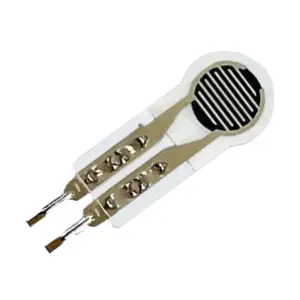
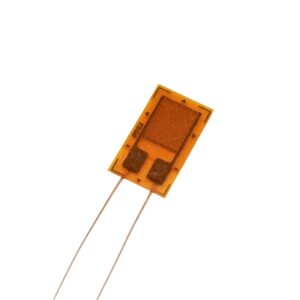
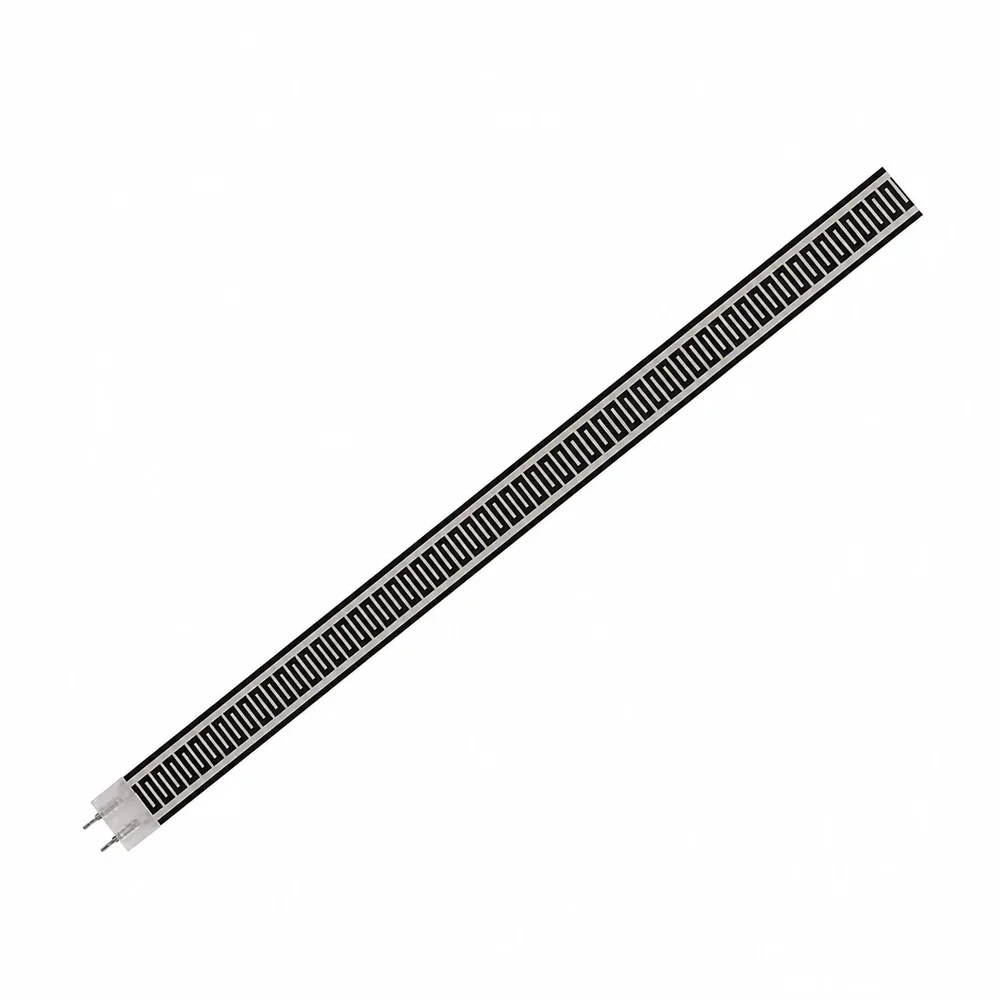
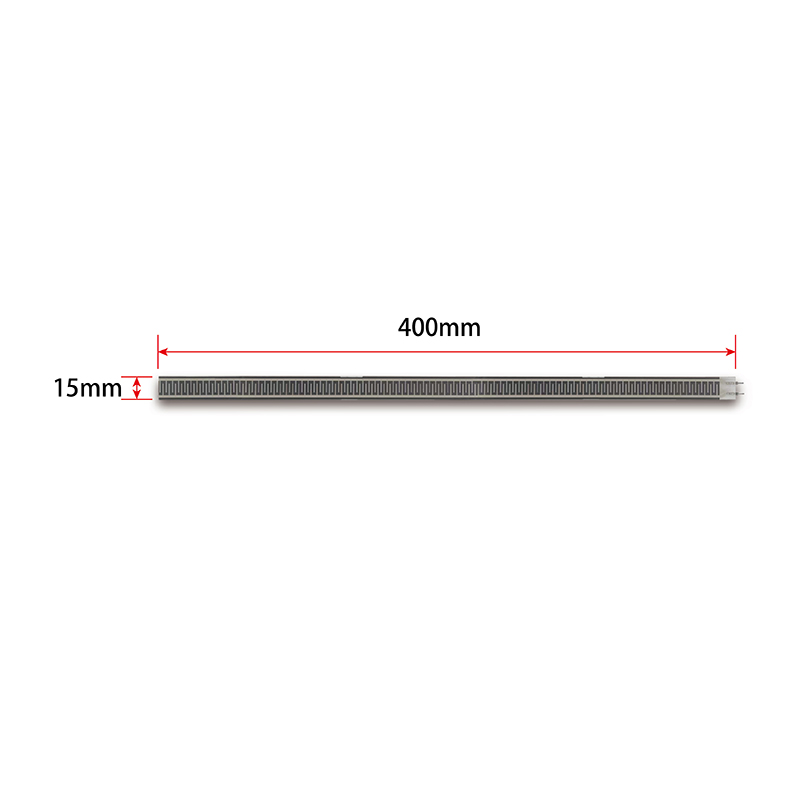
Generic RP-L-400 Force Sensitive Resistor (20g-10kg) - Thin Film Pressure Sensor

₹479.00 (Inclusive of all taxes)
Out of Stock

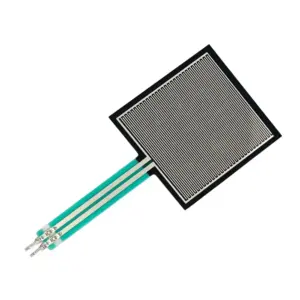
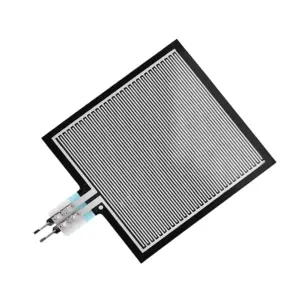
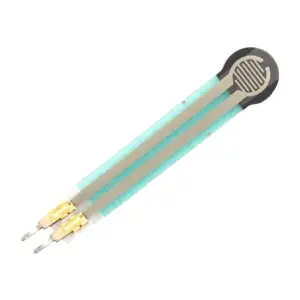
The RP-L-400 is a thin-film force-sensitive resistor (FSR) providing variable resistance output from 500kΩ to 500Ω over a 20g to 10kg sensing range. Its ultra-thin 0.45mm profile and flexible construction make it ideal for integration into embedded systems, robotics, and interactive electronics projects with Arduino, Raspberry Pi, or other microcontroller platforms.

Features

  • Wide Force Sensing Range: Accurately measures applied force from 20 grams up to 10 kilograms.
  • Variable Resistance Output: Provides an analog resistance signal ranging from approximately 500kΩ (light touch) down to 500Ω (full force).
  • Ultra-Thin & Flexible Profile: With a thickness of only 0.45mm, it is suitable for space-constrained and conformal applications.
  • Broad Operating Temperature: Functions reliably across an industrial temperature range from -40°C to +85°C.
  • Simple Interface: Easy to integrate with voltage divider circuits for analog voltage reading by microcontrollers.

Out of stock

Description

The RP-L-400 Force Sensitive Resistor operates on the principle of piezoresistivity, where the electrical resistance of its active area decreases predictably as force is applied. This change in resistance can be converted into a measurable analog voltage signal using a simple series resistor, enabling precise force detection and measurement.

Constructed with a durable, flexible polymer thick film (PTF) substrate, the sensor is designed for repeated use and can conform to curved surfaces. Its wide operating temperature range ensures stable performance in diverse environments, from industrial controls to consumer electronics, providing a reliable and cost-effective solution for tactile sensing and pressure mapping.
Key Features

  • Precision Force-to-Resistance Mapping: Delivers a consistent and repeatable resistance curve corresponding directly to the applied force magnitude.
  • Robust Flexible Construction: Built on a durable, bendable substrate that withstands mechanical stress and repeated actuation cycles.
  • High-Value Performance-to-Cost Ratio: Offers reliable force sensing capabilities in an economical, easy-to-use package.
  • Low Activation Force: Begins responding to forces as light as 10-20 grams, enabling detection of very light touches or pressures.
  • Minimal Hysteresis: Engineered for good signal recovery and reduced lag between loading and unloading force cycles.
  • Simple Two-Terminal Interface: Easy to wire and integrate with standard analog input circuits without complex signal conditioning.

Applications

  • Robotic Gripper Force Feedback: Implementing tactile sensing in robotic end-effectors for object handling and grip force control.
  • Interactive Electronics & Musical Interfaces: Creating pressure-sensitive buttons, keys, and control surfaces for MIDI controllers and touch panels.
  • Biomechanics & Gait Analysis: Measuring foot pressure distribution in insoles or sports equipment for performance monitoring.
  • Industrial Process Control: Monitoring presence and weight of components on conveyor belts or in assembly jigs.
  • Prosthetic & Assistive Device Sensing: Integrating touch and pressure feedback into prosthetic limbs or rehabilitation devices.

Technical Specifications

ModelRP-L-400
Sensing PrincipleForce Sensitive Resistor (Piezoresistive)
Force Sensing Range20 g to 10 kg
Resistance Range (Output)~500 kΩ (no force) to ~500 Ω (max force)
Actuation Force (Initial Response)10g - 20g
Thickness0.45 mm
Operating Temperature-40°C to +85°C
Interface2-pin analog resistance

Frequently Asked Questions

How do I connect and read the RP-L-400 FSR with an Arduino?

Connect one FSR lead to the Arduino's 5V (or 3.3V) supply. Connect the other lead to an analog input pin (e.g., A0) and also connect a 10kΩ resistor from that same pin to ground, forming a voltage divider. The Arduino will read a variable voltage that corresponds to the applied force. You must map the analog reading (0-1023) to your calibrated force range in your code.

What is the relationship between force and resistance for this sensor?

The resistance decreases non-linearly as force increases. With no force applied, resistance is high (around 500kΩ). As force is applied up to the maximum 10kg, the resistance drops to approximately 500Ω. The response curve is inverse and logarithmic, requiring calibration for precise force measurement across the full range.

Can this sensor be used for continuous pressure measurement or only for touch detection?

It is suitable for both dynamic force measurement and static pressure sensing within its 20g-10kg range. Its flexible construction allows it to conform to surfaces for pressure mapping. For long-term static loads, ensure the force does not exceed the maximum rating to prevent permanent resistance drift or damage.

What is the recommended circuit for stable analog readings?

A simple voltage divider with the FSR and a fixed resistor (typically between 1kΩ and 10kΩ) is standard. The fixed resistor value should be chosen based on your force range of interest to maximize voltage swing resolution. For noise reduction, add a small capacitor (e.g., 0.1µF) across the fixed resistor. Ensure your microcontroller's analog reference is stable.

Package Includes

  • 1 x Force Sensitive Resistor RP-L-400 (20g-10kg)