SKU: IOWC-1899
📋 GST Invoice Available

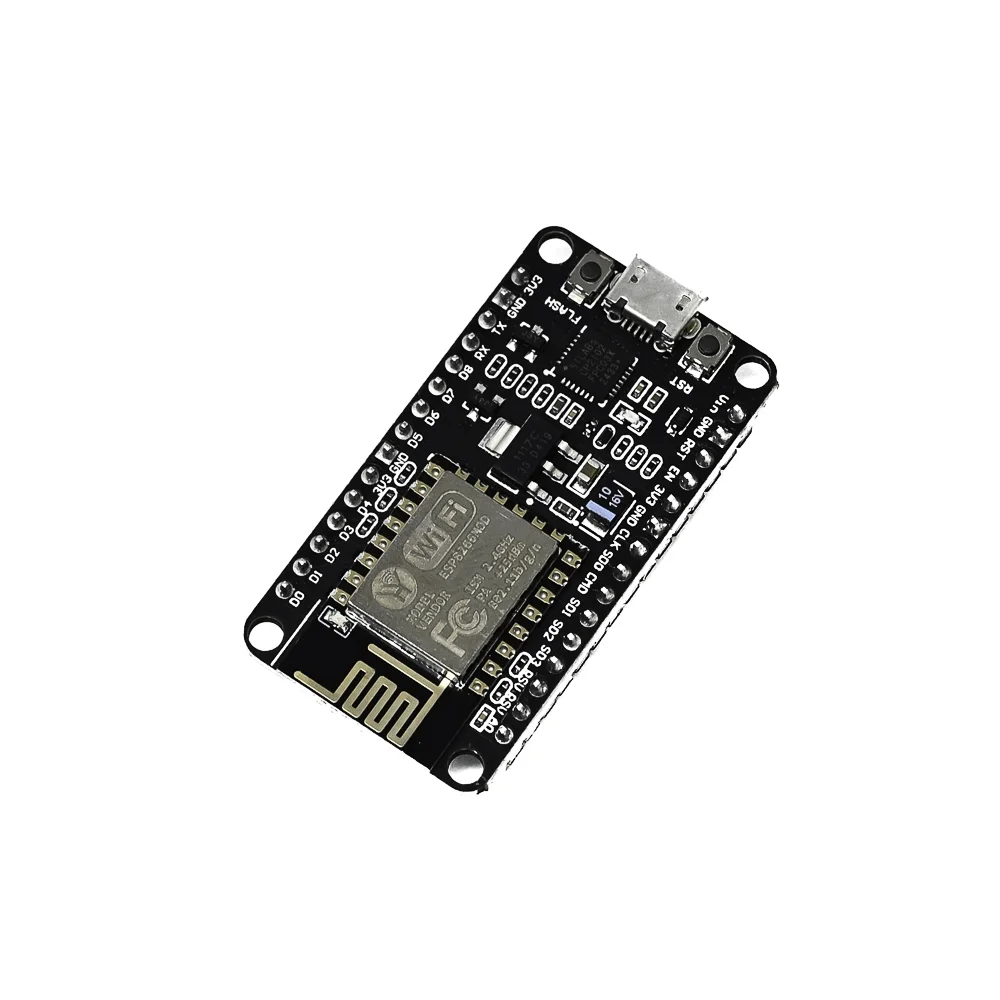
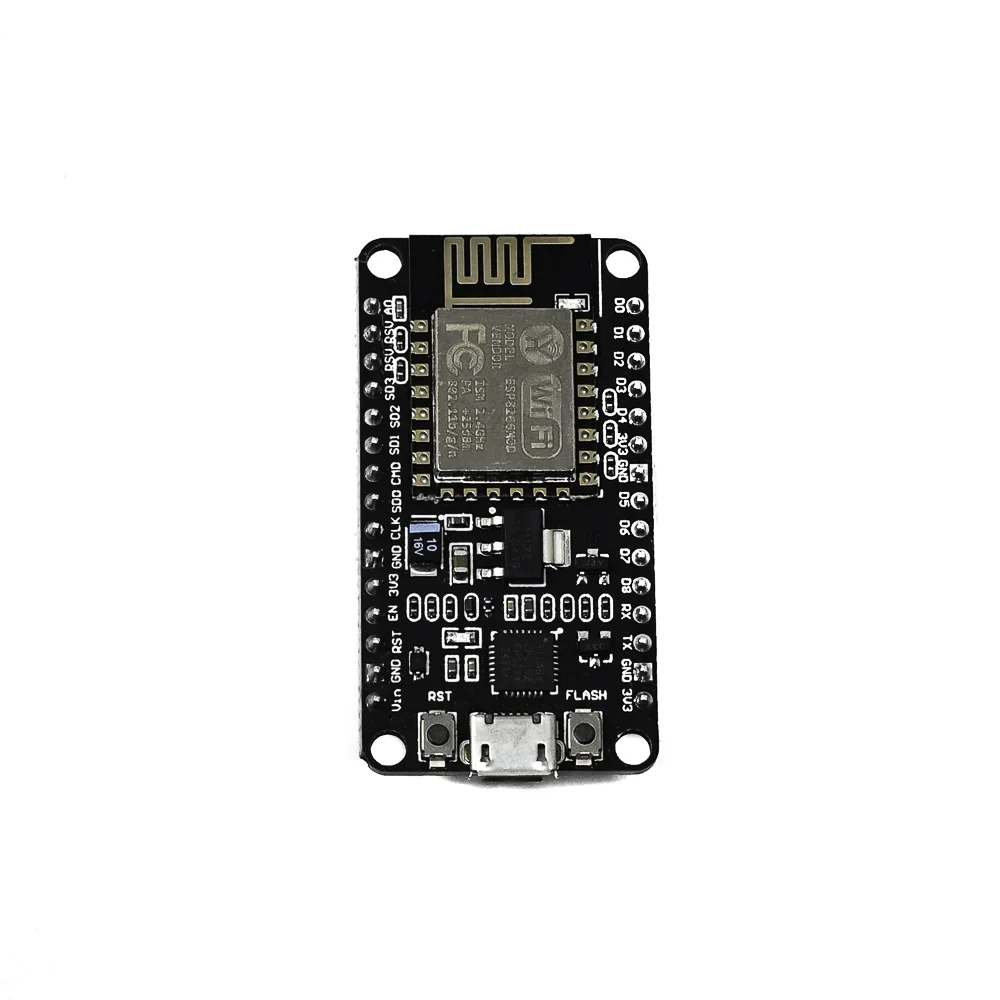
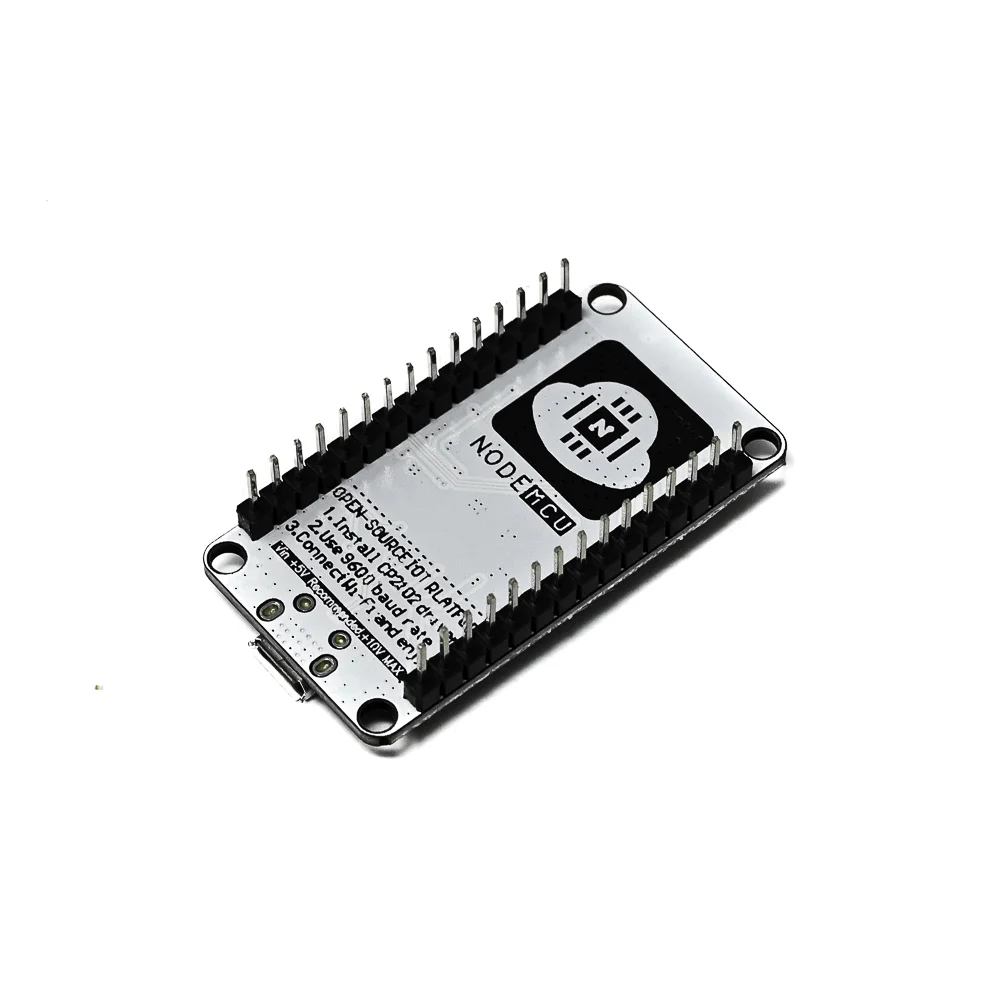
ESP8266 NodeMCU CP2102 Wi-Fi Development Board

₹259.00 (Inclusive of all taxes)
Out of Stock

The ESP8266 NodeMCU CP2102 is a complete Wi-Fi development board based on the ESP-12E module, featuring a built-in USB-to-serial converter for easy programming via the Arduino IDE or Lua scripting. It includes a 3.3V regulator and level shifter for immediate prototyping.

Features

  • Based on the ESP8266 Wi-Fi SoC (ESP-12E footprint) with integrated TCP/IP stack for 802.11 b/g/n connectivity.
  • Onboard CP2102 USB-to-serial chip enables straightforward code uploads from Arduino IDE, PlatformIO, or Lua.
  • Integrated 3.3V voltage regulator and logic-level converter circuits simplify power and GPIO interfacing.
  • Breadboard-friendly form factor with all GPIO pins broken out for rapid prototyping and sensor integration.
  • Features 4MB of flash memory for storing application code, file systems, and OTA updates.

Out of stock

Description

The ESP8266 NodeMCU CP2102 board provides a fully integrated Wi-Fi networking solution, hosting applications directly on its low-power 32-bit Tensilica processor. Its high level of on-chip integration minimizes external circuitry, making the entire front-end module compact and power-efficient for IoT deployments.

This development board simplifies firmware development with its built-in USB programming interface, removing the need for external FTDI adapters. The onboard power management and voltage regulation ensure stable operation when powered via USB or an external 5V source, making it an ideal choice for connected sensor nodes, smart home automation, and wireless control projects.

Key Features

  • Complete Wi-Fi networking solution with integrated RF front-end (TR switch, balun, LNA, PA).
  • Supports Soft-AP, Station, and Wi-Fi Direct (P2P) modes for flexible network topologies.
  • Programmable via Arduino IDE, ESP8266 Core, NodeMCU Lua firmware, or MicroPython.
  • Onboard CP2102 serial converter provides reliable USB communication and firmware flashing.
  • Integrated 3.3V LDO regulator and logic-level shifting for safe 5V to 3.3V GPIO interfacing.
  • Event-driven API and Node.js-style network programming accelerate IoT application development.
  • Compact, breadboard-compatible PCB design with easy access to all GPIO, I2C, SPI, and UART pins.
  • Low-power operating modes enable battery-powered wireless sensing applications.

Applications

  • Smart home automation and wireless sensor nodes for temperature, humidity, and motion.
  • IoT prototyping and education, leveraging the Arduino IDE and Lua scripting environments.
  • Wi-Fi-connected data loggers and remote monitoring devices for industrial or environmental sensing.
  • Wireless control modules for relays, motors, and LEDs in DIY robotics and maker projects.
  • MQTT clients and HTTP servers for cloud connectivity and data aggregation.

Technical Specifications

Microcontroller/SoCESP8266 (ESP-12E module)
Wireless ProtocolsWi-Fi 802.11 b/g/n
Frequency Range2.4GHz ISM Band
Flash Memory4 MB
Supply Voltage5V via USB or Vin pin
Operating Voltage3.3V
USB-to-Serial ICCP2102
InterfacesGPIO, I2C, SPI, UART, PWM, ADC
AntennaIntegrated PCB Trace Antenna
Dimensions49mm x 24mm (LxW)
Weight8g

Frequently Asked Questions

How do I upload code to the ESP8266 NodeMCU CP2102 board?

Install the CP2102 USB drivers, then add the ESP8266 board package to the Arduino IDE. Select 'NodeMCU 1.0 (ESP-12E Module)' as the board, choose the correct COM port, and set the upload speed to 115200 baud. Connect the board via USB and upload your sketch using the upload button.

What is the power supply requirement for this board?

The board can be powered via the micro-USB port (5V) or through the Vin pin (5V). An onboard 3.3V regulator supplies the ESP8266 chip. Ensure not to apply voltages above 3.3V directly to any GPIO pin to prevent damage.

Can I use this board with platforms other than Arduino IDE?

Yes. You can program it using the ESP8266 RTOS SDK, MicroPython, or NodeMCU Lua firmware. For Lua, flash the appropriate binary using a tool like esptool.py. The CP2102 serial interface supports all standard AT commands and firmware flashing protocols.

What are the default GPIO pin functions and limitations?

GPIO0 and GPIO2 must be high during boot. GPIO15 must be low. GPIO16 can be used as a wake-up source from deep sleep. The ADC pin (A0) supports 0-1V input. Several pins are used for SPI, I2C, and UART communication, so check the pinout diagram before connecting peripherals.

Package Includes

  • 1 x ESP8266 NodeMCU CP2102 Development Board

Additional Information

Weight 0.008 kg
Dimensions 4.9 × 2.4 cm