SKU: IOWC-1810
📋 GST Invoice Available

LilyGO T-Dongle-S3 ESP32-S3 Dev Board w/ 0.96-Inch ST7735 LCD

₹2,099.00 (Inclusive of all taxes)
Out of Stock

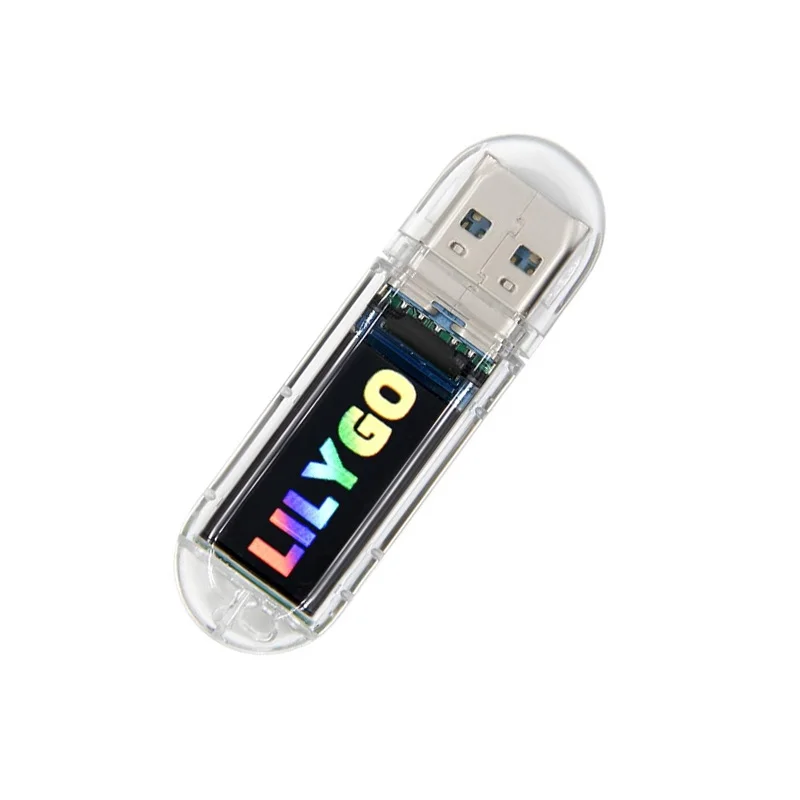
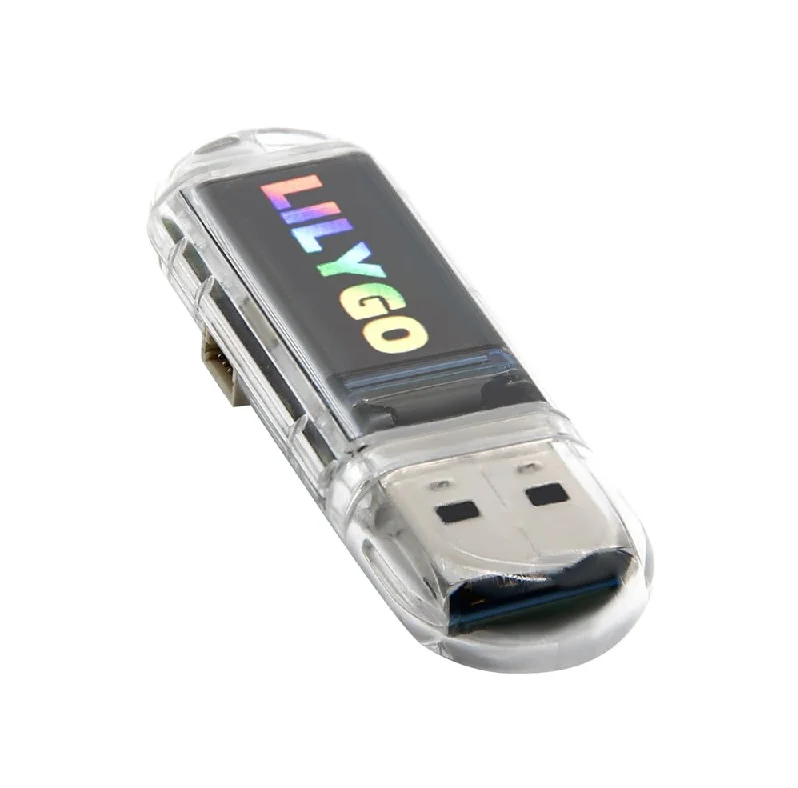
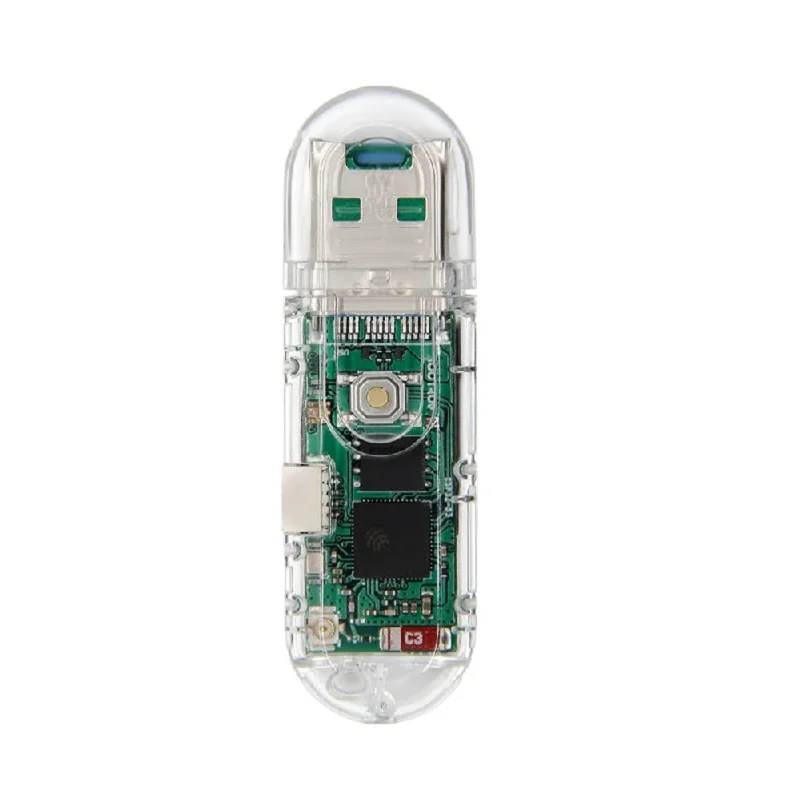
The LilyGO T-Dongle-S3 is a compact ESP32-S3 development board in a USB dongle form factor, integrating a 0.96-inch ST7735 color LCD display and a microSD card slot. It supports Wi-Fi 4 and Bluetooth 5.0, programmable via Arduino IDE, PlatformIO, or MicroPython for rapid IoT and display-based prototyping.

Features

  • ESP32-S3 Dual-Core LX7 MCU with 16MB flash for robust Wi-Fi 4 & BLE 5.0 connectivity.
  • Integrated 0.96-inch ST7735 color TFT LCD with 80×160 resolution via 4-wire SPI interface.
  • Onboard microSD (TF) card slot for data logging, image storage, or firmware updates.
  • USB dongle form factor enables direct plug-and-play development and deployment.
  • Fully compatible with Arduino IDE, PlatformIO, ESP-IDF, and MicroPython frameworks.

Out of stock

Description

The LilyGO T-Dongle-S3 is a highly integrated development platform that packages the powerful ESP32-S3 microcontroller into a convenient USB dongle. This design eliminates the need for external wiring for power and programming, making it an ideal tool for rapid prototyping of display-based IoT applications, interactive demos, and portable data loggers.

At its core is the ESP32-S3, featuring a dual-core Xtensa LX7 processor capable of running at up to 240 MHz, coupled with 16MB of flash memory. It provides reliable 2.4 GHz Wi-Fi (802.11 b/g/n) and Bluetooth Low Energy 5.0 connectivity. The onboard 0.96-inch ST7735 LCD offers a 65K color depth and is directly driven via SPI, allowing for dynamic user interfaces and visual feedback without external display hardware.

Key Features

  • All-in-one USB dongle form factor with integrated ESP32-S3 MCU, display, and storage.
  • High-performance dual-core Xtensa LX7 processor for complex IoT logic and graphics rendering.
  • Integrated 0.96-inch ST7735 SPI color TFT LCD for immediate visual output and HMI projects.
  • Onboard microSD card slot for expanding storage capacity for media, logs, or web content.
  • Native USB support for seamless power, programming, and serial communication.
  • Full support for Arduino, ESP-IDF, PlatformIO, and MicroPython development ecosystems.
  • Compact and portable design ideal for finished projects, kiosks, or portable sensor nodes.

Applications

  • Portable IoT sensor nodes with local display for real-time data visualization.
  • Prototyping interactive smart home controllers, remote controls, or status monitors.
  • Developing portable data loggers that store readings on SD card and show trends on-screen.
  • Creating educational tools and demos for embedded systems with Wi-Fi/Bluetooth and GUI.
  • Building compact USB dongles for network diagnostics, BLE scanners, or captive portal devices.

Technical Specifications

Microcontroller / SoCESP32-S3 (Xtensa LX7 Dual-Core)
Wireless ProtocolsWi-Fi 802.11 b/g/n (2.4 GHz), Bluetooth 5.0 (BLE)
Display0.96-inch ST7735 TFT LCD, 80x160 resolution, 65K colors
Display Interface4-wire SPI
Storage16MB Flash, microSD (TF) Card Slot
Supply Voltage3.3V (via USB 5V input)
Programming InterfacesUSB-C for power & programming
DimensionsApprox. 60mm x 50mm x 20mm

Frequently Asked Questions

How do I program the LilyGO T-Dongle-S3 using the Arduino IDE?

First, install the ESP32 board support via the Arduino Boards Manager using the Espressif repository URL. Select 'ESP32S3 Dev Module' as your target. Ensure the USB driver is installed, then connect the dongle via USB-C. The board should enumerate as a serial port. You can then write and upload sketches that utilize the SPI-connected ST7735 display using libraries like TFT_eSPI, configuring the correct pins defined in the board's documentation.

What are the correct pin definitions for the integrated ST7735 display?

The ST7735 LCD on the T-Dongle-S3 is connected via a 4-wire SPI interface. You must configure your display library (e.g., TFT_eSPI) with the specific GPIO pins used for DC (Data/Command), RESET, CS (Chip Select), SCLK, and MOSI. These pin mappings are defined in the board support package or schematic. Typically, they are fixed and not user-remappable due to the integrated design, so refer to the official LilyGO pinout diagram for accurate assignments.

Can I use the microSD card slot for storing images to display on the screen?

Yes, the onboard microSD (TF) card slot is fully accessible via the SPI bus. You can use the standard SD library in Arduino or the built-in 'os' module in MicroPython to read and write files. To display images, you would read bitmap files from the card, decode them (using a library like BMPDecoder for Arduino), and then write the pixel data to the ST7735 display's framebuffer, making it ideal for dynamic menu systems or data dashboards.

What is the power consumption of the T-Dongle-S3, and can it run on battery?

The board is powered via its USB-C port at 5V, with an onboard regulator providing 3.3V to the ESP32-S3 and peripherals. While not designed with a direct battery connector, you can power it from a USB power bank. To minimize consumption, utilize the ESP32-S3's deep sleep modes, disabling the display and SD card when inactive. Typical operating current with Wi-Fi active and display on can range from 100mA to 200mA, while deep sleep can drop to microamps.

Package Includes

  • 1 x LilyGO T-Dongle-S3 ESP32-S3 Development Board with 0.96-inch LCD

Additional Information

Weight 0.015 kg
Dimensions 6 × 5 × 2 cm