SKU: IOWC-0378
📋 GST Invoice Available

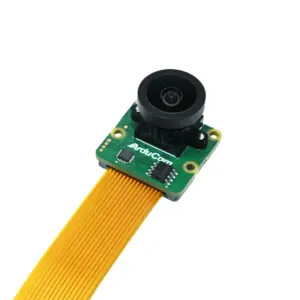
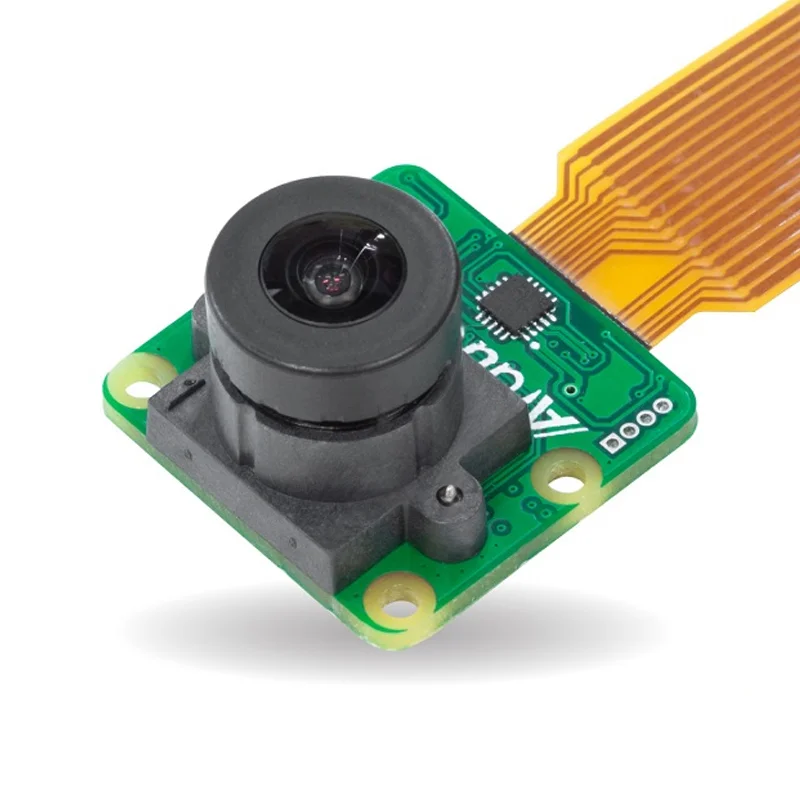
Arducam 2MP Sony IMX462 Ultra Low Light STARVIS Camera Module w/ 141° M12 Lens for Raspberry Pi

₹6,089.00 (Inclusive of all taxes)
Out of Stock

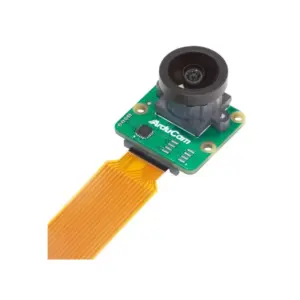
The Arducam 2MP Sony IMX462 STARVIS camera module is an ultra-low-light imaging solution for Raspberry Pi, featuring a wide-angle M12 lens and native support via libcamera and Picamera2 libraries for computer vision and surveillance applications.

Features

  • Ultra-Low-Light STARVIS Sensor: Sony IMX462 sensor excels in near 0 lux conditions with high G-sensitivity (10471 G) and superior near-infrared (NIR) performance for surveillance and astrophotography.
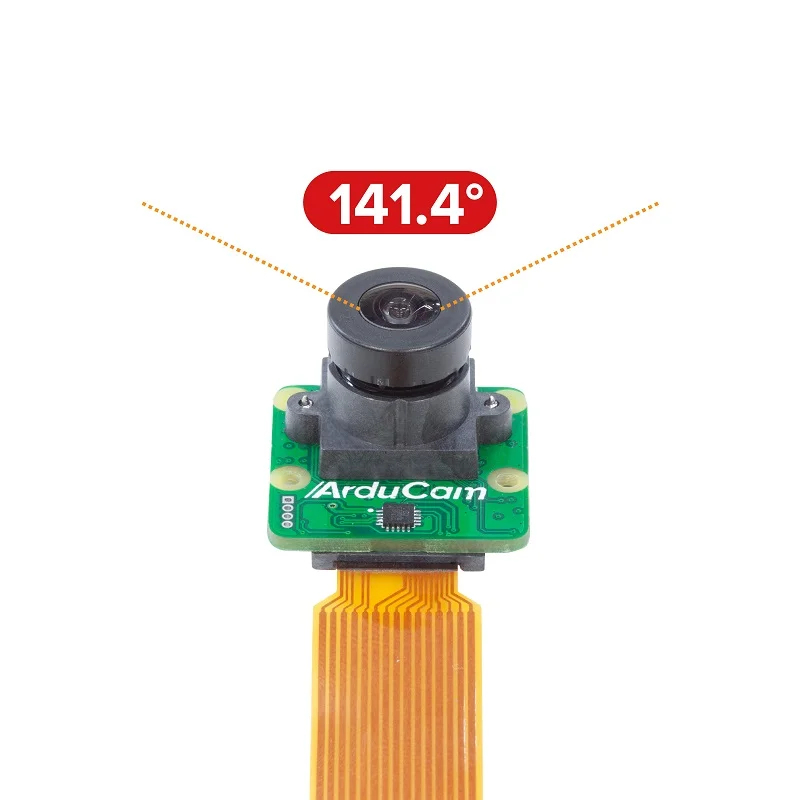
  • Wide-Angle M12 Lens: Features a 141.4°(H) field-of-view manual-focus lens (F2.1, 2.1mm focal length) for expansive scene capture in robotics and monitoring.
  • High-Speed Imaging: Delivers up to 90fps at 720p and 46fps at 1080p, supporting RAW10/12 output and HDR modes for clear, low-noise video.
  • Native Raspberry Pi Integration: Fully compatible with Raspberry Pi 4/3/Zero/CM3/CM4 via the Arducam Pivariety solution, working as a standard V4L2 device.
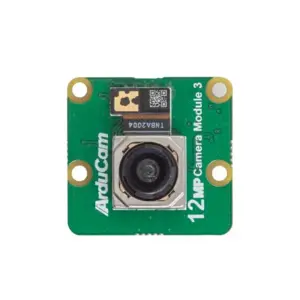
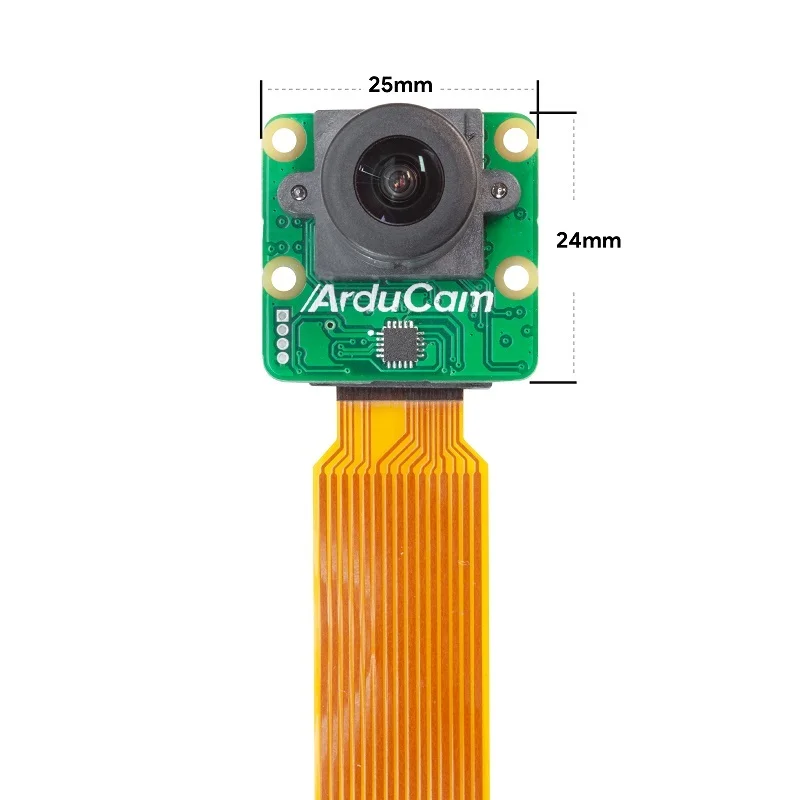
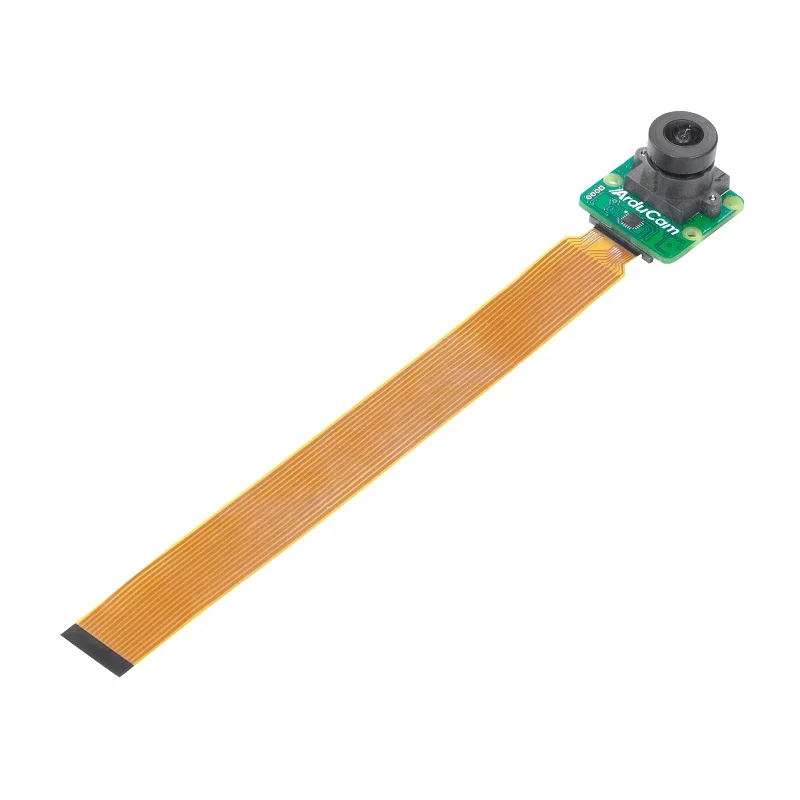
  • Compact & Ready-to-Use: Module measures 25x24mm and includes a 150mm FPC cable for easy connection to Raspberry Pi camera interfaces.

Out of stock

Description

Designed for demanding low-light imaging, this camera module leverages the Sony IMX462 STARVIS CMOS sensor, a 1/2.8-inch optical format with 2.9µm quad-Bayer pixels optimized for high sensitivity and minimal noise. Its integral IR-cut filter ensures accurate color reproduction in visible light, while enhanced NIR sensitivity supports specialized applications like smart traffic and agricultural monitoring. The module outputs RAW10/12 data via a 15/22-pin FPC interface, enabling high-frame-rate capture for dynamic scenes.

The integrated manual-focus M12 lens provides a 161° diagonal field of view, making it suitable for wide-area surveillance, autonomous robots, and astrophotography. Built on Arducam’s Pivariety hardware ISP solution, it delivers a plug-and-play experience identical to official Raspberry Pi cameras, with full driver support in libcamera and Picamera2. This combination of sensor performance, optical design, and seamless Pi compatibility makes it an ideal choice for developers and integrators building vision-based IoT systems.

Key Features

  • STARVIS Ultra-Low-Light Technology: IMX462 sensor captures high-quality images with extremely low noise in near-darkness (approx. 0 lux), enabled by high G-sensitivity and optimized pixel architecture.
  • Enhanced Near-Infrared (NIR) Performance: Delivers approximately 1 NIR sensitivity for improved image quality under special lighting, crucial for smart surveillance, traffic monitoring, and agricultural sensing.
  • High-Frame-Rate Video Capture: Supports up to 90fps at 1280x720 resolution and 46fps at 1920x1080 in still mode, with multiple exposure HDR and digital overlay HDR for superior dynamic range.
  • Arducam Pivariety Hardware ISP: A tuned image signal processor solution that provides official Pi camera functionality as a standard V4L2 device, ensuring broad software compatibility and enhanced performance.
  • Wide-Angle Manual Focus Lens: 141.4° horizontal FOV M12 lens (2G5P construction) with F2.1 aperture and 2.1mm focal length allows flexible focusing for macro shots and low-light scenarios.
  • Quad-Bayer RGB Color Filter Array: Enables high dynamic range and improved color accuracy in challenging lighting conditions, paired with a rolling shutter for efficient image capture.
  • Direct Raspberry Pi Native Support: Fully compatible with libcamera and Picamera2 libraries on Raspberry Pi 4, 3, Zero, CM3, and CM4, requiring no custom driver compilation.

Applications

  • Astrophotography & Low-Light Imaging: Captures detailed celestial objects and scenes in extremely dark conditions.
  • Smart Surveillance & Security Cameras: Provides clear monitoring in near-zero-lux environments for indoor/outdoor security.
  • Industrial & Agricultural Machine Vision: Enables inspection, quality control, and crop monitoring using enhanced NIR sensitivity.
  • Autonomous Mobile Robots (UGV/UAV) & ADAS: Supports navigation and obstacle detection for drones, rovers, and advanced driver-assistance systems.
  • FA (Factory Automation) Cameras: Used for precision assembly line monitoring and automated visual inspection tasks.

Technical Specifications

Image SensorSony IMX462 STARVIS
Resolution2MP (1920x1080 effective pixels)
Optical Size1/2.8 inch (6.46mm diagonal)
Pixel Size2.9µm x 2.9µm
Supported PlatformsRaspberry Pi 4/3/Zero/CM3/CM4
Shutter TypeRolling Shutter
Color Filter ArrayQuad-Bayer RGB
Max Frame Rate90fps @ 1280x720, 46fps @ 1920x1080
Output FormatRAW10, RAW12
Lens MountM12
Focal Length2.1mm ±5%
Aperture (F.NO)F2.1 ±10%
Focus TypeManual Focus
Field of View (FOV)161°(D) x 141.4°(H) x 81.7°(V)
IR SensitivityIntegral IR-cut Filter (visible light only)
Board Dimensions25mm x 24mm

Frequently Asked Questions

How do I connect and configure this IMX462 camera module with my Raspberry Pi?

First, ensure your Raspberry Pi (4/3/Zero/CM3/CM4) is running a recent OS with libcamera enabled. Connect the module's 22-pin FPC cable to the Pi's camera port (note the correct orientation). The included 15-to-22 pin adapter cable makes this compatible. No hardware modifications are needed. Boot the Pi and verify detection using the terminal command 'libcamera-hello --list-cameras'. The camera should appear as a V4L2 device. For programming, use the standard Picamera2 Python library or libcamera command-line tools. The Arducam Pivariety solution ensures it works identically to official Pi cameras.

What software libraries and drivers are required for this Arducam module?

This camera uses Arducam's Pivariety solution, which is natively supported by the libcamera and Picamera2 libraries on Raspberry Pi OS (Bullseye or later). No additional proprietary drivers need to be installed. Ensure your system is updated via 'sudo apt update && sudo apt upgrade'. For Python development, install the picamera2 library using 'pip install picamera2'. The module functions as a standard Video4Linux2 (V4L2) device, so any V4L2-compatible software (like OpenCV) can interface with it using the /dev/video0 device node after enabling the camera interface via 'sudo raspi-config'.

Can this camera capture video in low-light conditions, and what are its frame rate limits?

Yes, the Sony IMX462 STARVIS sensor is specifically designed for ultra-low-light performance, operating effectively in near 0 lux conditions due to its high G-sensitivity (10471 G) and enhanced NIR sensitivity. For video, it supports up to 90 frames per second at 1280x720 (720p) resolution and 46 fps at 1920x1080 (1080p) in still mode. In Full HD 1080p video mode, the maximum frame rate is 30 fps. These high frame rates, combined with support for multiple exposure HDR and digital overlay HDR, provide clear, low-noise video even in challenging lighting environments like nighttime surveillance or astrophotography.

Is the M12 lens interchangeable, and what is its field of view?

Yes, the lens is a standard M12 mount (also known as S-mount), allowing you to swap it with other M12 lenses of different focal lengths or apertures to suit your application. The included lens provides a wide 141.4-degree horizontal field of view (161° diagonal, 81.7° vertical). It has a fixed focal length of 2.1mm (±5%) and an aperture of F2.1 (±10%). The lens features manual focus, which you can adjust by rotating the lens barrel. This is useful for macro photography or fine-tuning focus for specific object distances. Ensure any replacement lens is designed for a 1/2.8-inch sensor format to avoid vignetting.

Package Includes

  • 1 x Arducam 2MP Sony IMX462 Ultra Low Light Camera Module with M12 Lens
  • 1 x 150mm 15pin-to-22pin FPC Cable

Additional Information

Weight 0.013 kg
Dimensions 4 × 4 × 4 cm