SKU: IOWC-0150
📋 GST Invoice Available

HopeRF HM-BT2201L Bluetooth 5.2 Module w/ ARM Cortex-M33

₹269.00 (Inclusive of all taxes)
Out of Stock

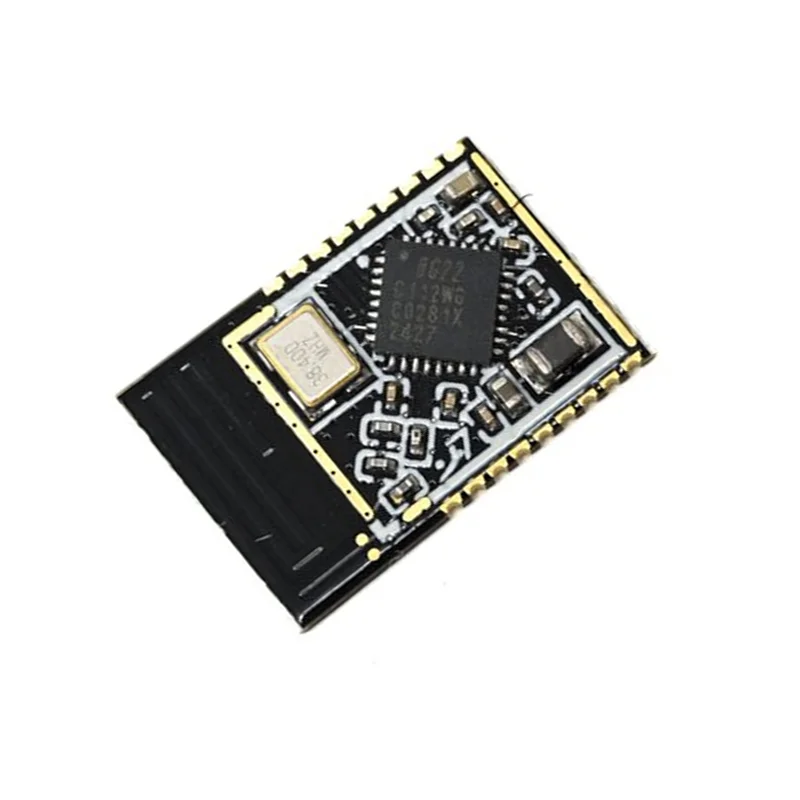
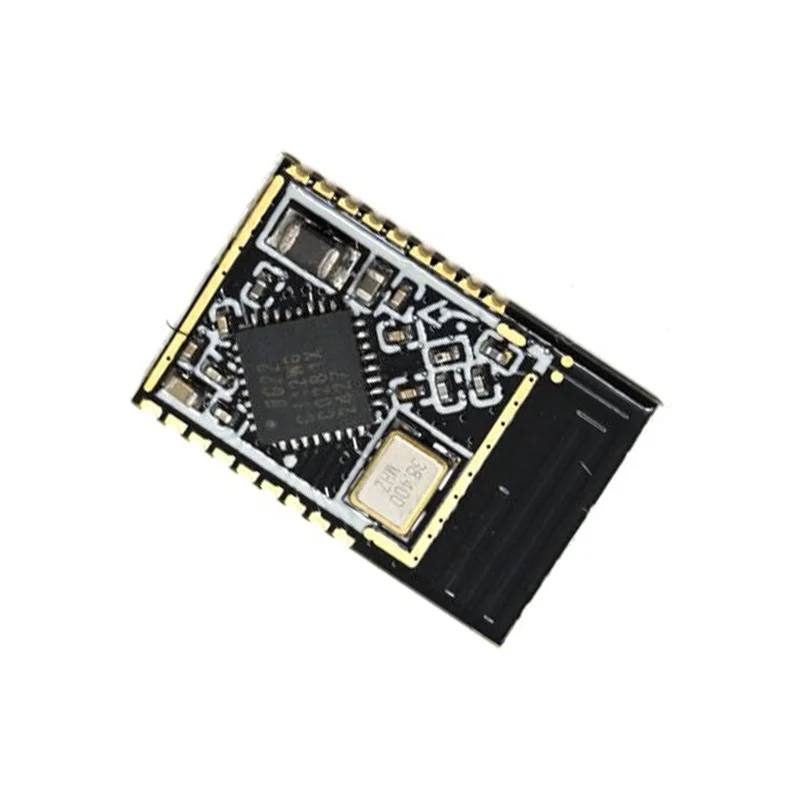
The HopeRF HM-BT2201L is a BLE 5.2 data transmission module based on an ARM Cortex-M33 SoC, featuring an integrated 2.4GHz transceiver and on-board PCB antenna for simplified wireless connectivity between MCUs and mobile devices.

Features

  • BLE 5.2 SoC with ARM Cortex-M33 processor running at up to 76.8MHz for efficient multi-protocol support.
  • Integrated 2.4GHz transceiver with on-board PCB antenna simplifies design and reduces BOM.
  • Ultra-low power operation with 3.6mA receive current and 1.4µA deep sleep (EM2) for battery-powered IoT.
  • High RF sensitivity of -98.9dBm @1Mbps GFSK ensures reliable, long-range Bluetooth connections.
  • Flexible 14 GPIO ports and UART interface enable use as a standalone MCU or simple data passthrough module.

Out of stock

Description

The HopeRF HM-BT2201L is a fully integrated Bluetooth Low Energy 5.2 module designed for rapid deployment in IoT and embedded wireless systems. Its core is a capable ARM Cortex-M33 processor paired with 512KB Flash and 32KB SRAM, providing the headroom to run custom firmware or act as a simple AT command-driven wireless bridge. The module’s integrated 2.4GHz radio and GFSK modulation support the full BLE protocol stack from 4.x to 5.2, ensuring backward compatibility and future-proofing for new Bluetooth features.

Engineered for low-power operation, the HM-BT2201L is ideal for battery-operated sensor nodes and remote controls, with a wide operating voltage of 1.71V to 3.8V. Its power-managed states, including a deep sleep mode drawing just 1.4 microamps, maximize operational life. The module communicates with a host MCU via a simple UART interface using AT commands, significantly reducing development time and host resource overhead for establishing wireless data links to smartphones, tablets, or other BLE masters.

Key Features

  • ARM Cortex-M33 32-bit processor core provides efficient processing for BLE stack and user applications.
  • Full BLE 5.2 compliance ensures support for advanced features like longer range and higher data throughput.
  • On-board PCB antenna eliminates the need for external RF matching and simplifies PCB layout.
  • Comprehensive AT command set allows for easy module configuration, reset, and MAC address retrieval.
  • 14 configurable GPIO pins offer flexibility for driving peripherals, LEDs, or reading sensors when used in standalone MCU mode.
  • Wide operating temperature range (-20°C to +85°C) suits the module for industrial and outdoor environments.
  • Low receive (3.6mA) and transmit (8.2mA @ +6dBm) currents optimize for energy-efficient wireless communication.

Applications

  • Smart home sensor nodes and remote controls for lighting, security, and climate systems.
  • Wearable health and fitness monitors transmitting data to companion smartphone apps.
  • Industrial IoT (IIoT) wireless data loggers and telemetry units for equipment monitoring.
  • Asset tracking beacons and proximity detection systems in warehouses and retail.
  • BLE-to-serial bridge modules for adding wireless connectivity to legacy wired devices.

Technical Specifications

Microcontroller/SoCARM Cortex-M33 (up to 76.8MHz)
Wireless ProtocolsBluetooth Low Energy (BLE 4.x to 5.2)
Frequency Range2402MHz - 2483.5MHz
RF Transmit PowerUp to +6dBm
RF Sensitivity-98.9dBm @ 1Mbps GFSK
Supply Voltage1.71V - 3.8V
Operating Current3.6mA (Receive), 8.2mA (Transmit @ +6dBm)
Sleep Current1.4µA (EM2 Deep Sleep)
InterfacesUART, 14x GPIO
Antenna ConnectorIntegrated PCB Antenna
Operating Temperature-20°C to +85°C
DimensionsApprox. 5cm x 4cm x 1cm

Frequently Asked Questions

How do I communicate with the HM-BT2201L module from my main microcontroller?

Communicate via a UART serial interface using a defined set of AT commands. Connect the module's TX and RX pins to your MCU's UART, typically at a default baud rate of 115200. Send commands like 'AT' for a test, 'AT+RESET' to reboot, or 'AT+MAC?' to retrieve the device's Bluetooth address. The host MCU's resource overhead is minimal as the module handles the entire BLE protocol stack.

What is the power supply requirement and how do I achieve the lowest sleep current?

Supply a voltage between 1.71V and 3.8V to the VCC pin. To achieve the lowest 1.4µA sleep current, you must issue the appropriate AT command to place the module into its EM2 deep sleep mode. Ensure no GPIO pins are sourcing or sinking current during sleep. The module can wake from this state via a hardware reset or a configured wake-up interrupt on a supported GPIO pin.

Can I use the HM-BT2201L as a standalone microcontroller without an external MCU?

Yes, the module's ARM Cortex-M33 core, 512KB Flash, and 32KB RAM allow it to run custom firmware. You would need to develop using the appropriate SDK for the underlying SoC. Its 14 configurable GPIO pins can interface with sensors, buttons, and displays. This mode is more complex than simple AT command use but offers greater system integration and cost reduction.

What is the effective wireless range of this module, and can I use an external antenna?

Range depends on environment, transmit power (configurable up to +6dBm), and sensitivity (-98.9dBm). With the integrated PCB antenna, expect a typical range of 30-50 meters in open space. The module is designed for the on-board antenna; using an external antenna requires modifying the RF layout and matching network, which is not recommended without detailed RF expertise.

Package Includes

  • 1 x HopeRF HM-BT2201L Bluetooth Module

Additional Information

Weight 0.01 kg
Dimensions 4 × 5 × 1 cm