SKU: SBCD-0548
📋 GST Invoice Available

Red Pitaya SDRlab 122-16 Zynq SDR Standard Kit

₹137,689.00 (Inclusive of all taxes)
Out of Stock

The Red Pitaya SDRlab 122-16 Standard Kit is a powerful software-defined radio platform leveraging a Xilinx Zynq 7020 SoC with a dual-core ARM Cortex-A9 CPU and FPGA, designed for demanding RF applications. It features dual 16-bit 122.88 MS/s ADC inputs and dual 14-bit DAC outputs, enabling high-performance signal acquisition and generation across a 300 kHz to 550 MHz RF input range.

Features

  • Xilinx Zynq 7020 SoC with Dual-Core ARM Cortex-A9 and integrated FPGA.
  • Dual 16-bit 122.88 MS/s RF inputs for high-resolution signal acquisition.
  • Dual 14-bit 122.88 MS/s RF outputs for precise signal generation.
  • Optimized for demanding software-defined radio (SDR) and advanced RF applications.
  • Versatile connectivity with Gigabit Ethernet, USB 2.0, and Wi-Fi support (via dongle).

Out of stock

Description

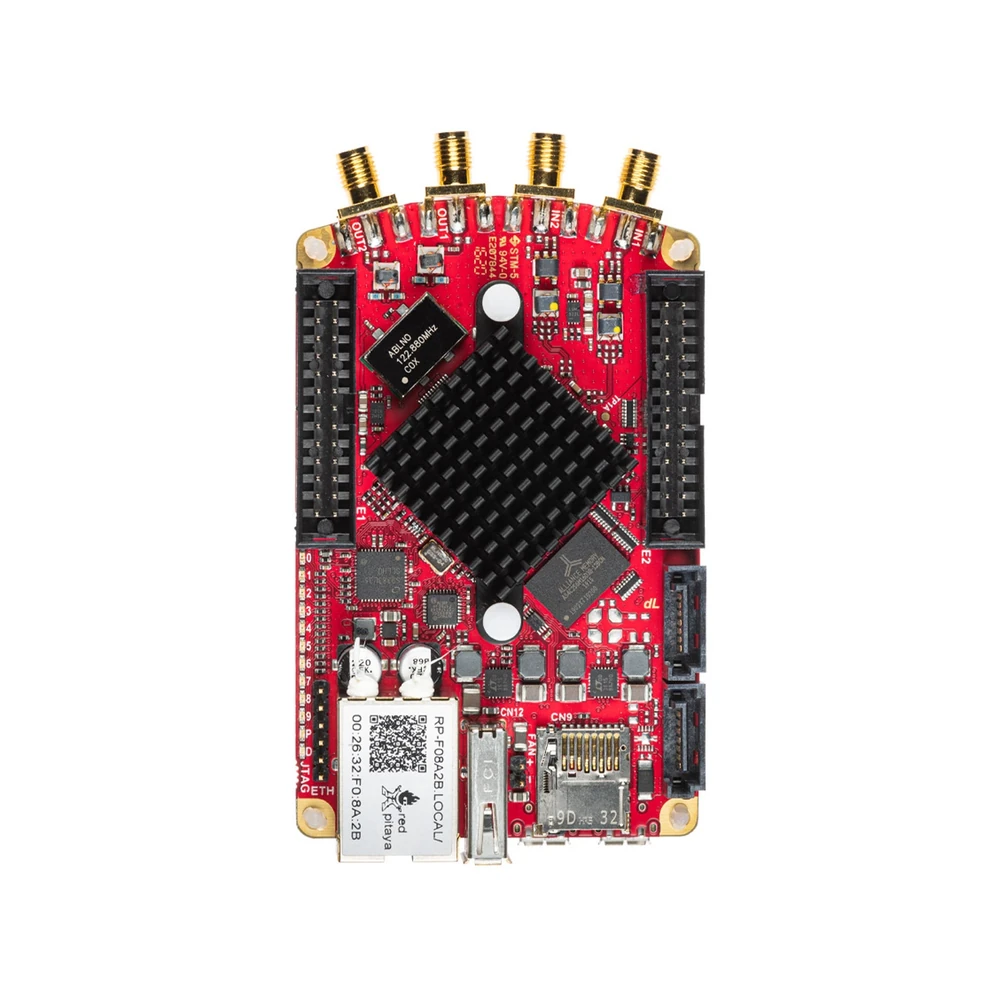
The Red Pitaya SDRlab 122-16 is engineered for advanced software-defined radio and demanding RF applications, offering a high-performance, compact solution. At its core, it integrates a Xilinx Zynq 7020 system-on-chip, combining a dual-core ARM Cortex-A9 processor with a powerful FPGA fabric. This architecture enables real-time processing and offers significant flexibility for custom RF and digital signal processing tasks, making it highly compatible with HPSDR compliant applications due to its ultra-low phase noise 122.88MHz clock.

This platform features two 16-bit 50-ohm analog inputs capable of sampling at 122.88 MS/s, alongside two 14-bit 50-ohm analog outputs. The RF inputs are meticulously optimized to minimize distortion, noise, and crosstalk, thereby significantly enhancing signal reception quality and broadening antenna compatibility. The SDRlab 122-16 provides a robust foundation for developers and enthusiasts to build and deploy custom SDR transceivers and sophisticated RF systems with ease, supported by open-source design principles and extensive connectivity options like Gigabit Ethernet and USB.

Key Features

  • Credit-card-sized RF signal acquisition and generation platform.
  • Dual-Core ARM Cortex-A9 MPCore Xilinx ZYNQ 7020 SoC (CPU & FPGA).
  • FPGA and CPU integration for enhanced real-time processing capabilities.
  • Open-source design for customization and development flexibility.
  • Robust Gigabit Ethernet connectivity.
  • Two simultaneous fast analog inputs (16-bit, 122.88 MS/s) and two outputs (14-bit, 122.88 MS/s).
  • Optimized RF inputs for minimal distortion, noise, and crosstalk.
  • Integrated ultra-low phase noise 122.88MHz clock for HPSDR compatibility.
  • Operates with various operating systems via web browser interface (Linux, Windows, Android, iOS).
  • Supports remote control using C, LabVIEW, MATLAB, Python, or Scilab.
  • Includes free web applications like Oscilloscope, Signal Generator, Spectrum Analyzer, Logic Analyzer, SDR, and VNA.

Applications

  • Software-defined radio (SDR) transceiver development.
  • Reverse Beacon Network (RBN) and Skimmer server implementations.
  • Advanced communications systems.
  • Diversity radio systems.
  • High-frequency (HF) RF applications.
  • Space and military RF applications.
  • FFT analysis and signal measurement.
  • Environmental electromagnetic measurements.
  • Universal test platform for RF prototyping and research.

Technical Specifications

SoCXilinx Zynq 7020 (Dual-Core ARM Cortex-A9 MPCore & FPGA)
RAM512MB (4Gb)
System MemoryMicro SD up to 32GB
Ethernet1 Gbit
USBUSB 2.0
Wi-FiUsing Wi-Fi Dongle
RF Input Channels2
RF Input Sample Rate122.88 MS/s
ADC Resolution16-bit
RF Input Voltage Range0.5 Vpp / -2 dBm
RF Input CouplingAC
RF Input Bandwidth300 kHz – 550 MHz
RF Input Impedance50 Ω
RF Output Channels2
RF Output Sample Rate122.88 MS/s
DAC Resolution14-bit
RF Output Voltage Range±0.5 V / +4 dBm
RF Output Load Impedance50 Ω
RF Output Bandwidth300 kHz – 60 MHz
Digital I/Os16 (via Extension Connector)
Analog Inputs (Ext.)4 Channels (0–3.5V, 12-bit)
Analog Outputs (Ext.)4 Channels (0–1.8V, 12-bit)
Communication InterfacesI2C, SPI, UART (via Extension Connector)
Available Voltages (Ext.)-4V, +3.3V, +5V
Trigger InputThrough Extension Connector
Daisy ChainOver SATA Connection

Frequently Asked Questions

What is the core processing unit of the Red Pitaya SDRlab 122-16?

The SDRlab 122-16 features a Xilinx Zynq 7020 System-on-Chip, which integrates a dual-core ARM Cortex-A9 processor with a powerful FPGA fabric. This combination allows for real-time data processing and flexible hardware acceleration, ideal for complex SDR and RF applications.

What are the key RF specifications for signal acquisition and generation?

It offers two 16-bit RF input channels with a 122.88 MS/s sample rate, operating from 300 kHz to 550 MHz. For output, it provides two 14-bit RF channels, also at 122.88 MS/s, with a bandwidth of 300 kHz to 60 MHz, suitable for precise signal synthesis.

How is the Red Pitaya SDRlab 122-16 powered and connected to other systems?

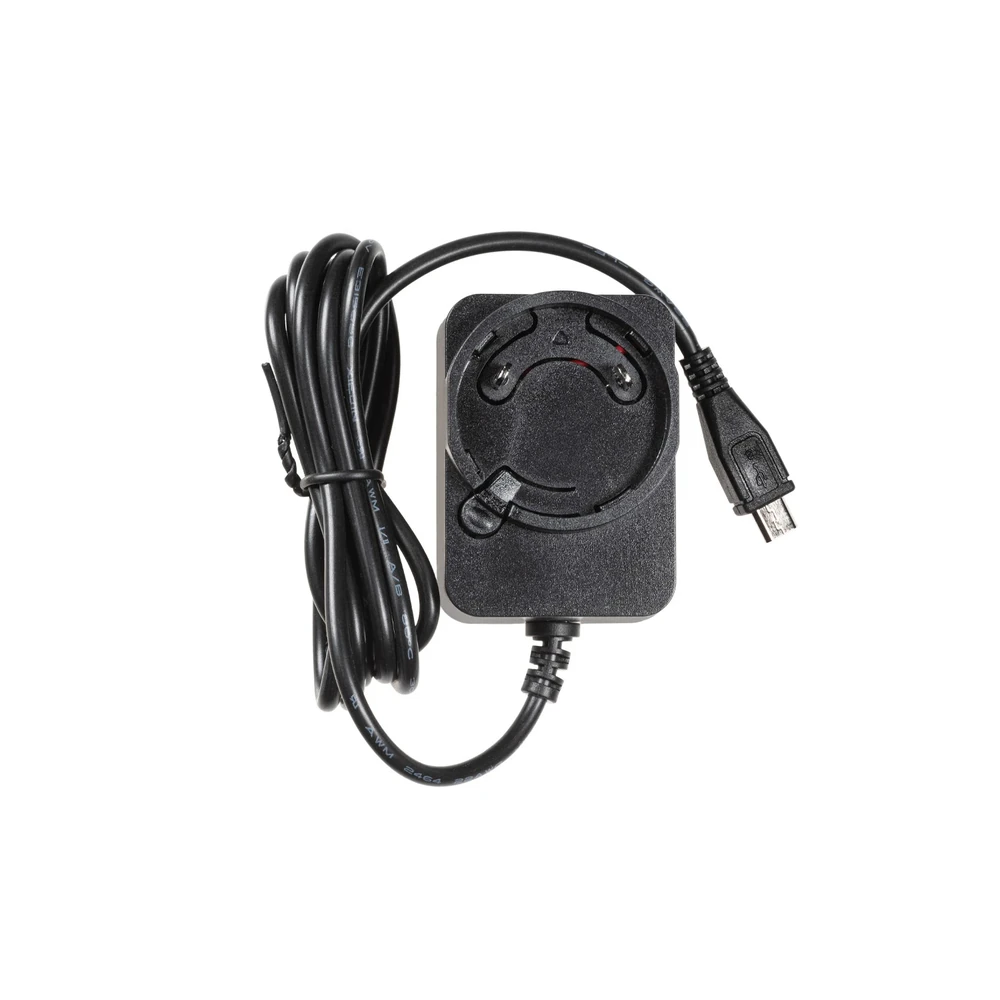
The board is powered by a 5V, 2A supply, included in the kit. Connectivity includes Gigabit Ethernet for high-speed data transfer, USB 2.0, and Wi-Fi via an external dongle. It also has an extension connector for digital I/O, analog I/O, I2C, SPI, and UART interfaces.

Which software tools and operating systems are compatible with this board?

The SDRlab 122-16 runs on Linux and can be controlled remotely from Linux, Windows, Android, or iOS devices through a web browser. It supports programming and control via C, LabVIEW, MATLAB, Python, and Scilab, offering extensive development flexibility for custom applications.

Package Includes

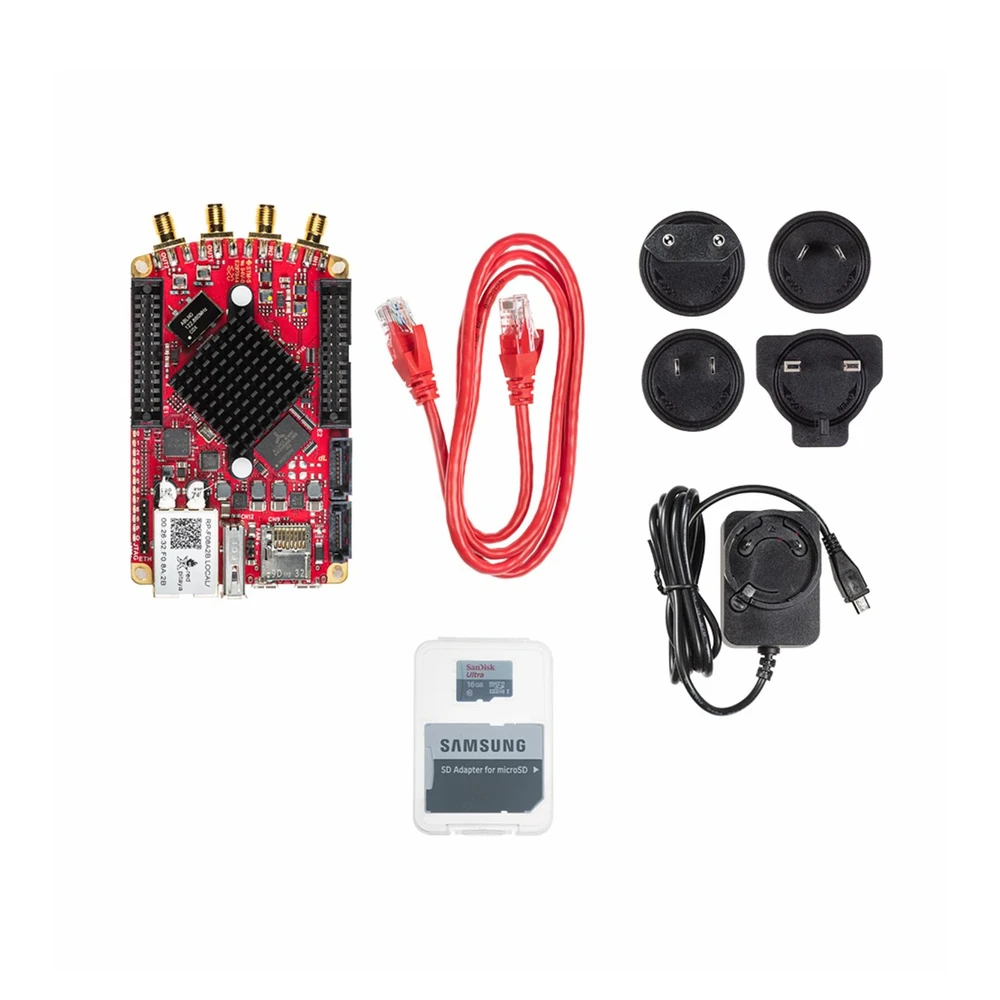
  • 1 x Red Pitaya STEMlab 125-14 Board
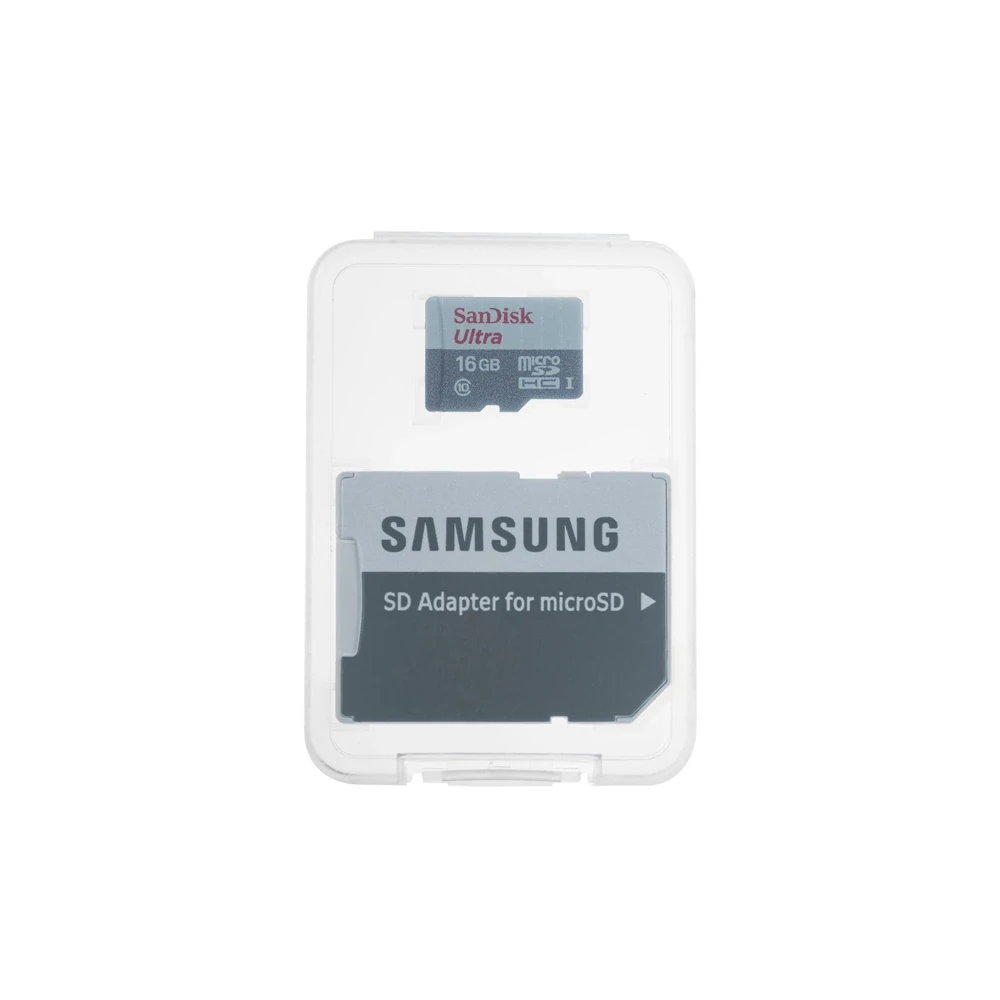
  • 1 x Micro-SD Card (Class 10)
  • 1 x Micro-SD Card Adapter
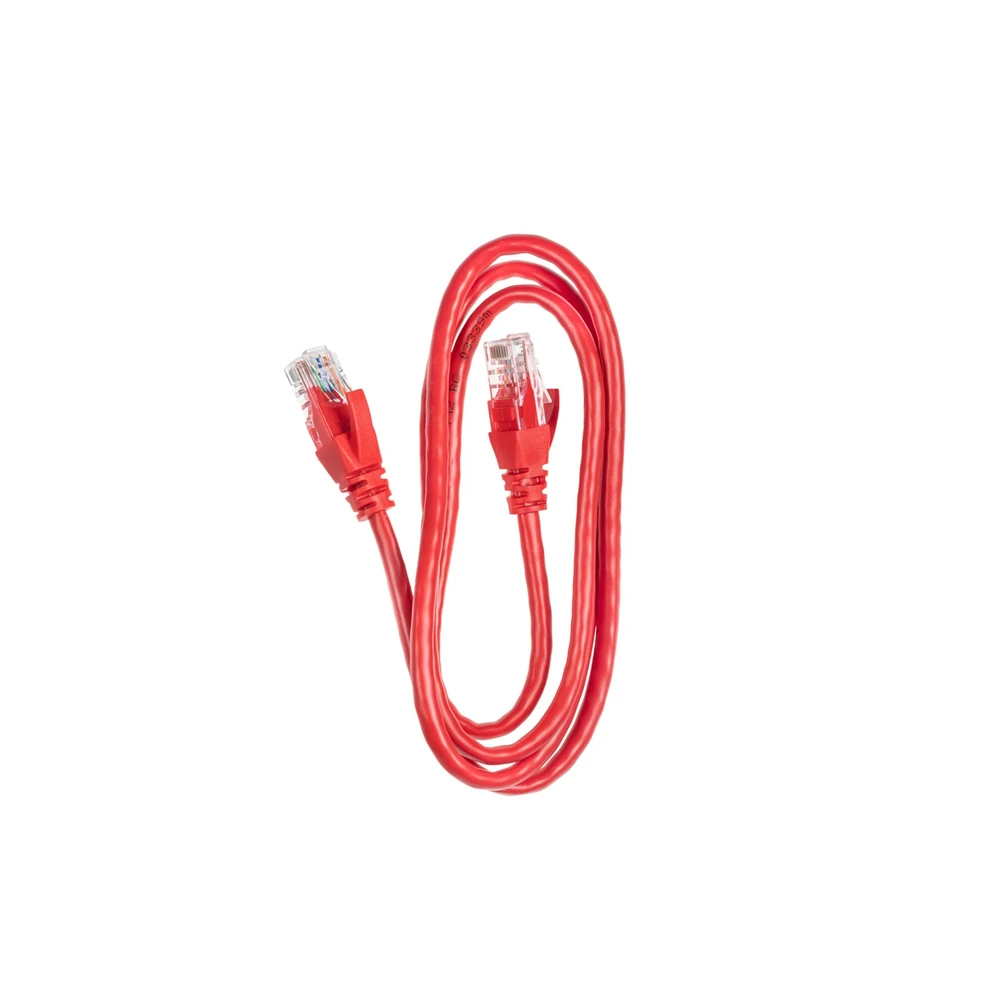
  • 1 x Ethernet Cable (1m)
  • 1 x Power Supply (5V, 2A)
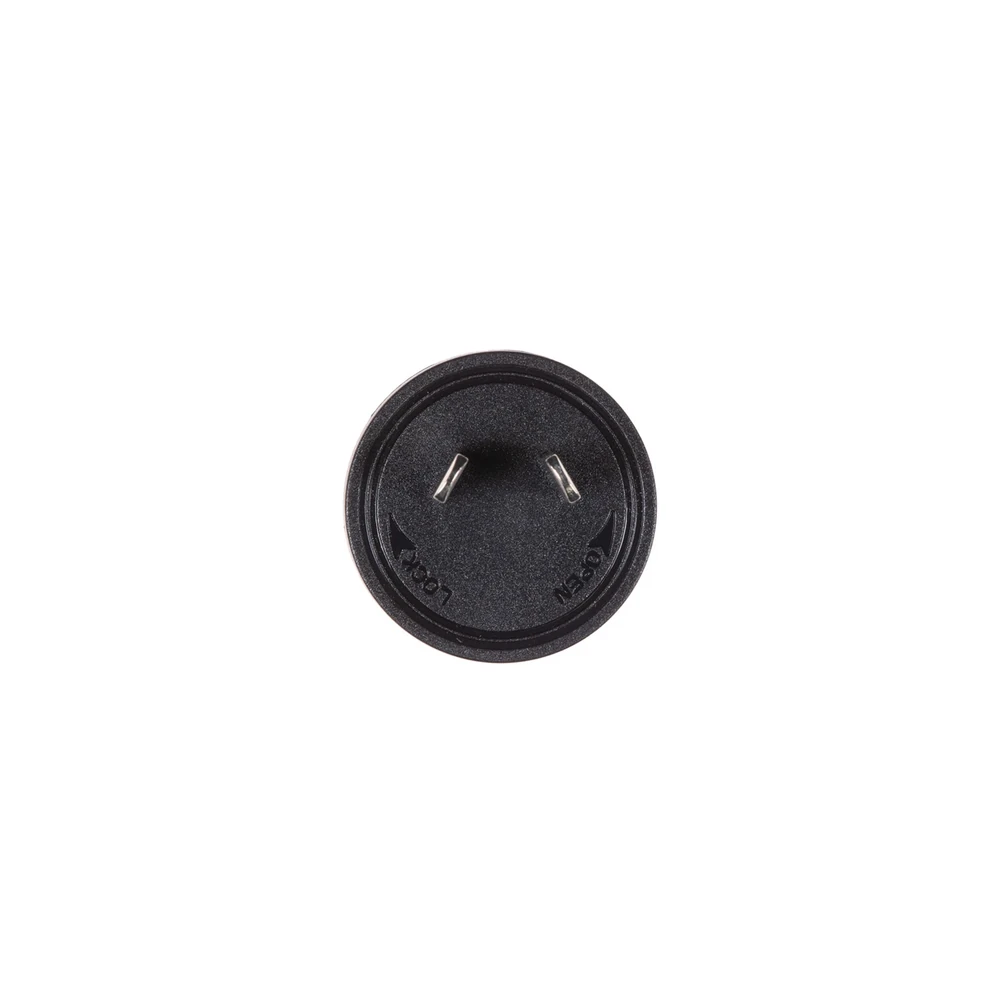
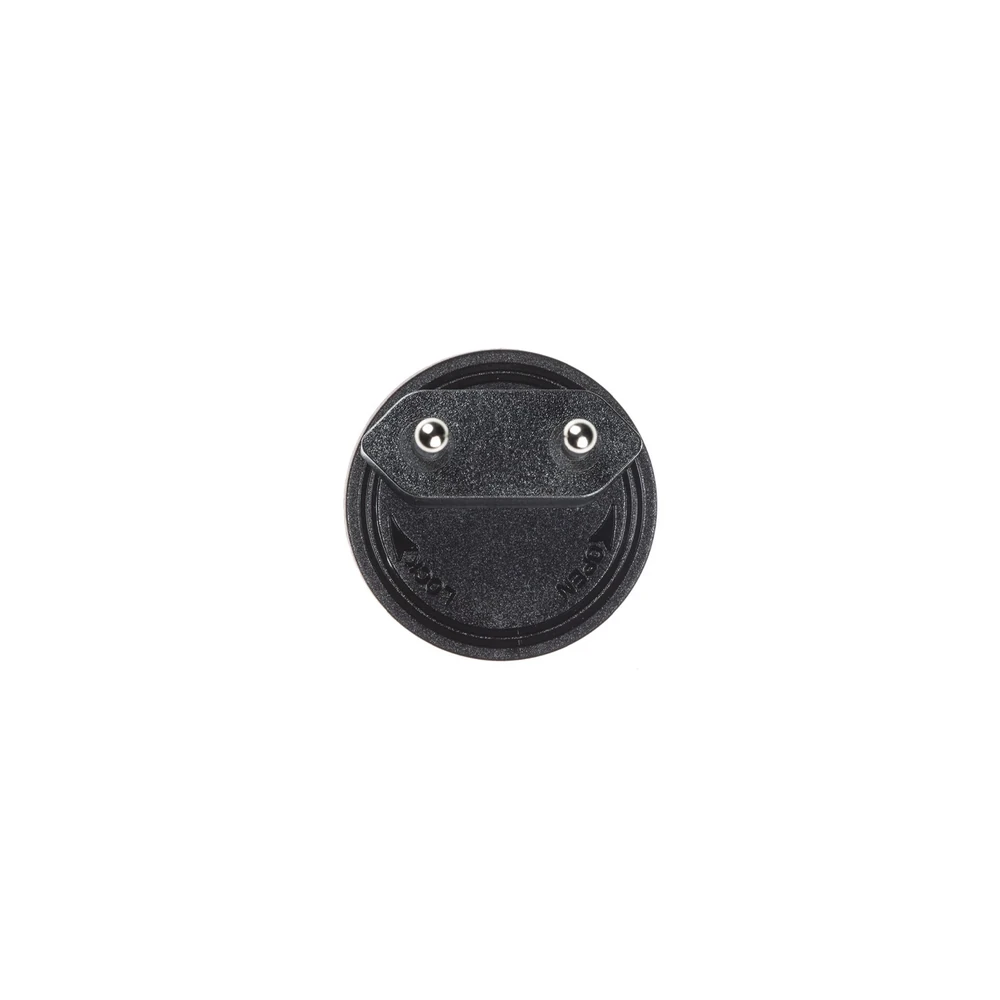
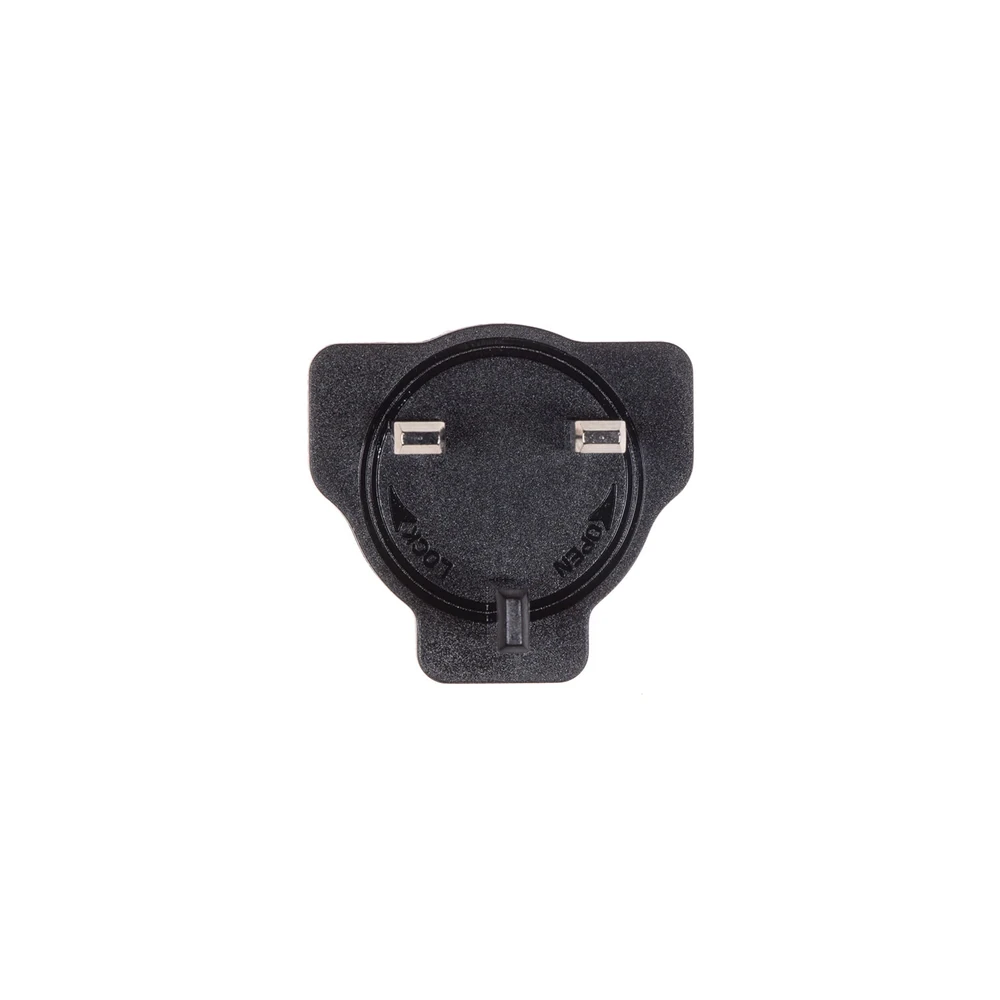
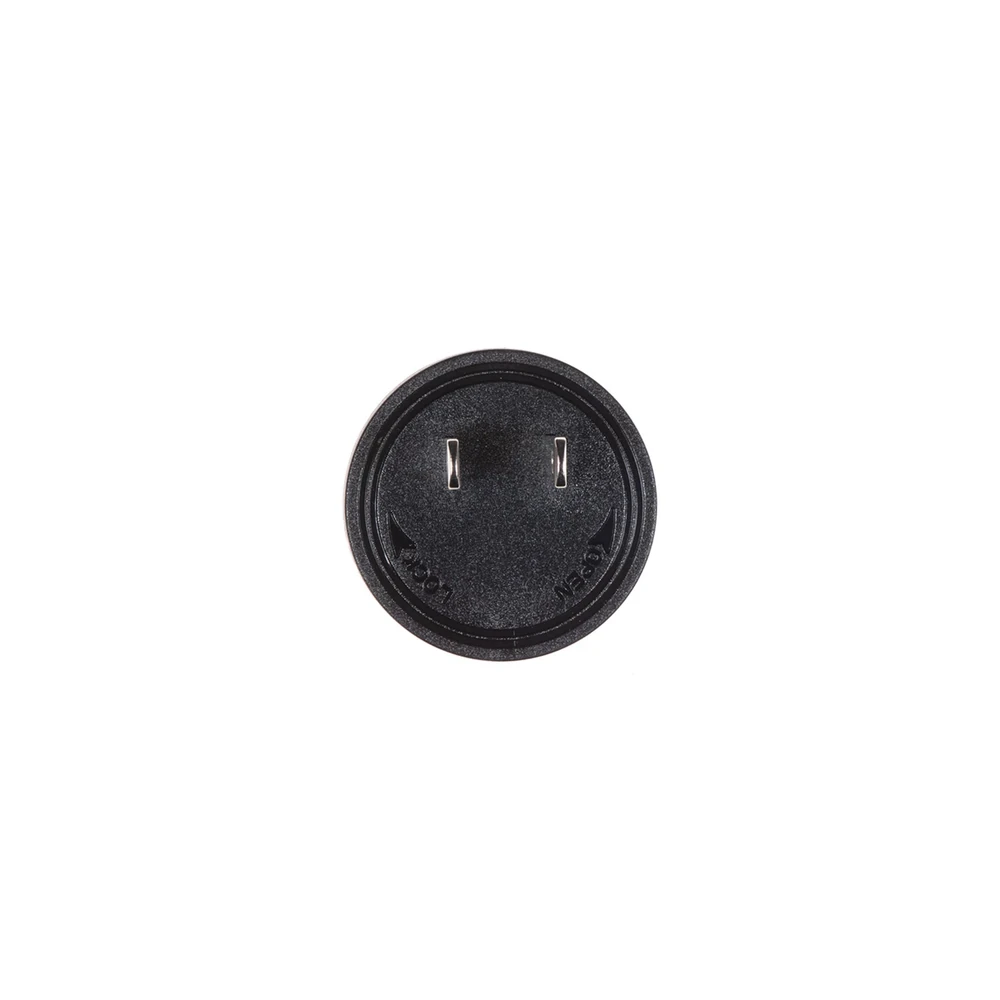
  • 4 x Interchangeable Power Plug Adapters

Additional Information

Weight 0.4 kg
Dimensions 20 × 12 × 7 cm