SKU: IOWC-1408
📋 GST Invoice Available

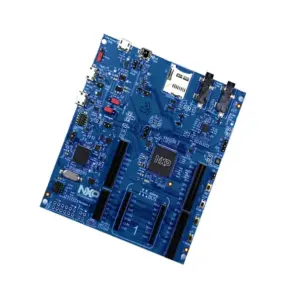
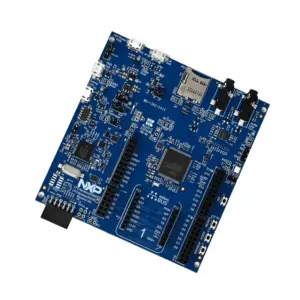
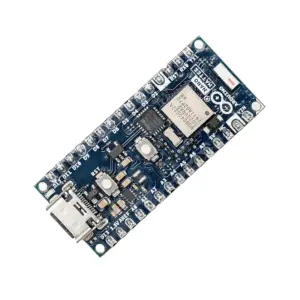
Realtek Ameba RTL8722DM Mini EVB Arduino WiFi Shield

₹1,994.00 (Inclusive of all taxes)
Out of Stock

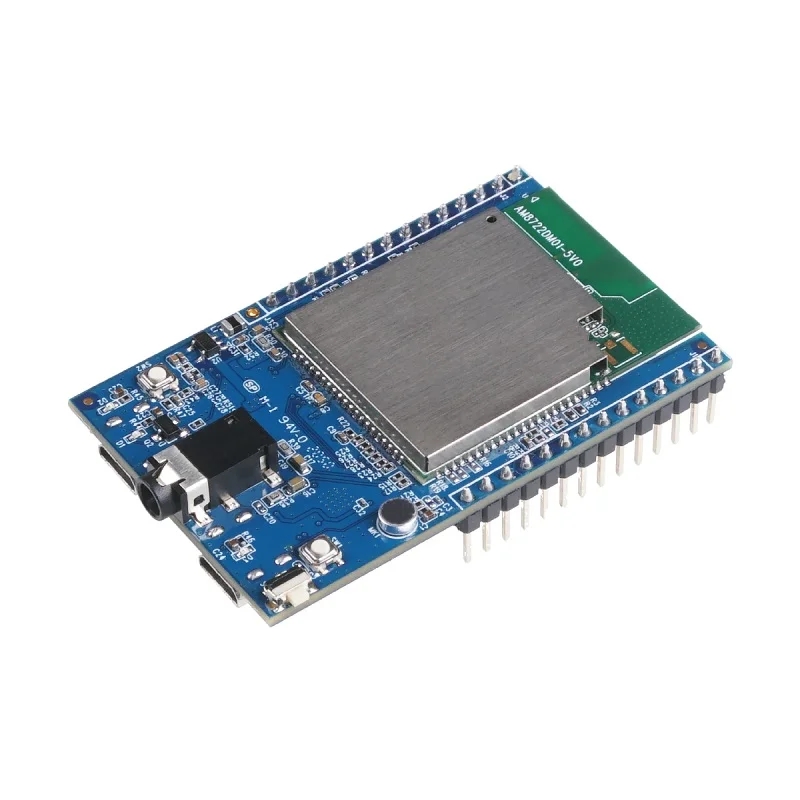
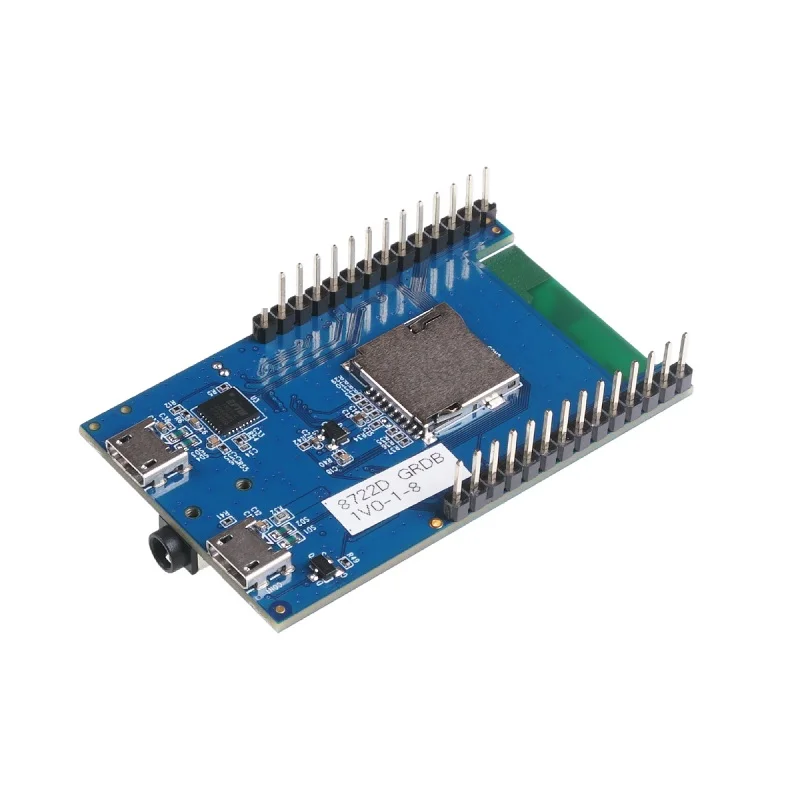
The Realtek Ameba RTL8722DM Mini EVB is a compact Arduino-compatible WiFi shield featuring a dual-core Arm Cortex-M33/M23 SoC with dual-band 2.4/5GHz Wi-Fi and BLE 5.0, 4.5MB SRAM/PSRAM, and rich I/O for AIoT and industrial applications.

Features

  • Dual-Core Arm Cortex-M33/M23 SoC: Combines a high-performance 200MHz Cortex-M33 core with an ultra-low-power 20MHz Cortex-M23 core for efficient IoT task handling.
  • Dual-Band Wi-Fi & BLE 5.0: Supports 2.4GHz and 5GHz 802.11 a/b/g/n Wi-Fi alongside Bluetooth Low Energy 5.0 for versatile wireless connectivity.
  • Arduino IDE Compatible: Fully programmable via the Arduino IDE, allowing for rapid prototyping and development using familiar libraries and examples.
  • Rich I/O & Onboard Peripherals: Features an SD card slot, 3.5mm audio jack, microphone, SPI, PWM, ADC, and up to 23 GPIOs for extensive project expansion.
  • Enhanced Security & Memory: Integrates TrustZone-M security, AES/DES/SHA hardware engine, and 512KB SRAM + 4MB PSRAM for secure, data-intensive applications.

Out of stock

Description

The Ameba RTL8722DM Mini EVB (AMB 23) is a feature-rich development board centered on Realtek’s advanced RTL8722DM System-on-Chip. Designed for next-generation IoT solutions, it pairs a powerful dual-core Arm architecture—a 200MHz Cortex-M33 and a 20MHz Cortex-M23—with integrated dual-band Wi-Fi and BLE 5.0 wireless transceivers. This combination delivers both high processing throughput and ultra-low-power operation, making it ideal for battery-powered smart devices.

Beyond its wireless capabilities, the board is equipped with substantial memory resources, including 4.5MB of combined SRAM and PSRAM, to support complex applications and frameworks like TensorFlow Lite. Its compact form factor retains a comprehensive set of interfaces such as SDIO, USB, audio codec, and numerous configurable GPIOs, enabling direct connection to sensors, displays, and actuators. Full compatibility with the Arduino IDE streamlines firmware development across Windows, Linux, and macOS platforms.

Key Features

  • Dual-core Arm Cortex-M33 (200MHz) and Cortex-M23 (20MHz) architecture for optimized performance and power management.
  • Integrated dual-band 2.4GHz/5GHz Wi-Fi (802.11 a/b/g/n) and Bluetooth Low Energy 5.0 with mesh support.
  • Onboard 4.5MB memory (512KB SRAM + 4MB PSRAM) for handling data-intensive tasks and machine learning models.
  • Comprehensive security suite featuring Arm TrustZone-M, secure boot, and AES/DES/SHA hardware encryption engines.
  • Rich peripheral set includes SD card slot, audio DAC with 3.5mm jack, microphone, SPI, PWM, ADC, and up to 23 GPIOs.
  • Full Arduino IDE support for rapid prototyping using a vast ecosystem of existing libraries and code examples.
  • Ultra-low power consumption design suitable for battery-operated IoT sensors, smart home devices, and portable gadgets.
  • Compact board design (mini EVB) reduces footprint for space-constrained projects and embedded deployments.

Applications

  • Smart Home Automation Hubs and Sensor Nodes
  • Industrial IoT (IIoT) Telemetry and Monitoring Gateways
  • Smart Agriculture Environmental Sensing and Control Systems
  • Wi-Fi Audio Streaming Devices and Voice-Controlled Assistants
  • Portable Gaming Controllers and IoT Toys
  • AIoT Edge Devices running TensorFlow Lite for on-device inference
  • BLE Mesh Networks for Building Automation and Smart Lighting

Technical Specifications

Microcontroller / SoCRealtek RTL8722DM (Dual-core Arm Cortex-M33 @200MHz & Cortex-M23 @20MHz)
Wireless ProtocolsWi-Fi 802.11 a/b/g/n (2.4GHz & 5GHz), Bluetooth Low Energy 5.0 (BLE)
Memory512KB SRAM, 4MB PSRAM
SecurityArm TrustZone-M, Secure Boot, AES/DES/SHA Hardware Engine
InterfacesSDIO, USB, SPI, PCM (Audio), 7x ADC, 9x PWM, up to 23x GPIO, Key-scan/Touch
Onboard PeripheralsSD Card Slot, 3.5mm Audio Jack, Microphone
Development PlatformArduino IDE, Compatible with Windows, Linux, macOS
Operating VoltageTypical 3.3V (via Arduino shield headers)
Dimensions (Shipping)6cm x 4cm x 2cm
Weight (Shipping)0.02 kg

Frequently Asked Questions

How do I program the Ameba RTL8722DM Mini board using the Arduino IDE?

First, install the Arduino IDE and add the Ameba board support package via the Boards Manager using the provided JSON URL. Select 'Ameba RTL8722DM (AMB 23)' as your board. Connect the Mini EVB to your computer via its USB port—it enumerates as a serial COM port. You can then open, modify, and upload standard Arduino sketches. Ensure you have the correct COM port selected and install any necessary driver packages for your operating system (Windows, Linux, or macOS) to establish a stable connection for code deployment.

What are the power requirements and typical operating current for this board?

The board is designed to operate at a standard 3.3V supply, typically provided through the Arduino shield headers from a host board or a regulated external source. The dual-core architecture allows the high-performance Cortex-M33 core to be active during intensive tasks while the ultra-low-power Cortex-M23 handles background operations, optimizing overall current consumption. For precise power planning, refer to the RTL8722DM datasheet for active, sleep, and deep sleep mode current specifications, which are crucial for designing battery-powered IoT sensor nodes and remote monitoring devices.

Can I use both the 2.4GHz and 5GHz Wi-Fi bands simultaneously?

The RTL8722DM SoC supports dual-band 802.11 a/b/g/n operation, meaning it can connect to networks on either the 2.4GHz or 5GHz frequency bands. However, as a single-radio (1x1) transceiver, it operates on one band at a time and does not support concurrent dual-band transmission. You can programmatically select the preferred band based on network availability, range requirements, or interference levels. The BLE 5.0 radio operates independently on the 2.4GHz ISM band, allowing for simultaneous Wi-Fi and Bluetooth Low Energy connectivity in your IoT application.

How do I access the onboard SD card slot and audio jack for my project?

The SD card slot is connected via the SDIO interface. Use the standard Arduino SD library or Ameba-specific file system libraries to read from and write to the card after initializing the interface with the correct chip-select pin. The audio DAC and 3.5mm jack are managed through the integrated PCM interface and audio codec. You will need to utilize the Ameba audio API libraries to play audio files from the SD card or stream audio over Wi-Fi. Example sketches provided in the board support package demonstrate basic usage for both storage and audio playback functionalities.

Package Includes

  • 1 x Ameba RTL8722DM mini EVB Arduino WiFi Shield

Additional Information

Weight 0.02 kg
Dimensions 4 × 6 × 2 cm