SKU: SENS-3121
📋 GST Invoice Available

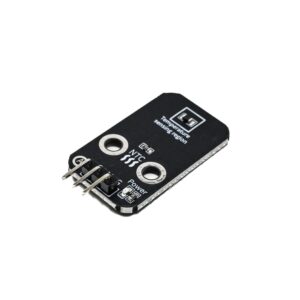
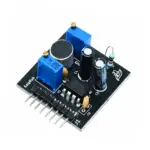
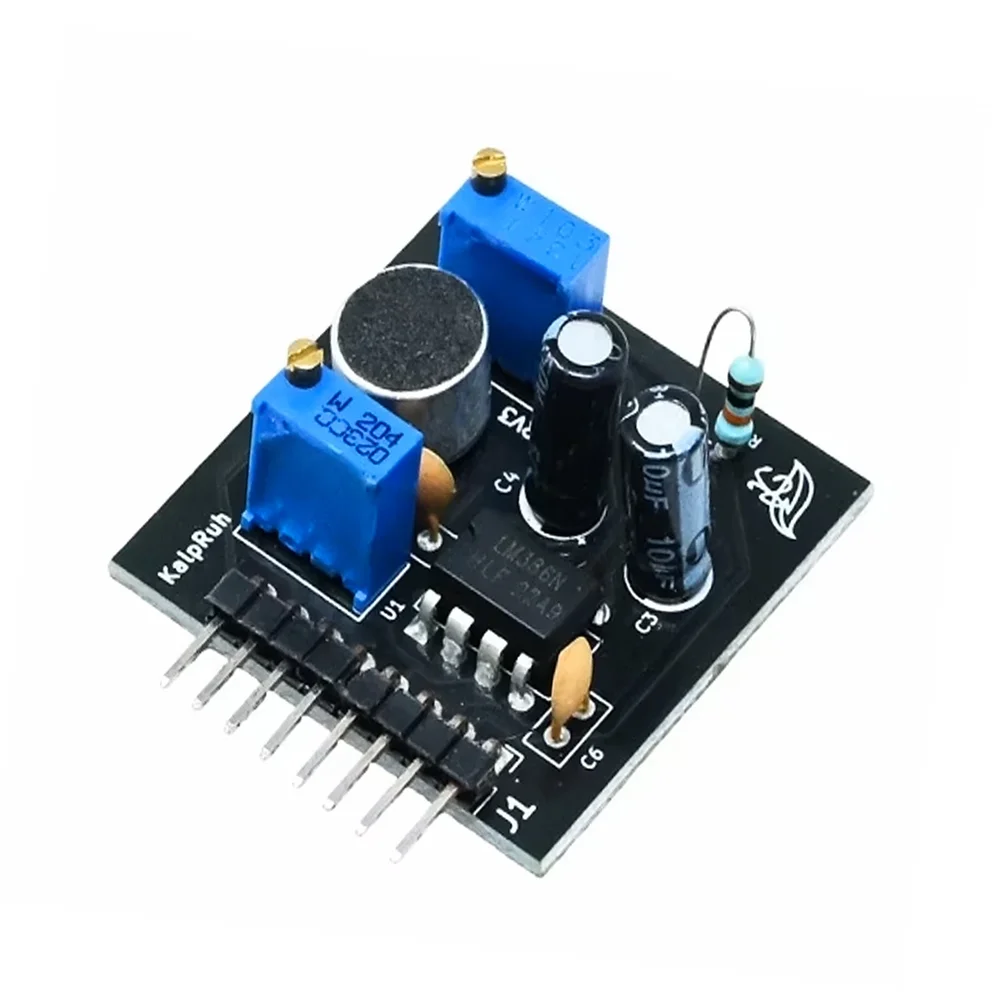
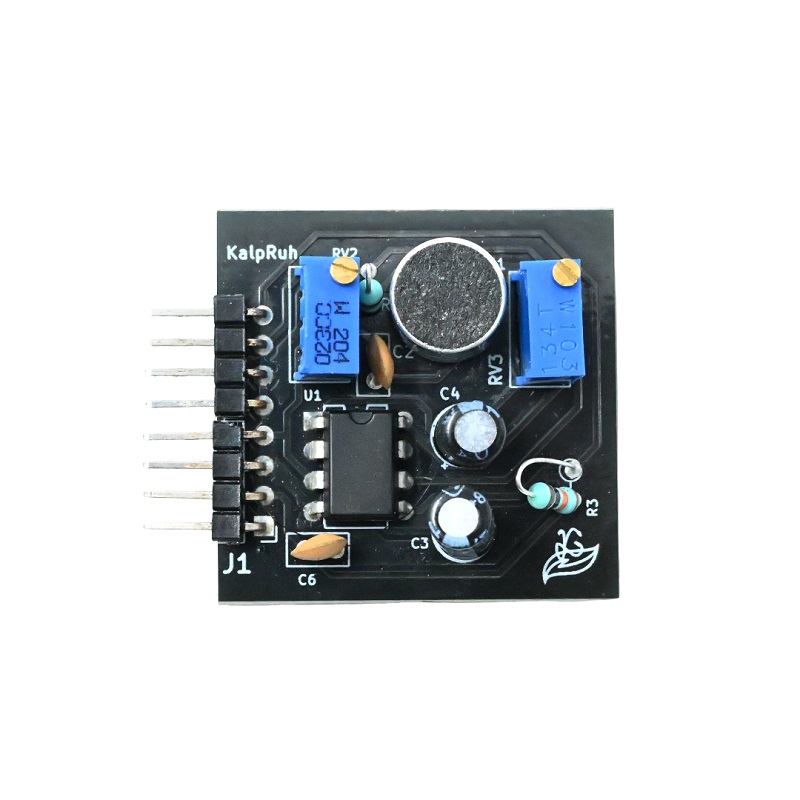
Kaush Sound Sensor Module - LM386 Amplifier, 4-12V DC

₹229.00 (Inclusive of all taxes)
Out of Stock

The Kaush Sound Sensor Module is a high-sensitivity audio detection unit featuring an integrated LM386 amplifier with up to 200x gain, designed for easy integration with Arduino, Raspberry Pi, and other 3.3V/5V microcontroller platforms for sound recording, audio-reactive systems, and environmental analysis.

Features

  • Integrated LM386 amplifier with up to 200x signal gain
  • Dual output options: filtered and unfiltered audio signals
  • Fine and coarse sensitivity adjustment potentiometers
  • Wide operating voltage range from 4V to 12V DC
  • Compact PCB design for easy DIY and robotics integration

Out of stock

Description

The Kaush Sound Sensor Module is engineered for precise audio detection within the human audible frequency spectrum. Its core component is the LM386 low-voltage audio power amplifier, which provides significant signal amplification directly on the module, eliminating the need for external pre-amplification stages. This design ensures robust signal conditioning suitable for capturing subtle audio variations.

The module offers dual analog outputs, providing both a raw, unfiltered signal and a filtered signal for cleaner audio input to microcontrollers or data acquisition systems. Independent fine and coarse adjustment potentiometers allow users to precisely tailor the sensor’s sensitivity and gain to match specific acoustic environments, from quiet labs to noisy industrial settings, without requiring external calibration.

Key Features

  • Onboard LM386N-series audio power amplifier with configurable gain up to 200
  • Dedicated potentiometers for coarse (sensitivity) and fine (gain) audio level adjustment
  • Wide 4V to 12V DC operating range compatible with 5V and 3.3V logic systems
  • Dual-output architecture: direct (unfiltered) and filtered audio signal paths
  • Compact, solderless PCB design with standard 2.54mm pin headers for rapid prototyping
  • Optimized for human-audible frequency detection in research and interactive applications

Applications

  • Audio-reactive lighting and interactive art installations
  • Sound level monitoring and environmental noise analysis systems
  • Voice activation and clap detection for DIY smart home projects
  • Robotics for sound-based navigation or object detection
  • Educational platforms for teaching analog signal processing and acoustics

Technical Specifications

Power Supply Voltage4V to 12V DC
Amplifier ICLM386N Series
Maximum GainUp to 200
Output SignalsFiltered & Unfiltered Audio (Analog)
Adjustment ControlsFine & Coarse Sensitivity Potentiometers
Detection RangeHuman Audible Frequencies (approx. 20 Hz - 20 kHz)
Module Dimensions (L x W)40 mm x 33.5 mm
Module Weight8 g

Frequently Asked Questions

What is the operating voltage range for the Kaush Sound Sensor?

The module operates from 4V to 12V DC, making it directly compatible with common 5V Arduino boards and 3.3V Raspberry Pi systems (using a logic level shifter if necessary for the Pi's GPIO). Always ensure your power supply is within this range to prevent damage to the onboard LM386 amplifier.

How do the fine and coarse adjustment potentiometers work?

The coarse adjustment potentiometer sets the overall sensitivity threshold of the sensor, determining the minimum sound level required to trigger a significant output change. The fine adjustment potentiometer controls the gain of the LM386 amplifier, allowing you to fine-tune the amplitude of the output signal for optimal ADC reading on your microcontroller.

What is the difference between the filtered and unfiltered outputs?

The unfiltered output provides the raw, amplified audio signal directly from the LM386, which includes the full frequency spectrum and any inherent noise. The filtered output passes the signal through an additional RC low-pass filter network, smoothing the signal and reducing high-frequency noise, which is preferable for applications like sound level averaging or triggering.

Can this sensor detect specific frequencies or just sound presence?

This is a general-purpose audio amplitude sensor. It detects changes in sound pressure level across the human-audible frequency range but does not perform frequency analysis or filtering on its own. For frequency-specific detection (e.g., detecting a particular tone), the output signal must be processed by a microcontroller using an FFT library or digital filtering algorithms.

Package Includes

  • 1 x Kaush Sound Sensor Module

Additional Information

Weight 0.008 kg
Dimensions 4 × 3.35 cm