SKU: SBCD-0298
📋 GST Invoice Available

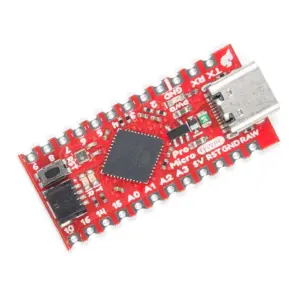
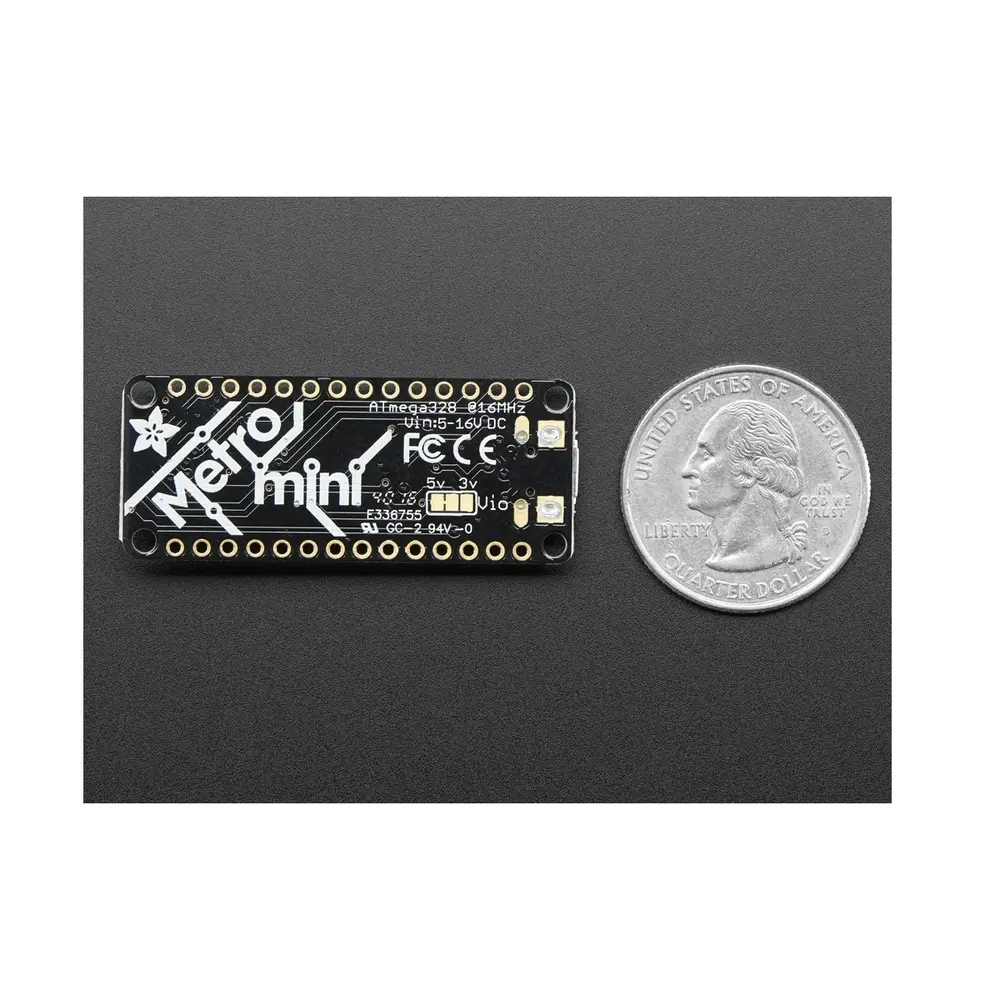
Adafruit Metro Mini 328 - 5V 16MHz (Arduino-Compatible)

₹1,444.00 (Inclusive of all taxes)
Out of Stock

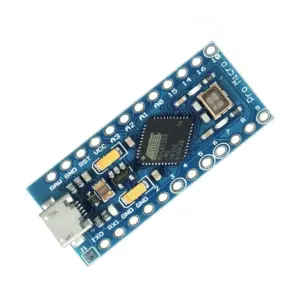
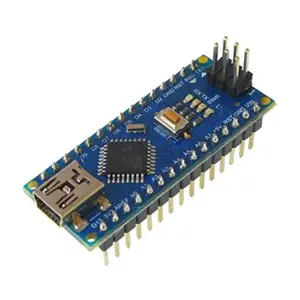
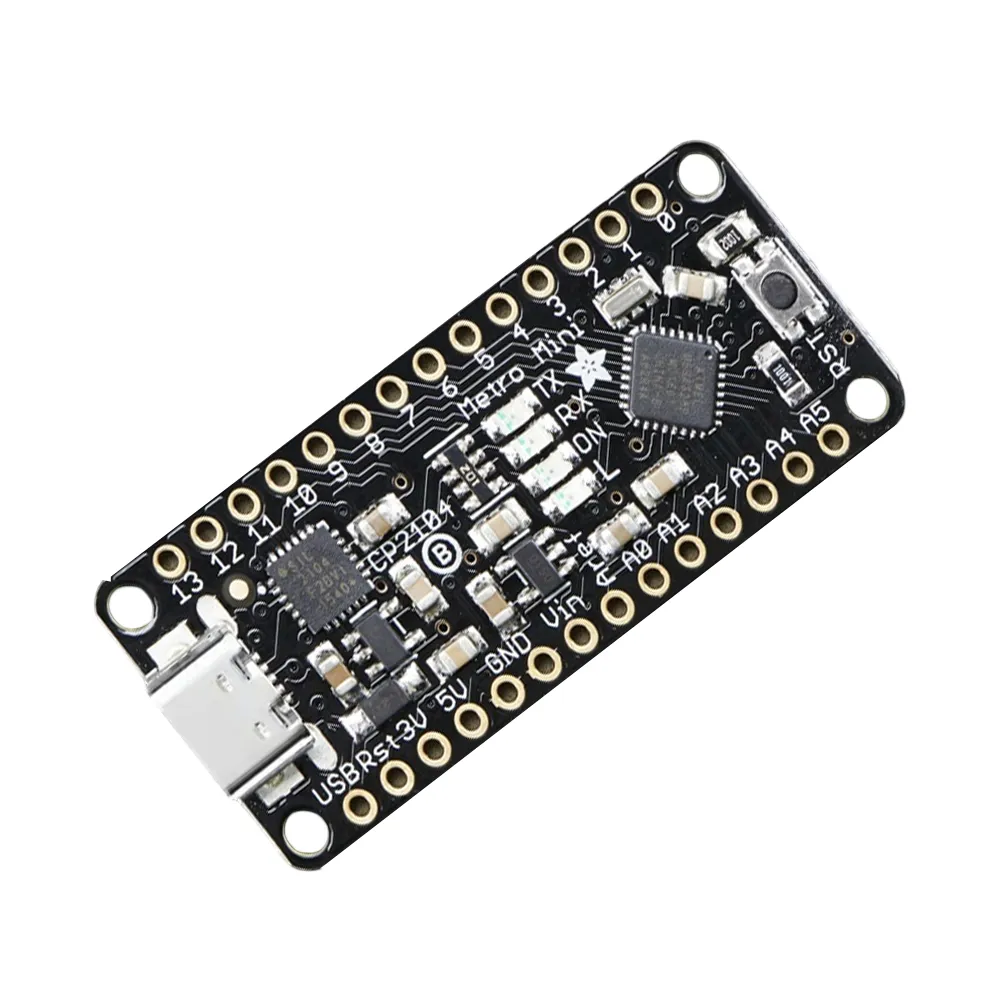
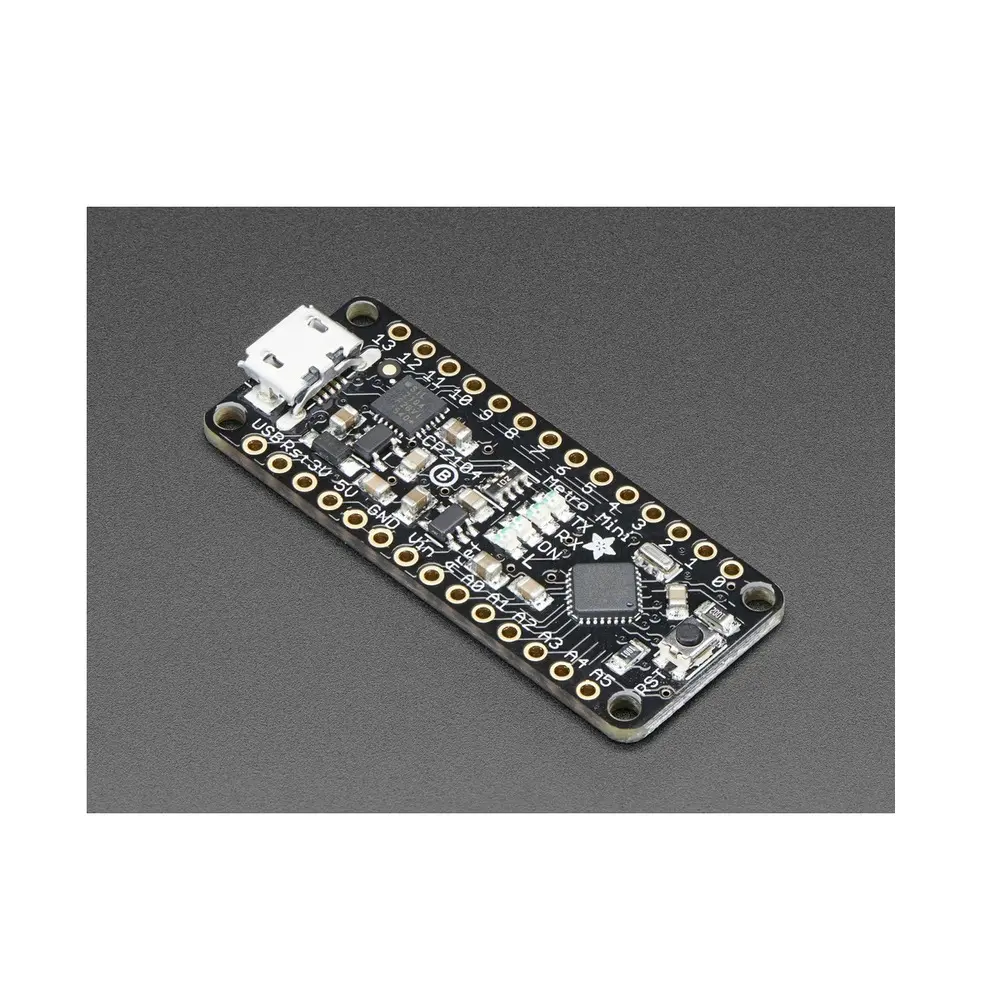
The Adafruit Metro Mini 328 is a compact, breadboard-friendly development board fully compatible with the Arduino IDE. Featuring an ATmega328 microcontroller clocked at 16MHz with 32KB Flash, it offers 5V logic operation with an optional 3.3V conversion for versatile project integration.

Features

  • ATmega328 microcontroller clocked at 16MHz with 32KB Flash
  • Seamlessly programmable with Arduino IDE (select ‘UNO’ board)
  • Integrated FTDI USB-to-Serial converter for easy programming and debugging
  • Flexible 5V logic operation, with jumper-configurable 3.3V logic

Out of stock

Description

The Adafruit Metro Mini 328 serves as a robust and compact development board for a wide array of embedded projects. Built around the popular ATmega328 microcontroller, it offers 32KB of flash memory (with 0.5KB reserved for the bootloader), 2KB of RAM, and operates at a 16MHz clock speed. Its design focuses on ease of use and hacker-friendliness, making it an ideal choice for transitioning from larger Arduino boards to a more space-conscious solution while retaining full Arduino IDE compatibility (selecting ‘UNO’ as the board).

This board provides 20 versatile GPIO pins, including 6 analog inputs and 6 PWM outputs across three timers (one 16-bit, two 8-bit). For communication, it integrates hardware SPI, I2C, and UART capabilities. Powering the Metro Mini is flexible, accepting 6-16V via the Vin pin or 5V directly through its micro USB connector. While its default logic level is 5V, a simple solder jumper modification allows for conversion to 3.3V logic, enhancing its compatibility with various sensors and peripherals.

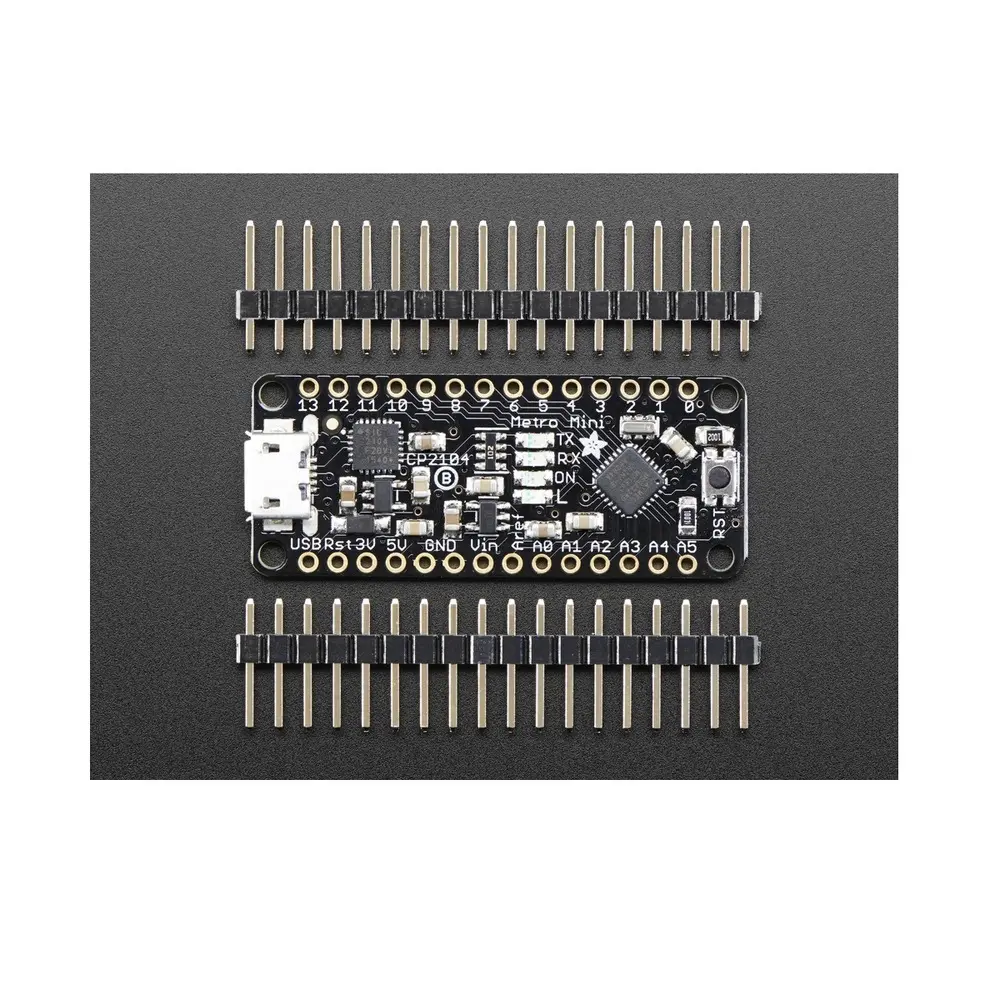
Equipped with a genuine FTDI hardware USB-to-Serial converter, the Metro Mini enables reliable communication, programming, and debugging via any computer. Four onboard indicator LEDs (power, RX/TX, and pin 13) aid in visual debugging. It comes pre-loaded with the Optiboot bootloader for straightforward reprogramming. The board is fully assembled and tested, including a stick of 0.1″ headers for optional soldering, allowing integration into breadboards or custom PCBs. Note that the USB connector may be either micro USB or Type-C, supplied randomly.

Key Features

  • Powered by the ATmega328 microcontroller operating at 16MHz
  • 32KB Flash memory (31.5KB user available) and 2KB SRAM
  • Full compatibility with Arduino IDE (select 'UNO' board)
  • Integrated FTDI hardware USB-to-Serial converter for reliable communication
  • Flexible power input: 6-16V via Vin or 5V via micro USB port
  • Default 5V logic level, user-configurable to 3.3V via solder jumper
  • 20 GPIO pins, including 6 analog inputs and 6 PWM outputs
  • Hardware SPI, I2C, and UART interfaces for peripheral connectivity
  • Four indicator LEDs for power, RX/TX activity, and pin 13 status
  • Pre-loaded with Optiboot bootloader for easy code updates

Applications

  • General-purpose embedded control and automation
  • Sensor data acquisition and processing
  • Rapid prototyping for IoT and electronics projects
  • Educational robotics and mechatronics
  • Low-power industrial monitoring applications

Technical Specifications

Item TypeDevelopment Board
Board TypeMetro Mini
Chip TypeATmega328
Clock Speed16 MHz
Flash Memory32KB (0.5KB for bootloader)
SRAM2KB
Digital I/O Pins20 (6 Analog In, 6 PWM)
Logic Level5V (3.3V selectable)
Input Voltage (Vin)6-16V DC (9V recommended)
Onboard Regulator5V @ 150mA (3.3V @ 50mA via FTDI chip)
USB ConnectorMicro USB (Type-C variant possible)
Dimensions (L x W x H)44mm x 18mm x 4mm

Frequently Asked Questions

What microcontroller powers the Adafruit Metro Mini 328?

It is driven by the ATmega328P microcontroller, featuring 32KB of flash memory (0.5KB reserved for the Optiboot bootloader) and 2KB of SRAM. This chip operates at a 16MHz clock speed, making it suitable for a wide range of embedded applications requiring robust performance and ample memory.

How is the Metro Mini 328 programmed, and what software tools are supported?

The Metro Mini 328 is fully compatible with the Arduino IDE. Users should select 'Arduino UNO' from the boards manager for programming. It comes pre-loaded with the Optiboot bootloader, allowing for easy code uploads via its integrated FTDI USB-to-Serial converter, ensuring a streamlined development workflow.

What are the power requirements and logic level flexibility of this board?

The board can be powered via its micro USB port (5V) or the Vin pin with a 6-16V DC supply (9V recommended). Its default logic level is 5V, but it can be configured for 3.3V operation by cutting and soldering a jumper on the PCB, offering adaptability for various sensor and peripheral interfaces.

What I/O interfaces does the Metro Mini 328 provide?

It offers 20 GPIO pins, including 6 analog input pins and 6 PWM outputs distributed across three timers (one 16-bit, two 8-bit). Additionally, it integrates hardware SPI, I2C, and UART interfaces, supporting diverse communication protocols for connecting external modules and sensors.

Package Includes

  • 1 x Adafruit Metro Mini 328
  • 1 x 0.1″ Header Stick

Additional Information

Weight 0.003 kg
Dimensions 4.4 × 1.8 × 0.4 cm