SKU: SENS-2915
📋 GST Invoice Available

DFRobot Turbidity Sensor Module - Non-contact Optical UART Output for Arduino

₹1,259.00 (Inclusive of all taxes)
Out of Stock

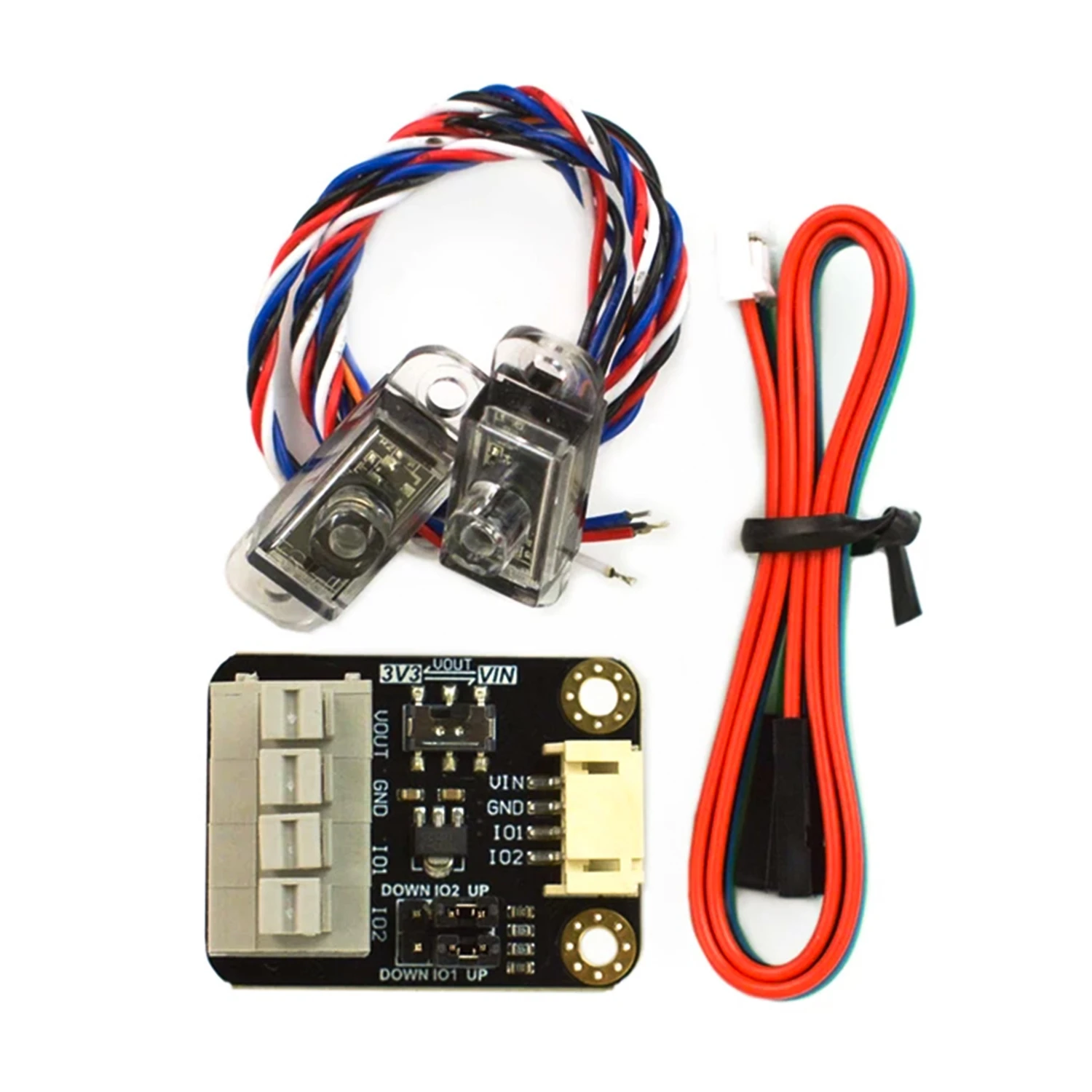
The DFRobot Turbidity Sensor is a non-contact optical sensor designed for Arduino and microcontroller systems, providing UART output to measure water quality by detecting light scattering in transparent containers with 40–50mm diameters.

Features

  • Non-contact optical sensing principle prevents sensor corrosion and contamination.
  • TTL UART serial output (9600 bps) for stable, digital data communication.
  • Designed for transparent cylindrical containers with 40–50mm outer diameters.
  • Low power operation at 5V DC with less than 10mA current draw.
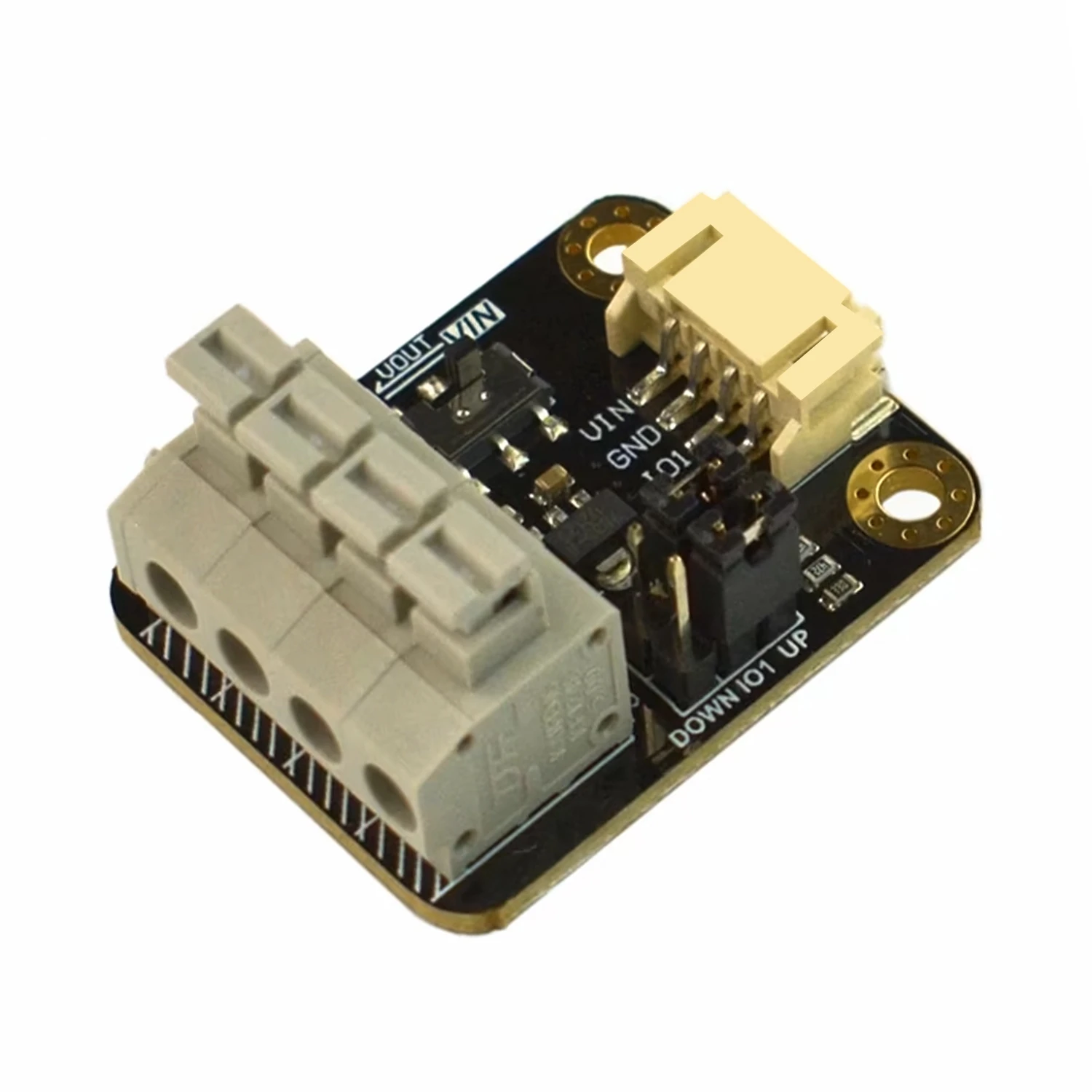
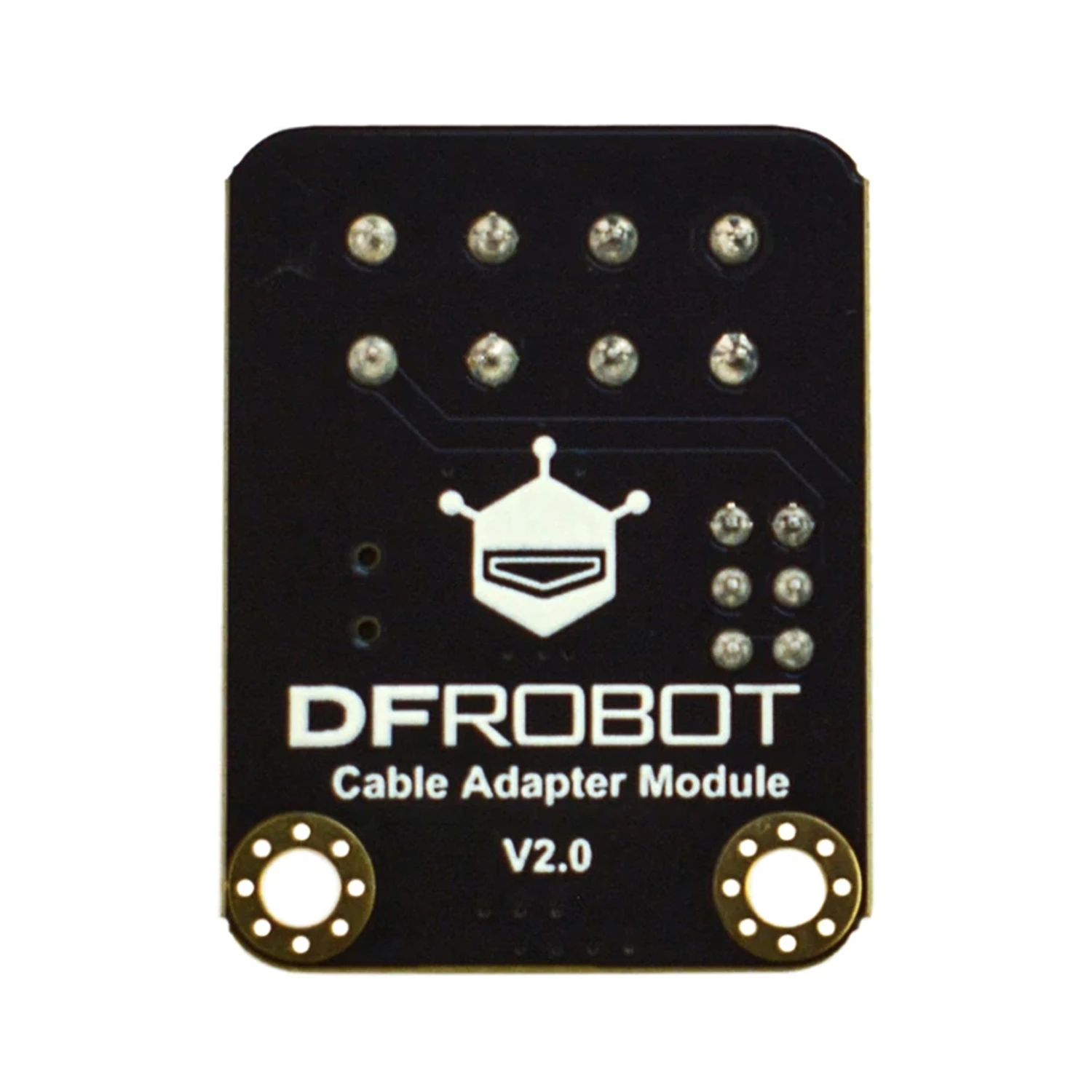
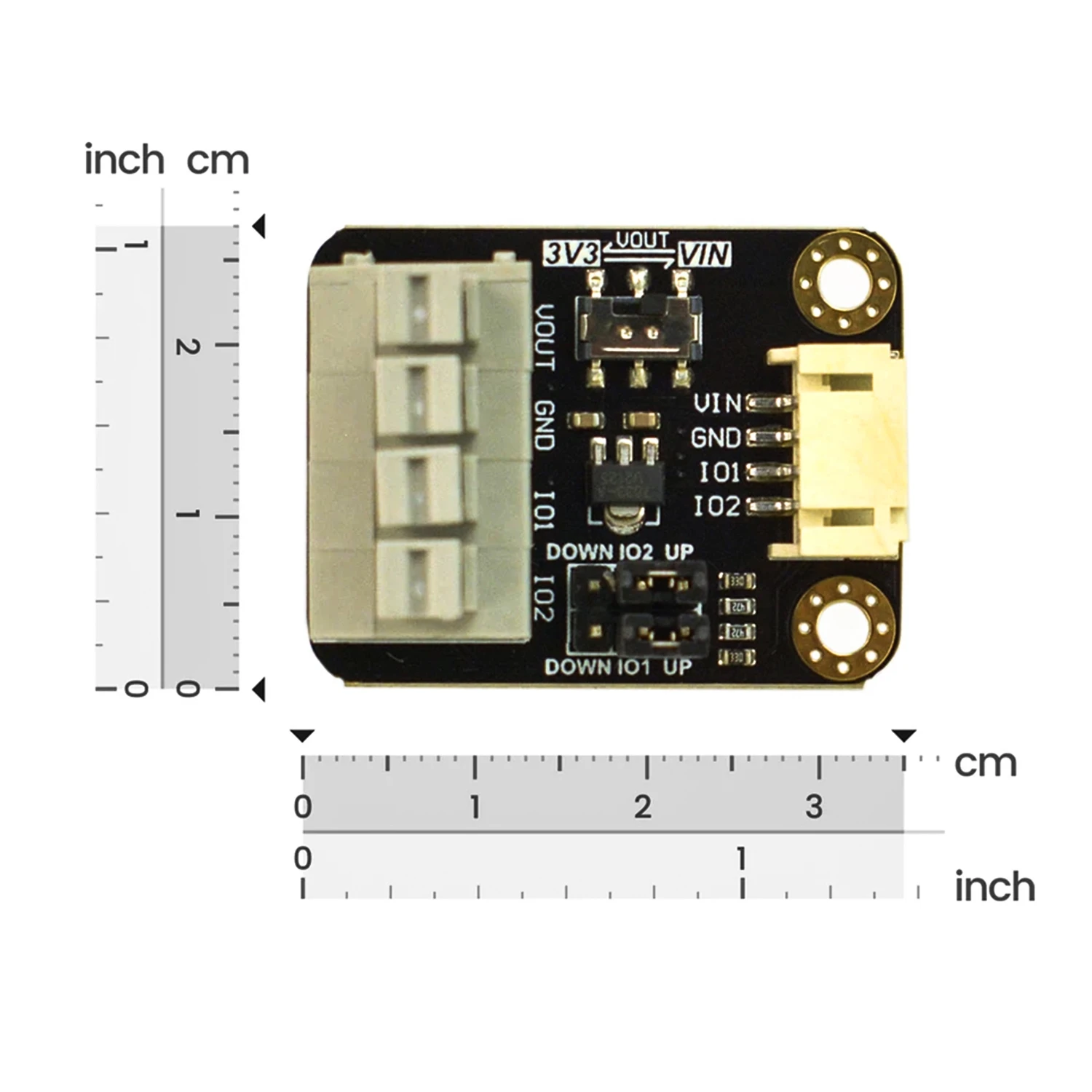
  • Includes Gravity 4-pin adapter for easy plug-and-play integration.

Out of stock

Description

The DFRobot Turbidity Sensor operates on an optical scattering principle, utilizing paired infrared probes mounted opposite each other on a container. It measures the light transmittance and scattering rate of the liquid, outputting a calibrated UART data frame that correlates to turbidity levels (NTU). This non-contact design ensures the sensing electronics are isolated from the liquid, significantly enhancing long-term durability in corrosive or chemically aggressive aqueous environments.

The module is engineered for integration into water quality monitoring systems, aquaculture, and industrial process control. It features a compact form factor and communicates via a simple TTL UART interface, making it compatible with a wide range of microcontrollers like Arduino, ESP32, and Raspberry Pi when used with a logic level converter. The operating temperature range supports both indoor laboratory and broader field deployment scenarios.

Key Features

  • Non-contact infrared optical sensing for enhanced sensor longevity.
  • Digital UART output provides stable, noise-resistant data transmission.
  • Optimized for standard transparent cylindrical containers (40-50mm diameter).
  • Low-power design suitable for battery-powered monitoring stations.
  • Corrosion-resistant construction for use in water and chemical solutions.
  • Includes Gravity 4-pin interface cable for rapid prototyping.
  • Wide operating temperature range for versatile application environments.

Applications

  • Aquaculture and fish tank water quality monitoring systems.
  • Industrial wastewater treatment process control and effluent monitoring.
  • Laboratory analysis of liquid sample turbidity in transparent vessels.
  • DIY and educational projects for environmental sensing with Arduino.
  • Drinking water quality assessment in portable or fixed monitoring stations.

Technical Specifications

ModelTurbidity Sensor
Supply Voltage5V DC
Operating Current< 10 mA
Communication InterfaceTTL UART
Baud Rate9600 bps
Operating Temperature0°C to +60°C
Storage Temperature0°C to 65°C
Container Compatibility40–50mm diameter transparent cylinder
Sensing PrincipleNon-contact Infrared Optical Scattering

Frequently Asked Questions

What is the communication protocol for this turbidity sensor?

The sensor communicates via a TTL UART serial interface at a fixed baud rate of 9600 bps. It outputs a digital data frame containing the turbidity measurement, which can be directly read by a microcontroller's UART RX pin. For 5V Arduino boards, you can connect directly; for 3.3V logic devices like ESP32, a logic level converter is recommended.

What type of container is required for proper operation?

The sensor is designed for use with transparent cylindrical containers having an outer diameter between 40mm and 50mm. The two infrared probes must be mounted directly opposite each other on the container's exterior. The liquid level inside must rise above the height of both probes for a valid measurement.

Can this sensor be used with corrosive liquids or chemicals?

Yes, the non-contact design is a key advantage here. Since the optical probes do not physically contact the liquid, the sensor electronics are protected from direct exposure to corrosive substances, acids, or alkalis. However, the container material itself must be compatible with the liquid being measured.

How do I power and interface this sensor with an Arduino Uno?

Connect the sensor's red wire to 5V, black wire to GND, and the TX (transmit) wire to a digital pin on the Arduino configured as a SoftwareSerial RX pin. Use the included Gravity 4-pin adapter for easy connection. Then, use a serial library to read the incoming data packets at 9600 baud to obtain turbidity values.

Package Includes

  • 1 x Turbidity Sensor Module
  • 1 x Gravity 4-Pin Sensor Adapter Cable

Additional Information

Weight 0.01 kg
Dimensions 5 × 5 × 2 cm