SKU: IOWC-1817
📋 GST Invoice Available

Wireless-Tag WT32S3-07S 7-Inch Touch LCD ESP32-S3 Board

₹5,769.00 (Inclusive of all taxes)
Out of Stock

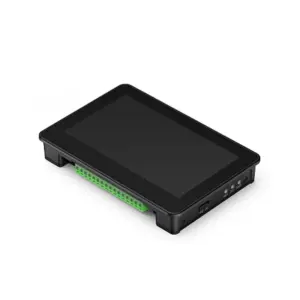
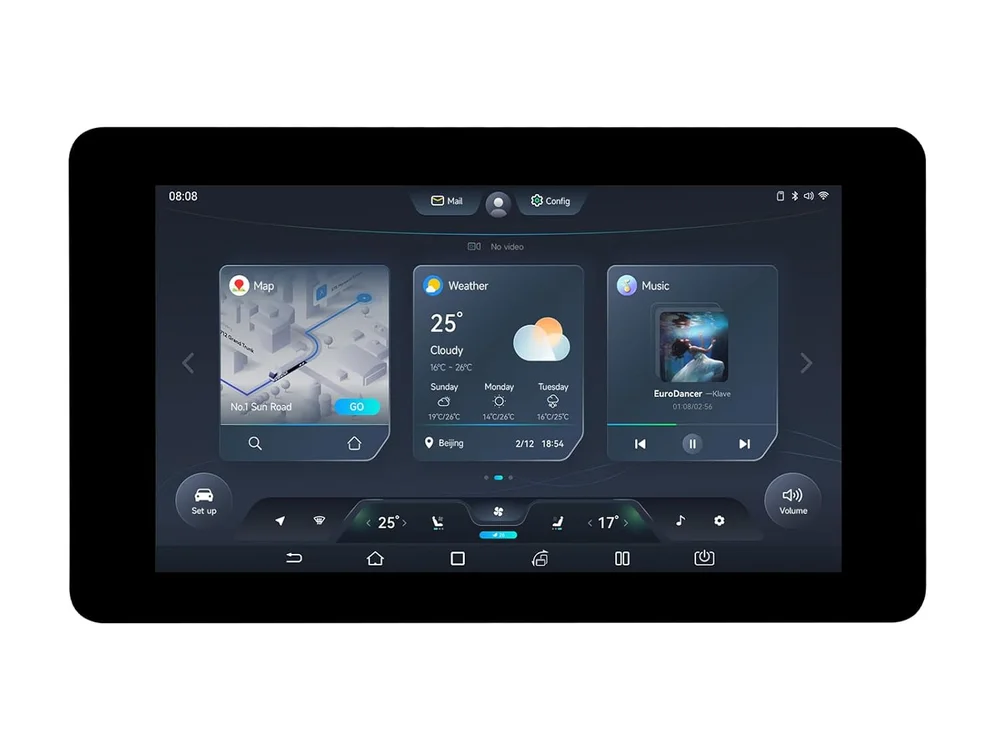
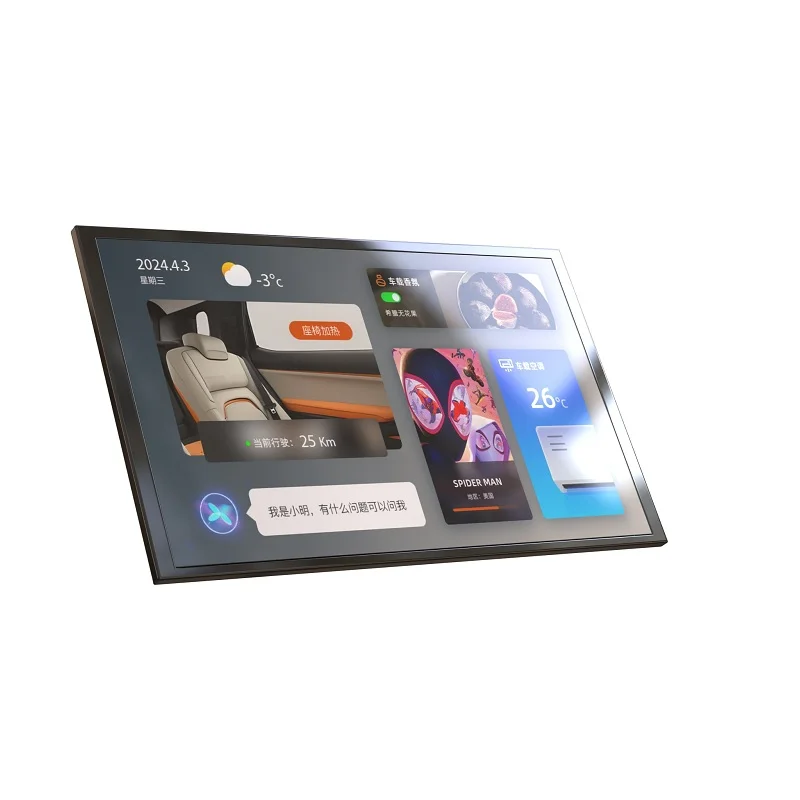
The Wireless-Tag WT32S3-07S is an ESP32-S3-based IoT development board featuring a large 7-inch, 800×480 resolution RGB touchscreen display, enabling rich graphical user interfaces for smart home, industrial control, and interactive kiosk projects with integrated Wi-Fi and Bluetooth 5 (LE) connectivity.

Features

  • 7-Inch High-Res Touch Display: Features an 800×480 pixel RGB interface touchscreen for creating detailed and responsive graphical user interfaces (GUIs) in your IoT applications.
  • Powered by ESP32-S3: Built on the dual-core ESP32-S3 microcontroller, offering robust processing power, Wi-Fi, and Bluetooth 5 (LE) connectivity for wireless IoT deployments.
  • Comprehensive Peripheral Support: Equipped with GPIO, SPI, I2C, UART, USB, audio, TF card slot, and RTC interfaces for seamless integration of sensors, actuators, and external modules.
  • Linux-Based System: Runs on a LINUX system with SSD201/202D/212 MCU, providing a flexible environment for complex application development beyond typical microcontroller frameworks.
  • Ready for Prototyping: A complete, all-in-one platform ideal for developing smart home dashboards, industrial HMIs, interactive displays, and kiosk systems without external display hardware.

Out of stock

Description

The Wireless-Tag WT32S3-07S merges a powerful ESP32-S3 wireless SoC with a sizable 7-inch capacitive touchscreen, creating a foundational platform for advanced IoT projects requiring visual feedback and user interaction. Its high-resolution 800×480 RGB display delivers crisp graphics suitable for dashboards, control panels, and data visualization.

Architecturally, the board combines the dual-core Xtensa LX7 processor of the ESP32-S3 with a separate SSD201/202D/212 MCU running a LINUX system, enabling more complex application stacks and multi-threaded processes. This setup provides the wireless prowess of the ESP32-S3—including 2.4 GHz Wi-Fi and Bluetooth Low Energy 5—alongside the flexibility of a full operating system for handling the display driver and touch interface.

Designed for system integrators and developers, the board includes a full suite of physical interfaces such as USB, serial ports, audio codec support, and a microSD card slot, allowing for extensive peripheral expansion. Its integrated design simplifies prototyping by eliminating the need for separate display wiring and controller boards, making it an efficient solution for deploying finished products.

Key Features

  • Large Format Touchscreen Interface: 7-inch capacitive touch panel with 800x480 RGB resolution enables intuitive user input and clear visual data presentation.
  • Dual-Processor Architecture: Leverages the ESP32-S3 for wireless connectivity and a dedicated SSD-series MCU running LINUX to efficiently manage the display and application logic.
  • Integrated Wireless Connectivity: Features built-in 2.4 GHz Wi-Fi (802.11 b/g/n) and Bluetooth 5 (LE) for local network communication and device pairing.
  • Expansive I/O and Storage: Provides GPIO, SPI, I2C, UART, USB, audio interface, real-time clock (RTC), and a TF (microSD) card slot for data logging and asset storage.
  • High-Capacity Flash Memory: Equipped with 256MB or 512MB NAND Flash, offering ample space for application code, graphics assets, and the LINUX operating system.
  • Streamlined Development Platform: Serves as an all-in-one unit, reducing hardware complexity for projects that require a display, processing, and wireless communication in a single package.

Applications

  • Smart Home Control Hubs: Central touchscreen interface for managing lighting, climate, security cameras, and other connected devices.
  • Industrial Human-Machine Interfaces (HMIs): Real-time monitoring and control panel for factory automation, PLC systems, and equipment dashboards.
  • Interactive Kiosks & Digital Signage: Self-service terminals, information displays, and advertising boards with touch interaction and network connectivity.
  • IoT Data Visualization Stations: Local display node for presenting sensor data, network metrics, or system status from wireless sensor networks.
  • Prototyping & Development: All-in-one platform for engineers and makers to build and demonstrate IoT applications with a graphical front-end.

Technical Specifications

Primary Microcontroller / SoCESP32-S3 (Dual-core Xtensa LX7)
Display Controller MCUSSD201/202D/212
Operating SystemLINUX
Wireless ProtocolsWi-Fi 802.11 b/g/n (2.4 GHz), Bluetooth 5 (LE)
Display Resolution800 x 480 pixels
Screen Size & Interface7-inch, Capacitive Touch, RGB Interface
Flash Memory256MB / 512MB NAND Flash
Supported InterfacesAudio, Serial (UART), USB, TF Card, RTC, GPIO, SPI, I2C
Dimensions (Shipping)22 x 14 x 6 cm
Weight (Shipping)0.45 kg

Frequently Asked Questions

What software frameworks can I use to program the Wireless-Tag WT32S3-07S board?

The board runs a LINUX operating system on its SSD201/202D/212 MCU, which typically allows for development using standard Linux tools and libraries, such as C/C++ with GCC, Python, or Node.js. For the ESP32-S3's wireless functions, you may use Espressif's ESP-IDF SDK or the Arduino core for ESP32 via the board's serial/USB interface. You will need to connect to the board's Linux system via serial console or SSH to deploy your application logic and manage the display driver, which is separate from the ESP32-S3 firmware development environment.

How do I connect peripherals and sensors to the WT32S3-07S board?

Connect peripherals using the board's exposed GPIO pins and standard communication interfaces like SPI, I2C, and UART. You will need to identify the correct pinout from the board's documentation, as the ESP32-S3 and the display controller MCU share the I/O bank. For analog sensors, use the ESP32-S3's ADC-capable pins. Digital interfaces like I2C for environmental sensors or SPI for high-speed data transfer can be wired directly. The board also features a USB port for connecting devices like cameras or keyboards and a TF card slot for additional storage, accessible from the Linux filesystem.

What is the power supply requirement for the 7-inch display and ESP32-S3?

The board requires a stable 5V DC power supply, typically delivered via its USB-C or dedicated power jack. The exact current draw depends on display brightness and CPU load but expect significant consumption due to the large LCD backlight; a 2A or higher supply is recommended for reliable operation. The ESP32-S3 itself is low-power, but the display controller and backlight are the primary power consumers. For battery-powered projects, consider implementing deep sleep modes for the ESP32-S3 and controlling the display's power enable line to conserve energy during inactive periods.

Package Includes

  • 1 x Wireless-Tag WT32S3-07S Development Board (7-inch Touch LCD)

Additional Information

Weight 0.45 kg
Dimensions 22 × 14 × 6 cm