SKU: IOWC-1350
📋 GST Invoice Available

Seeed Studio Studio SenseCAP Indicator D1, 4-Inch Touch IoT Platform w/ ESP32-S3 & RP2040

₹6,299.00 (Inclusive of all taxes)
Out of Stock

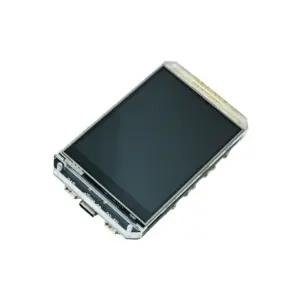
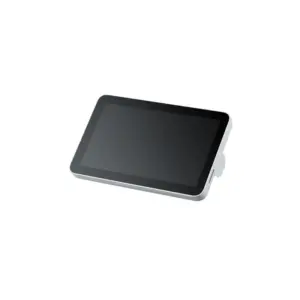
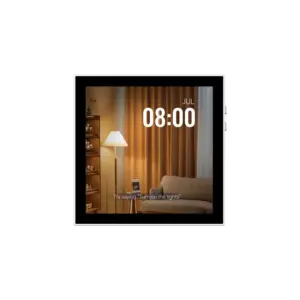
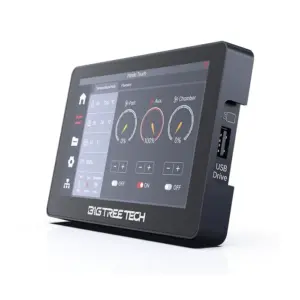
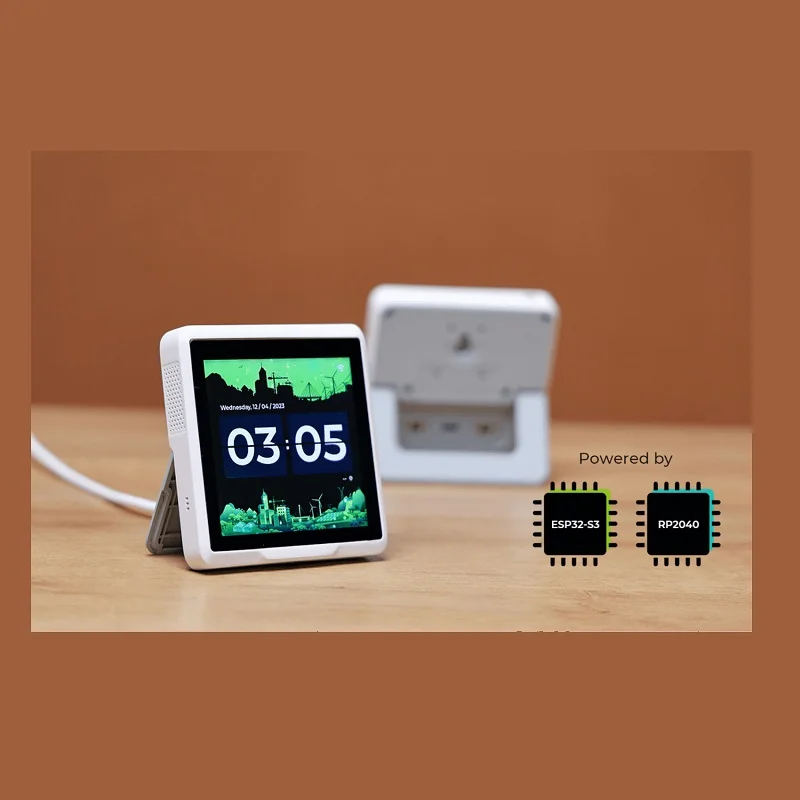
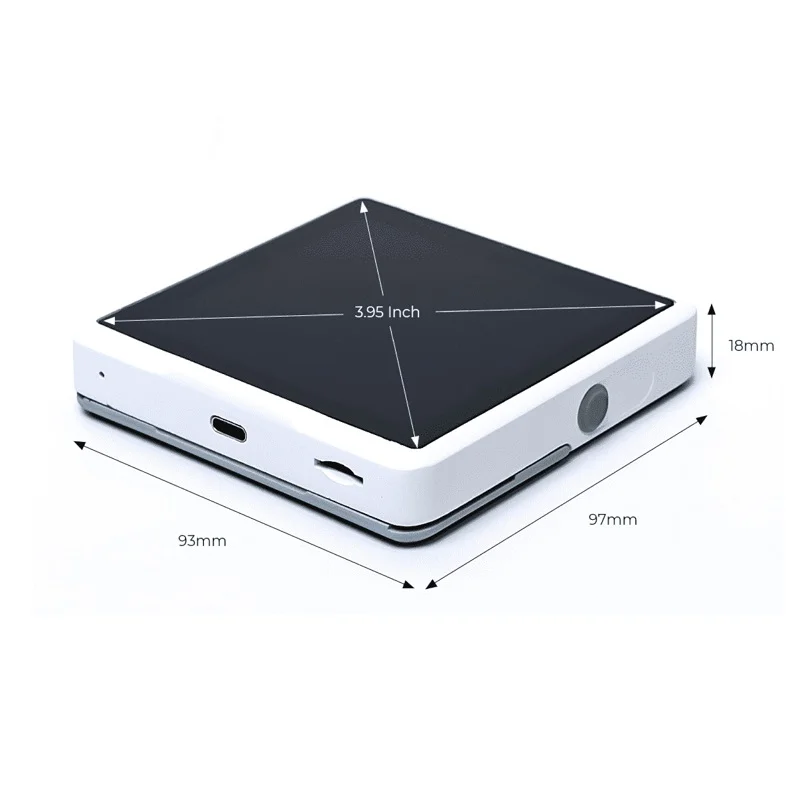
The SenseCAP Indicator D1 is a 4-inch touchscreen IoT development platform powered by dual MCUs (ESP32-S3 and RP2040), supporting Wi-Fi 2.4GHz and Bluetooth 5.0 LE for building advanced human-machine interfaces and edge computing applications.

Features

  • 4-Inch 480×480 capacitive touchscreen for rich UI and data visualization.
  • Dual-MCU architecture: ESP32-S3 for Wi-Fi/BLE connectivity and RP2040 for real-time I/O control.
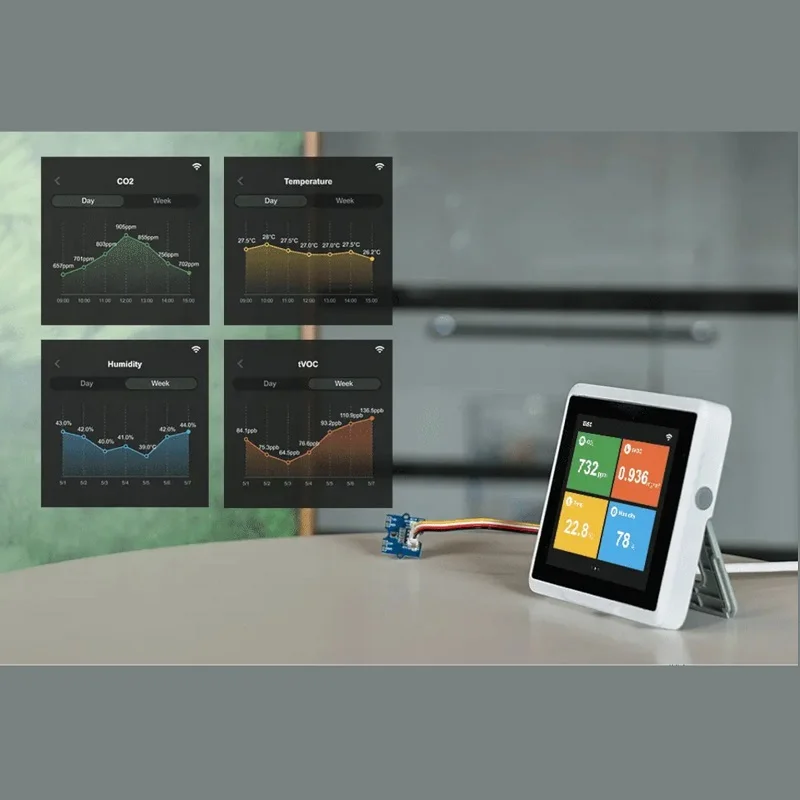
  • Built-in tVOC and CO2 sensors for immediate air quality monitoring projects.
  • Includes Grove interfaces (ADC, I2C) and GPIOs for rapid peripheral expansion.
  • Fully open-source platform compatible with Arduino IDE, ESP-IDF, and MicroPython.

Out of stock

Description

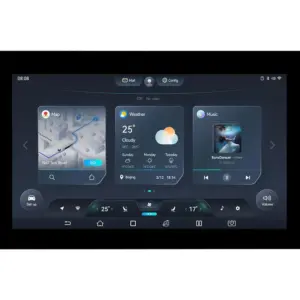
The SenseCAP Indicator D1 integrates a high-resolution 4-inch capacitive touchscreen with a powerful dual-processor core, combining the wireless capabilities of the ESP32-S3 with the flexible I/O of the RP2040. This architecture allows developers to separate networking tasks from real-time sensor processing and UI management, optimizing performance for complex IoT dashboards and interactive devices.

Powered via USB Type-C at 5V, the platform includes onboard environmental sensors and supports external microSD storage up to 32GB. Its design is tailored for creating desktop air quality monitors, industrial HMIs, or smart home controllers, with native firmware provided as a starting point for full customization.

Key Features

  • Dual-processor design enables concurrent wireless communication and high-speed UI rendering.
  • High-brightness, high-resolution capacitive touchscreen for indoor/outdoor readable interfaces.
  • Onboard tVOC and CO2 sensors provide immediate environmental data without external hardware.
  • Grove ecosystem compatibility (I2C, ADC) simplifies connection of hundreds of plug-and-play sensors.
  • Extensive GPIO breakout allows direct interfacing with motors, relays, and other actuators.
  • Open-source hardware and firmware support community-driven development and customization.
  • MicroSD card slot enables local data logging and firmware storage for standalone operation.
  • Robust power management supports continuous operation and potential battery-backed projects.

Applications

  • Desktop air quality monitors and environmental data dashboards.
  • Smart home control panels and interactive automation hubs.
  • Industrial Human-Machine Interfaces (HMIs) for equipment monitoring.
  • Prototyping platforms for IoT product development with graphical UI.
  • Educational tools for teaching embedded systems, wireless networking, and sensor integration.

Technical Specifications

Processor (Main)ESP32-S3 (Xtensa® dual-core 32-bit LX7, up to 240MHz)
Processor (Secondary)RP2040 (Dual ARM Cortex-M0+, up to 133MHz)
Wireless ProtocolsWi-Fi IEEE 802.11 b/g/n 2.4 GHz, Bluetooth 5.0 LE
Display3.95-inch Capacitive Touch, 480 x 480 pixels
Supply Voltage5V DC
Flash MemoryESP32-S3: 8MB, RP2040: 2MB
External StorageMicroSD Card (Support up to 32GB)
Onboard SensorstVOC, CO2
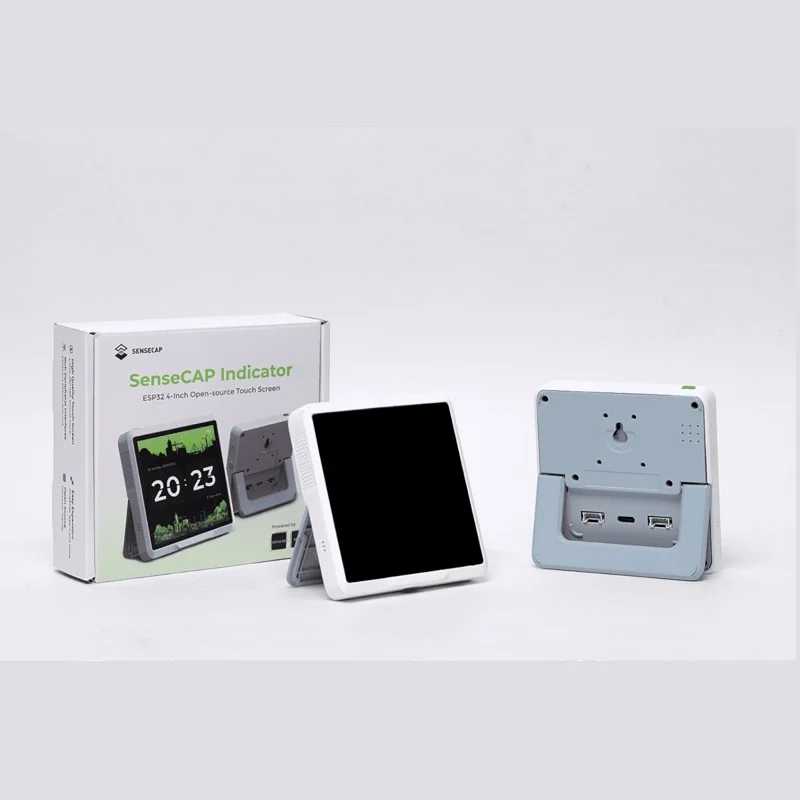
InterfacesUSB Type-C, 2x Grove (ADC, I2C), GPIO
Operating Temperature-10°C to 50°C
Operating Humidity0% to 90% RH
Dimensions (LxW)96.2mm x 92.2mm
Weight231g

Frequently Asked Questions

How do I program the SenseCAP Indicator D1?

You can program the ESP32-S3 using the Arduino IDE with the ESP32 board package or Espressif's ESP-IDF framework for advanced features. The RP2040 core can be programmed separately using the Arduino IDE with the Raspberry Pi Pico core or the C/C++ SDK. The native firmware examples are available on Seeed Studio Studio's GitHub repository to get started with the touchscreen UI and sensor readings.

What is the purpose of the dual MCU architecture?

The dual MCU design separates tasks for efficiency: the ESP32-S3 handles all wireless communication (Wi-Fi/BLE connectivity, MQTT, HTTP) and complex networking stacks, while the RP2040 manages real-time I/O, sensor polling, and driving the touchscreen display. This prevents UI lag during network operations and allows both processors to run at their optimal performance levels for responsive IoT applications.

Can I connect external sensors to the onboard Grove ports?

Yes, the two onboard Grove connectors support I2C and ADC protocols, allowing you to plug in hundreds of compatible sensors from the Grove ecosystem without soldering. For example, you can connect a Grove temperature and humidity sensor to supplement the built-in environmental readings. The pinout is standard, and libraries are widely available for Arduino and MicroPython.

What is the power requirement and does it support battery operation?

The board requires a stable 5V DC supply via the USB Type-C port, drawing up to 1A during full operation with the display active. While not featuring a dedicated battery management circuit, you can power it using a 5V USB power bank for portable use. For deep sleep operation, you would need to manage the power rail externally, as both MCUs support low-power modes to conserve energy.

Package Includes

  • 1 x SenseCAP Indicator D1 Board
  • 1 x USB-C Cable (1M)

Additional Information

Weight 0.231 kg
Dimensions 9.62 × 9.22 cm