SKU: IOWC-1379
📋 GST Invoice Available

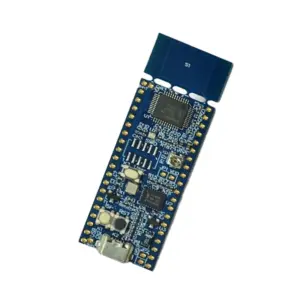
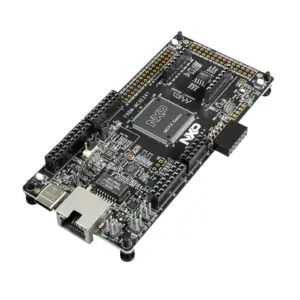
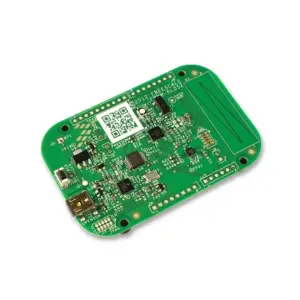
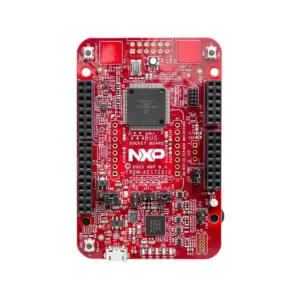
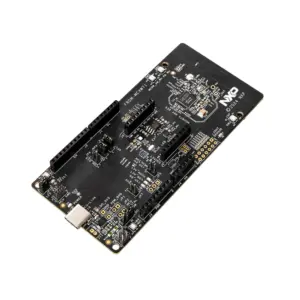
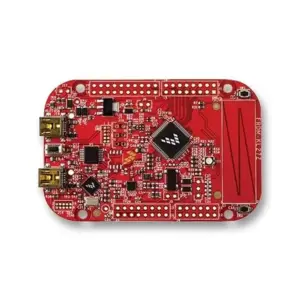
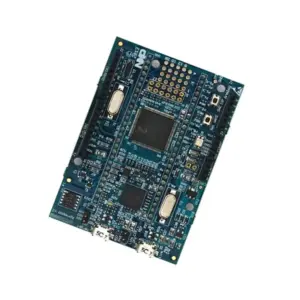
NXP Semiconductors FRDM-KL02Z Development Board MKL02Z32VFM4 MCU

₹1,859.00 (Inclusive of all taxes)
Out of Stock

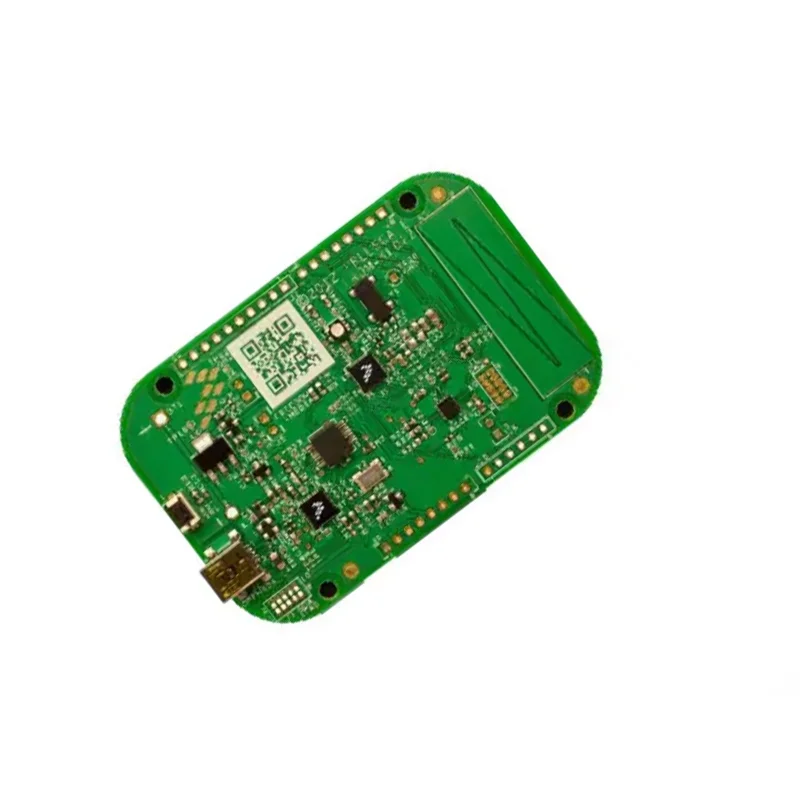
The NXP Semiconductors FRDM-KL02Z is an ultra-low-cost ARM Cortex-M0+ development board featuring the MKL02Z32VFM4 MCU, capacitive touch slider, MMA8451Q accelerometer, and Arduino-compatible form factor for rapid prototyping of battery-powered IoT applications.

Features

  • Powered by the NXP Semiconductors Kinetis KL02 series ARM Cortex-M0+ microcontroller (MKL02Z32VFM4) with 32KB Flash and 4KB SRAM.
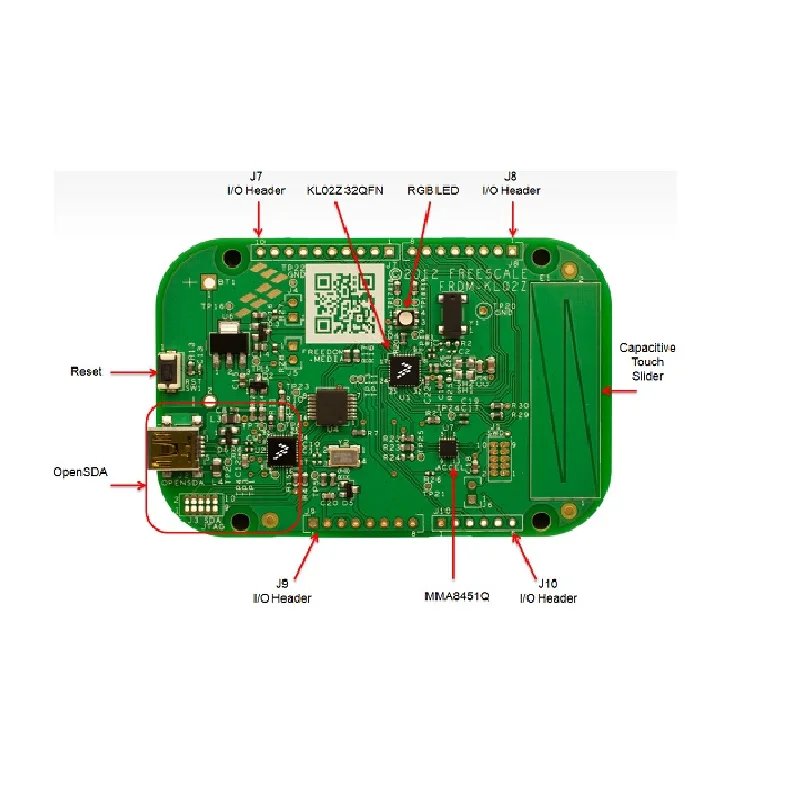
  • Integrated capacitive touch slider enables intuitive user interfaces without mechanical buttons.
  • Onboard Freescale MMA8451Q 3-axis accelerometer for motion and tilt sensing applications.
  • Arduino R3 shield-compatible pinout and OpenSDA debug interface for easy programming and expansion.
  • Ultra-low-power design ideal for prototyping battery-operated and energy-harvesting IoT nodes.

Out of stock

Description

The FRDM-KL02Z development board is NXP Semiconductors’s entry-level platform for the Kinetis L Series KL02 family, centered on the energy-efficient 32-bit ARM Cortex-M0+ core. It provides a complete hardware ecosystem for evaluating the MKL02Z32VFM4 MCU’s capabilities, including its 12-bit ADC, SPI, I2C, and UART peripherals, directly accessible via standard I/O headers.

Designed for rapid prototyping, the board’s form factor is compatible with popular Arduino shields, significantly accelerating hardware integration. The integrated OpenSDA circuit offers flexible serial communication, flash programming, and run-control debugging, eliminating the need for an external debug probe. This combination of low-power processing, onboard sensors, and developer-friendly interfaces makes it an ideal foundation for compact, touch-enabled IoT devices and wearable prototypes.

Key Features

  • Features the MKL02Z32VFM4 MCU with 32-bit ARM Cortex-M0+ core running at 4 MHz.
  • Integrated capacitive touch slider using GPIO-based TSS library for touch-sensitive control.
  • Onboard MMA8451Q digital accelerometer provides 3-axis motion detection with I2C interface.
  • OpenSDA embedded serial and debug adapter supports multiple programming and communication modes.
  • Arduino R3 compatible pin headers enable easy connection with a vast ecosystem of shields and modules.
  • Ultra-low-power architecture suitable for battery-powered and energy-harvesting applications.
  • Includes reset pushbutton and tri-color LED for basic user feedback and system control.

Applications

  • Prototyping ultra-low-power IoT sensor nodes and wearable devices.
  • Developing touch-based human-machine interfaces (HMI) and control panels.
  • Creating motion-activated and tilt-sensing applications for consumer electronics.
  • Building educational tools for embedded systems and microcontroller programming.
  • Designing proof-of-concept devices for energy-harvesting and battery-operated systems.

Technical Specifications

Microcontroller/SoCNXP Semiconductors MKL02Z32VFM4 (ARM Cortex-M0+)
Core Architecture32-bit ARM Cortex-M0+
Clock Frequency4 MHz
Flash Memory32 KB
SRAM4 KB
Analog Peripherals12-bit SAR ADC with DMA, High-speed Comparator
Communication InterfacesSPI (x1), I2C (x2), Low-Power UART (x1)
Onboard SensorsCapacitive Touch Slider, MMA8451Q 3-Axis Accelerometer
Debug InterfaceOpenSDA (Serial & Debug Adapter)
Form FactorArduino R3 Shield Compatible
Operating Voltage3.3V (typical)

Frequently Asked Questions

How do I program the NXP Semiconductors FRDM-KL02Z development board?

The board is programmed via the onboard OpenSDA debug interface, which appears as a virtual COM port when connected via USB. You can use IDEs like MCUXpresso, Keil MDK, or IAR Embedded Workbench. For Arduino development, community-supported cores can be installed to program the board directly from the Arduino IDE after configuring the correct board package and selecting the OpenSDA serial port.

What is the purpose of the capacitive touch slider and how is it accessed?

The capacitive touch slider provides a touch-sensitive input method without mechanical parts. It is implemented using GPIO pins and NXP Semiconductors's Touch Sensing Software (TSS) library. To use it, you must include the TSS library in your project and configure the designated GPIO pins for touch sensing. The library handles the baseline calibration and provides APIs to read the slider position, enabling features like brightness control or menu navigation in your application.

Can I power the FRDM-KL02Z board from a battery for field deployment?

Yes, the FRDM-KL02Z is designed for ultra-low-power operation and is ideal for battery-powered applications. The main MCU supports multiple low-power sleep modes. You can supply power via the VDD pin on the Arduino headers (3.3V) from an external regulated source or a battery with appropriate voltage regulation. Ensure you manage the power domains and utilize the MCU's low-power timer and sleep features to maximize battery life in your final design.

Package Includes

  • 1 x NXP Semiconductors FRDM-KL02Z Development Board

Additional Information

Weight 0.067 kg
Dimensions 10 × 17 × 3 cm